
Topkapı Palace
The sultans’ palace on Sarayburnu: courtyards, the Imperial Council, the treasury and the terraces over the water. Dated entry, sold online on its own site.
Mediterranean
26 museums and archaeological sites in the province of Antalya, with hours and what to see at each.
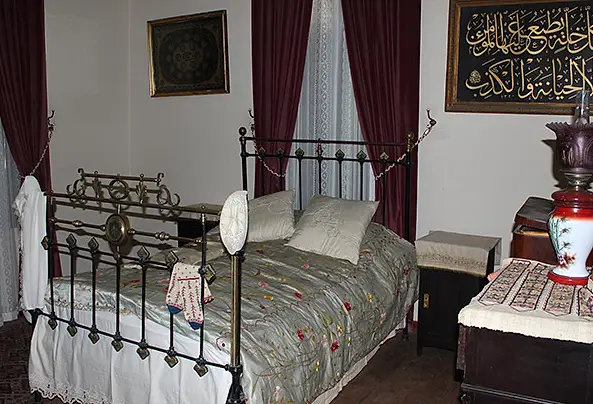
A three-storey traditional Alanya house that holds Atatürk's personal belongings and a telegram he wrote to the people of Alanya.
Visitor guide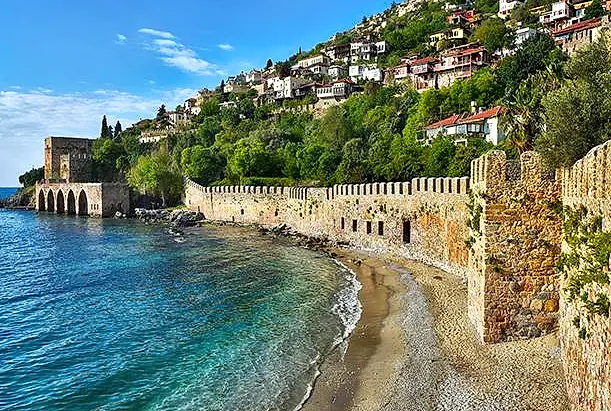
A rock-top fortress above the Mediterranean, once a pirate stronghold and Seljuk naval base, with 6.5 km of walls and 140 towers.
Visitor guide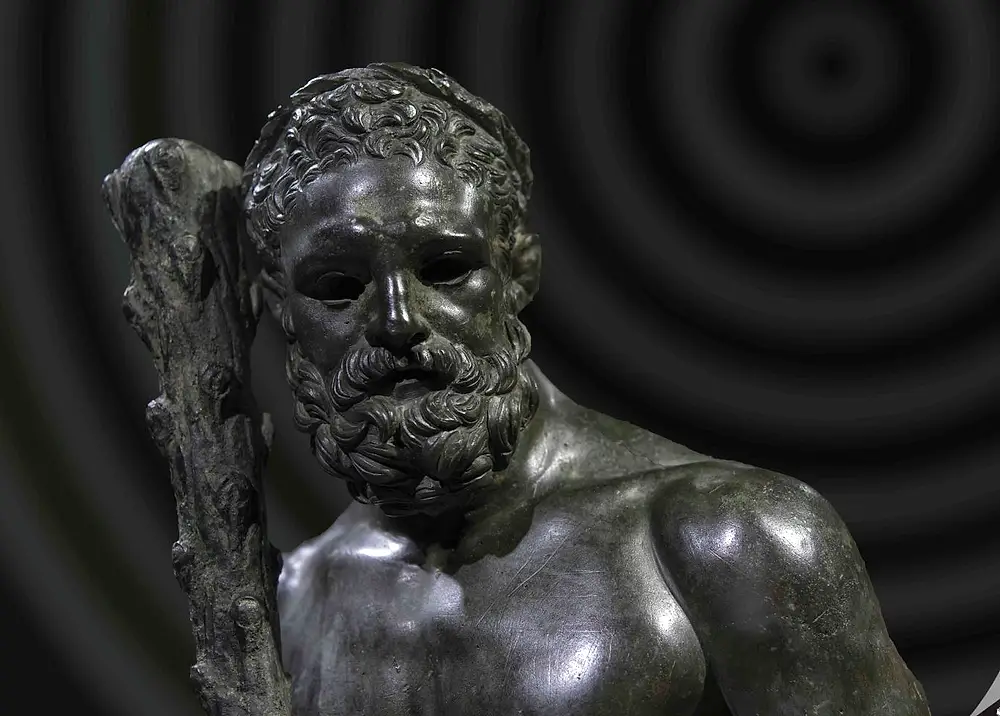
A museum renovated in 2012 with halls on maritime history, coins, Herakles and the castle, plus a garden of sarcophagi and inscriptions.
Visitor guide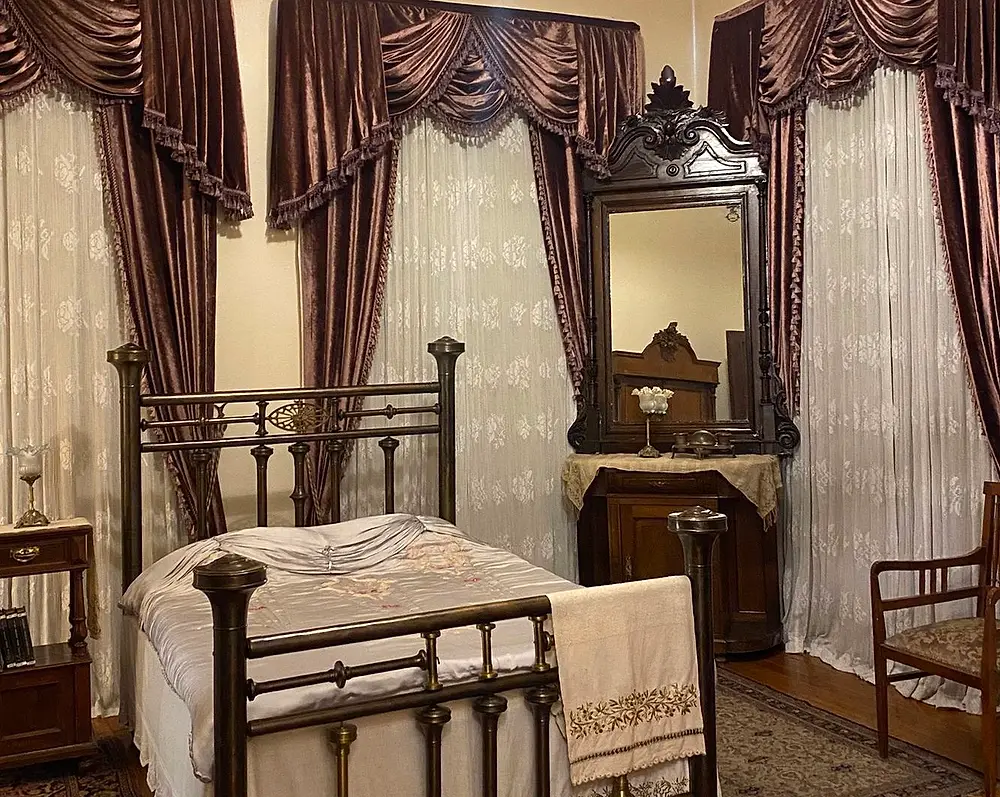
A two-storey stone house in Antalya that recalls Atatürk's visits to the city in 1930 and 1935, kept as a small memorial museum since 1986.
Visitor guide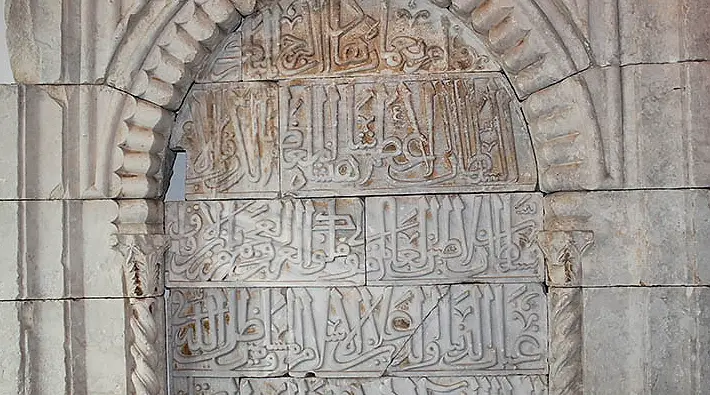
Two Ottoman mansions in Kaleiçi hold Turkish-Islamic works and lifelike scenes of everyday Antalya life in Ottoman times.
Visitor guide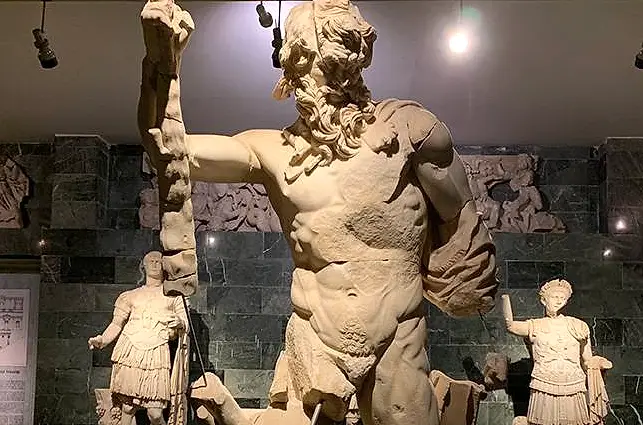
One of Türkiye's great regional museums, born to shelter antiquities during wartime: Perge's statues, Lycian, Pamphylian and Pisidian finds, and a park-like garden.
Visitor guide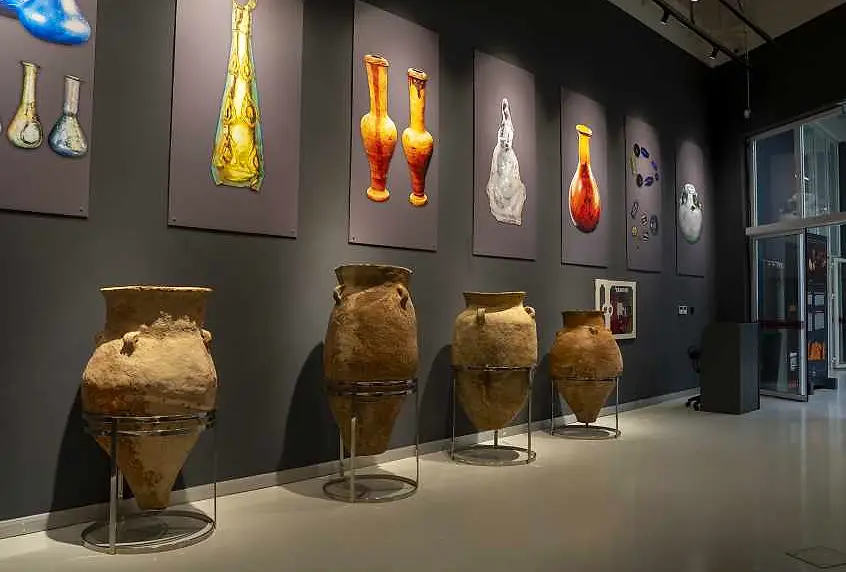
A museum built over the eastern cemetery of ancient Attaleia, uncovered during construction work in 2008 and excavated over the following years.
Visitor guide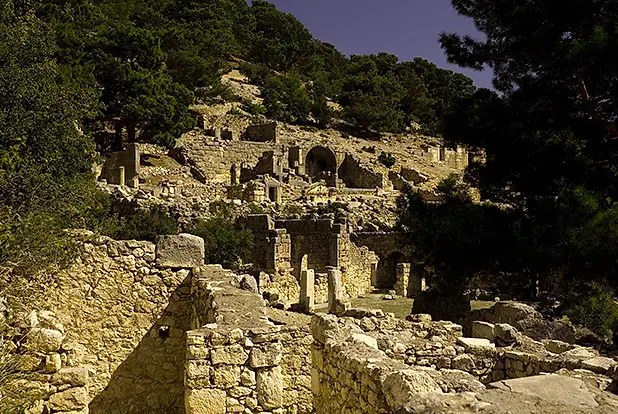
A terraced Lycian mountain city below the sheer Şahinkaya cliff, with a theatre, stadium, agora and baths climbing the slope.
Visitor guide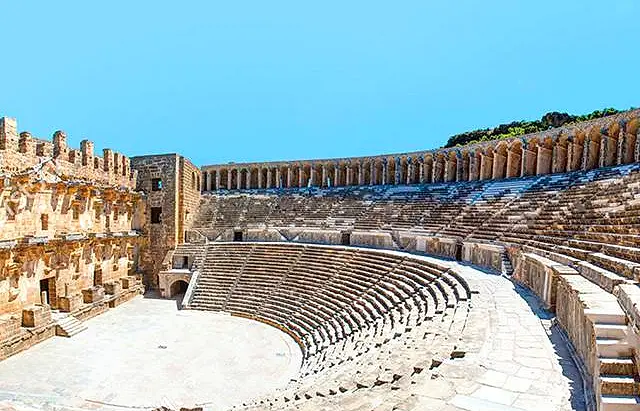
The ancient city of Pamphylia famous for its superbly preserved Roman theatre seating about 12,000, plus an impressive stretch of aqueduct arches.
Visitor guide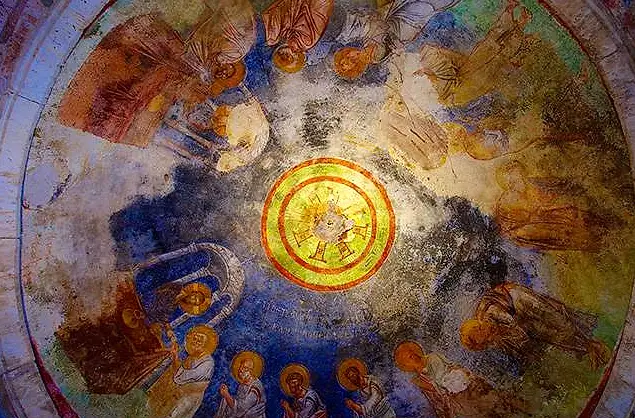
The church at Demre (ancient Myra) built over the tomb of St. Nicholas, the bishop who became the model for Santa Claus, with frescoes and an audio guide.
Visitor guide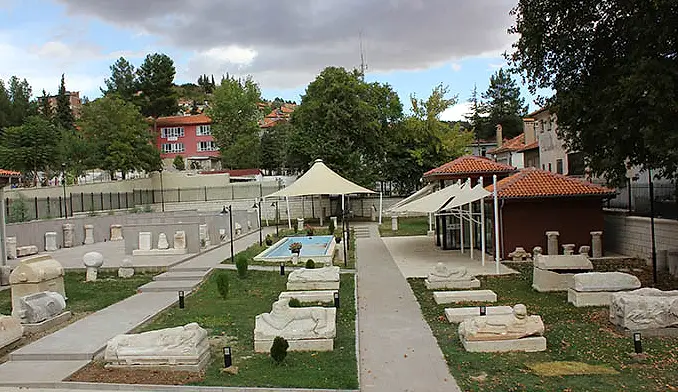
A small museum in a restored former government house, showing finds from the mounds and tombs around Elmalı and Korkuteli, from the Chalcolithic to Byzantine times.
Visitor guide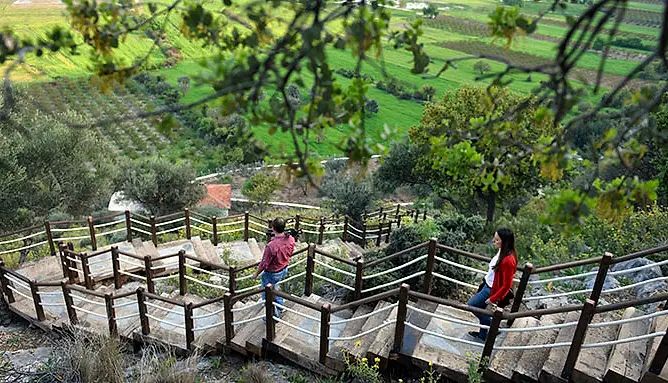
One of Türkiye's largest natural caves near Antalya, with a 500,000-year record of human life from the Palaeolithic to Roman times and a museum beside it.
Visitor guide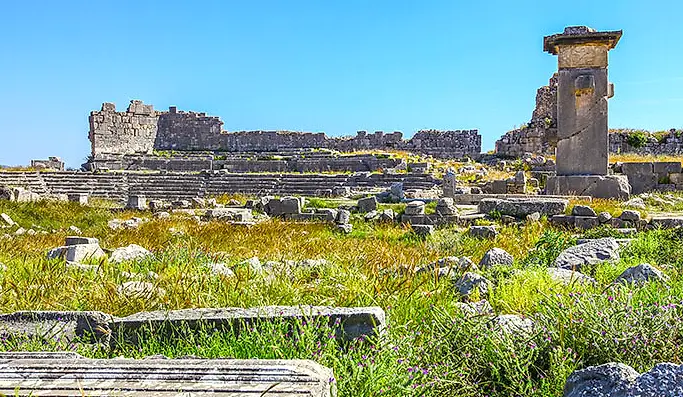
The great Lycian capital in the Eşen valley, a UNESCO World Heritage site with monumental tombs, a Roman theatre, the Vespasian Arch and a legacy of fierce resistance.
Visitor guide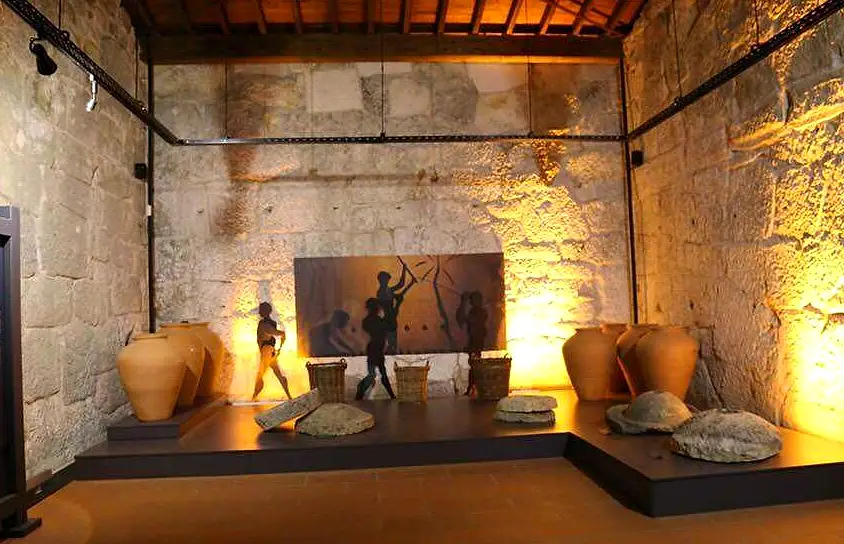
The harbour of ancient Myra near Demre, with a granary turned museum, purple-dye workshops and remains of a Lycian trading port.
Visitor guide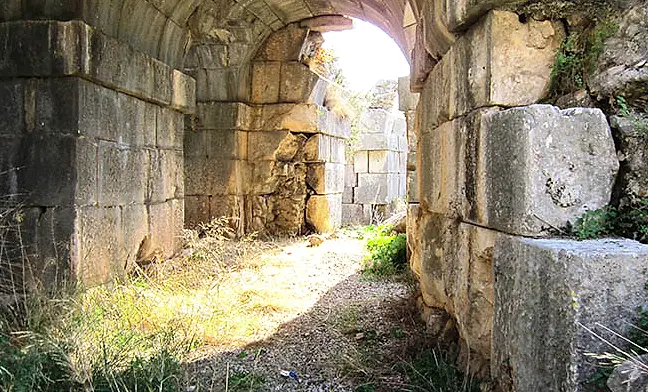
The ancient Lycian city of Limyra near Finike, with a hillside acropolis, the tomb of King Perikle, a Hellenistic theatre and Byzantine walls.
Visitor guide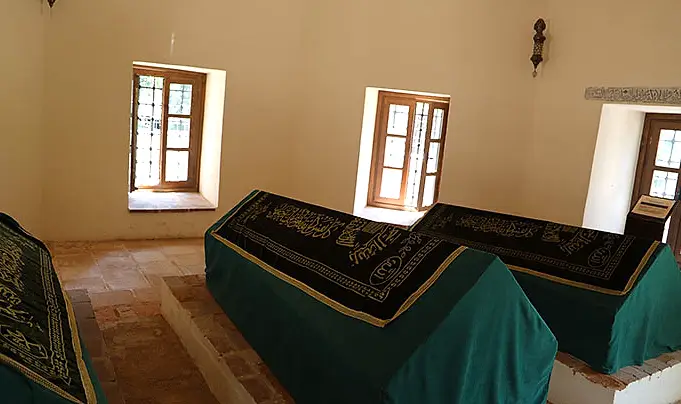
A Seljuk-era Mevlevi lodge in Antalya's Kaleiçi, with a hamam and two tombs, telling the story of the whirling dervish tradition.
Visitor guide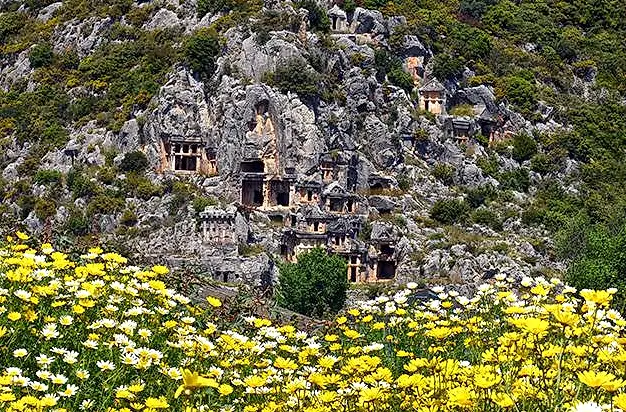
A former Lycian capital near Demre with dramatic rock-cut tombs, a Roman theatre carved below them and the harbour town of Andriake, linked to Saint Nicholas.
Visitor guide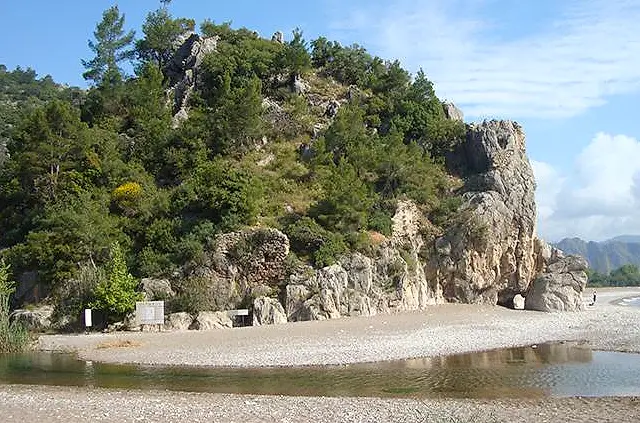
A Lycian coast city hidden in a wooded valley beside a beach, once a pirates' haven, with a theatre, a Byzantine church and the eternal flames of Chimaera nearby.
Visitor guide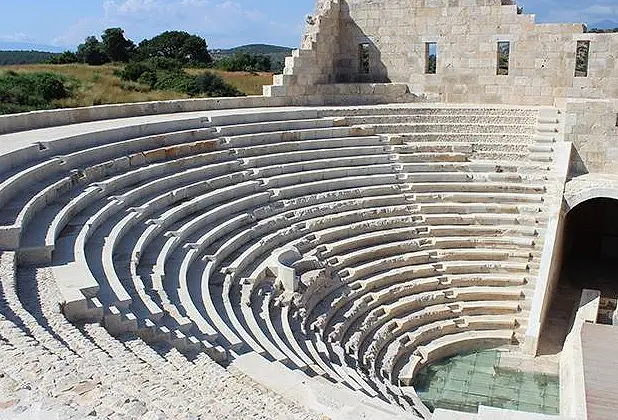
Capital of the Lycian League and birthplace of St. Nicholas, on a coast beside one of Turkey's longest beaches, with a lighthouse, a parliament house and an oracle tradition.
Visitor guide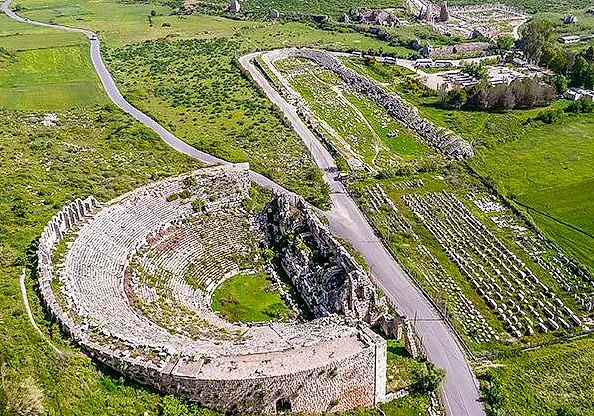
One of Turkey's best-preserved Roman cities, on a plain east of Antalya, with a Hellenistic gate, colonnaded streets, theatre and stadium.
Visitor guide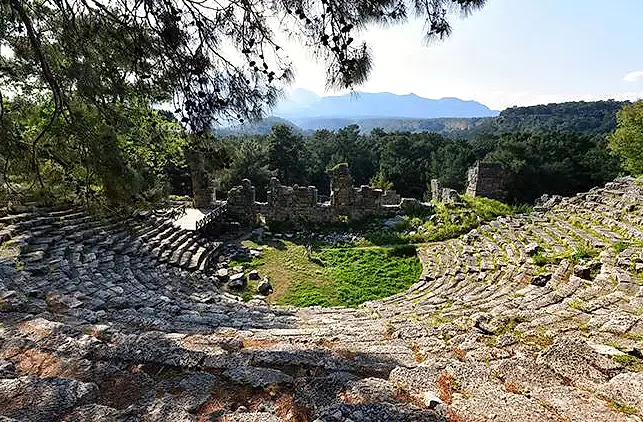
A trading city on a pine-covered peninsula with three harbours, visited by Emperor Hadrian and Alexander the Great, and known for its water-supply engineering.
Visitor guide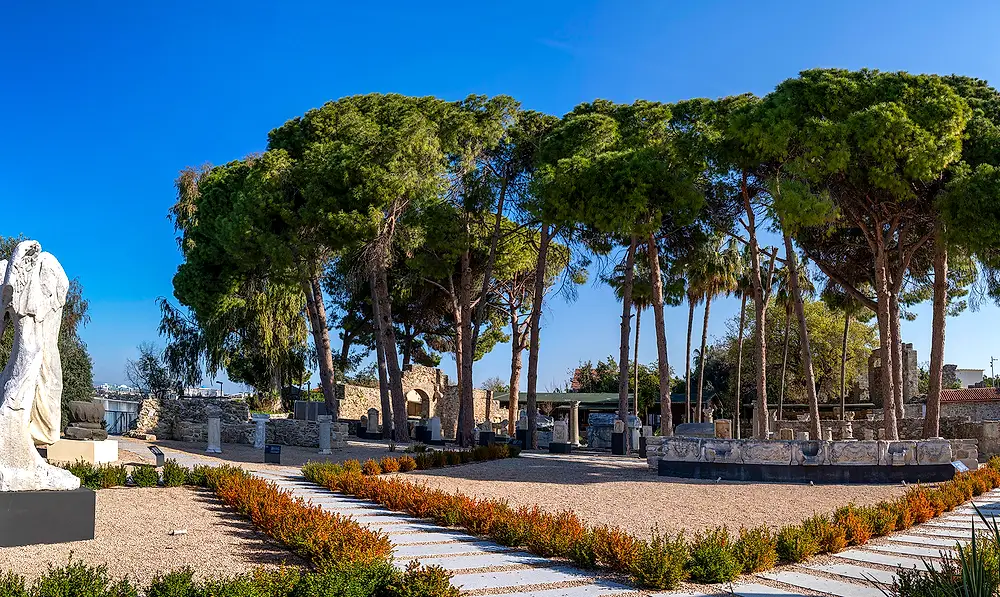
A Roman bathhouse in the ancient port of Side, restored as a museum for finds from the 1946-1966 excavations, and reputedly the first museum opened in a Turkish village.
Visitor guide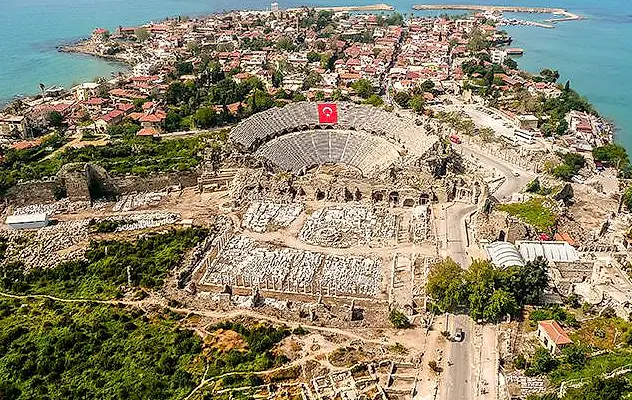
The heart of ancient Side: a theatre with a Hellenistic plan and Roman construction, a rare design in Anatolia, with an audio guide and evening opening.
Visitor guide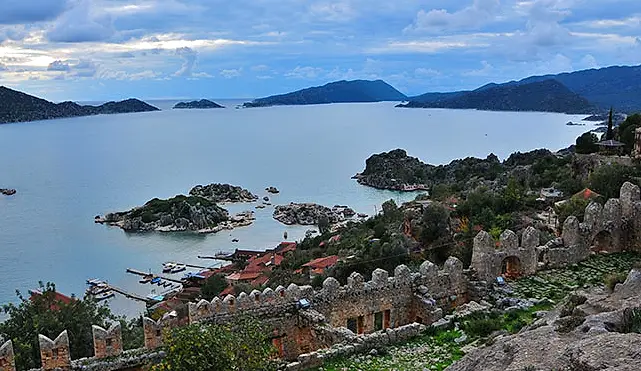
The ancient site beneath the village of Kaleköy, with a medieval castle, a tiny rock-cut theatre and Lycian tombs, in a setting by the sea.
Visitor guide
A ruined coastal city east of Alanya with a monumental gate, cisterns, a baptism cave with frescoes and a colonnaded street 250 m long.
Visitor guide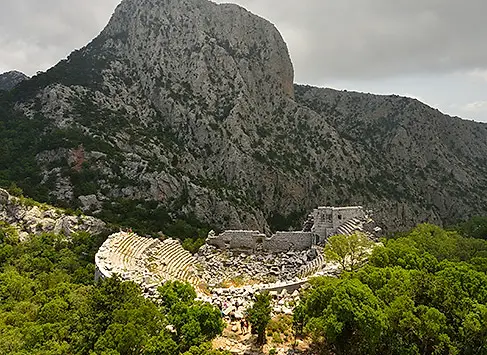
A well-preserved Pisidian mountain city near Antalya that even Alexander the Great failed to take, with a theatre, agora, tombs and a hillside setting inside a national park.
Visitor guideFour Istanbul landmarks, each sold on its own site by the agency behind this guide — dated entry and free cancellation up to 24 hours.
The sultans’ palace on Sarayburnu: courtyards, the Imperial Council, the treasury and the terraces over the water. Dated entry, sold online on its own site.
Justinian’s great underground reservoir: 336 columns in still water and the two Medusa heads. Fast-track entry with a digital audio guide.
Justinian’s cathedral, the sultans’ mosque and a working mosque again today. The ticket admits you to the upper visitor gallery.
A nineteenth-century palace on the water’s edge: the Selamlık, the Ceremonial Hall under its chandelier, the crystal staircase and the Harem.


