
Topkapı Palace
The sultans’ palace on Sarayburnu: courtyards, the Imperial Council, the treasury and the terraces over the water. Dated entry, sold online on its own site.
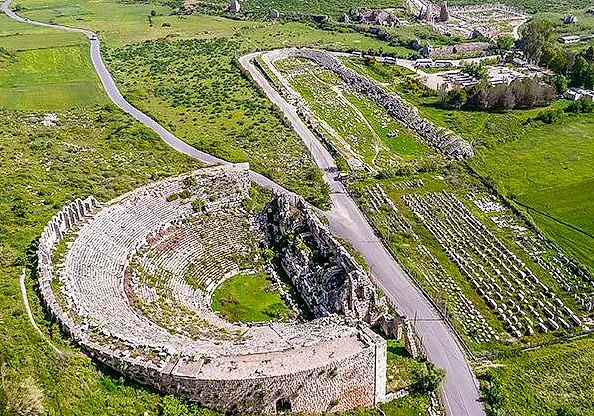
One of Turkey's best-preserved Roman cities, on a plain east of Antalya, with a Hellenistic gate, colonnaded streets, theatre and stadium.
Perge lies in the Aksu district, 17 kilometres east of Antalya. Pottery from the acropolis shows that the settlement goes back to the Early Bronze Age, and the city appears as Parha in Hittite texts. Excavation began in 1946 under Arif Müfid Mansel, continued in the 1970s under Jale İnan and in the 1990s under Haluk Abbasoğlu, and has been run by the Antalya Museum since 2012.
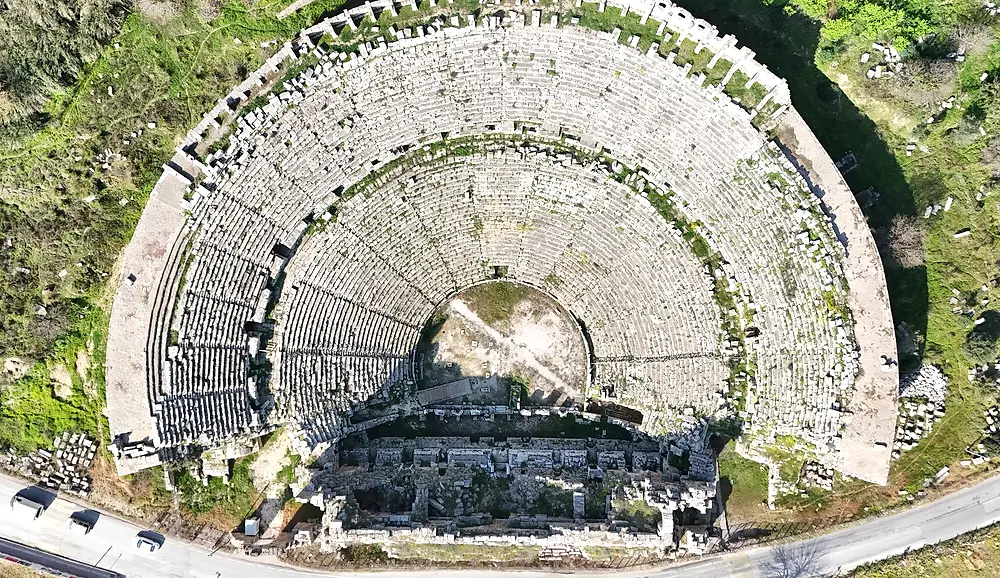
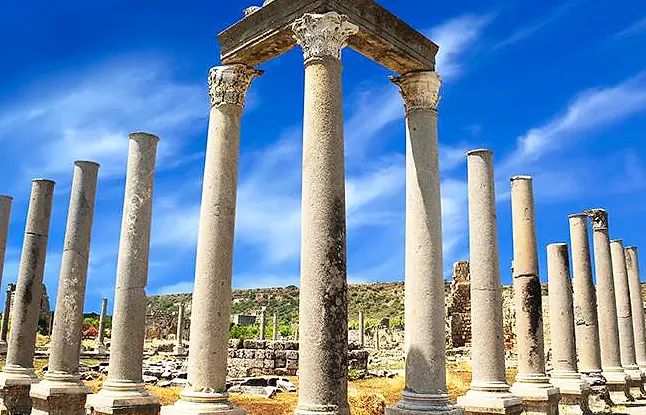
Its first great period was the Hellenistic era. Planned as a city in the 3rd century BC, it still has two imposing towers of the Hellenistic gate that you see first on entering. Its most glorious years came in the 2nd and 3rd centuries AD under Roman rule, and most of the standing buildings date from then. Perge was also one of the ancient world's great centres of sculpture, and the statues found here are shown in the Antalya Museum.
Perge is on Turkey's UNESCO Tentative List, both for the importance of its ruins and because it survives as one of the largest and best-preserved ancient settlements. Walking its long columned streets and looking out from the theatre and stadium gives a clear sense of a prosperous provincial Roman city.
According to the Ministry’s listing it opens at 08:00 and closes at 20:00 (last entry 19:30). Open every day.
No. This site sells no tickets. Topkapı Palace, the Basilica Cistern, Hagia Sophia and Dolmabahçe Palace are sold on our sister sites; for Perge Archaeological Site, buy at the ticket office or on the Ministry’s official e-ticket system.
Perge Archaeological Site is in Antalya, Türkiye — Barbaros Mahallesi Perge Caddesi Aksu / Antalya.
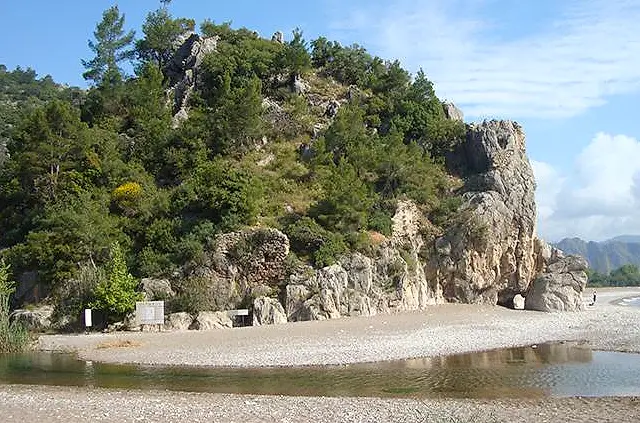
A Lycian coast city hidden in a wooded valley beside a beach, once a pirates' haven, with a theatre, a Byzantine church and the eternal flames of Chimaera nearby.
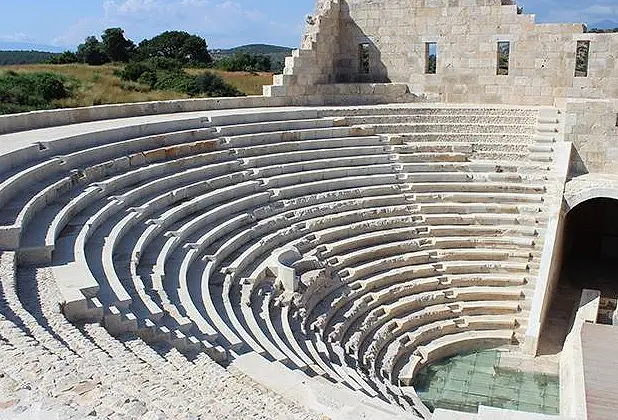
Capital of the Lycian League and birthplace of St. Nicholas, on a coast beside one of Turkey's longest beaches, with a lighthouse, a parliament house and an oracle tradition.
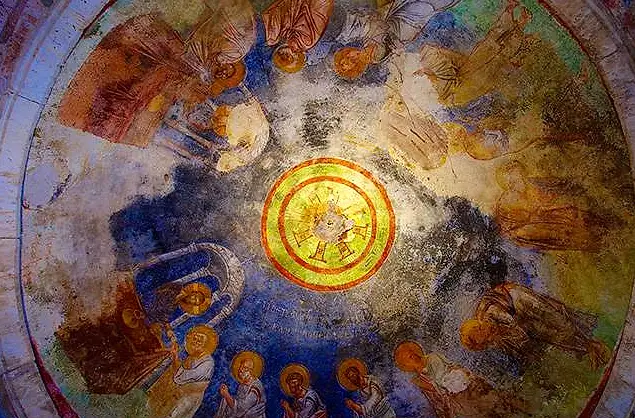
The church at Demre (ancient Myra) built over the tomb of St. Nicholas, the bishop who became the model for Santa Claus, with frescoes and an audio guide.
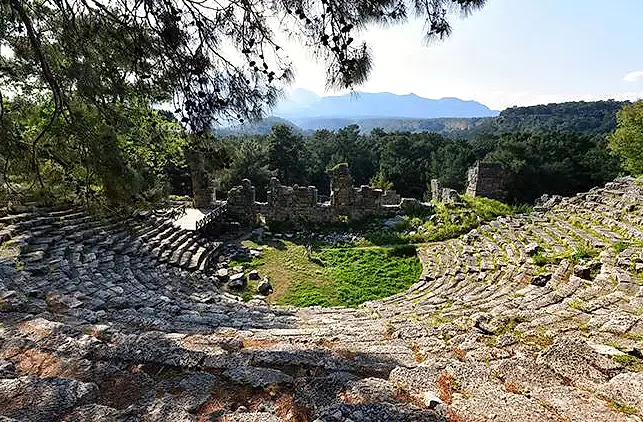
A trading city on a pine-covered peninsula with three harbours, visited by Emperor Hadrian and Alexander the Great, and known for its water-supply engineering.
Four Istanbul landmarks, each sold on its own site by the agency behind this guide — dated entry and free cancellation up to 24 hours.
The sultans’ palace on Sarayburnu: courtyards, the Imperial Council, the treasury and the terraces over the water. Dated entry, sold online on its own site.
Justinian’s great underground reservoir: 336 columns in still water and the two Medusa heads. Fast-track entry with a digital audio guide.
Justinian’s cathedral, the sultans’ mosque and a working mosque again today. The ticket admits you to the upper visitor gallery.
A nineteenth-century palace on the water’s edge: the Selamlık, the Ceremonial Hall under its chandelier, the crystal staircase and the Harem.


