
Topkapı Palace
The sultans’ palace on Sarayburnu: courtyards, the Imperial Council, the treasury and the terraces over the water. Dated entry, sold online on its own site.
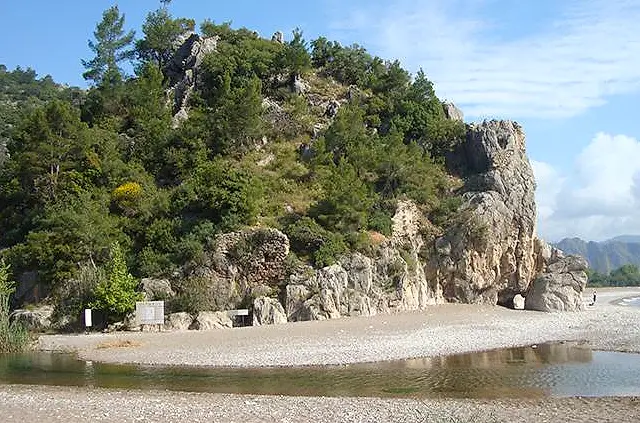
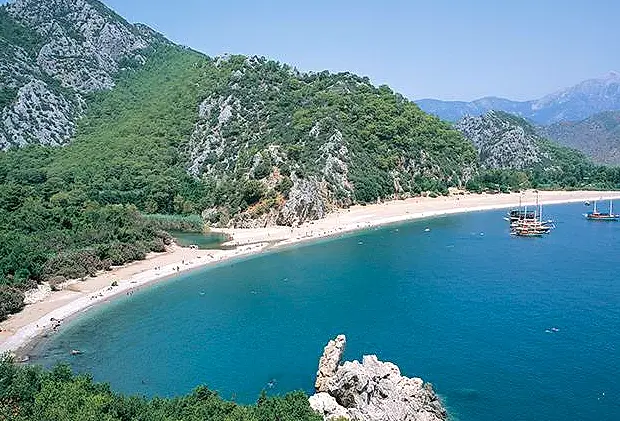
A Lycian coast city hidden in a wooded valley beside a beach, once a pirates' haven, with a theatre, a Byzantine church and the eternal flames of Chimaera nearby.
Olympos, whose name means high mountain, is often called the city of the eternal fire. The flames come from the Chimaera, known locally as Yanartaş, where natural gas seeping from the rock burns continuously. Because of them the city became a religious centre, famous for the cult of Hephaistos at nearby Çıralı.
Founded in the Hellenistic period, Olympos was one of the important members of the Lycian League and had three votes in its council. Its sheltered position later made it a haven for pirates, and it was used as a base by the pirate leader Zeniketes, until the Roman commander Servilius Isauricus took the city in 78 BC and made it Roman.
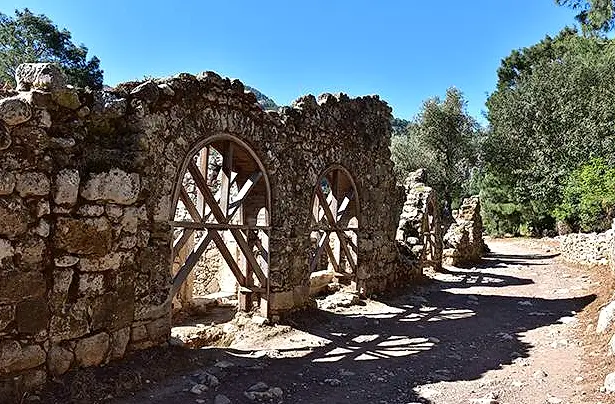
The ruins spread along both banks of a stream, linked by a bridge whose traces are still visible, and are half hidden by dense vegetation. Look for the theatre, the basilica and the bath building, the acropolis on the high hill above the tombs, and its medieval walls. One of the most interesting finds is the sarcophagus of Captain Eudomus, excavated by the Antalya Museum. The most important building is a Byzantine church with frescoes on parts of its inner walls.
According to the Ministry’s listing it opens at 08:00 and closes at 21:00 (last entry 20:30). Open every day.
No. This site sells no tickets. Topkapı Palace, the Basilica Cistern, Hagia Sophia and Dolmabahçe Palace are sold on our sister sites; for Olympos Archaeological Site, buy at the ticket office or on the Ministry’s official e-ticket system.
Olympos Archaeological Site is in Antalya, Türkiye — Yazır Mahallesi Olympos Örenyeri Mevkii Kumluca / Antalya.
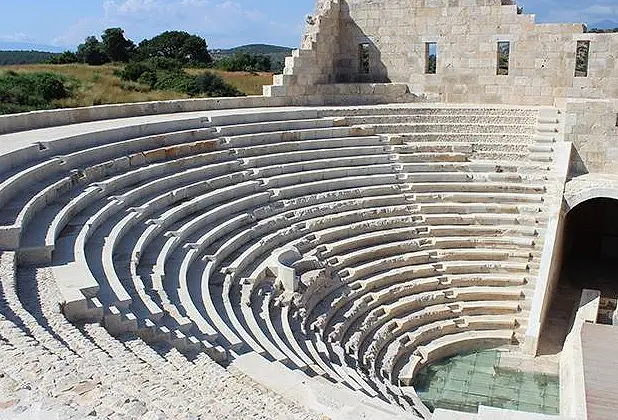
Capital of the Lycian League and birthplace of St. Nicholas, on a coast beside one of Turkey's longest beaches, with a lighthouse, a parliament house and an oracle tradition.
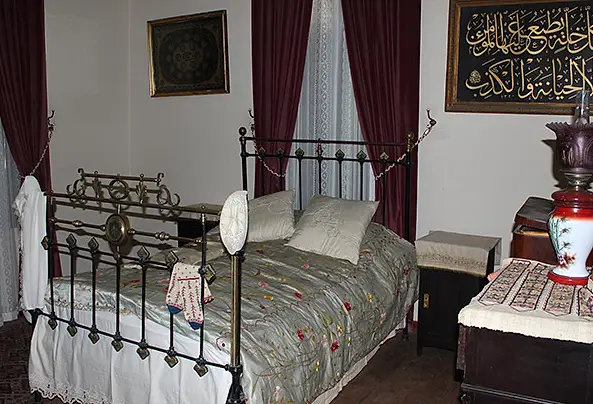
A three-storey traditional Alanya house that holds Atatürk's personal belongings and a telegram he wrote to the people of Alanya.
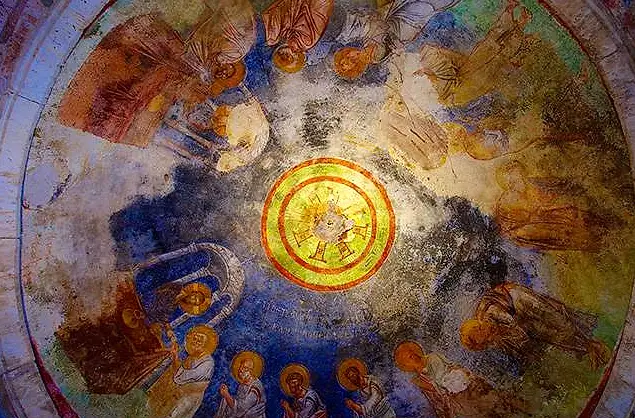
The church at Demre (ancient Myra) built over the tomb of St. Nicholas, the bishop who became the model for Santa Claus, with frescoes and an audio guide.
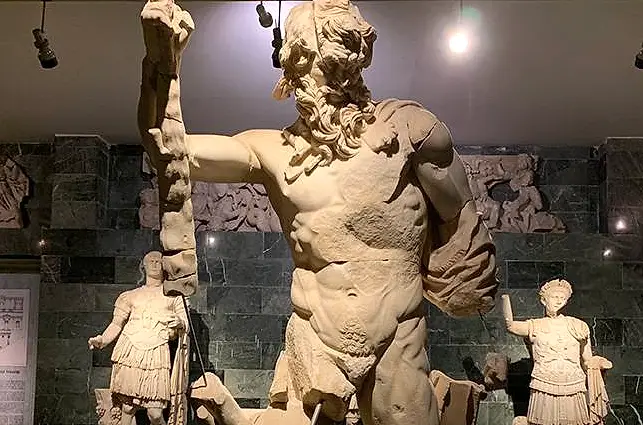
One of Türkiye's great regional museums, born to shelter antiquities during wartime: Perge's statues, Lycian, Pamphylian and Pisidian finds, and a park-like garden.
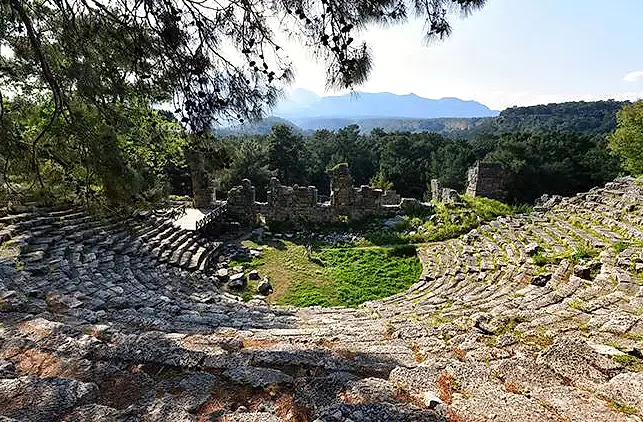
A trading city on a pine-covered peninsula with three harbours, visited by Emperor Hadrian and Alexander the Great, and known for its water-supply engineering.
Four Istanbul landmarks, each sold on its own site by the agency behind this guide — dated entry and free cancellation up to 24 hours.
The sultans’ palace on Sarayburnu: courtyards, the Imperial Council, the treasury and the terraces over the water. Dated entry, sold online on its own site.
Justinian’s great underground reservoir: 336 columns in still water and the two Medusa heads. Fast-track entry with a digital audio guide.
Justinian’s cathedral, the sultans’ mosque and a working mosque again today. The ticket admits you to the upper visitor gallery.
A nineteenth-century palace on the water’s edge: the Selamlık, the Ceremonial Hall under its chandelier, the crystal staircase and the Harem.


