
Topkapı Palace
The sultans’ palace on Sarayburnu: courtyards, the Imperial Council, the treasury and the terraces over the water. Dated entry, sold online on its own site.
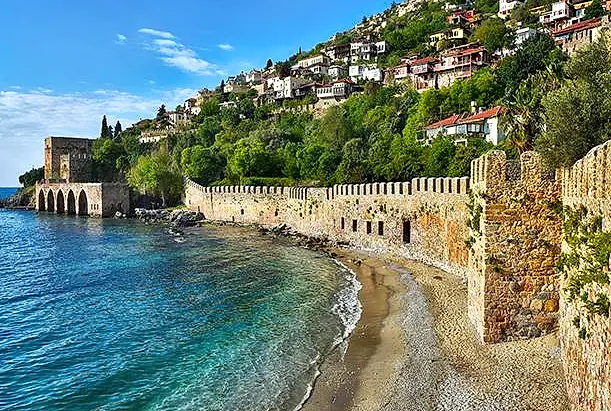
A rock-top fortress above the Mediterranean, once a pirate stronghold and Seljuk naval base, with 6.5 km of walls and 140 towers.
Alanya Castle sits on a steep rock that made it hard to reach and easy to defend, and it has been in use since the Hellenistic period. It has been home to Roman, Byzantine, Seljuk and Ottoman rulers, so its walls read like a summary of Anatolian history. According to the geographer Strabo, it was the first city one saw when entering Cilicia from the west.
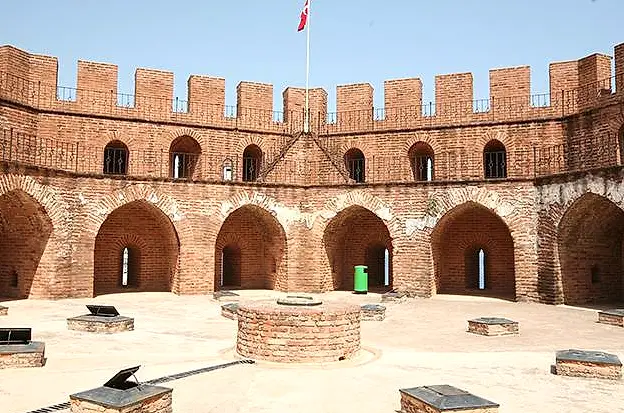
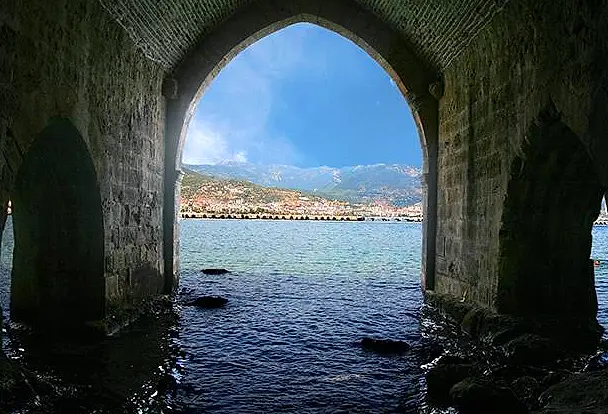
From the 2nd century BC its sheltered harbour and near-impregnable rock made it a pirate base, until Pompey won the Battle of Korakesion and the Romans took it. Under the Byzantines it was called Kalonoros, the Beautiful Mountain. In 1221 the Seljuk sultan Alaeddin Keykubad took the city, renamed it Alaiye and strengthened the walls. He also built the shipyard, the second Seljuk yard after Sinop, the octagonal Red Tower, the Tophane and the Inner Castle palace complex.
The Ottomans added the Süleymaniye Mosque, a bedesten, an arasta and traditional Alanya houses in the upper castle. The walls run for six and a half kilometres, with 140 towers and countless cisterns, some still in use. Look for the clover-plan Byzantine chapel and the openings once used to pour hot pitch on attackers.
According to the Ministry’s listing it opens at 08:00 and closes at 17:30 (last entry 17:00). Open every day.
No. This site sells no tickets. Topkapı Palace, the Basilica Cistern, Hagia Sophia and Dolmabahçe Palace are sold on our sister sites; for Alanya Castle, buy at the ticket office or on the Ministry’s official e-ticket system.
Alanya Castle is in Antalya, Türkiye — Hisariçi Mahallesi Kale Caddesi Fener Yolu Mevkii No:7 Alanya / Antalya.
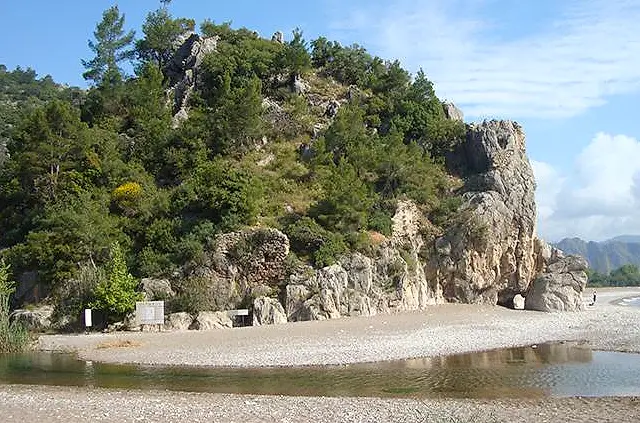
A Lycian coast city hidden in a wooded valley beside a beach, once a pirates' haven, with a theatre, a Byzantine church and the eternal flames of Chimaera nearby.
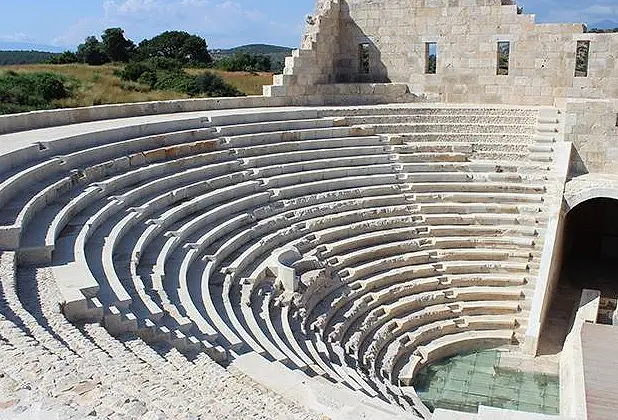
Capital of the Lycian League and birthplace of St. Nicholas, on a coast beside one of Turkey's longest beaches, with a lighthouse, a parliament house and an oracle tradition.
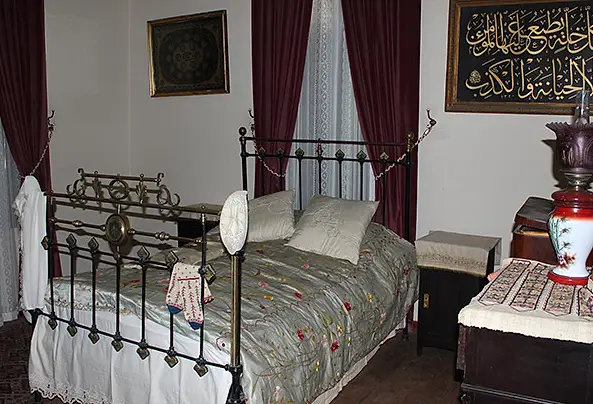
A three-storey traditional Alanya house that holds Atatürk's personal belongings and a telegram he wrote to the people of Alanya.
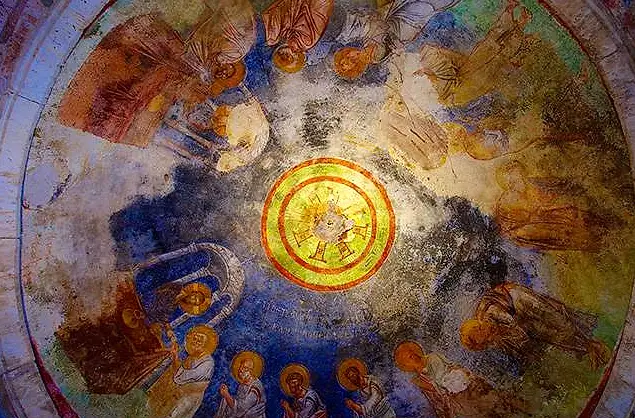
The church at Demre (ancient Myra) built over the tomb of St. Nicholas, the bishop who became the model for Santa Claus, with frescoes and an audio guide.
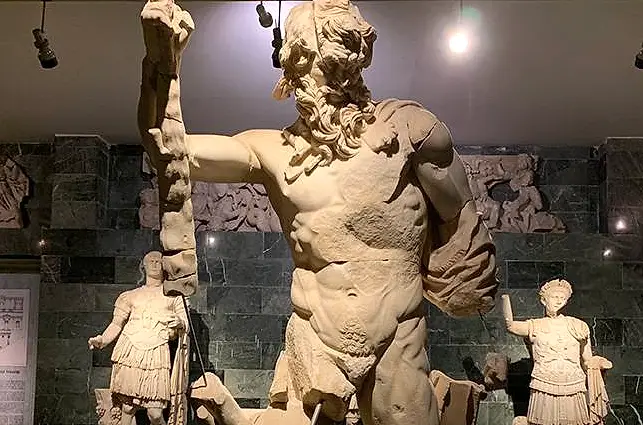
One of Türkiye's great regional museums, born to shelter antiquities during wartime: Perge's statues, Lycian, Pamphylian and Pisidian finds, and a park-like garden.
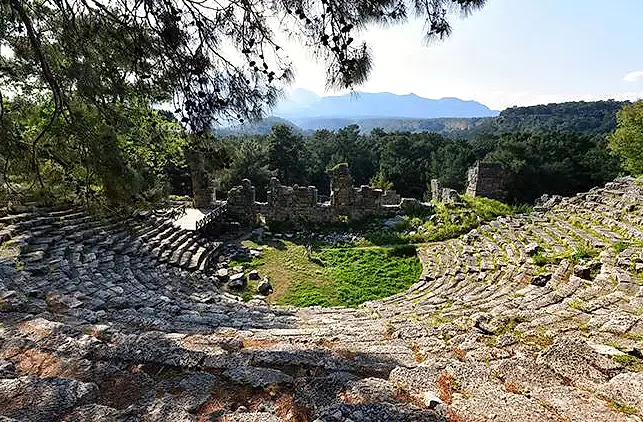
A trading city on a pine-covered peninsula with three harbours, visited by Emperor Hadrian and Alexander the Great, and known for its water-supply engineering.
Four Istanbul landmarks, each sold on its own site by the agency behind this guide — dated entry and free cancellation up to 24 hours.
The sultans’ palace on Sarayburnu: courtyards, the Imperial Council, the treasury and the terraces over the water. Dated entry, sold online on its own site.
Justinian’s great underground reservoir: 336 columns in still water and the two Medusa heads. Fast-track entry with a digital audio guide.
Justinian’s cathedral, the sultans’ mosque and a working mosque again today. The ticket admits you to the upper visitor gallery.
A nineteenth-century palace on the water’s edge: the Selamlık, the Ceremonial Hall under its chandelier, the crystal staircase and the Harem.


