
Topkapı Palace
The sultans’ palace on Sarayburnu: courtyards, the Imperial Council, the treasury and the terraces over the water. Dated entry, sold online on its own site.
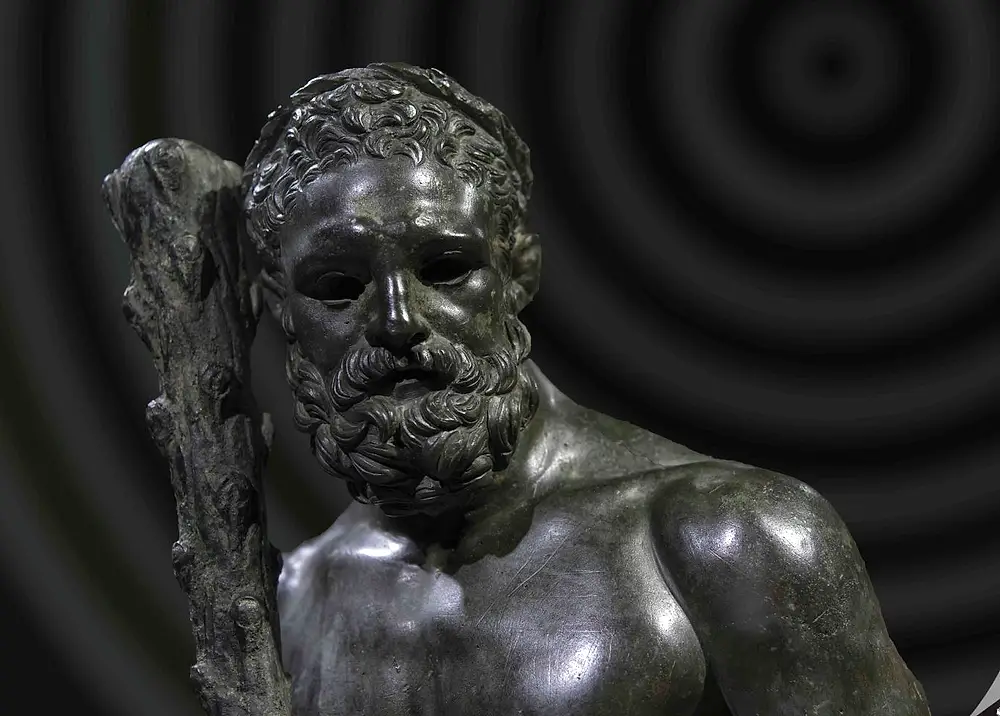
A museum renovated in 2012 with halls on maritime history, coins, Herakles and the castle, plus a garden of sarcophagi and inscriptions.
Alanya is one of the Mediterranean's great tourist towns, with blue-flag beaches and a history that goes back to at least the 4th century BC. Its harbour and strategic position drew many civilizations, and the museum in the town gathers many of the objects that shed light on that layered past.
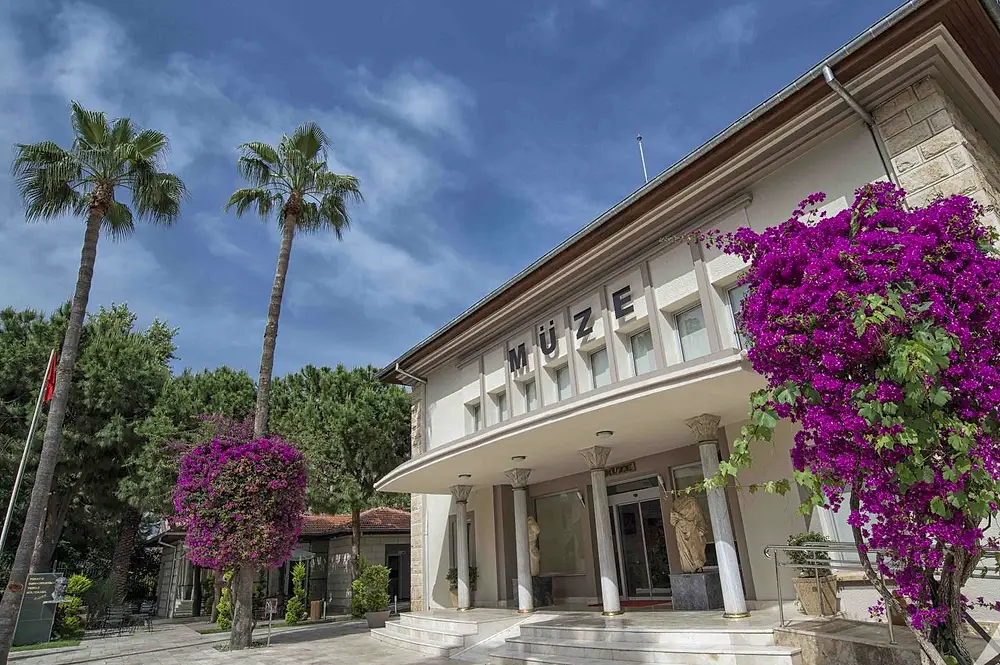
The building dates from 1967 and was redesigned after renovation works finished in 2012, with a display meant to reflect the history of Alanya and its surroundings. The halls are grouped under headings: Anatolian civilizations, a shipping and maritime section, the Herakles Hall, the Alanya Castle section and a coin section.
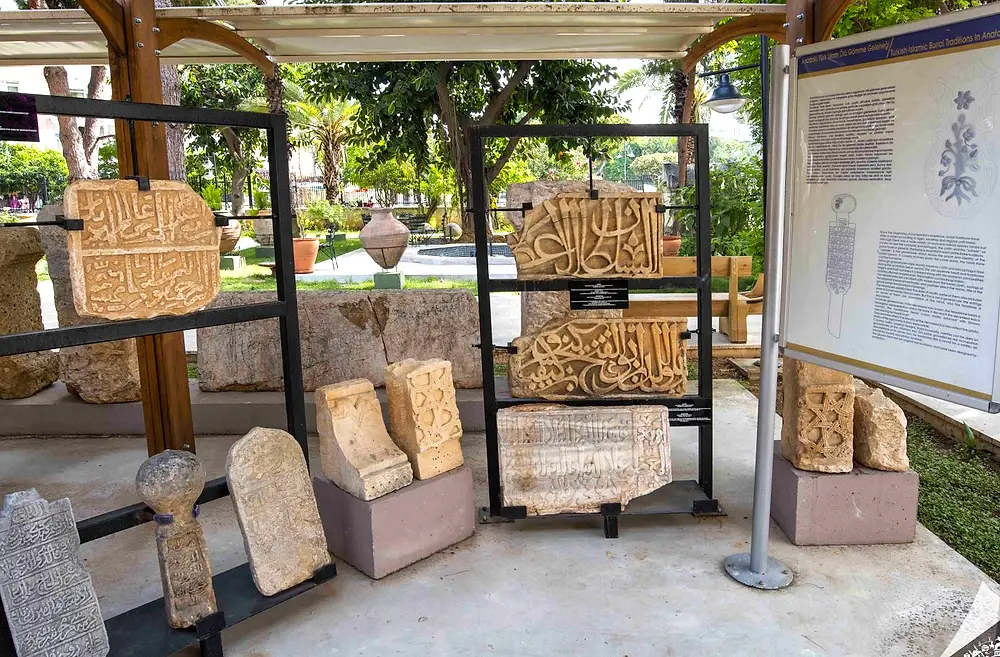
In the main hall, showcases follow themes such as mythology, trade, and sport and health, and hold figurines, glass and jewellery. The star piece is a bronze statue of Herakles cast in the 2nd century AD. Outdoors, the garden displays ossuaries, inscriptions and sarcophagi from various periods. It works well as a primer before visiting the castle.
According to the Ministry’s listing it opens at 08:30 and closes at 18:45. Open every day.
No. This site sells no tickets. Topkapı Palace, the Basilica Cistern, Hagia Sophia and Dolmabahçe Palace are sold on our sister sites; for Alanya Museum, buy at the ticket office or on the Ministry’s official e-ticket system.
Alanya Museum is in Antalya, Türkiye — Saray mahallesi,İ. Hilmi Balcı Sok,No 2.
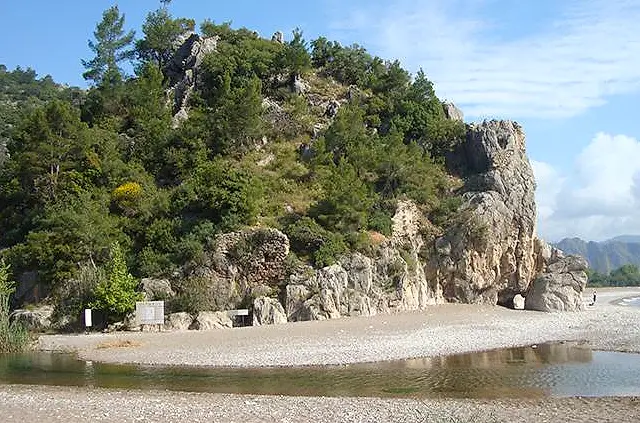
A Lycian coast city hidden in a wooded valley beside a beach, once a pirates' haven, with a theatre, a Byzantine church and the eternal flames of Chimaera nearby.
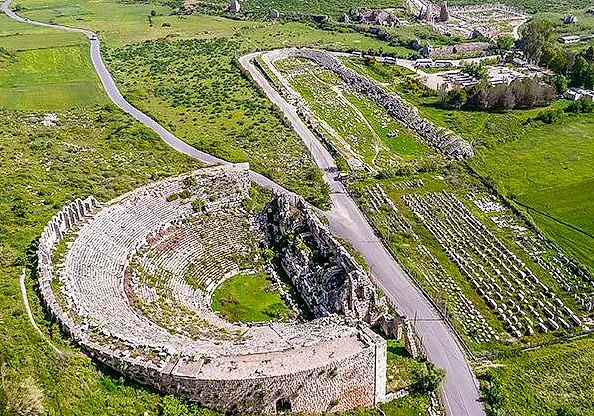
One of Turkey's best-preserved Roman cities, on a plain east of Antalya, with a Hellenistic gate, colonnaded streets, theatre and stadium.
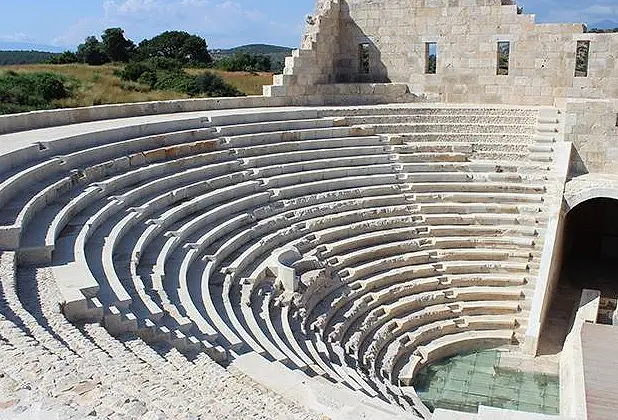
Capital of the Lycian League and birthplace of St. Nicholas, on a coast beside one of Turkey's longest beaches, with a lighthouse, a parliament house and an oracle tradition.
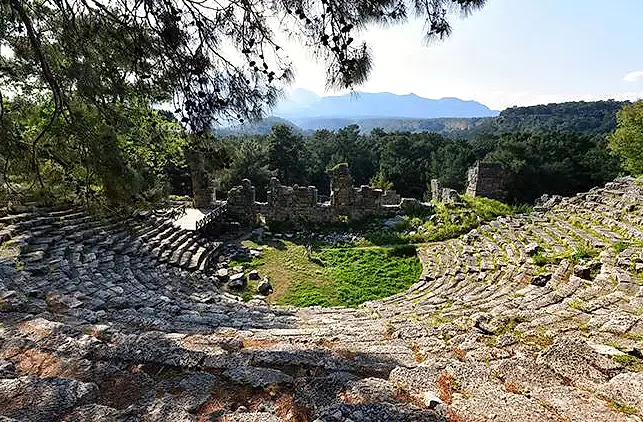
A trading city on a pine-covered peninsula with three harbours, visited by Emperor Hadrian and Alexander the Great, and known for its water-supply engineering.
Four Istanbul landmarks, each sold on its own site by the agency behind this guide — dated entry and free cancellation up to 24 hours.
The sultans’ palace on Sarayburnu: courtyards, the Imperial Council, the treasury and the terraces over the water. Dated entry, sold online on its own site.
Justinian’s great underground reservoir: 336 columns in still water and the two Medusa heads. Fast-track entry with a digital audio guide.
Justinian’s cathedral, the sultans’ mosque and a working mosque again today. The ticket admits you to the upper visitor gallery.
A nineteenth-century palace on the water’s edge: the Selamlık, the Ceremonial Hall under its chandelier, the crystal staircase and the Harem.


