
Topkapı Palace
The sultans’ palace on Sarayburnu: courtyards, the Imperial Council, the treasury and the terraces over the water. Dated entry, sold online on its own site.
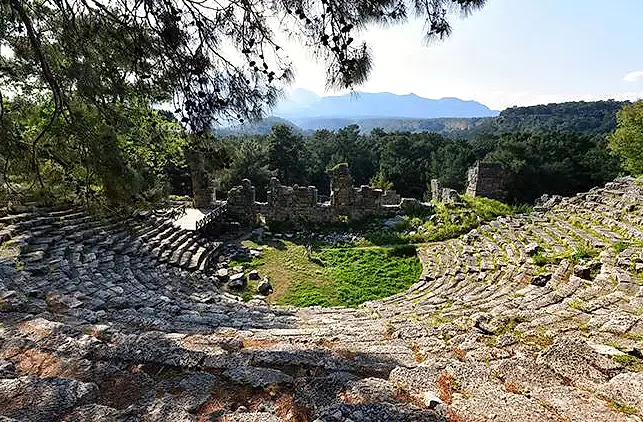
A trading city on a pine-covered peninsula with three harbours, visited by Emperor Hadrian and Alexander the Great, and known for its water-supply engineering.
Phaselis sits on a small peninsula that reaches into the Mediterranean, shaded by pines. It was founded as a colony of Rhodes around 690 BC and grew rich from sea trade, which is why its coins carry ships. Its three harbours, the North, the Central, also called the War Harbour, and the South, set it apart from its neighbours and made it for a long time the busiest port in eastern Lycia.
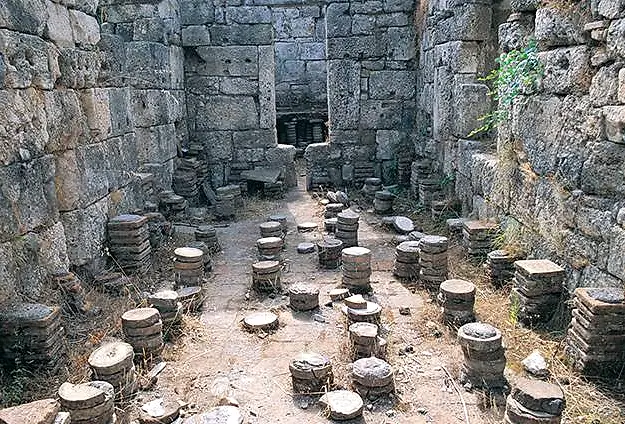
Because of its strategic value the city changed hands often. It was ruled by the Persians before opening its gates to Alexander the Great, who stayed a month and was welcomed with a golden crown. It later joined the Lycian League, suffered with neighbouring Olympos from pirate raids, and passed under Roman control in 43 BC. Emperor Hadrian visited in AD 129, and the city then enjoyed about three centuries of prosperity, backed by an advanced water distribution system with sewage and drainage.
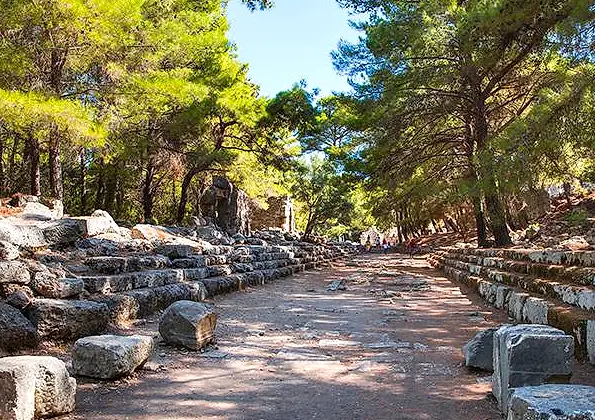
In the Byzantine era Phaselis became a bishopric. It gradually lost importance and was abandoned in the early 13th century. Today the appeal is the mix of ruins and coast: paths lead between ancient streets and buildings to quiet bays where the ruins meet the sea.
According to the Ministry’s listing it opens at 08:00 and closes at 20:00 (last entry 19:30). Open every day.
No. This site sells no tickets. Topkapı Palace, the Basilica Cistern, Hagia Sophia and Dolmabahçe Palace are sold on our sister sites; for Phaselis Archaeological Site, buy at the ticket office or on the Ministry’s official e-ticket system.
Phaselis Archaeological Site is in Antalya, Türkiye — Tekirova Mahallesi 8011 Sokak No:1 Kemer / Antalya.
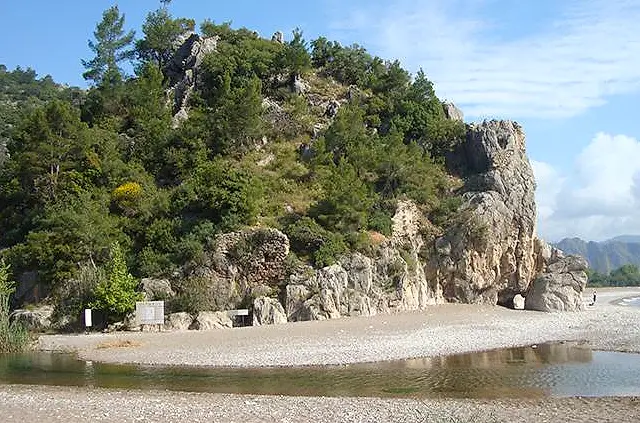
A Lycian coast city hidden in a wooded valley beside a beach, once a pirates' haven, with a theatre, a Byzantine church and the eternal flames of Chimaera nearby.
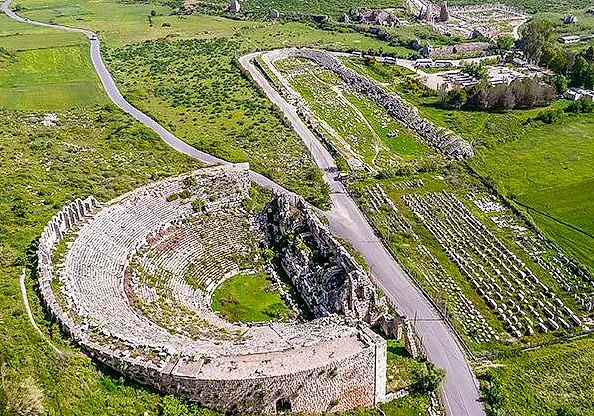
One of Turkey's best-preserved Roman cities, on a plain east of Antalya, with a Hellenistic gate, colonnaded streets, theatre and stadium.
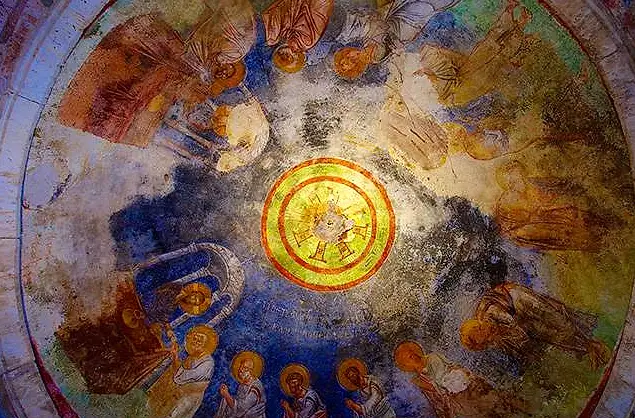
The church at Demre (ancient Myra) built over the tomb of St. Nicholas, the bishop who became the model for Santa Claus, with frescoes and an audio guide.
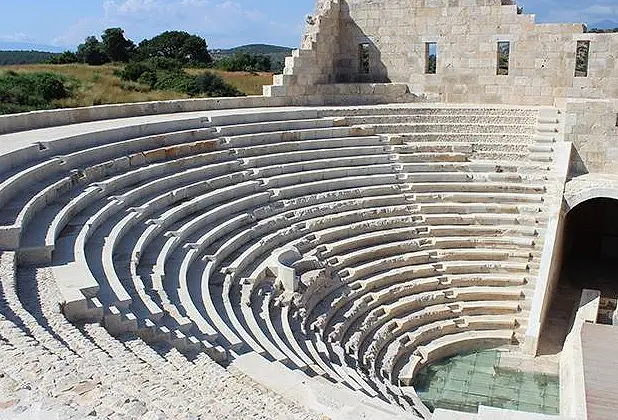
Capital of the Lycian League and birthplace of St. Nicholas, on a coast beside one of Turkey's longest beaches, with a lighthouse, a parliament house and an oracle tradition.
Four Istanbul landmarks, each sold on its own site by the agency behind this guide — dated entry and free cancellation up to 24 hours.
The sultans’ palace on Sarayburnu: courtyards, the Imperial Council, the treasury and the terraces over the water. Dated entry, sold online on its own site.
Justinian’s great underground reservoir: 336 columns in still water and the two Medusa heads. Fast-track entry with a digital audio guide.
Justinian’s cathedral, the sultans’ mosque and a working mosque again today. The ticket admits you to the upper visitor gallery.
A nineteenth-century palace on the water’s edge: the Selamlık, the Ceremonial Hall under its chandelier, the crystal staircase and the Harem.


