
Topkapı Palace
The sultans’ palace on Sarayburnu: courtyards, the Imperial Council, the treasury and the terraces over the water. Dated entry, sold online on its own site.
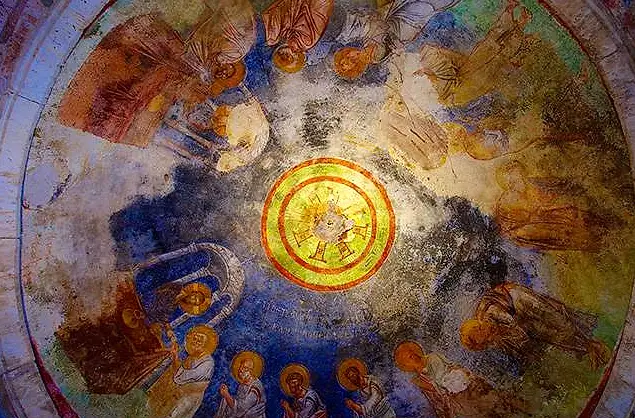
The church at Demre (ancient Myra) built over the tomb of St. Nicholas, the bishop who became the model for Santa Claus, with frescoes and an audio guide.
St. Nicholas, known to many as Santa Claus, was born around AD 300 in Patara, one of the important port cities of the period, the son of a wealthy wheat merchant. He became bishop of Myra, in what is now Demre, and is believed to have died there on 6 December 365, aged 65. Venerated as a protector of children and sailors, he is remembered as the saint of miracles.
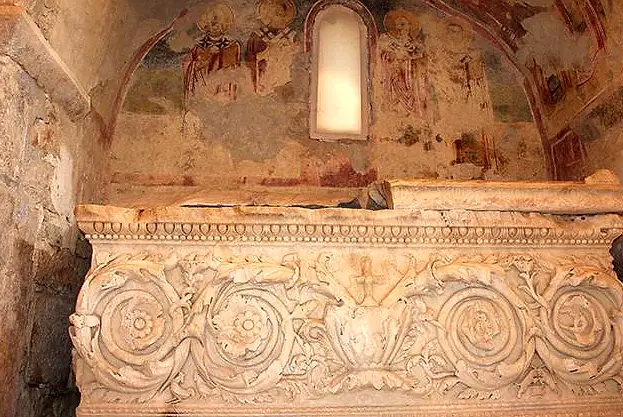
The church built in his honour over his tomb is where he is believed to have been laid to rest. In the Middle Ages, merchants from Bari in Italy took his bones from the tomb and carried them to their city, where they were placed in a basilica built in his name.
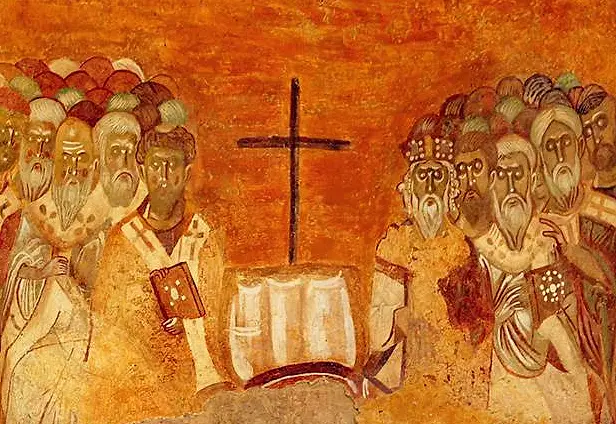
Scenes of his miracles are painted on the church walls, and the building stands as one of the most important Christian monuments on the Lycian coast.
According to the Ministry’s listing it opens at 08:30 and closes at 20:00 (last entry 19:30). Open every day.
No. This site sells no tickets. Topkapı Palace, the Basilica Cistern, Hagia Sophia and Dolmabahçe Palace are sold on our sister sites; for St. Nicholas Monument Museum, buy at the ticket office or on the Ministry’s official e-ticket system.
St. Nicholas Monument Museum is in Antalya, Türkiye — Gökyazı Mahallesi Müze Caddesi Demre / Antalya.
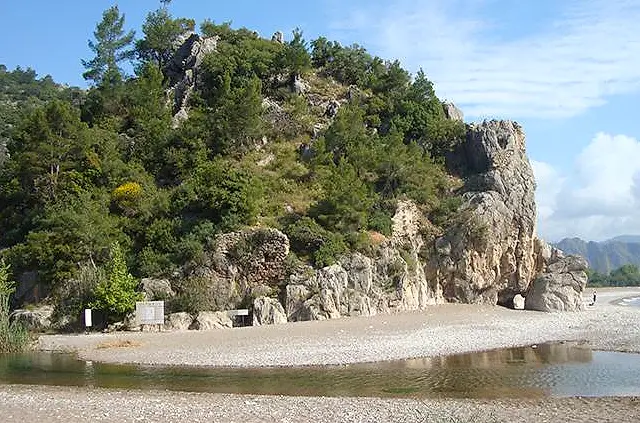
A Lycian coast city hidden in a wooded valley beside a beach, once a pirates' haven, with a theatre, a Byzantine church and the eternal flames of Chimaera nearby.
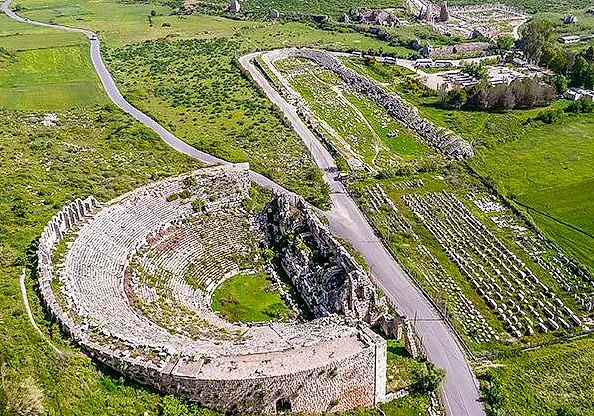
One of Turkey's best-preserved Roman cities, on a plain east of Antalya, with a Hellenistic gate, colonnaded streets, theatre and stadium.
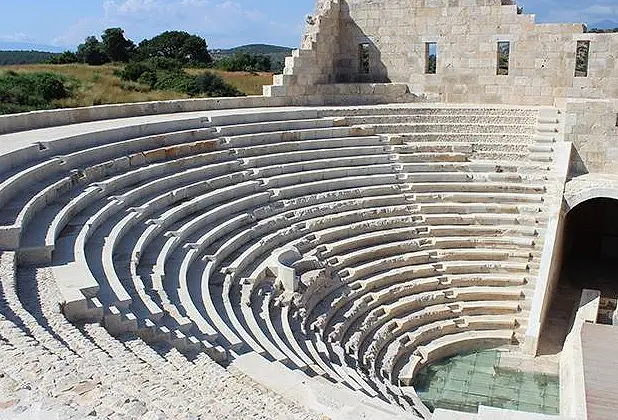
Capital of the Lycian League and birthplace of St. Nicholas, on a coast beside one of Turkey's longest beaches, with a lighthouse, a parliament house and an oracle tradition.
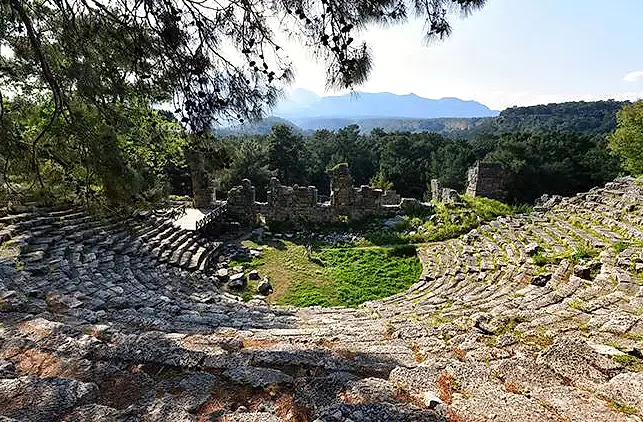
A trading city on a pine-covered peninsula with three harbours, visited by Emperor Hadrian and Alexander the Great, and known for its water-supply engineering.
Four Istanbul landmarks, each sold on its own site by the agency behind this guide — dated entry and free cancellation up to 24 hours.
The sultans’ palace on Sarayburnu: courtyards, the Imperial Council, the treasury and the terraces over the water. Dated entry, sold online on its own site.
Justinian’s great underground reservoir: 336 columns in still water and the two Medusa heads. Fast-track entry with a digital audio guide.
Justinian’s cathedral, the sultans’ mosque and a working mosque again today. The ticket admits you to the upper visitor gallery.
A nineteenth-century palace on the water’s edge: the Selamlık, the Ceremonial Hall under its chandelier, the crystal staircase and the Harem.


