
Topkapı Palace
The sultans’ palace on Sarayburnu: courtyards, the Imperial Council, the treasury and the terraces over the water. Dated entry, sold online on its own site.
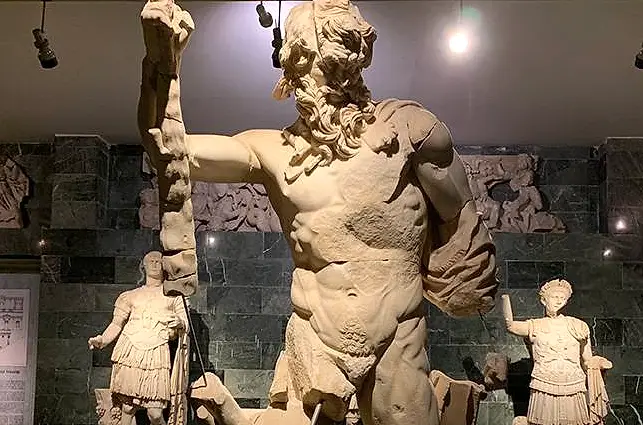
One of Türkiye's great regional museums, born to shelter antiquities during wartime: Perge's statues, Lycian, Pamphylian and Pisidian finds, and a park-like garden.
On September 30, 2026 the Ministry’s listing showed this museum as closed to visitors. Check the official page before planning a visit.
Antalya Museum was created to keep antiquities away from occupying forces during the First World War. The teacher Süleyman Fikri Erten, its founder, had himself appointed honorary antiquities officer in 1919 and began by collecting the finds in the town centre. The museum opened in 1922 in the Alaaddin Mosque in Kaleiçi and moved to its present building in 1972. In 1988 it won the Council of Europe Museum of the Year award.
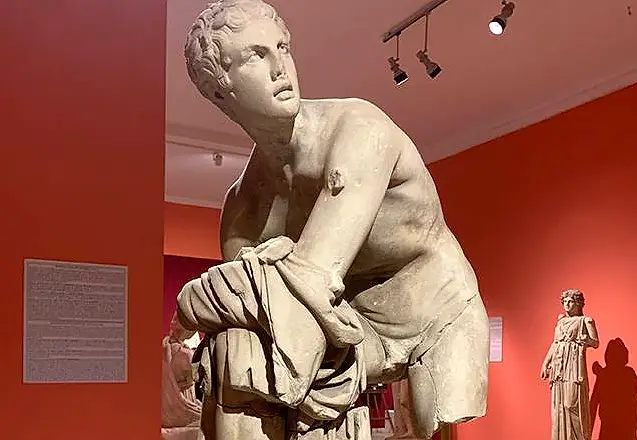
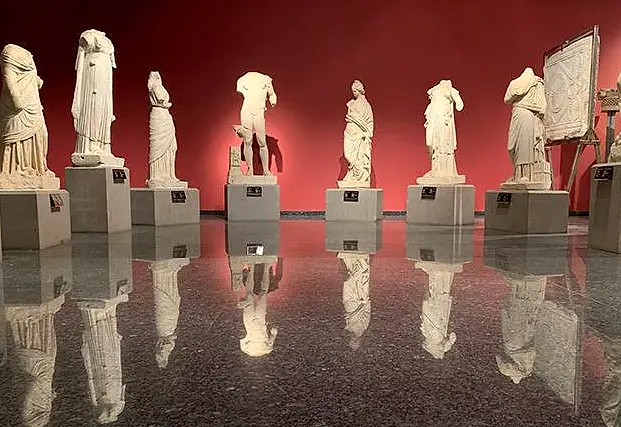
The site covers about 30,000 square metres, with 14 exhibition halls, a children's section, open-air galleries and a garden. The collection is dedicated to the three ancient cultures of the Antalya region, Lycia, Pamphylia and Pisidia, and spans the Lower Palaeolithic to the Roman period. The statues from Perge are the stars.
You will also find a natural history and prehistory collection, statues of gods and emperors, objects from burial cults, coins, mosaics and icons, and a large ethnography section that focuses on Ottoman culture. Much of the museum's material comes from excavations in the surrounding area.
According to the Ministry’s listing it opens at 00:00 and closes at 00:00.
No. This site sells no tickets. Topkapı Palace, the Basilica Cistern, Hagia Sophia and Dolmabahçe Palace are sold on our sister sites; for Antalya Museum, buy at the ticket office or on the Ministry’s official e-ticket system.
Antalya Museum is in Antalya, Türkiye — Bahçelievler Mahallesi Konyaaltı Caddesi No 88 Muratpaşa /Antalya.
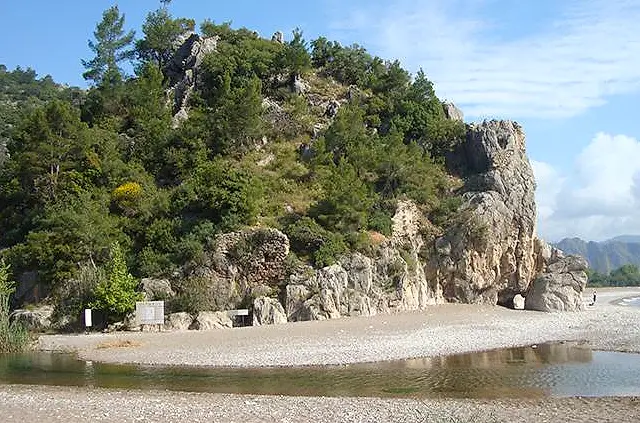
A Lycian coast city hidden in a wooded valley beside a beach, once a pirates' haven, with a theatre, a Byzantine church and the eternal flames of Chimaera nearby.
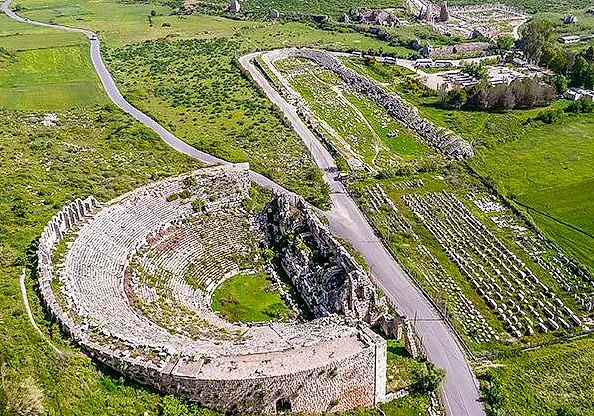
One of Turkey's best-preserved Roman cities, on a plain east of Antalya, with a Hellenistic gate, colonnaded streets, theatre and stadium.
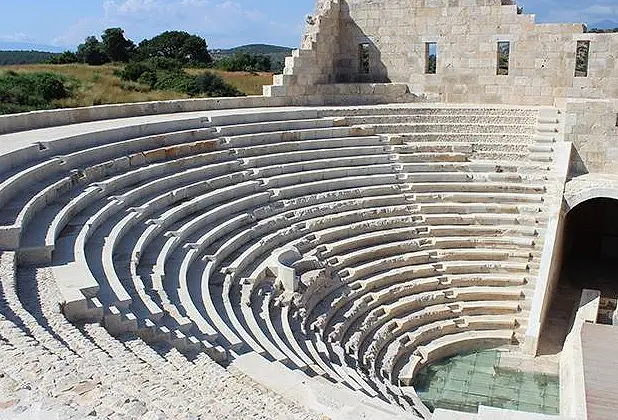
Capital of the Lycian League and birthplace of St. Nicholas, on a coast beside one of Turkey's longest beaches, with a lighthouse, a parliament house and an oracle tradition.
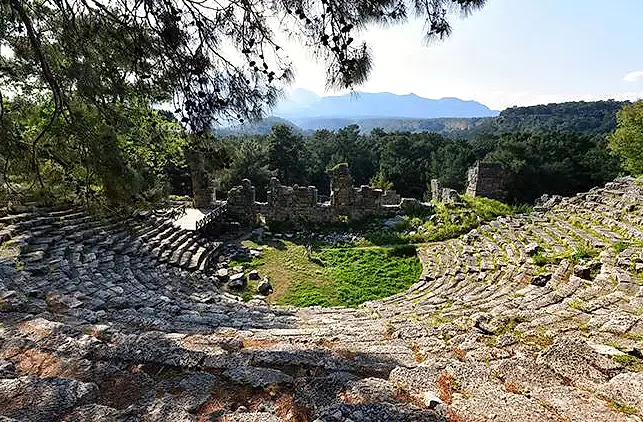
A trading city on a pine-covered peninsula with three harbours, visited by Emperor Hadrian and Alexander the Great, and known for its water-supply engineering.
Four Istanbul landmarks, each sold on its own site by the agency behind this guide — dated entry and free cancellation up to 24 hours.
The sultans’ palace on Sarayburnu: courtyards, the Imperial Council, the treasury and the terraces over the water. Dated entry, sold online on its own site.
Justinian’s great underground reservoir: 336 columns in still water and the two Medusa heads. Fast-track entry with a digital audio guide.
Justinian’s cathedral, the sultans’ mosque and a working mosque again today. The ticket admits you to the upper visitor gallery.
A nineteenth-century palace on the water’s edge: the Selamlık, the Ceremonial Hall under its chandelier, the crystal staircase and the Harem.


