
Topkapı Palace
The sultans’ palace on Sarayburnu: courtyards, the Imperial Council, the treasury and the terraces over the water. Dated entry, sold online on its own site.
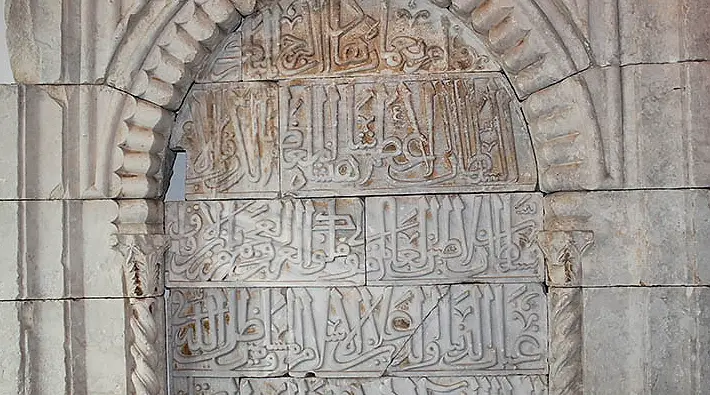
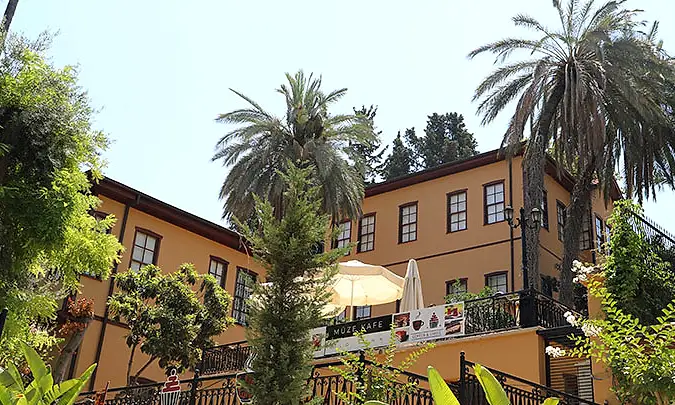
Two Ottoman mansions in Kaleiçi hold Turkish-Islamic works and lifelike scenes of everyday Antalya life in Ottoman times.
Antalya combines natural beauty with one of Turkey's densest layers of history. Lycian, Roman and Byzantine cities line the Mediterranean coast, but the town itself has been continuously inhabited and kept its importance under the Seljuks and Ottomans. To understand that later story, its social life, customs and traditions, this museum in Kaleiçi is the place to start.
The museum was created by converting two historic Ottoman mansions, known by their positions as the Lower and Upper Mansions. Each holds different collections. The Lower Mansion houses Turkish-Islamic works, and its ground floor shows finds from excavations in Kaleiçi alongside tile fragments brought from the theatre at Aspendos, one of Turkey's best-known ancient buildings.
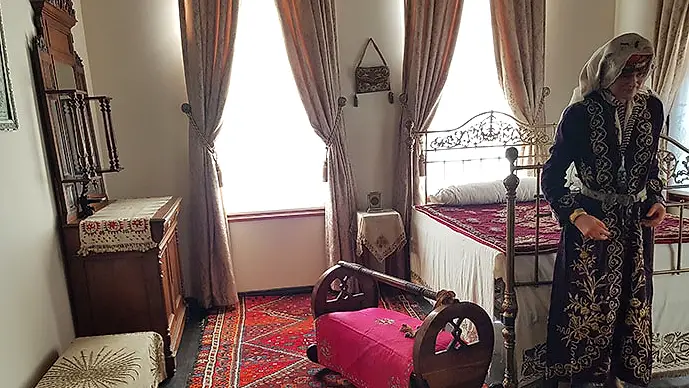
Those tiles date from the Seljuk period, when the theatre was used as a palace. The Upper Mansion turns to daily life in Ottoman Antalya, using scenes with mannequins and objects to show how people lived, dressed and worked. Together the two buildings give a warm, human-scale look at the city that ancient sites cannot.
According to the Ministry’s listing it opens at 08:30 and closes at 20:00 (last entry 19:30). Open every day.
No. This site sells no tickets. Topkapı Palace, the Basilica Cistern, Hagia Sophia and Dolmabahçe Palace are sold on our sister sites; for Antalya Ethnography Museum, buy at the ticket office or on the Ministry’s official e-ticket system.
Antalya Ethnography Museum is in Antalya, Türkiye — Kılınçarslan Mahallesi, Mermerli Banyo Sokak, No:17.
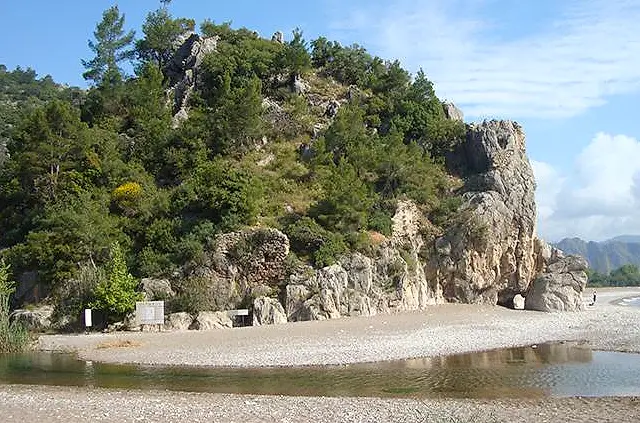
A Lycian coast city hidden in a wooded valley beside a beach, once a pirates' haven, with a theatre, a Byzantine church and the eternal flames of Chimaera nearby.
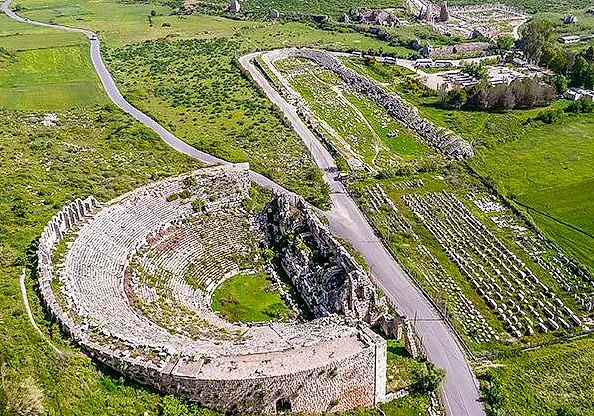
One of Turkey's best-preserved Roman cities, on a plain east of Antalya, with a Hellenistic gate, colonnaded streets, theatre and stadium.
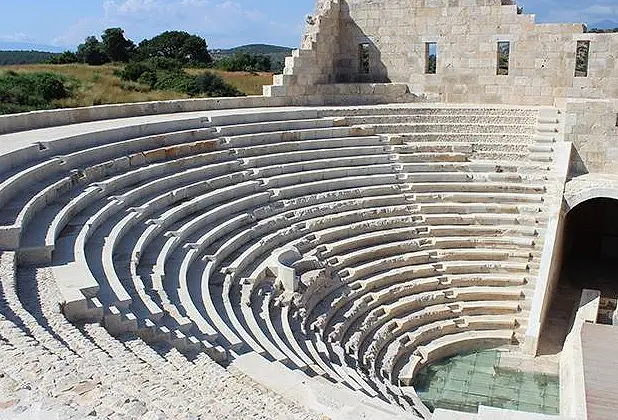
Capital of the Lycian League and birthplace of St. Nicholas, on a coast beside one of Turkey's longest beaches, with a lighthouse, a parliament house and an oracle tradition.
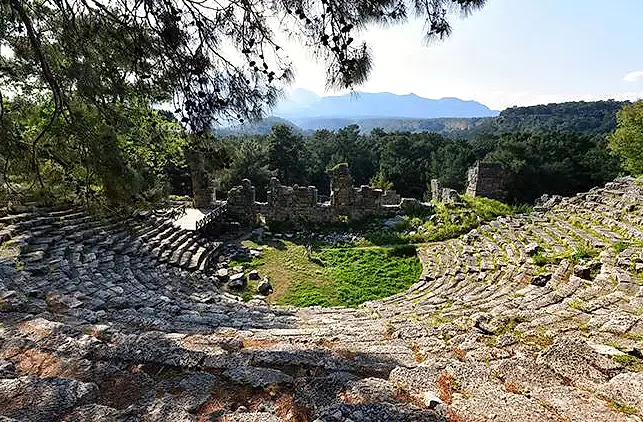
A trading city on a pine-covered peninsula with three harbours, visited by Emperor Hadrian and Alexander the Great, and known for its water-supply engineering.
Four Istanbul landmarks, each sold on its own site by the agency behind this guide — dated entry and free cancellation up to 24 hours.
The sultans’ palace on Sarayburnu: courtyards, the Imperial Council, the treasury and the terraces over the water. Dated entry, sold online on its own site.
Justinian’s great underground reservoir: 336 columns in still water and the two Medusa heads. Fast-track entry with a digital audio guide.
Justinian’s cathedral, the sultans’ mosque and a working mosque again today. The ticket admits you to the upper visitor gallery.
A nineteenth-century palace on the water’s edge: the Selamlık, the Ceremonial Hall under its chandelier, the crystal staircase and the Harem.


