
Topkapı Palace
The sultans’ palace on Sarayburnu: courtyards, the Imperial Council, the treasury and the terraces over the water. Dated entry, sold online on its own site.
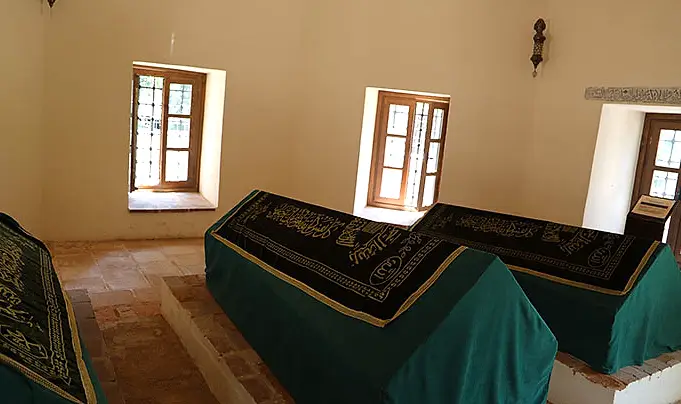
A Seljuk-era Mevlevi lodge in Antalya's Kaleiçi, with a hamam and two tombs, telling the story of the whirling dervish tradition.
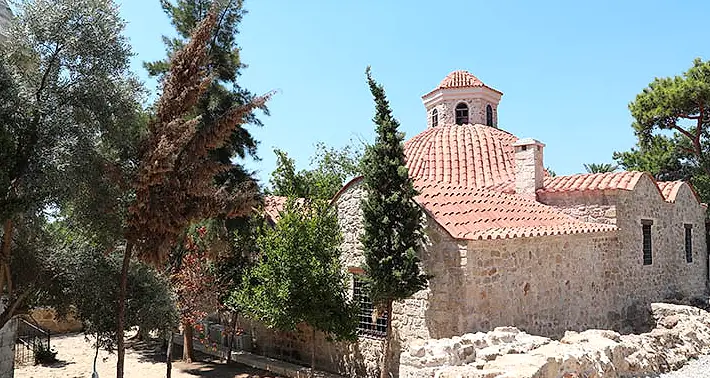
The Mevlevihane Museum stands in Kaleiçi, one of the most visited corners of Antalya. The lodge building belongs to the Seljuk period. It carries no inscription, but it is thought to have been built by Sultan Alaeddin Keykubad I in 1255 and to have been used as a Mevlevi lodge from the 16th century.
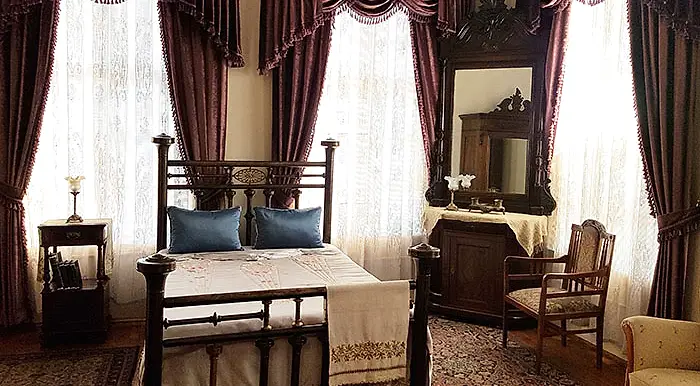
The complex includes the lodge itself, a hamam, and the tombs of Zincirkıran Mehmet Bey and Nigar Hatun. Displays cover the Mevlevi order through information panels, scenes, costumes and objects. The lodge has a domed main hall where sema ceremonies were performed, with six rooms beside it that the dervishes used.
The hamam is thought to have been built in the 13th century as a private bath called the Saray Hamamı, then used in Ottoman times as the Mevlevihane bath. Nigar Hatun, buried in one of the tombs, was the mother of Prince Korkut, a son of Beyazıt II. The other tomb was built in 1377 by Mehmet Bey, nicknamed Zincirkıran, the Chain Breaker, for capturing Antalya by breaking the harbour chains. The museum also hosts talks on Islamic philosophy, readings from the Masnavi, Sufi music and sema ceremonies.
According to the Ministry’s listing it opens at 08:30 and closes at 20:00 (last entry 19:30). Open every day.
No. This site sells no tickets. Topkapı Palace, the Basilica Cistern, Hagia Sophia and Dolmabahçe Palace are sold on our sister sites; for Mevlevihane Museum, buy at the ticket office or on the Ministry’s official e-ticket system.
Mevlevihane Museum is in Antalya, Türkiye — Yivli Minare Külliyesi.
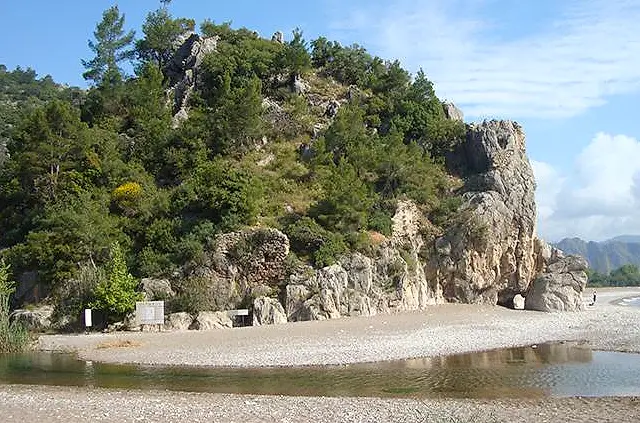
A Lycian coast city hidden in a wooded valley beside a beach, once a pirates' haven, with a theatre, a Byzantine church and the eternal flames of Chimaera nearby.
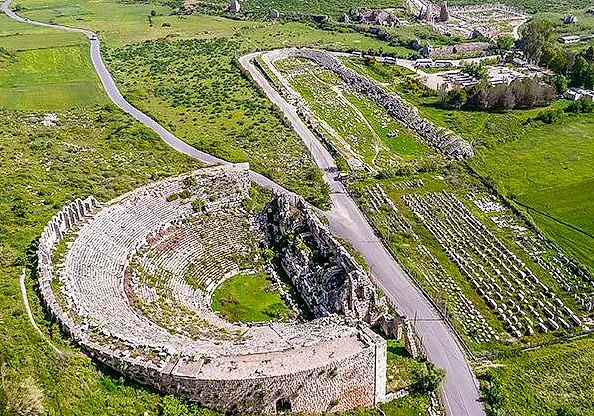
One of Turkey's best-preserved Roman cities, on a plain east of Antalya, with a Hellenistic gate, colonnaded streets, theatre and stadium.
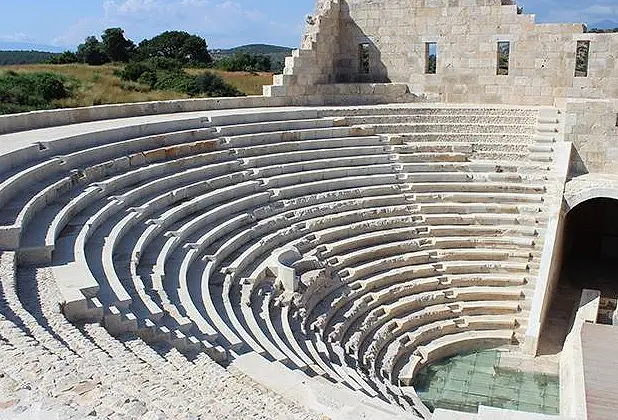
Capital of the Lycian League and birthplace of St. Nicholas, on a coast beside one of Turkey's longest beaches, with a lighthouse, a parliament house and an oracle tradition.
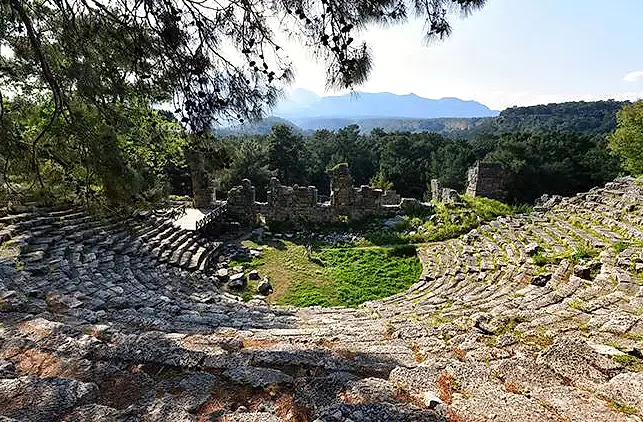
A trading city on a pine-covered peninsula with three harbours, visited by Emperor Hadrian and Alexander the Great, and known for its water-supply engineering.
Four Istanbul landmarks, each sold on its own site by the agency behind this guide — dated entry and free cancellation up to 24 hours.
The sultans’ palace on Sarayburnu: courtyards, the Imperial Council, the treasury and the terraces over the water. Dated entry, sold online on its own site.
Justinian’s great underground reservoir: 336 columns in still water and the two Medusa heads. Fast-track entry with a digital audio guide.
Justinian’s cathedral, the sultans’ mosque and a working mosque again today. The ticket admits you to the upper visitor gallery.
A nineteenth-century palace on the water’s edge: the Selamlık, the Ceremonial Hall under its chandelier, the crystal staircase and the Harem.


