
Topkapı Palace
The sultans’ palace on Sarayburnu: courtyards, the Imperial Council, the treasury and the terraces over the water. Dated entry, sold online on its own site.
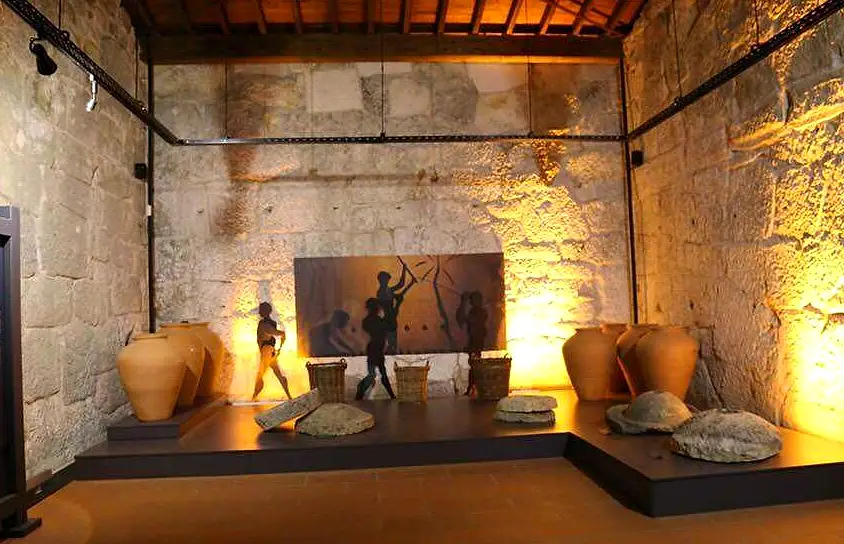
The harbour of ancient Myra near Demre, with a granary turned museum, purple-dye workshops and remains of a Lycian trading port.
On September 30, 2026 the Ministry’s listing showed this museum as closed to visitors. Check the official page before planning a visit.
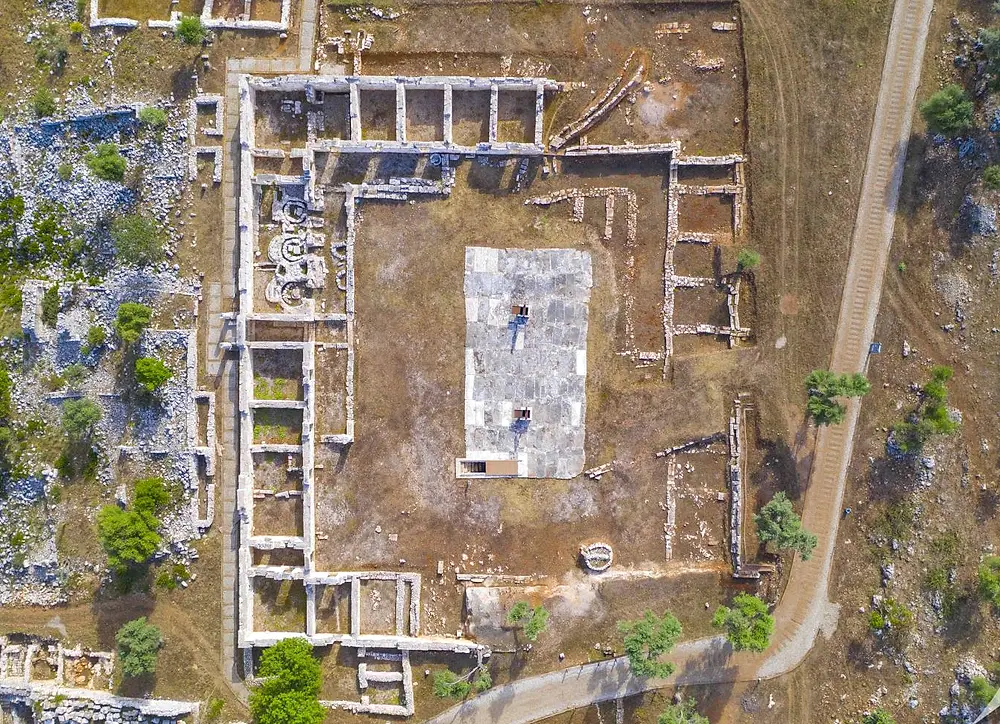
For a long time it was debated whether the ruins at Çayağzı in Demre belonged to a separate city. Recent research has shown that Andriake was the harbour district of Myra. Lycia owed its wealth to ports and trade, and Andriake was the third most important harbour in the region after Phaselis and Patara. Fragments of imported amphorae found during excavations show how busy it was.
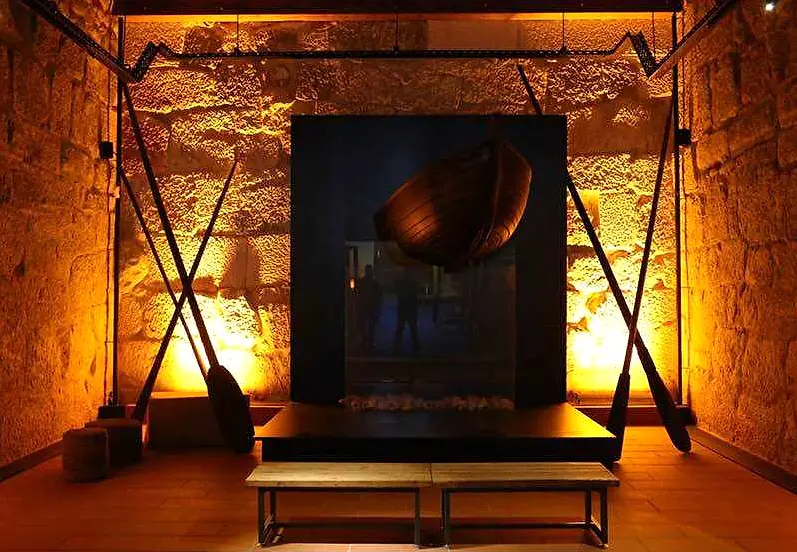
Most of the ruins are linked to commerce, and the granary that proves the port's role in the grain trade now houses the Museum of Lycian Civilisations. Around it you will find the agora, a cistern, city walls, aqueducts, monumental fountains, Byzantine churches, baths and watchtowers. Lycian-type tombs stand in the old cemetery area. Excavations have also uncovered social and religious buildings away from the harbour, including evidence of an early Jewish community.
The most unusual sight is the Murex Workshops, a dye factory. Murex is a sea snail from which the rare purple dye of imperial robes was extracted. So many shells were brought here that the leftover shells were mixed into the building mortar, a Murex mortar found only in this region.
According to the Ministry’s listing it opens at 08:30 and closes at 18:45. Open every day.
No. This site sells no tickets. Topkapı Palace, the Basilica Cistern, Hagia Sophia and Dolmabahçe Palace are sold on our sister sites; for Andriake Archaeological Site and Lycian Civilisations Museum, buy at the ticket office or on the Ministry’s official e-ticket system.
Andriake Archaeological Site and Lycian Civilisations Museum is in Antalya, Türkiye — Büyükkum Mahallesi.
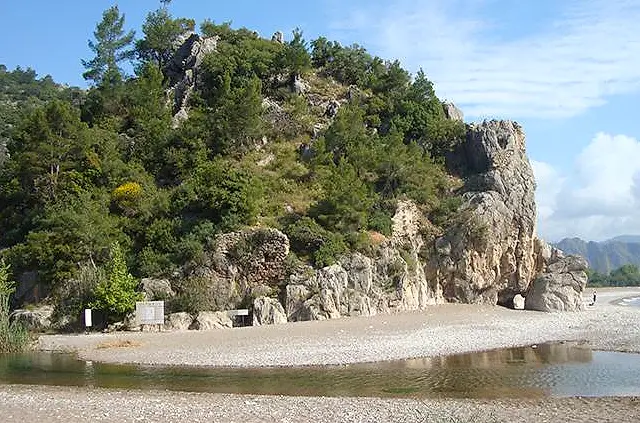
A Lycian coast city hidden in a wooded valley beside a beach, once a pirates' haven, with a theatre, a Byzantine church and the eternal flames of Chimaera nearby.
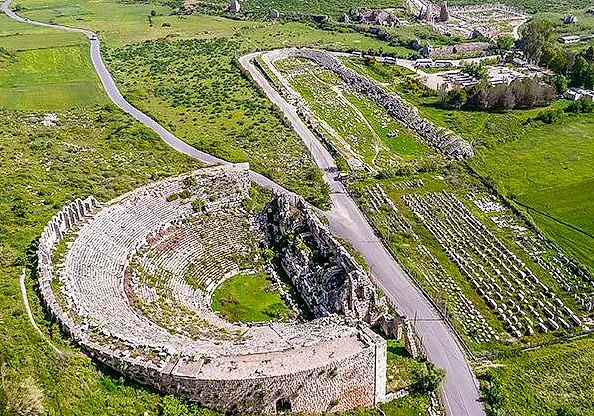
One of Turkey's best-preserved Roman cities, on a plain east of Antalya, with a Hellenistic gate, colonnaded streets, theatre and stadium.
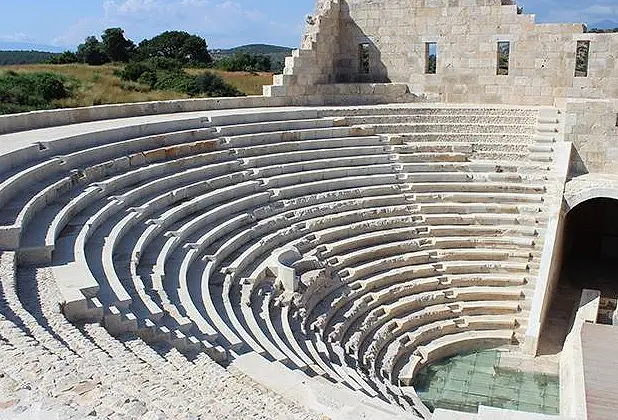
Capital of the Lycian League and birthplace of St. Nicholas, on a coast beside one of Turkey's longest beaches, with a lighthouse, a parliament house and an oracle tradition.
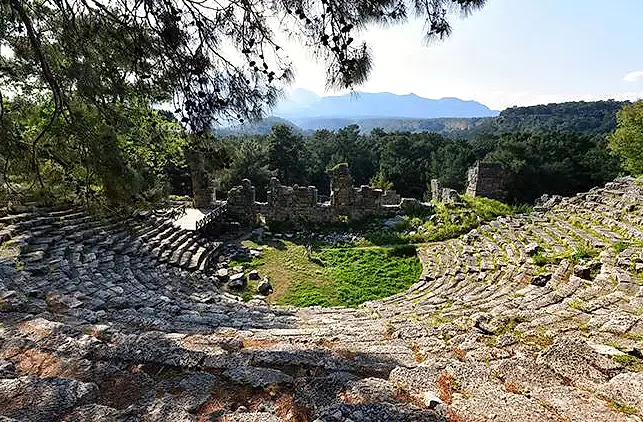
A trading city on a pine-covered peninsula with three harbours, visited by Emperor Hadrian and Alexander the Great, and known for its water-supply engineering.
Four Istanbul landmarks, each sold on its own site by the agency behind this guide — dated entry and free cancellation up to 24 hours.
The sultans’ palace on Sarayburnu: courtyards, the Imperial Council, the treasury and the terraces over the water. Dated entry, sold online on its own site.
Justinian’s great underground reservoir: 336 columns in still water and the two Medusa heads. Fast-track entry with a digital audio guide.
Justinian’s cathedral, the sultans’ mosque and a working mosque again today. The ticket admits you to the upper visitor gallery.
A nineteenth-century palace on the water’s edge: the Selamlık, the Ceremonial Hall under its chandelier, the crystal staircase and the Harem.


