
Topkapı Palace
The sultans’ palace on Sarayburnu: courtyards, the Imperial Council, the treasury and the terraces over the water. Dated entry, sold online on its own site.
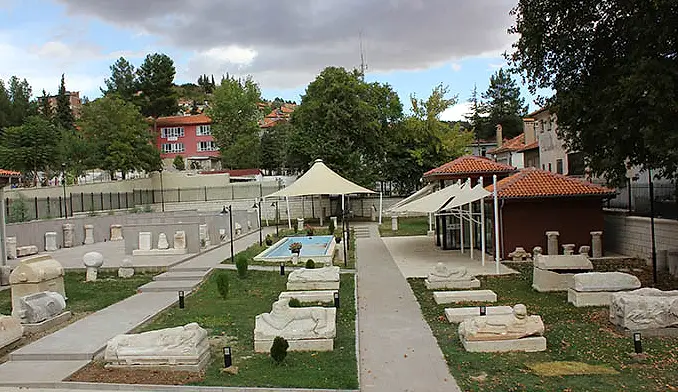
A small museum in a restored former government house, showing finds from the mounds and tombs around Elmalı and Korkuteli, from the Chalcolithic to Byzantine times.
Elmalı Museum was founded by a Council of Ministers decision in 2011 and opened to visitors on 13 June 2011, with Elmalı and Korkuteli as its area of responsibility. It occupies the former government house in the centre of Elmalı, a two-storey building on a central plan that was restored for the purpose.
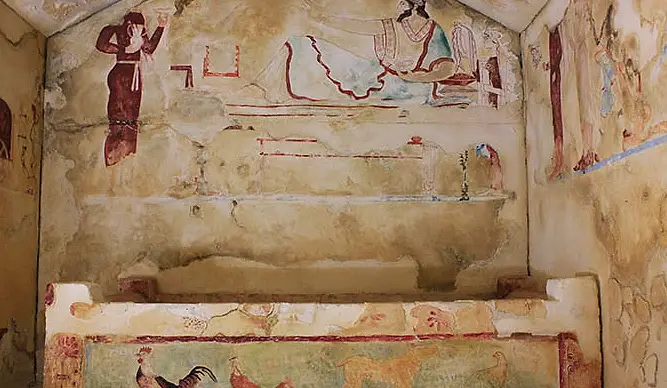
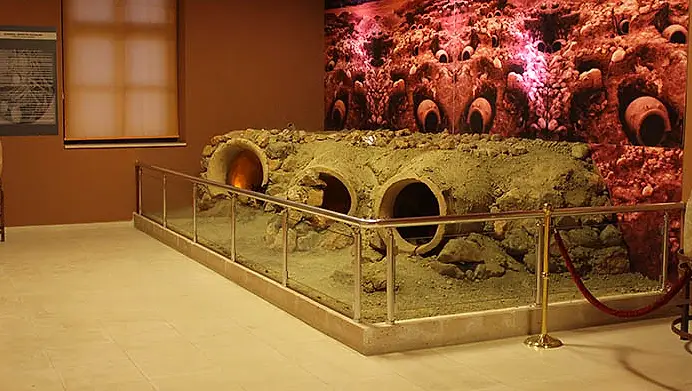
The route begins with the Chalcolithic finds of Bağbaşı and continues with the Early Bronze Age material from Karataş-Semayük, whose cemetery yielded burial jars and vessels. In one hall three of those jars stand in their original positions. Other rooms hold finds from Hacımusalar Höyük and Karaçakır, and from the tumulus excavations at Karaburun, Kızılbel and Bayındır.
Further displays include Lycian city coins and Roman imperial coins, and imitation pieces recalling the fifth-century BC Elmalı hoard. The last hall focuses on the Roman and Byzantine periods, with votive stelae, sarcophagus and statue fragments, and everyday vessels, jewellery and medical tools. It is a small museum, best for readers of regional archaeology.
According to the Ministry’s listing it opens at 08:30 and closes at 19:00 (last entry 18:30). Open every day.
No. This site sells no tickets. Topkapı Palace, the Basilica Cistern, Hagia Sophia and Dolmabahçe Palace are sold on our sister sites; for Elmalı Museum, buy at the ticket office or on the Ministry’s official e-ticket system.
Elmalı Museum is in Antalya, Türkiye — İplik Pazarı Mahallesi, Hükümet Caddesi, No: :89.
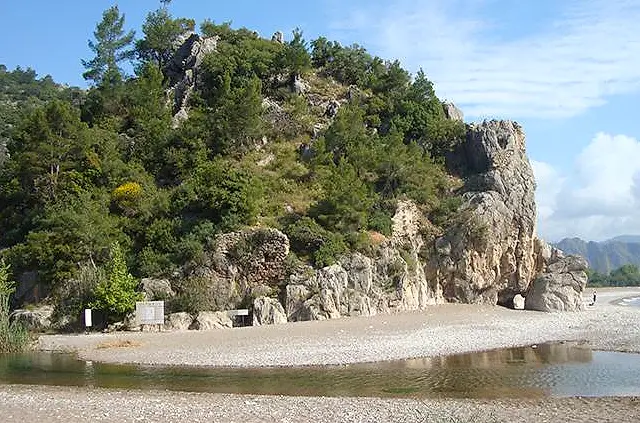
A Lycian coast city hidden in a wooded valley beside a beach, once a pirates' haven, with a theatre, a Byzantine church and the eternal flames of Chimaera nearby.
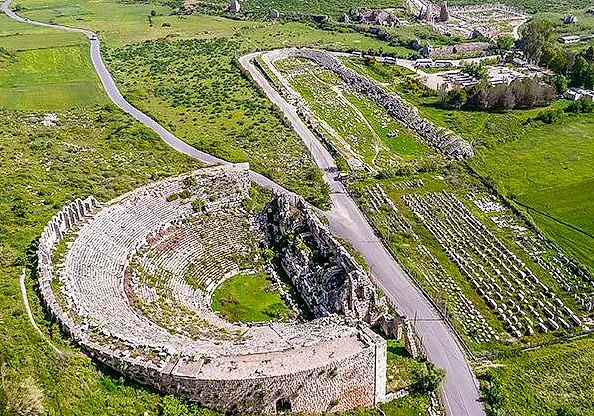
One of Turkey's best-preserved Roman cities, on a plain east of Antalya, with a Hellenistic gate, colonnaded streets, theatre and stadium.
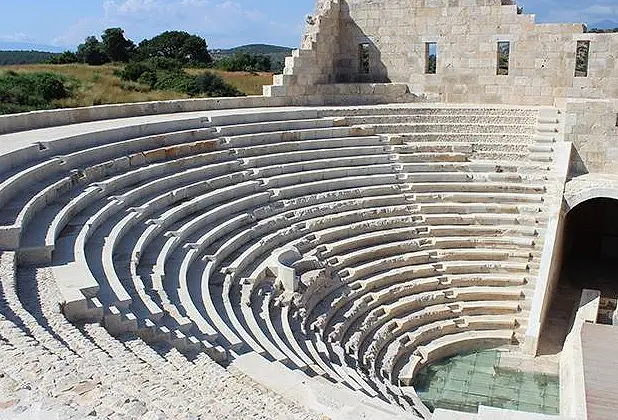
Capital of the Lycian League and birthplace of St. Nicholas, on a coast beside one of Turkey's longest beaches, with a lighthouse, a parliament house and an oracle tradition.
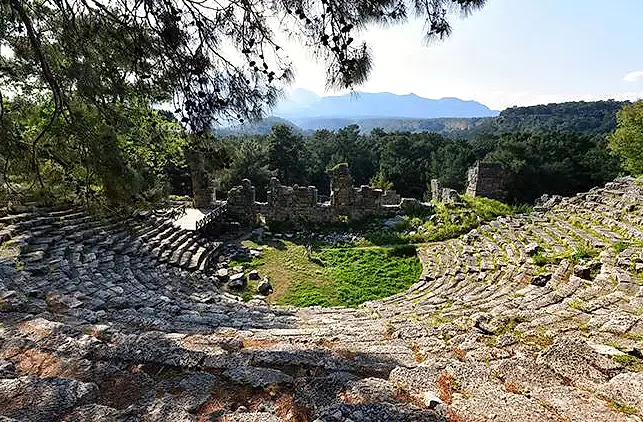
A trading city on a pine-covered peninsula with three harbours, visited by Emperor Hadrian and Alexander the Great, and known for its water-supply engineering.
Four Istanbul landmarks, each sold on its own site by the agency behind this guide — dated entry and free cancellation up to 24 hours.
The sultans’ palace on Sarayburnu: courtyards, the Imperial Council, the treasury and the terraces over the water. Dated entry, sold online on its own site.
Justinian’s great underground reservoir: 336 columns in still water and the two Medusa heads. Fast-track entry with a digital audio guide.
Justinian’s cathedral, the sultans’ mosque and a working mosque again today. The ticket admits you to the upper visitor gallery.
A nineteenth-century palace on the water’s edge: the Selamlık, the Ceremonial Hall under its chandelier, the crystal staircase and the Harem.


