
Topkapı Palace
The sultans’ palace on Sarayburnu: courtyards, the Imperial Council, the treasury and the terraces over the water. Dated entry, sold online on its own site.
Aegean
27 museums and archaeological sites in the province of Muğla, with hours and what to see at each.
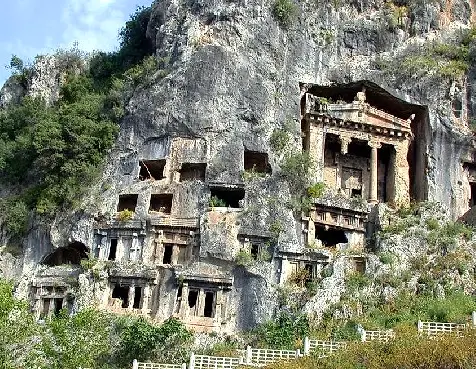
A 4th-century BC Lycian tomb carved into the cliff above Fethiye, reached by nearly a hundred steps and overlooking the town and the sea.
Visitor guide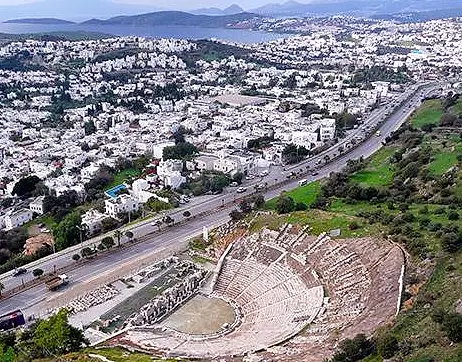
The best-preserved relic of ancient Halicarnassus, a 4th-century BC theatre on the slope of Göktepe with views of the sea, Kos and the Datça peninsula.
Visitor guide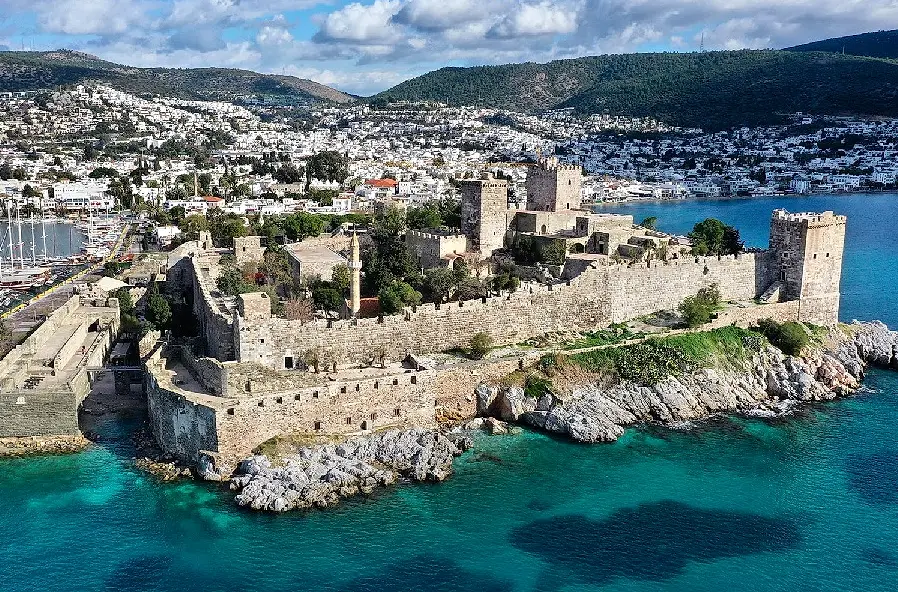
The castle of the Knights of St John that houses the museum: seven gates, towers named after European nations, a moat, a drawbridge and views over the harbour.
Visitor guide
The site of the Mausoleion of Halicarnassus in Bodrum, tomb of King Maussollos and one of the Seven Wonders of the Ancient World.
Visitor guide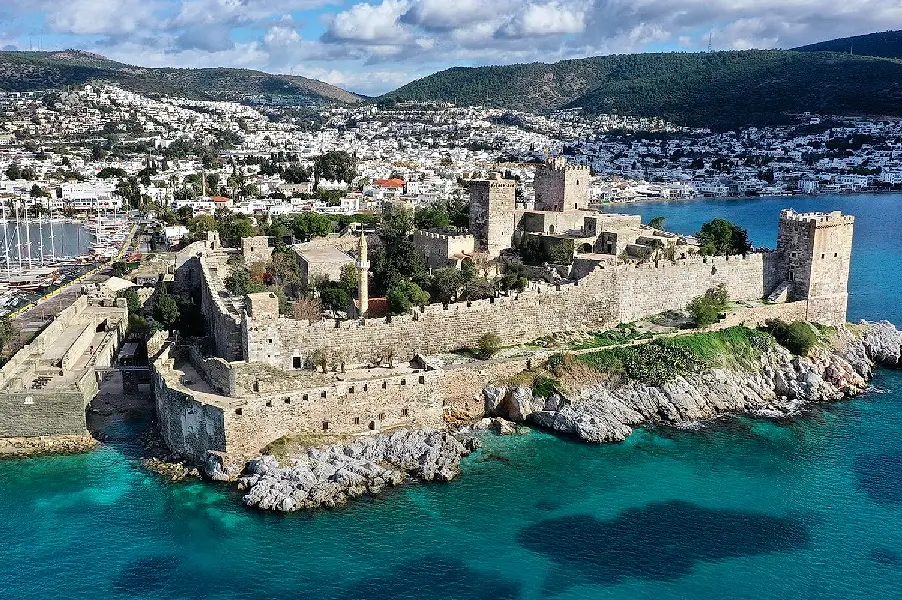
Inside Bodrum Castle, the only museum in Turkey devoted to underwater archaeology, with Bronze Age and medieval shipwreck finds, glass, and one of the world's great amphora collections.
Visitor guide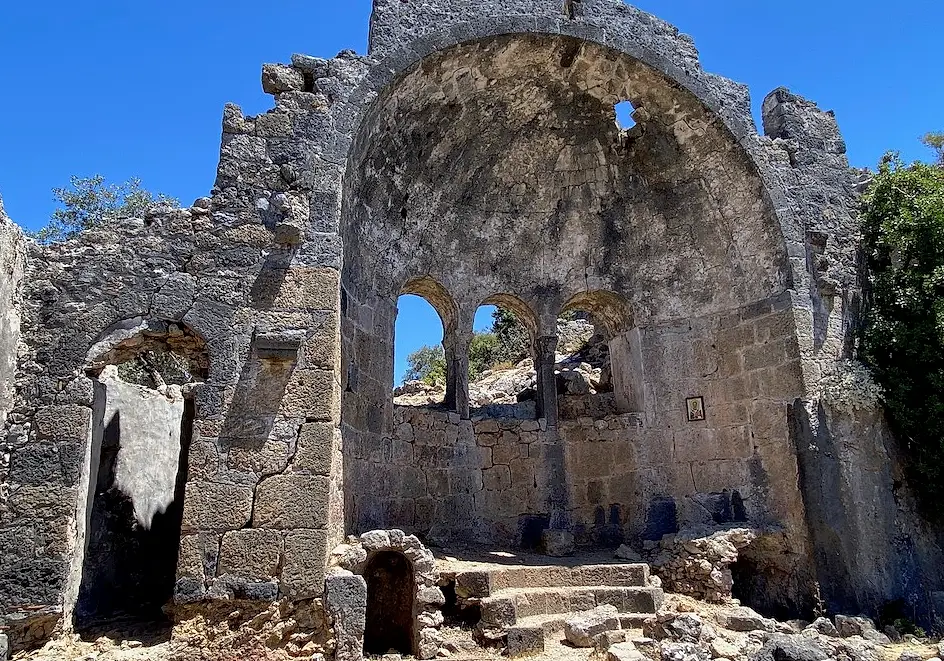
A small island at the southern end of Fethiye Bay with Byzantine church ruins, tombs and a sacred hilltop, reached by boat.
Visitor guide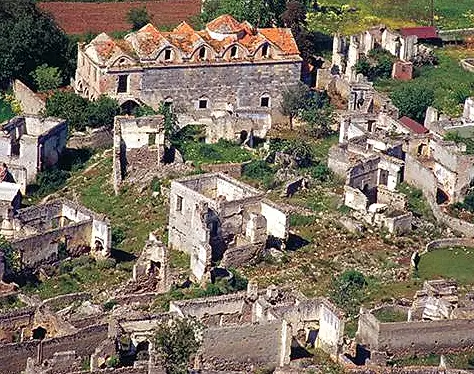
An abandoned hillside village near Fethiye, the ancient Karmylassos, with hundreds of roofless stone houses and churches left after the population exchange.
Visitor guide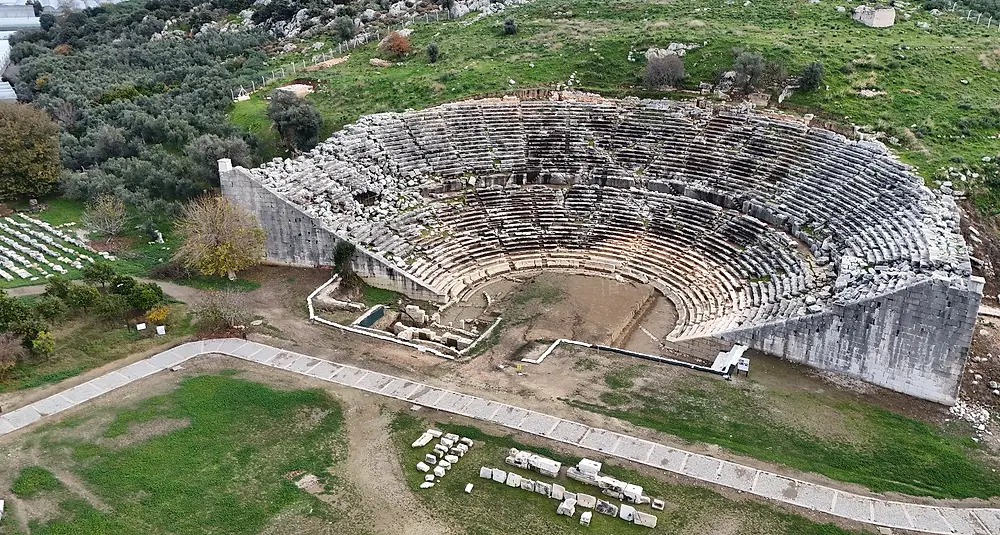
The sacred centre of ancient Lycia, dedicated to the goddess Leto, with three temples, a theatre and a spring, part of the Xanthos-Letoon World Heritage Site.
Visitor guide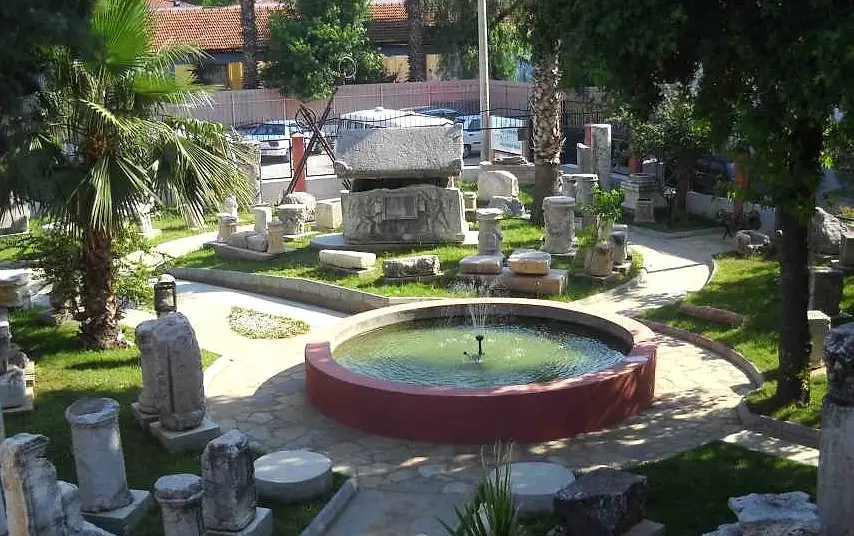
Fethiye's museum of archaeology and ethnography, home to a famous trilingual Lycian stele; currently listed as closed to visitors.
Visitor guide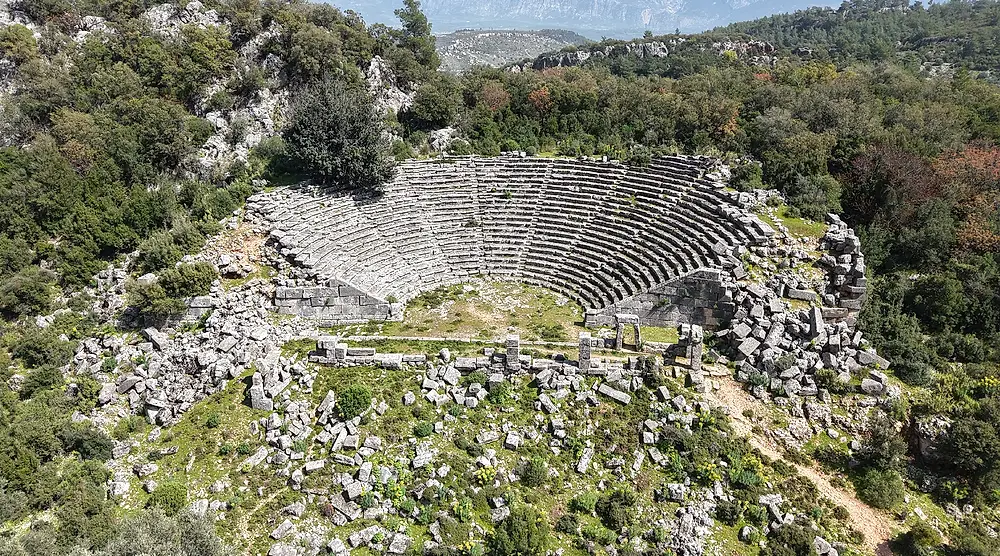
A Lycian hill city near Fethiye, with a round rock honeycombed with tombs, a theatre, an agora and rock-cut graves.
Visitor guide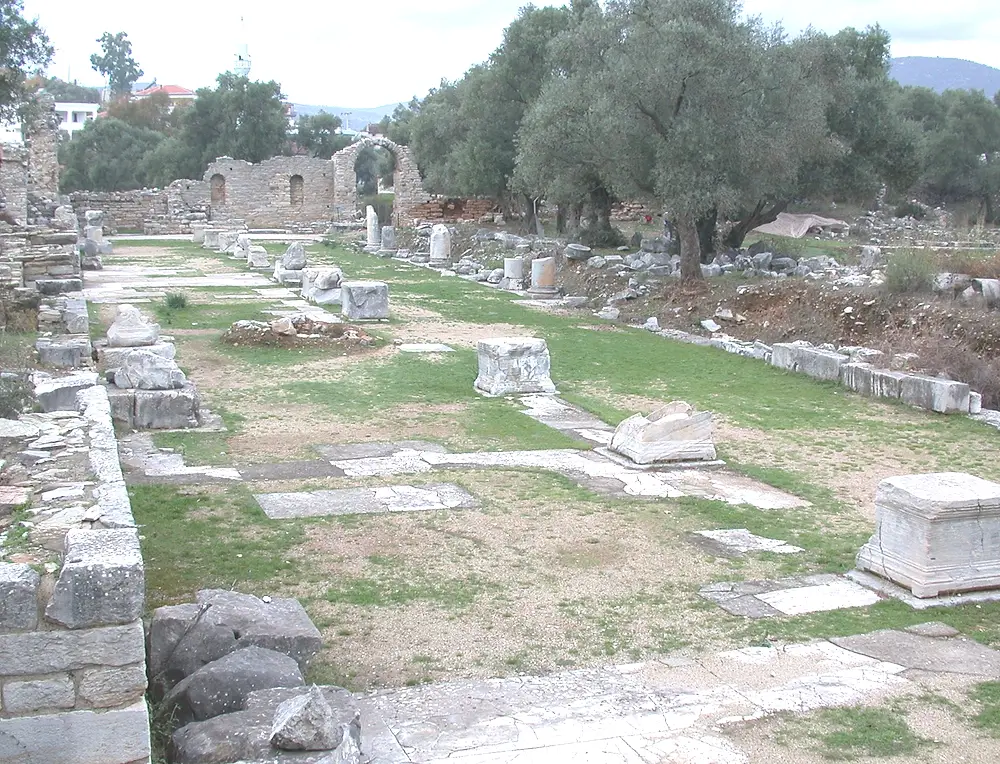
An ancient port city on a peninsula in the Gulf of Güllük, with a great city wall, aqueducts, tombs and the famous Fish Market, only 28 km from Milas.
Visitor guide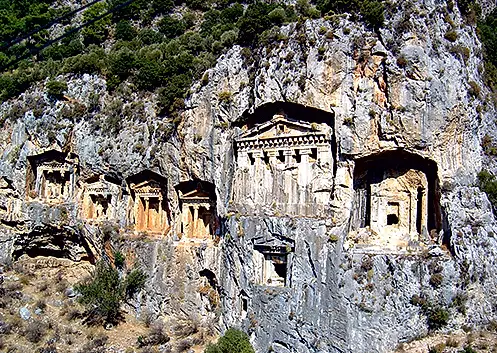
A Carian port city near Dalyan, famous for rock-cut tombs facing the river, with a theatre, Roman baths and an acropolis on a 152 m hill.
Visitor guide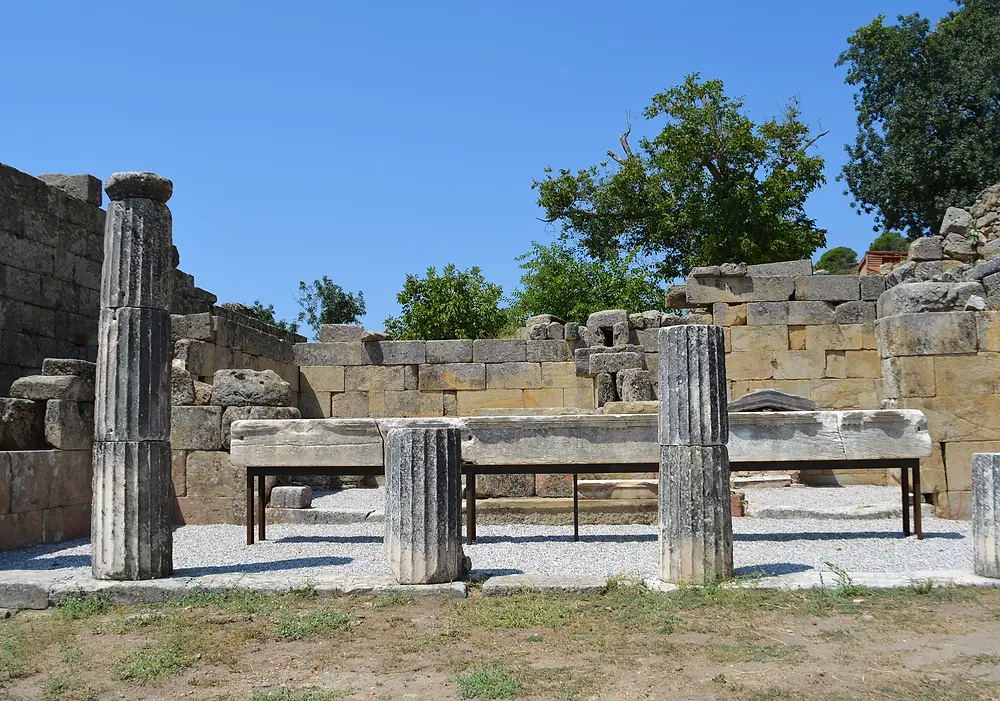
A Carian mountain sanctuary of Zeus Labraundos above Milas in Muğla, reached by a long sacred road and shaped by the Hekatomnid dynasty in the 4th century BC.
Visitor guide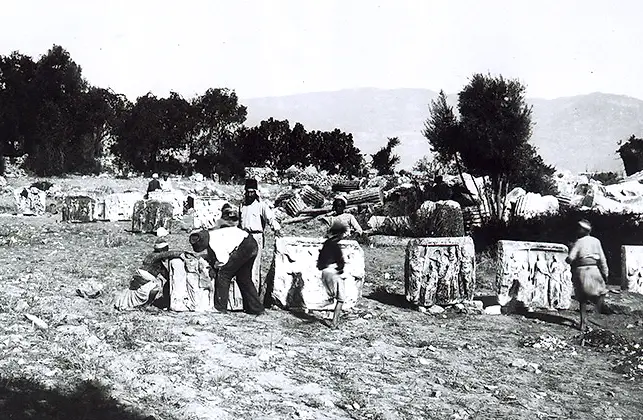
The great sanctuary of Hekate in Carian country, in the hills of Yatağan in Muğla, with a monumental gateway, a sacred way and a Corinthian temple at its heart.
Visitor guide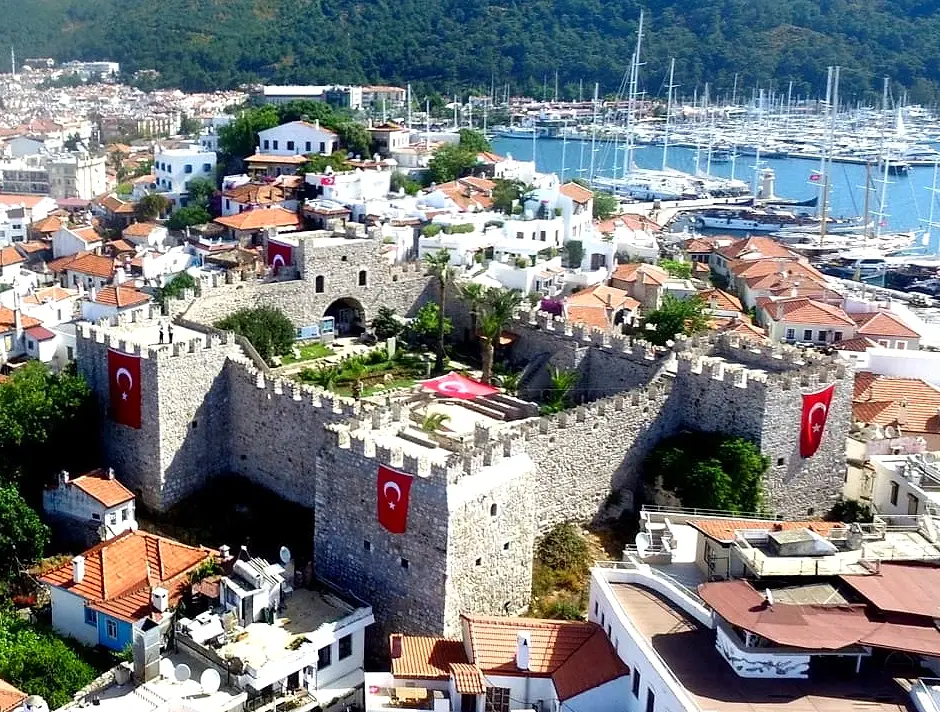
A museum inside the Ottoman castle of Marmaris, built for Süleyman the Magnificent, showing finds from Knidos, Emecik and the sea floor around the bay.
Visitor guide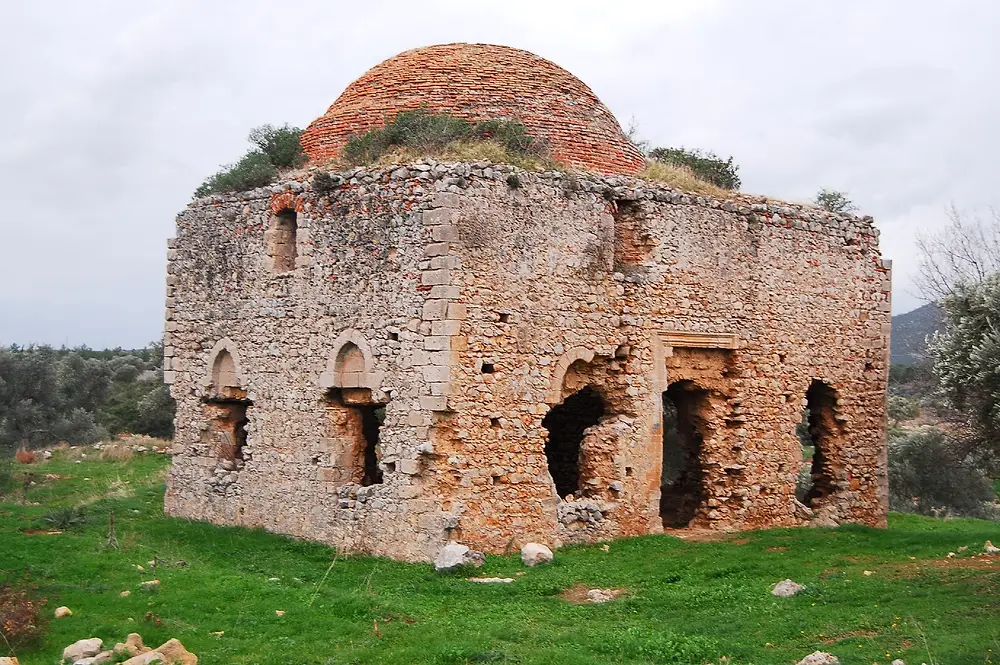
A medieval Turkish capital of the Menteşe emirate, Beçin crowns a steep rock above Milas with a castle, madrasa, mosque and bath still standing among excavated streets.
Visitor guide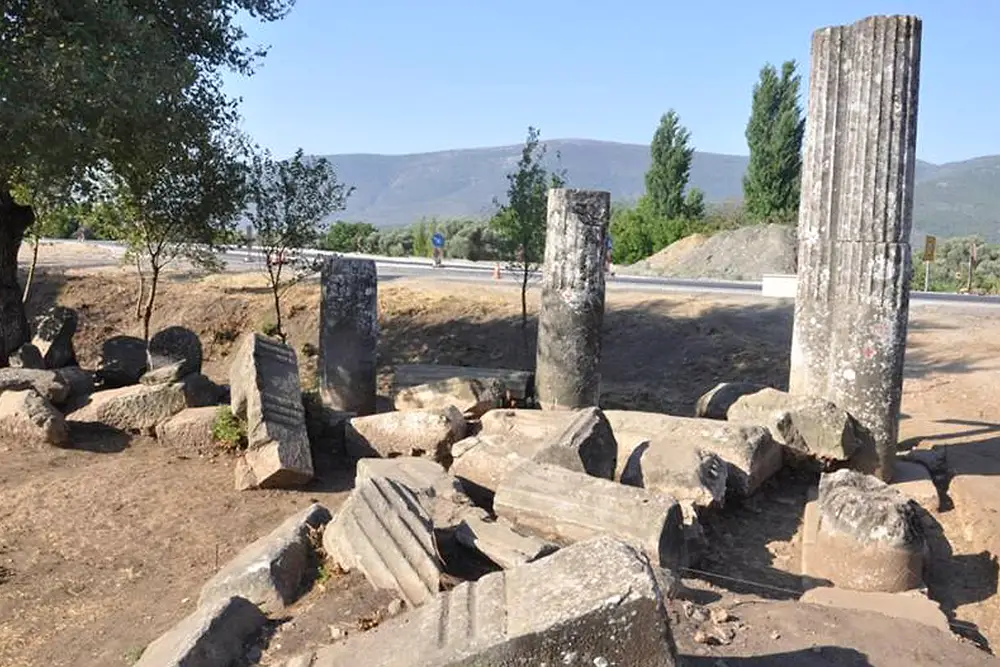
A small Carian city near Milas in Muğla, best known for its beautifully preserved 2nd-century Temple of Zeus Lepsynos, with a theatre, agora and necropolis nearby.
Visitor guide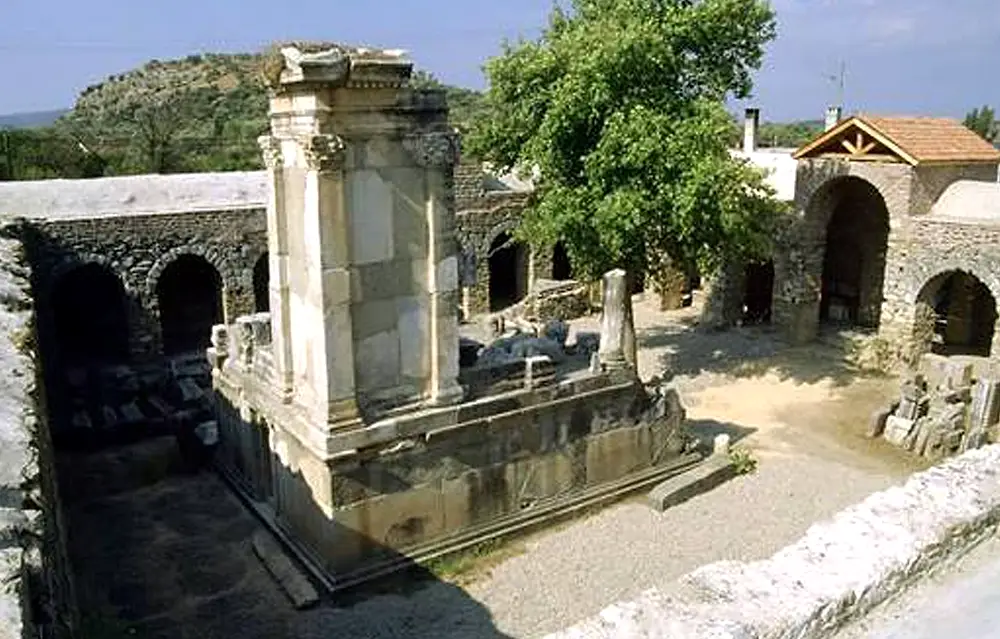
A small open-air museum at Iasos in Muğla, built around a monumental Roman tomb inside a colonnaded enclosure known as the Fish Market, with finds from the Italian digs.
Visitor guide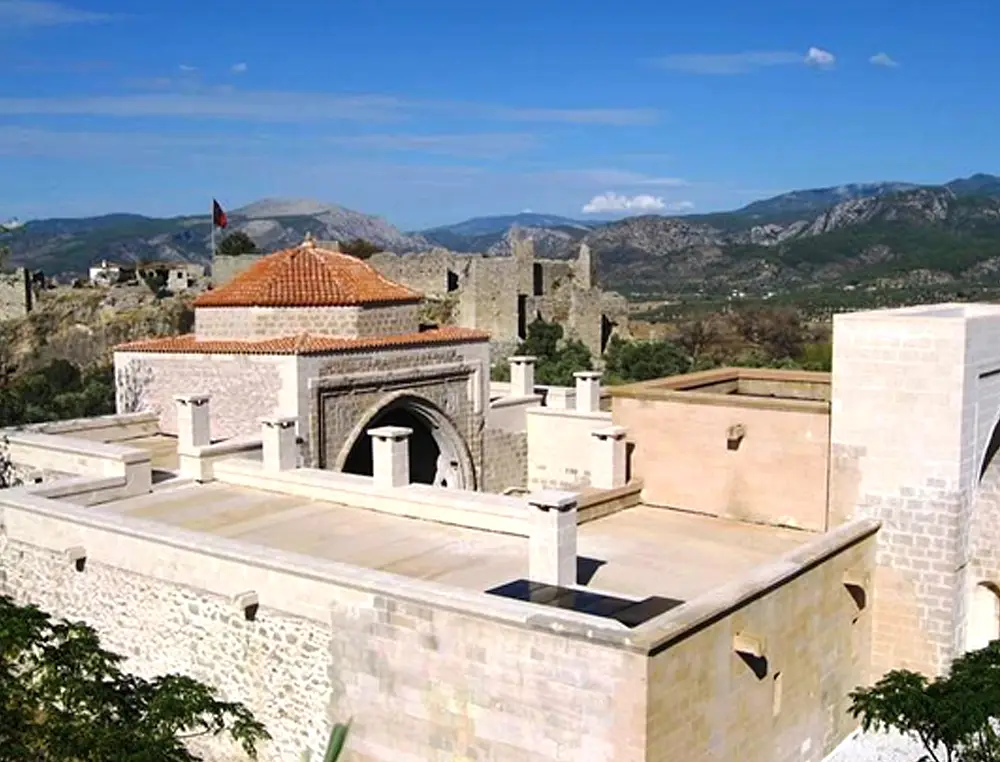
A museum inside the 1375 Ahmed Gazi Madrasah at Beçin Castle near Milas, showing carved stonework of the Beylik and Ottoman periods in a beautifully restored courtyard building.
Visitor guide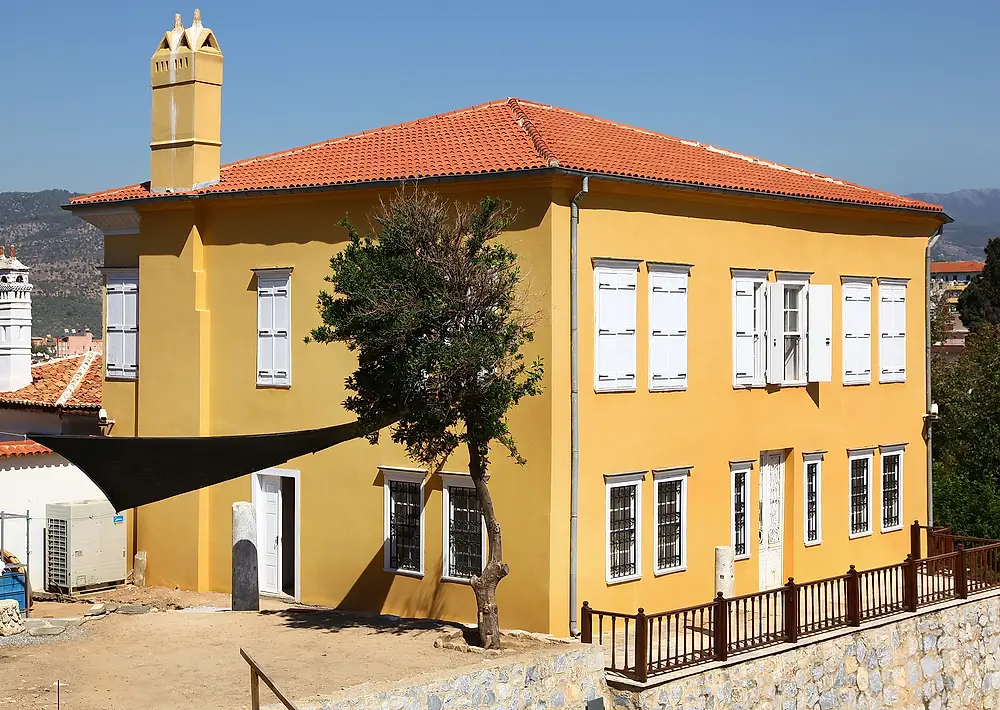
A hilltop complex in Milas built around the rock-cut tomb of the Carian satrap Hekatomnos, with a carpet museum, a restored Milas house and a children's activity centre.
Visitor guide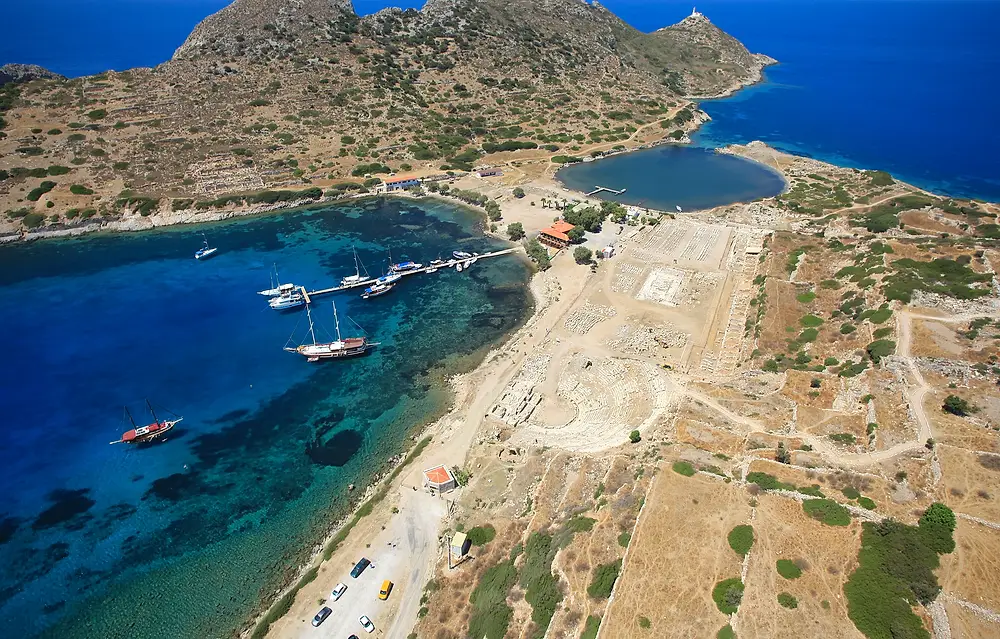
A double city at the tip of the Datça peninsula where the Aegean meets the Mediterranean, with two harbours, a grid plan, a theatre and terraced sanctuaries.
Visitor guide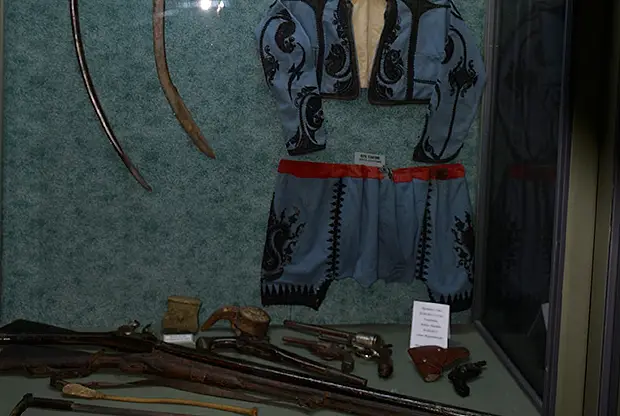
A museum in Muğla's former prison building, best known for its fossil hall from the Kaklıca hill dig, with ethnography, archaeology and gladiator-stele rooms.
Visitor guide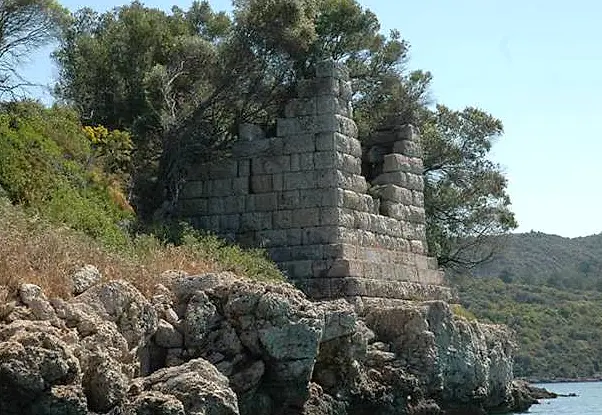
Ancient Kedrai on a protected island in the Gulf of Gökova, where ruins, a rare-sand beach and unspoilt nature share the same shore.
Visitor guide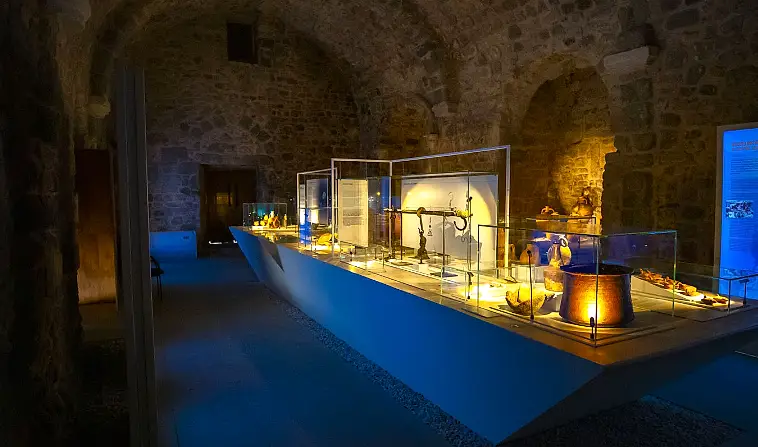
A hall in Bodrum Castle for the Byzantine shipwreck of about AD 1026, whose hull and cargo of Islamic glass were raised from Serçe Harbour.
Visitor guide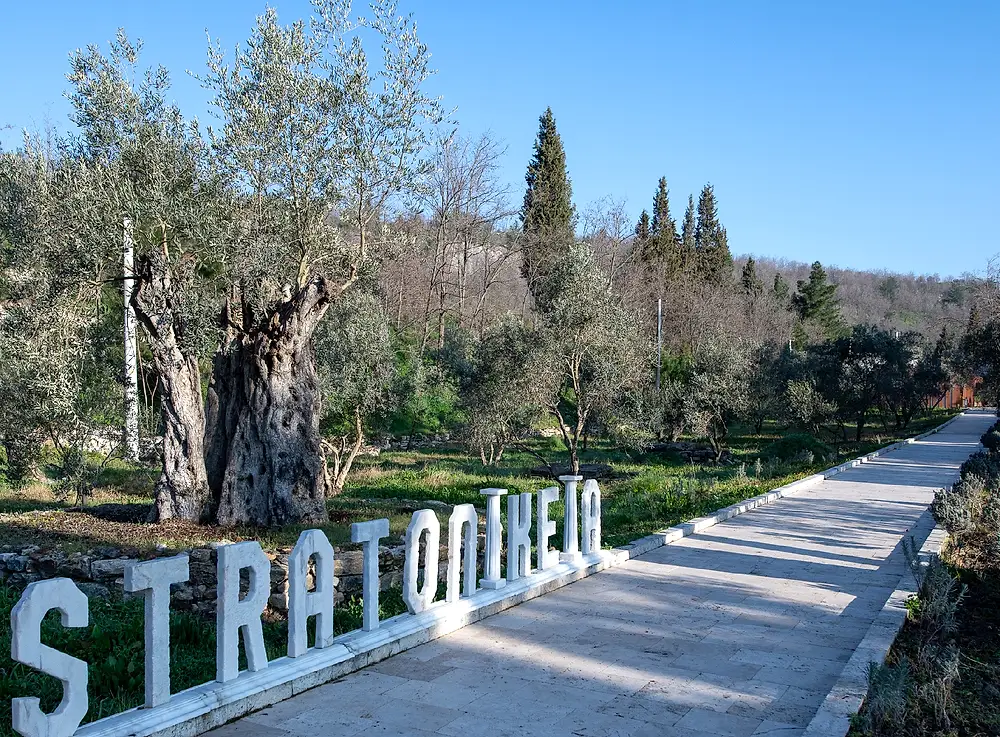
A Hellenistic and Roman city at Eskihisar near Yatağan in Muğla, unusual for its old village houses standing among the ancient ruins.
Visitor guide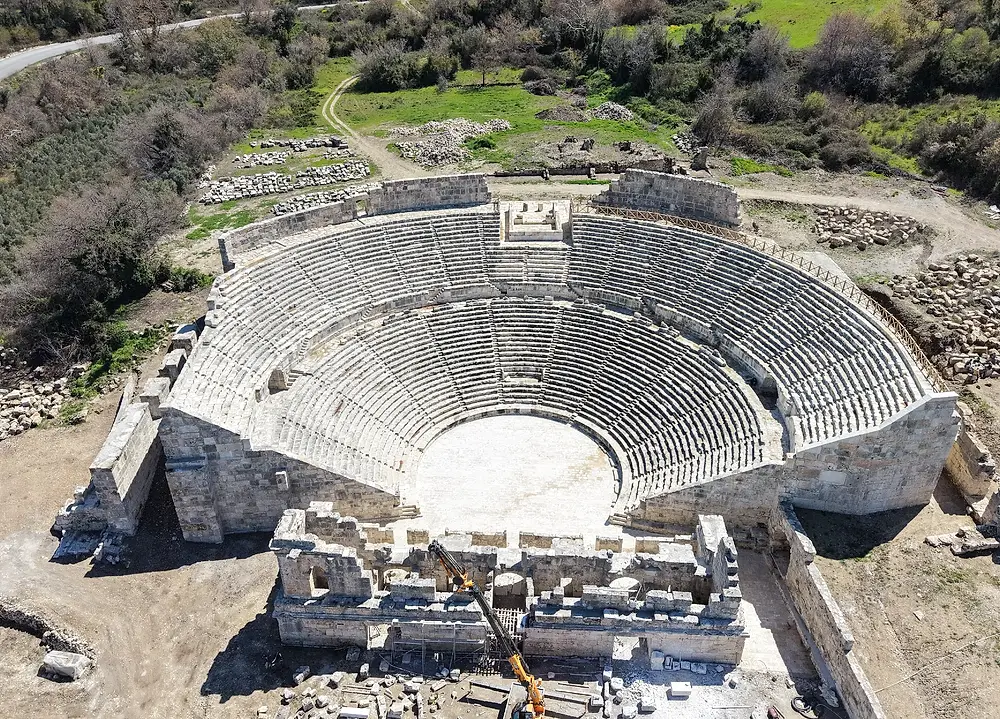
A Lycian hill city in the Xanthos Valley, with a theatre, stadium, rock tombs and an Ottoman lord's castle on the acropolis, set beneath steep cliffs near Fethiye.
Visitor guide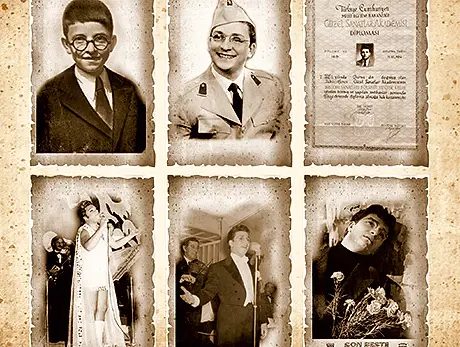
The Bodrum house where the great singer Zeki Müren lived from 1980 until his death, showing his stage costumes, photographs, documents and personal belongings.
Visitor guideFour Istanbul landmarks, each sold on its own site by the agency behind this guide — dated entry and free cancellation up to 24 hours.
The sultans’ palace on Sarayburnu: courtyards, the Imperial Council, the treasury and the terraces over the water. Dated entry, sold online on its own site.
Justinian’s great underground reservoir: 336 columns in still water and the two Medusa heads. Fast-track entry with a digital audio guide.
Justinian’s cathedral, the sultans’ mosque and a working mosque again today. The ticket admits you to the upper visitor gallery.
A nineteenth-century palace on the water’s edge: the Selamlık, the Ceremonial Hall under its chandelier, the crystal staircase and the Harem.


