
Topkapı Palace
The sultans’ palace on Sarayburnu: courtyards, the Imperial Council, the treasury and the terraces over the water. Dated entry, sold online on its own site.
Aegean
23 museums and archaeological sites in the province of İzmir, with hours and what to see at each.
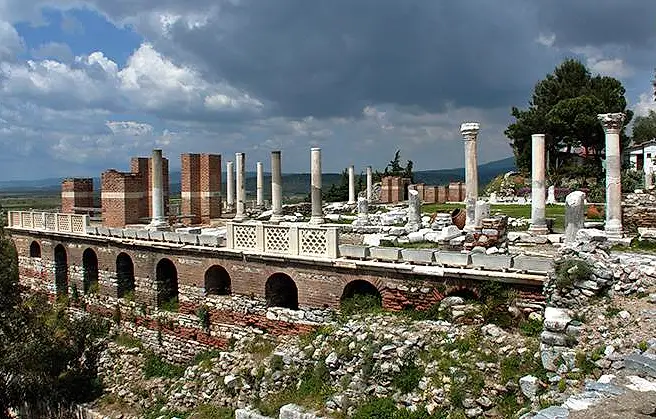
The hilltop site above Selçuk where the Basilica of St. John was built over the apostle's tomb, an important witness to early Christianity near Ephesus.
Visitor guide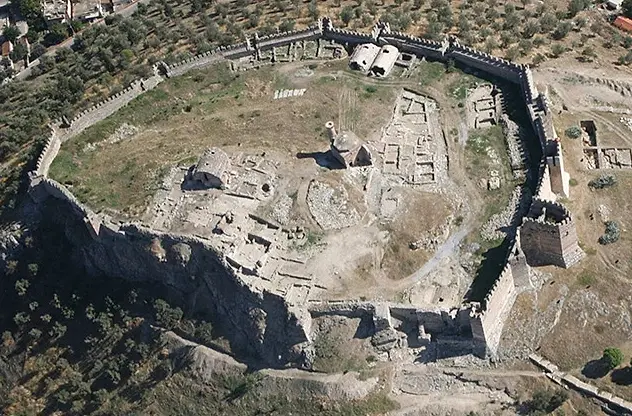
The hill above Selçuk where Ephesus began and ended: a medieval citadel and the ruins of the great basilica of St. John, with excavations that pushed the city's roots to the Neolithic.
Visitor guide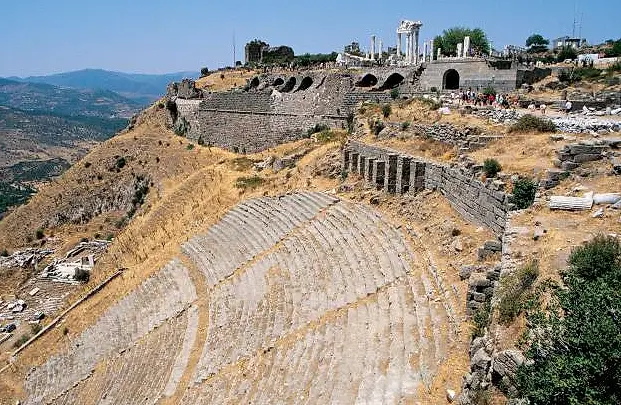
The hilltop capital of the Attalid kings, a UNESCO World Heritage Site with a steep theatre, sanctuaries and the great altar's setting.
Visitor guide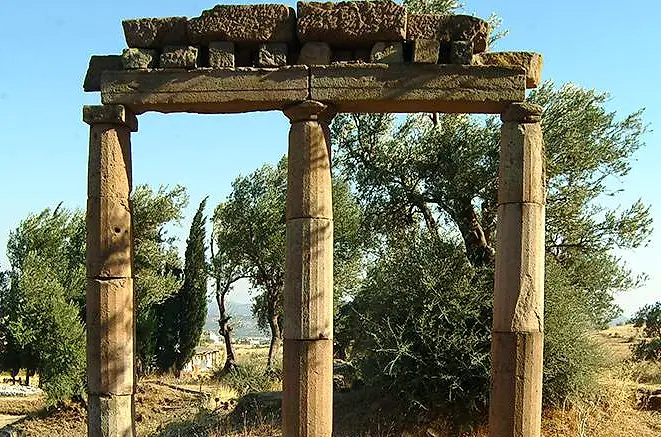
The ancient world's famous healing centre near Pergamon: a sacred way, a library, a small theatre and sleeping rooms where patients were treated with water, mud and music.
Visitor guide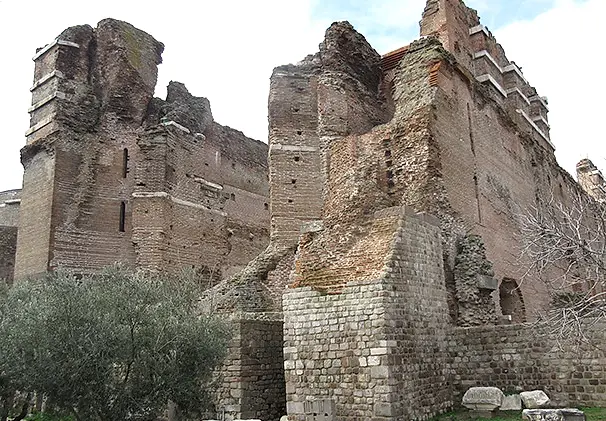
A colossal brick temple of the Roman era in the heart of Bergama, probably built for Egyptian gods, later used as an early Christian church.
Visitor guide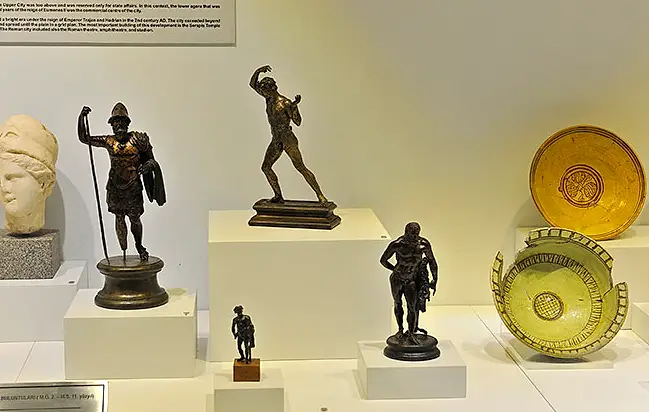
The museum of ancient Pergamon: archaeological finds from the Acropolis and Asklepion, plus an ethnography section on the nomad tribes and carpets of the Bergama region.
Visitor guide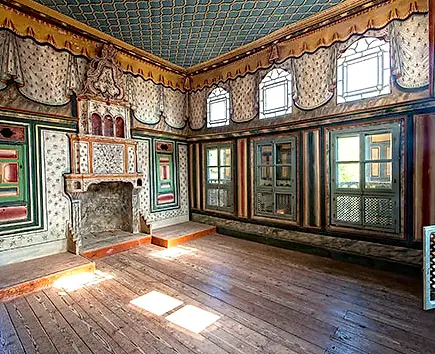
A timber-framed Ottoman mansion in the green village of Birgi, with painted decoration and rooms that show how a wealthy merchant family lived.
Visitor guide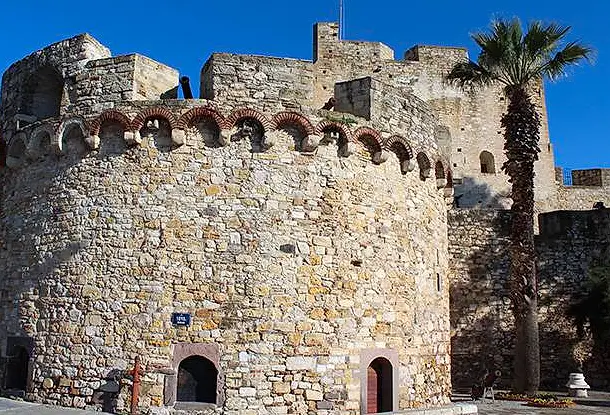
A museum inside Çeşme Castle, a Genoese-Ottoman fortress by the sea, showing Bronze Age wine-making finds, statues from Erythrai and the 1770 naval battle.
Visitor guide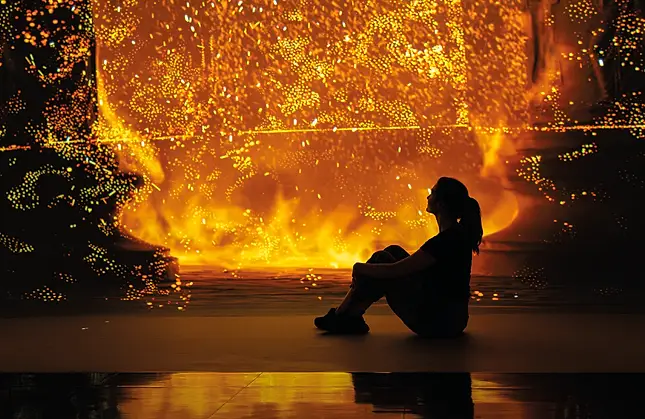
An immersive museum beside the ancient city that uses story and technology to bring Ephesus's golden age to life, from its founder Androklos to St Paul.
Visitor guide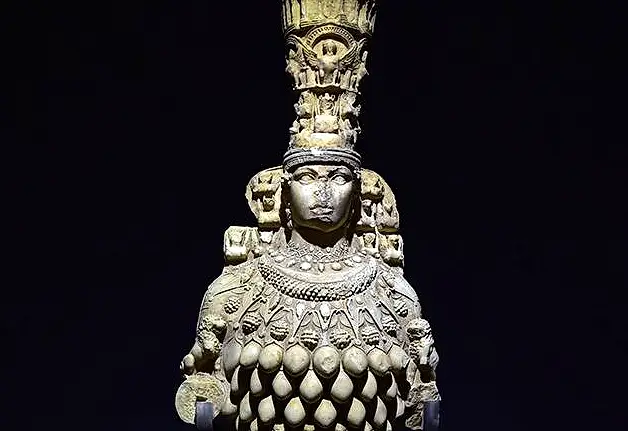
One of Türkiye's most visited museums, in Selçuk, with the famous Ephesian Artemis, Eros statues, coins, jewellery and a garden bazaar of old crafts.
Visitor guide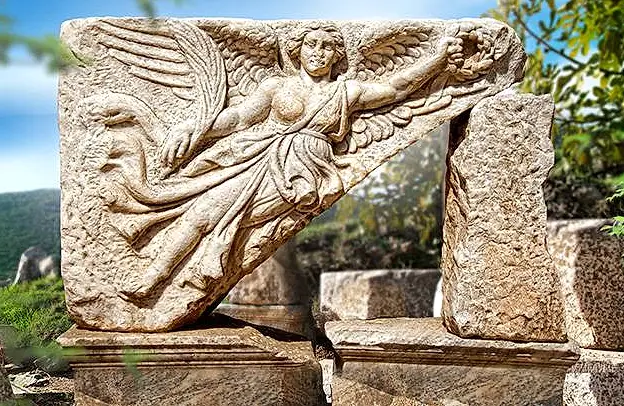
One of the great cities of the ancient world, a UNESCO site with the Library of Celsus, the Great Theatre and centuries of Greek, Roman and Christian history.
Visitor guide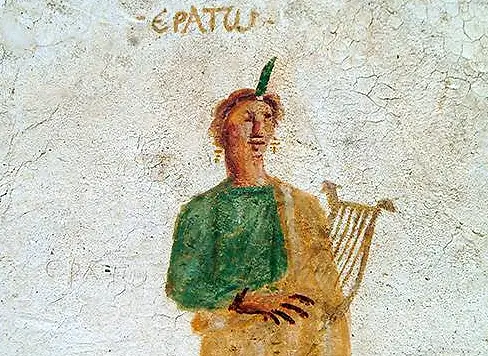
Seven well-preserved Roman houses on the slope of Bülbül Mountain, where Ephesus's elite lived among mosaics, frescoes and underfloor heating.
Visitor guide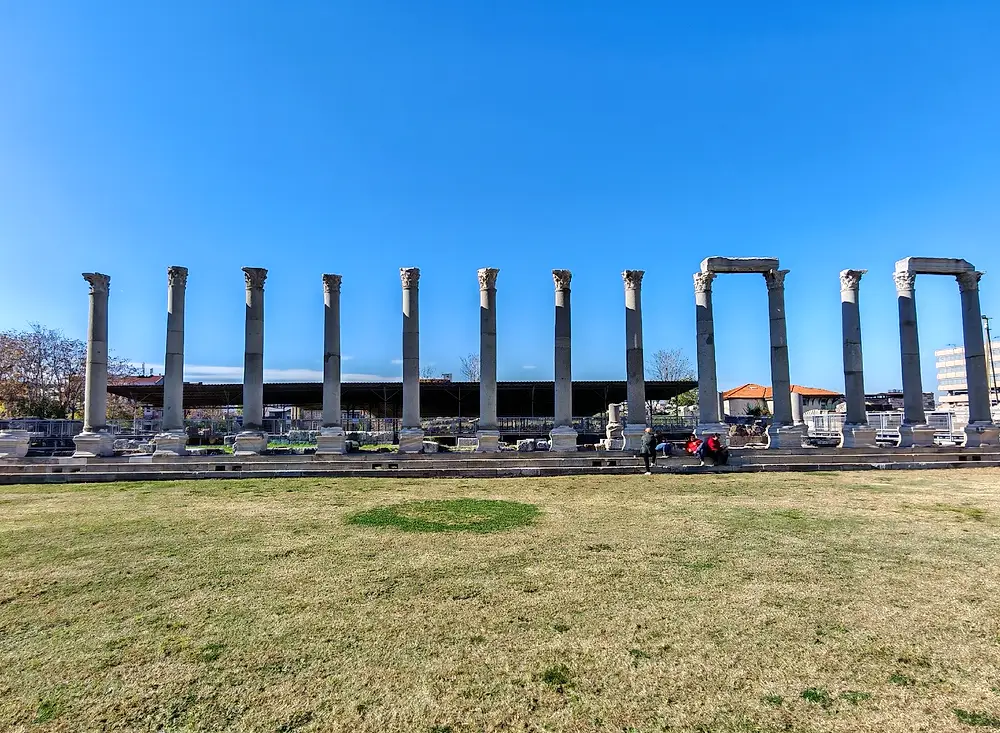
The Roman marketplace of ancient Smyrna in Izmir's Kemeraltı district, one of the largest and best-preserved Ionian agoras.
Visitor guide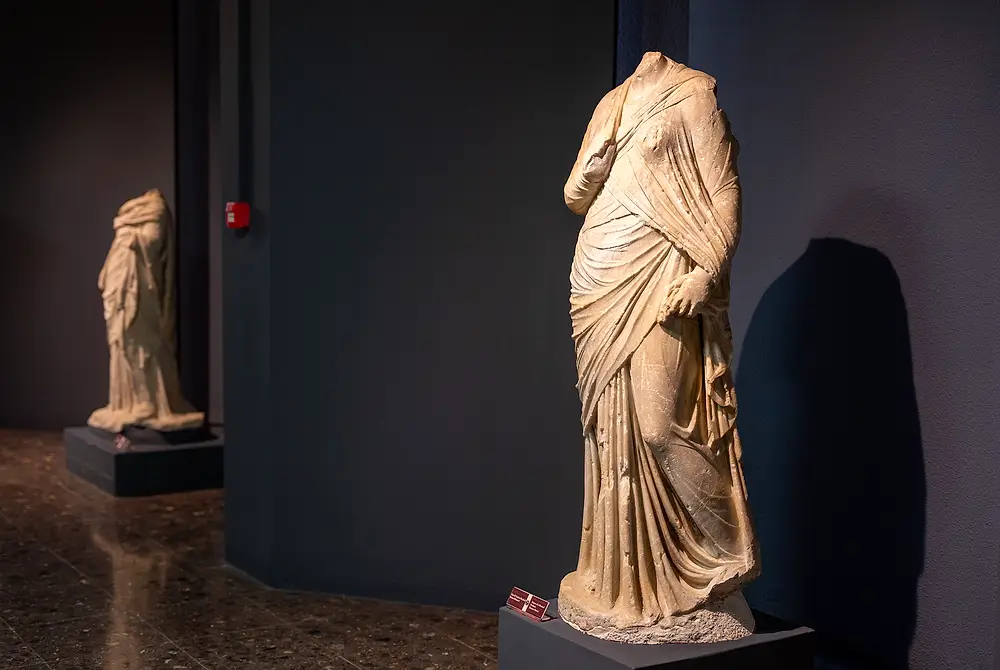
Izmir's main archaeological museum, founded in 1924 and in its modern Konak building since 1984, showing finds from Smyrna, Ephesus, Pergamon, Miletus and other Aegean sites.
Visitor guide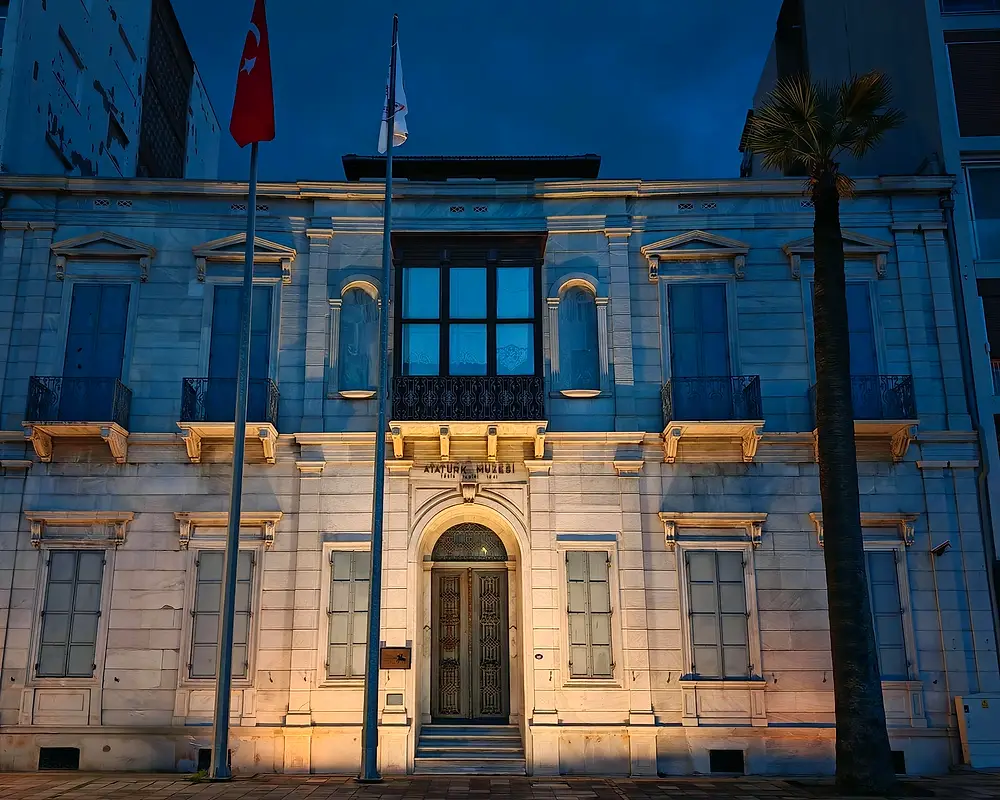
A Neoclassical house in Izmir where Atatürk stayed and worked, with the story of the Economic Congress of 1923 and of a house that became a museum in 1941.
Visitor guide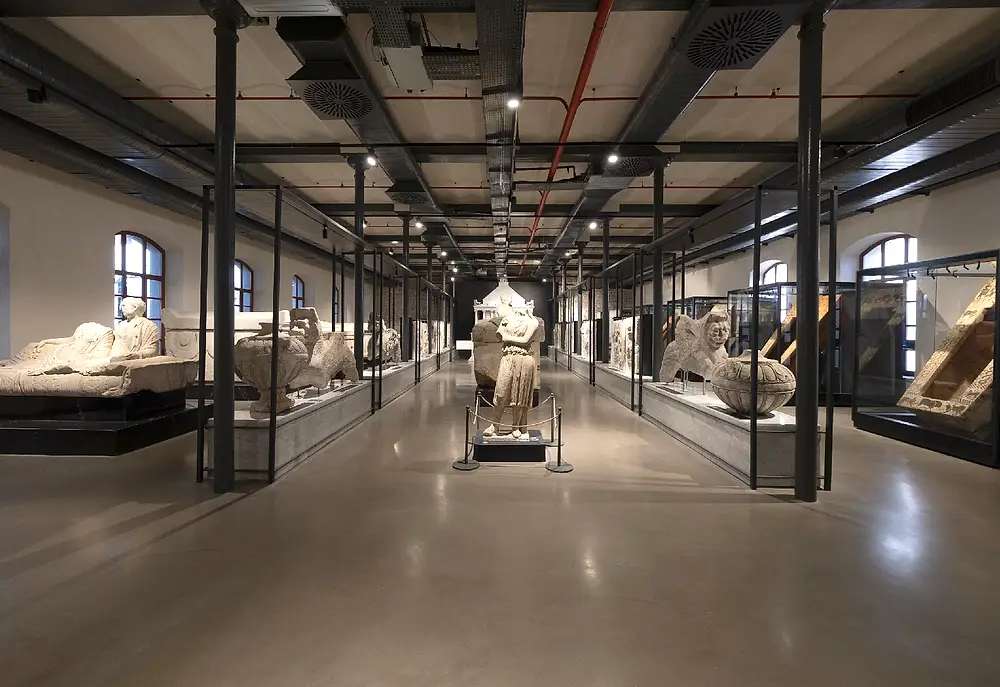
A former tobacco factory in Alsancak, restored and opened in 2023, holding an archaeology and ethnography museum, a painting and sculpture museum and libraries.
Visitor guide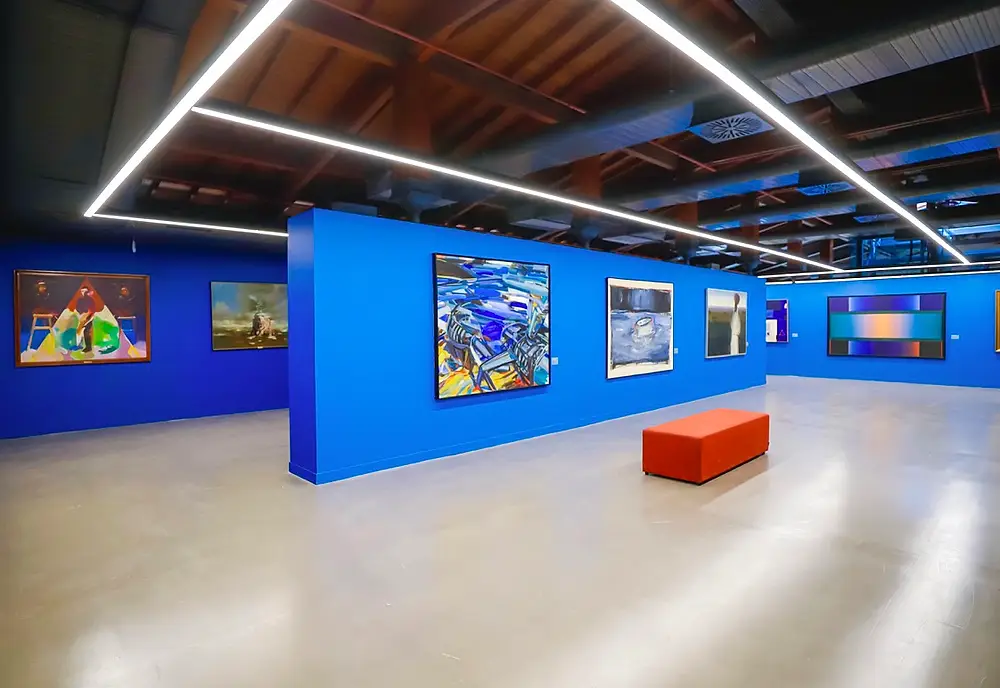
The state art museum of Izmir, founded as a gallery in 1952, with a collection of 546 works including paintings by masters such as Hoca Ali Rıza and İbrahim Çallı.
Visitor guide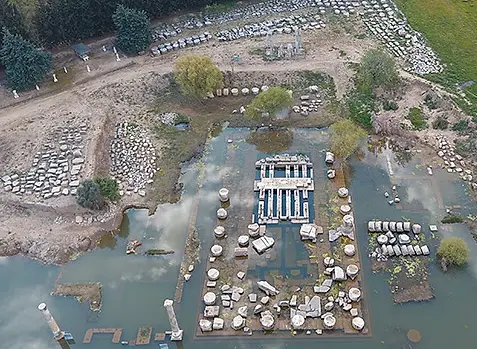
The sanctuary of Apollo near Izmir, an oracle centre for over a thousand years, with the only Doric temple in Ionia and colossal cult statues found in place.
Visitor guide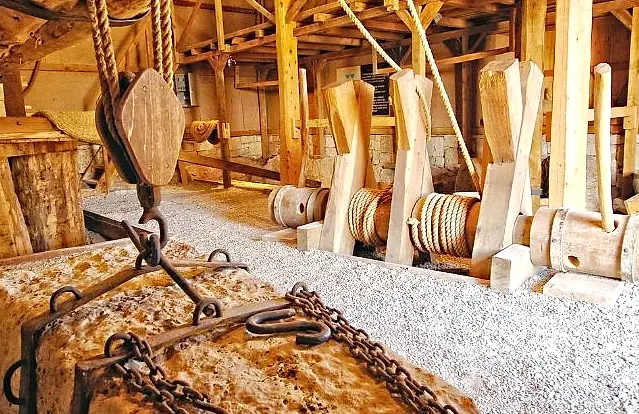
One of the twelve Ionian cities, on the Urla peninsula near Izmir, with settlement layers from about 4000 BC, olive-oil workshops and a later island city.
Visitor guide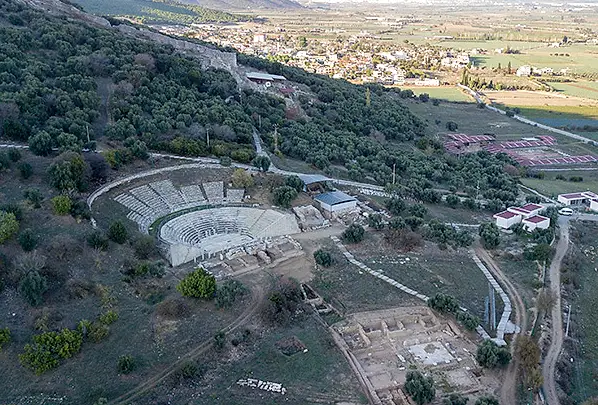
An ancient city in Torbalı, Izmir, named for the mother goddess Meter Gallesia, with a restored Hellenistic theatre, a peristyle house and a hilltop acropolis.
Visitor guide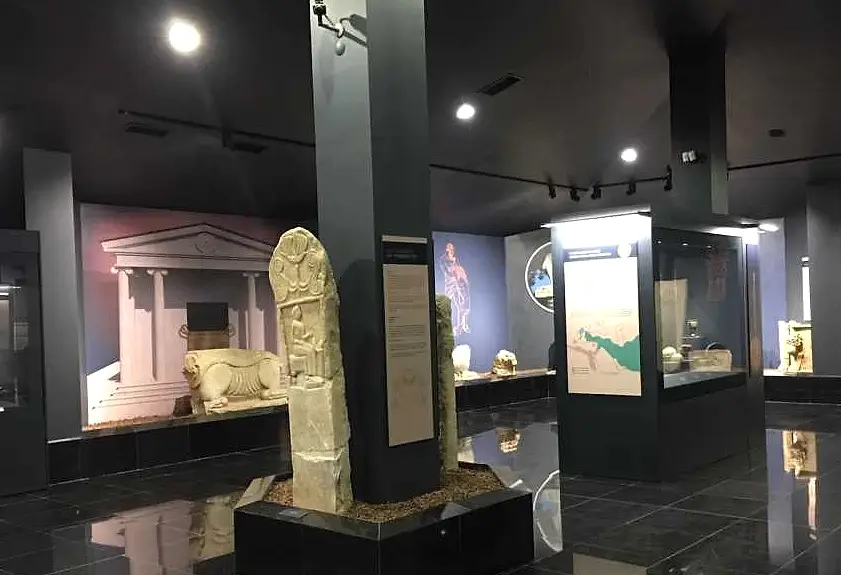
A single-hall museum in the Little Menderes valley with archaeology from four ancient cities, a large coin collection and Ottoman-era ethnography.
Visitor guide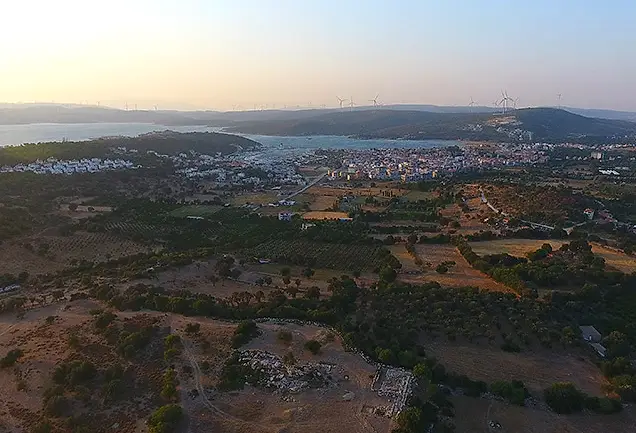
An ancient port city on a small peninsula near Sığacık in Seferihisar, with a long Hellenistic wall, twin harbours and a hilltop acropolis.
Visitor guide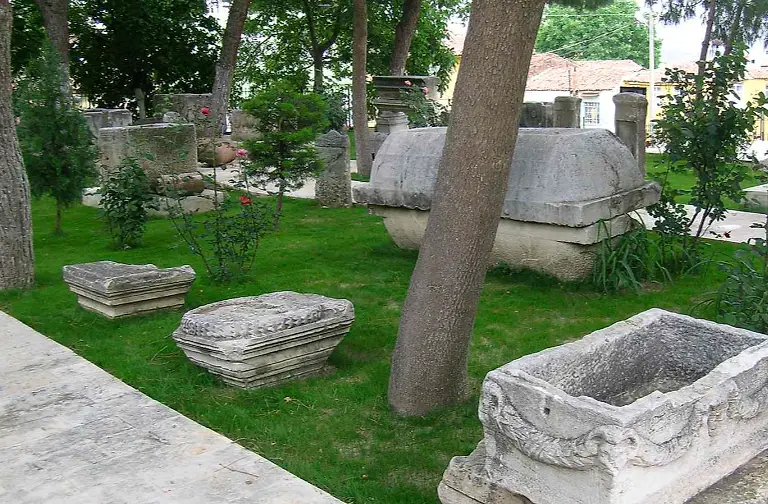
The museum of Tire, Izmir, founded in the 1940s and in its current building since 1971, holding some 30,000 objects, above all coins, with archaeology and ethnography halls.
Visitor guideFour Istanbul landmarks, each sold on its own site by the agency behind this guide — dated entry and free cancellation up to 24 hours.
The sultans’ palace on Sarayburnu: courtyards, the Imperial Council, the treasury and the terraces over the water. Dated entry, sold online on its own site.
Justinian’s great underground reservoir: 336 columns in still water and the two Medusa heads. Fast-track entry with a digital audio guide.
Justinian’s cathedral, the sultans’ mosque and a working mosque again today. The ticket admits you to the upper visitor gallery.
A nineteenth-century palace on the water’s edge: the Selamlık, the Ceremonial Hall under its chandelier, the crystal staircase and the Harem.


