
Topkapı Palace
The sultans’ palace on Sarayburnu: courtyards, the Imperial Council, the treasury and the terraces over the water. Dated entry, sold online on its own site.
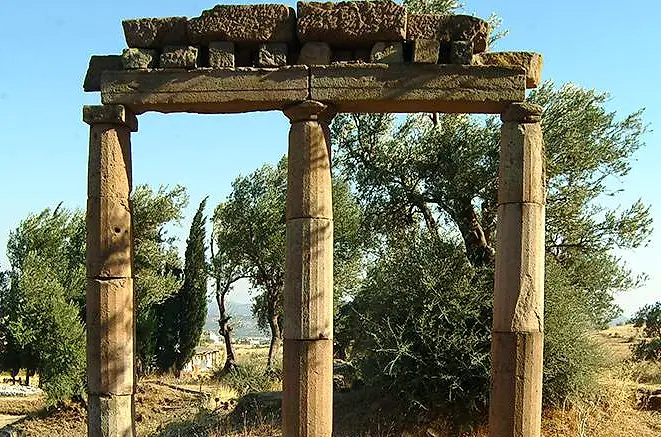
The ancient world's famous healing centre near Pergamon: a sacred way, a library, a small theatre and sleeping rooms where patients were treated with water, mud and music.
In the 4th century BC a healing centre was founded outside the acropolis of Pergamon in honour of Asklepios, god of medicine. With its advanced architectural plan and its treatments, it became the most important healing centre of western Anatolia. What survives today mostly belongs to the rebuilding ordered by Emperor Hadrian in the 2nd century AD.
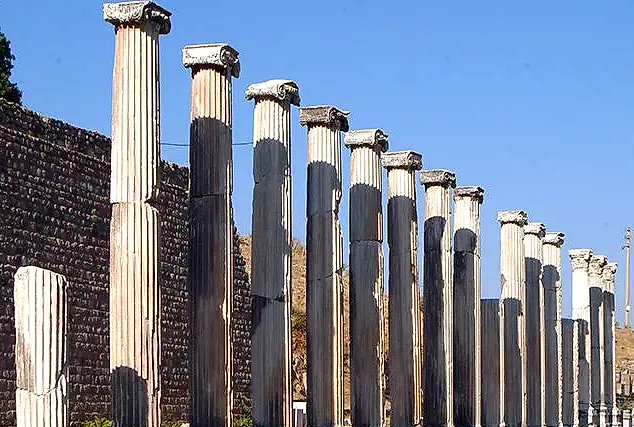
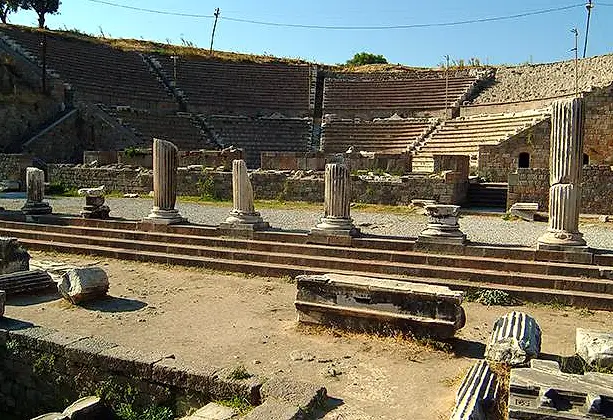
Pilgrims approached along the Via Tecta, a kilometre-long covered sacred way whose last stretch was lined with columns. At its end stand a monumental gateway, a library on the right and a temple of Zeus Asklepios on the left. Beyond lies a great courtyard surrounded by columned galleries, with a theatre of 3,500 seats in the north-west corner, a large banquet hall and the round treatment building at the south-east. In the west part are sacred springs, the foundations of an early temple and the sleeping rooms.
We know how patients were treated from the orator Aelius Aristides, who was cured here and described it in his "Hieroi Logoi": sleep induced to receive dreams, the sound of water, mud cures, healing waters, cupping, fasting and feasting regimens, therapy and music. Pergamon was also the home town of the physician Galen, the father of pharmacy, who cared for gladiators and Roman rulers here.
According to the Ministry’s listing it opens at 08:30 and closes at 20:00 (last entry 19:15). Open every day.
No. This site sells no tickets. Topkapı Palace, the Basilica Cistern, Hagia Sophia and Dolmabahçe Palace are sold on our sister sites; for Bergama Asklepion Archaeological Site, buy at the ticket office or on the Ministry’s official e-ticket system.
Bergama Asklepion Archaeological Site is in İzmir, Türkiye — Zafer Mahallesi Prof. Dr. Frieldhelm Korte Caddesi No:1.
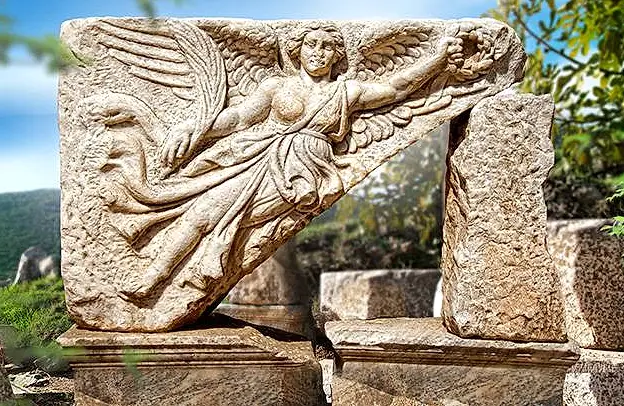
One of the great cities of the ancient world, a UNESCO site with the Library of Celsus, the Great Theatre and centuries of Greek, Roman and Christian history.
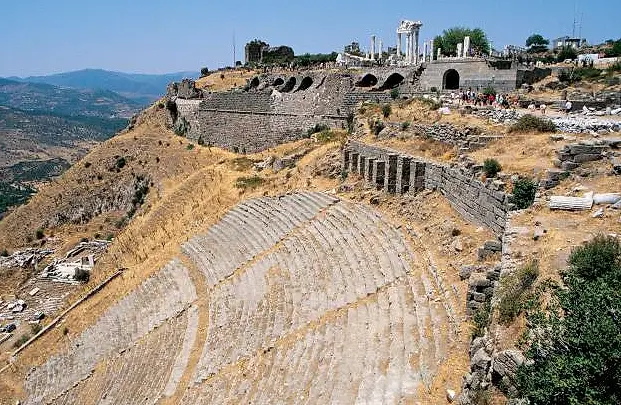
The hilltop capital of the Attalid kings, a UNESCO World Heritage Site with a steep theatre, sanctuaries and the great altar's setting.
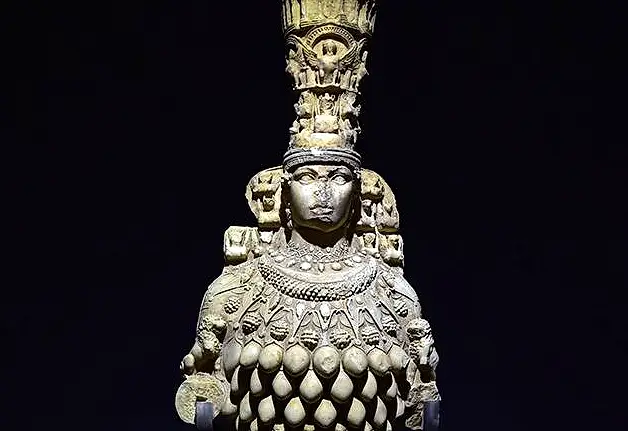
One of Türkiye's most visited museums, in Selçuk, with the famous Ephesian Artemis, Eros statues, coins, jewellery and a garden bazaar of old crafts.
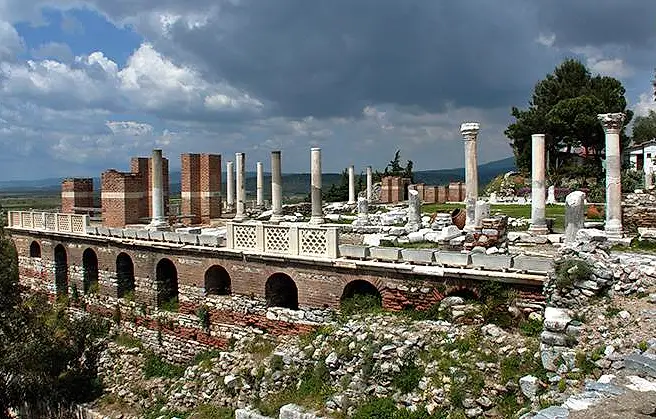
The hilltop site above Selçuk where the Basilica of St. John was built over the apostle's tomb, an important witness to early Christianity near Ephesus.
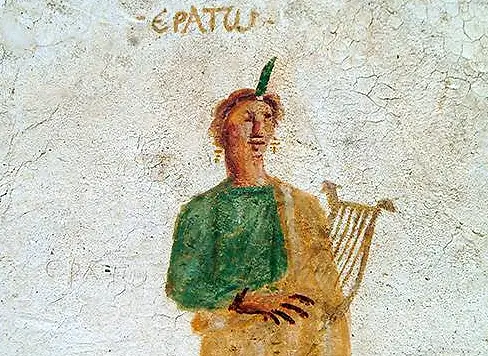
Seven well-preserved Roman houses on the slope of Bülbül Mountain, where Ephesus's elite lived among mosaics, frescoes and underfloor heating.
Four Istanbul landmarks, each sold on its own site by the agency behind this guide — dated entry and free cancellation up to 24 hours.
The sultans’ palace on Sarayburnu: courtyards, the Imperial Council, the treasury and the terraces over the water. Dated entry, sold online on its own site.
Justinian’s great underground reservoir: 336 columns in still water and the two Medusa heads. Fast-track entry with a digital audio guide.
Justinian’s cathedral, the sultans’ mosque and a working mosque again today. The ticket admits you to the upper visitor gallery.
A nineteenth-century palace on the water’s edge: the Selamlık, the Ceremonial Hall under its chandelier, the crystal staircase and the Harem.


