
Topkapı Palace
The sultans’ palace on Sarayburnu: courtyards, the Imperial Council, the treasury and the terraces over the water. Dated entry, sold online on its own site.
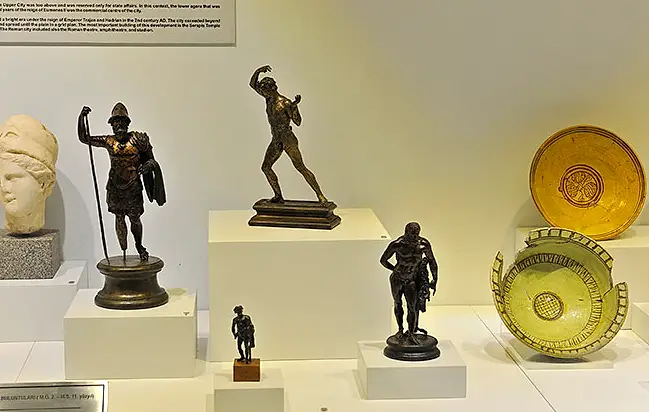
The museum of ancient Pergamon: archaeological finds from the Acropolis and Asklepion, plus an ethnography section on the nomad tribes and carpets of the Bergama region.
Bergama is the modern town beside ancient Pergamon, and its museum tells the story of both. Research began in 1865 when the high reliefs of the Altar of Zeus were found inside a Byzantine wall on the Acropolis. Official excavations followed from 1878 to 1886 under C. Humann and A. Conze, and a small depot museum was built in the excavation-house garden to protect the finds.
As discoveries grew, a proper building was needed. Some pieces were shown in a town-centre building from 1924. In the 1930s, through Turkish-German cooperation and at the request of the governor of İzmir, a new museum was founded on the site of an old cemetery, with a design inspired by the Altar of Zeus. It was completed on 30 October 1936.
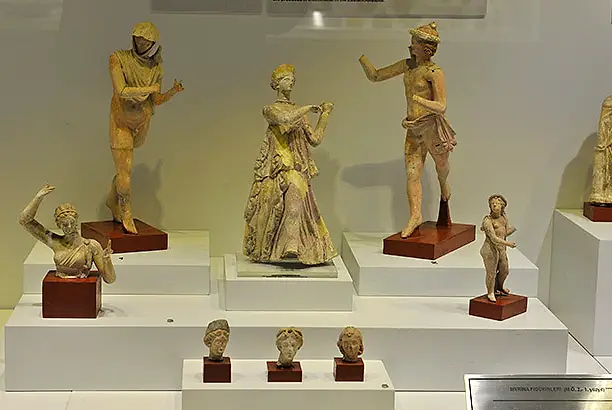
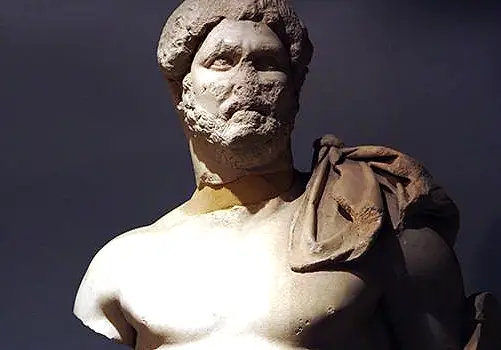
Most of the archaeological exhibits come from the Acropolis, the Asklepion, the Red Hall (Serapeion) and the Musalla cemetery, together with finds from nearby cities such as Pitane, Myrina and Gryneion. The chronology runs from the Bronze Age to the end of the Ottoman period, including Pergamon-made pottery, Megarian bowls and cistophoric coins first minted here. The ethnography section shows costumes of the Yörük, Turkmen and Çepni tribes, bridal wear, and carpets, rugs and saddle bags from the Bergama region, a notable carpet centre.
According to the Ministry’s listing it opens at 08:30 and closes at 20:00 (last entry 19:30). Open every day.
No. This site sells no tickets. Topkapı Palace, the Basilica Cistern, Hagia Sophia and Dolmabahçe Palace are sold on our sister sites; for Bergama Museum, buy at the ticket office or on the Ministry’s official e-ticket system.
Bergama Museum is in İzmir, Türkiye — Zafer Mahallesi,Cumhuriyet Caddesi,No :10.
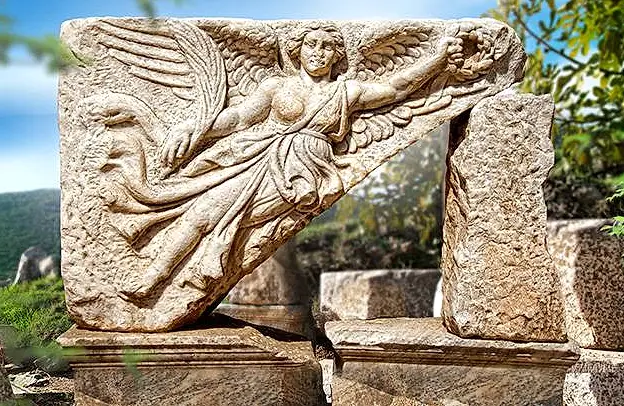
One of the great cities of the ancient world, a UNESCO site with the Library of Celsus, the Great Theatre and centuries of Greek, Roman and Christian history.
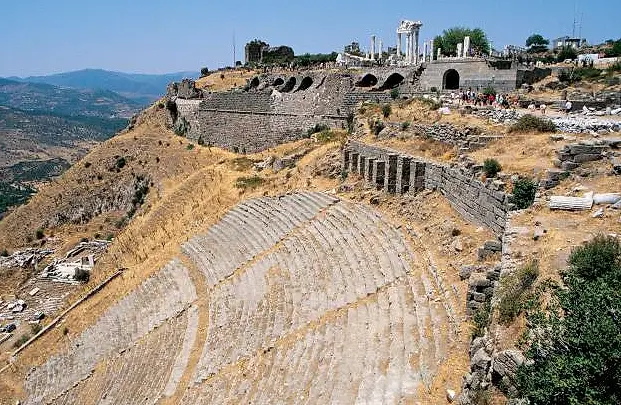
The hilltop capital of the Attalid kings, a UNESCO World Heritage Site with a steep theatre, sanctuaries and the great altar's setting.
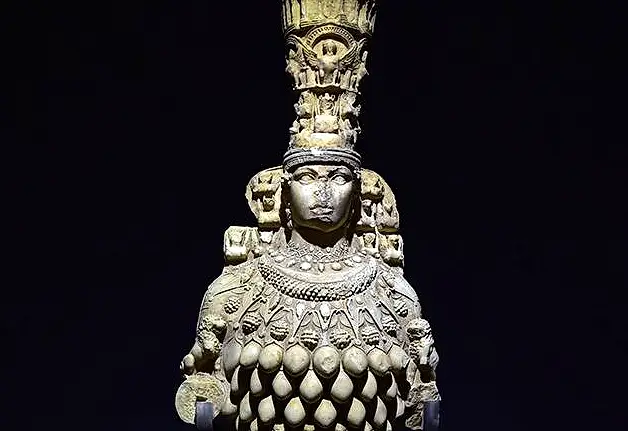
One of Türkiye's most visited museums, in Selçuk, with the famous Ephesian Artemis, Eros statues, coins, jewellery and a garden bazaar of old crafts.
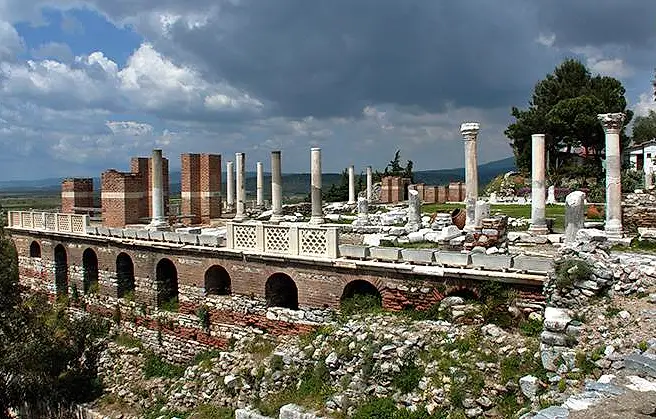
The hilltop site above Selçuk where the Basilica of St. John was built over the apostle's tomb, an important witness to early Christianity near Ephesus.
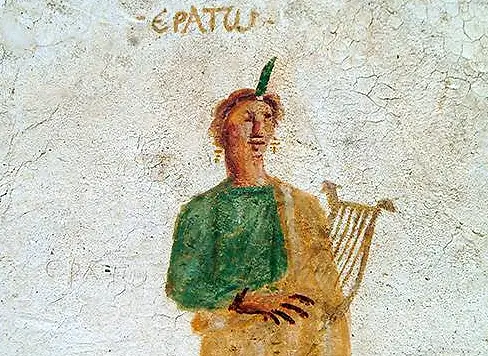
Seven well-preserved Roman houses on the slope of Bülbül Mountain, where Ephesus's elite lived among mosaics, frescoes and underfloor heating.
Four Istanbul landmarks, each sold on its own site by the agency behind this guide — dated entry and free cancellation up to 24 hours.
The sultans’ palace on Sarayburnu: courtyards, the Imperial Council, the treasury and the terraces over the water. Dated entry, sold online on its own site.
Justinian’s great underground reservoir: 336 columns in still water and the two Medusa heads. Fast-track entry with a digital audio guide.
Justinian’s cathedral, the sultans’ mosque and a working mosque again today. The ticket admits you to the upper visitor gallery.
A nineteenth-century palace on the water’s edge: the Selamlık, the Ceremonial Hall under its chandelier, the crystal staircase and the Harem.


