
Topkapı Palace
The sultans’ palace on Sarayburnu: courtyards, the Imperial Council, the treasury and the terraces over the water. Dated entry, sold online on its own site.
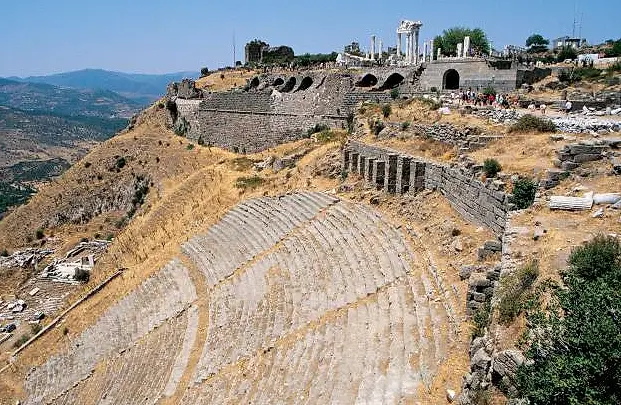
The hilltop capital of the Attalid kings, a UNESCO World Heritage Site with a steep theatre, sanctuaries and the great altar's setting.
Pergamon crowns a steep hill above modern Bergama and entered the UNESCO World Heritage List in 2014. Despite invasions and destruction, its strategic position kept it inhabited through history. The name is linked to the word for citadel. Around 283 BC Philetairos founded a kingdom that lasted about 150 years as a strong political, economic and cultural power, until Attalos III's will passed the kingdom to Rome in 133 BC and the city became capital of the province of Asia.
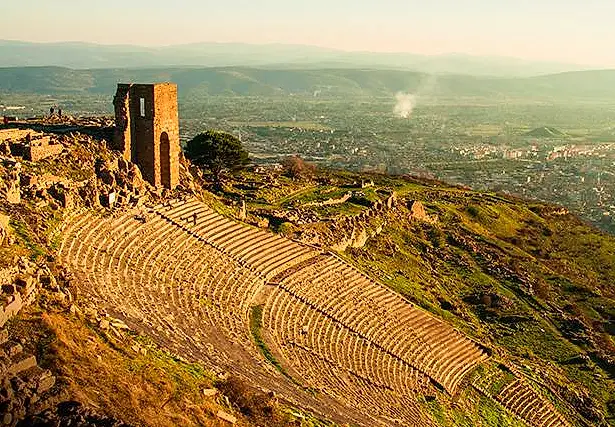
Against a difficult slope, the city planners built terraces bearing large sanctuaries, public buildings and houses. The monuments include the steeply set theatre, a long stoa, a three-terraced gymnasium, the Great Altar, tumuli, pressurised water pipelines, city walls and the Kybele sanctuary. The Attalid dynasty founded one of the largest libraries of antiquity, and rivalry among Hellenistic courts produced Pergamon's famous school of sculpture.
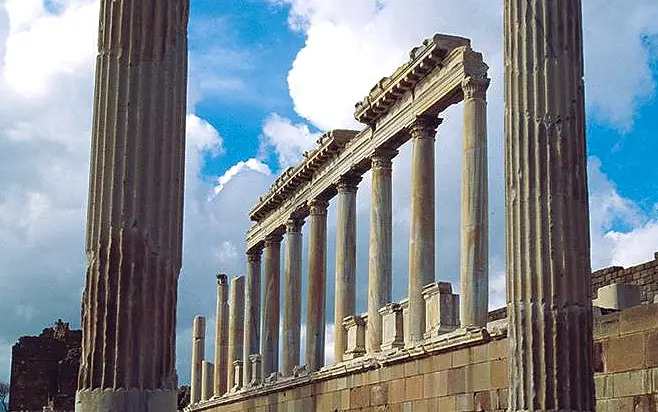
Roman times added the Trajan Temple, the Serapeum and other works, and the Asclepion healing sanctuary, with a sacred spring that still flows. In the Byzantine period Pergamon shrank to a middle-sized town, yet remained a place of Christian importance as one of the Seven Churches of Asia.
According to the Ministry’s listing it opens at 08:30 and closes at 20:00 (last entry 19:15). Open every day.
No. This site sells no tickets. Topkapı Palace, the Basilica Cistern, Hagia Sophia and Dolmabahçe Palace are sold on our sister sites; for Bergama Acropolis (Pergamon), buy at the ticket office or on the Ministry’s official e-ticket system.
Bergama Acropolis (Pergamon) is in İzmir, Türkiye — Kurtuluş mah.akropol yolu no:10 bergama.
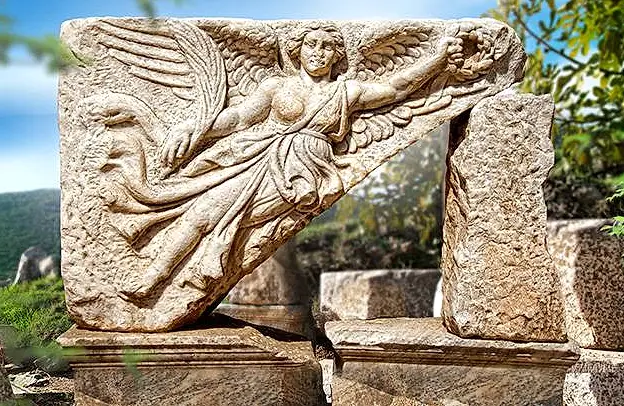
One of the great cities of the ancient world, a UNESCO site with the Library of Celsus, the Great Theatre and centuries of Greek, Roman and Christian history.
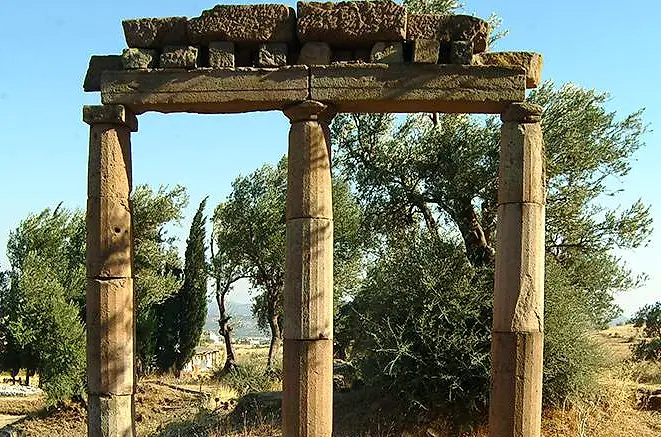
The ancient world's famous healing centre near Pergamon: a sacred way, a library, a small theatre and sleeping rooms where patients were treated with water, mud and music.
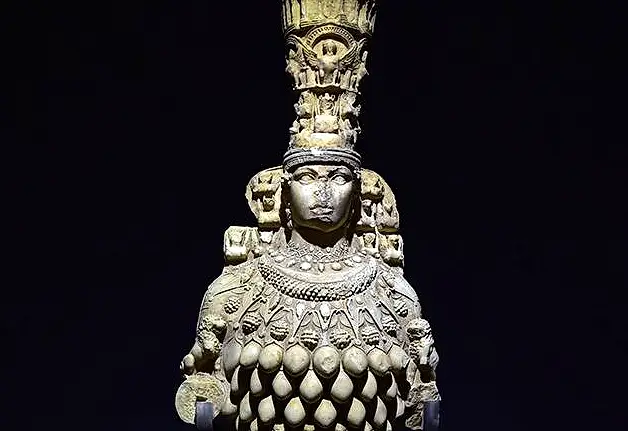
One of Türkiye's most visited museums, in Selçuk, with the famous Ephesian Artemis, Eros statues, coins, jewellery and a garden bazaar of old crafts.
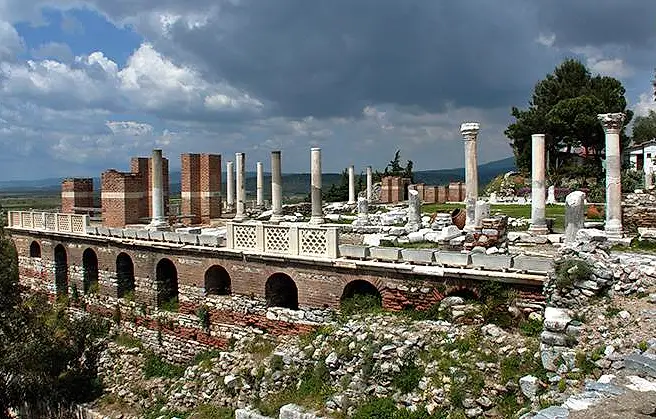
The hilltop site above Selçuk where the Basilica of St. John was built over the apostle's tomb, an important witness to early Christianity near Ephesus.
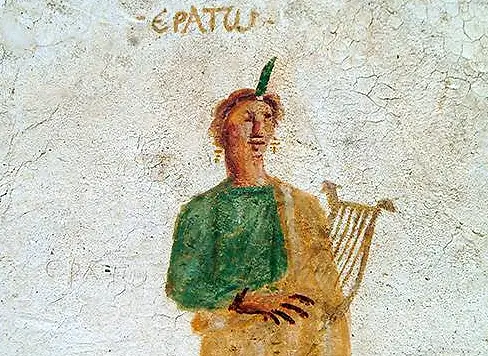
Seven well-preserved Roman houses on the slope of Bülbül Mountain, where Ephesus's elite lived among mosaics, frescoes and underfloor heating.
Four Istanbul landmarks, each sold on its own site by the agency behind this guide — dated entry and free cancellation up to 24 hours.
The sultans’ palace on Sarayburnu: courtyards, the Imperial Council, the treasury and the terraces over the water. Dated entry, sold online on its own site.
Justinian’s great underground reservoir: 336 columns in still water and the two Medusa heads. Fast-track entry with a digital audio guide.
Justinian’s cathedral, the sultans’ mosque and a working mosque again today. The ticket admits you to the upper visitor gallery.
A nineteenth-century palace on the water’s edge: the Selamlık, the Ceremonial Hall under its chandelier, the crystal staircase and the Harem.


