
Topkapı Palace
The sultans’ palace on Sarayburnu: courtyards, the Imperial Council, the treasury and the terraces over the water. Dated entry, sold online on its own site.
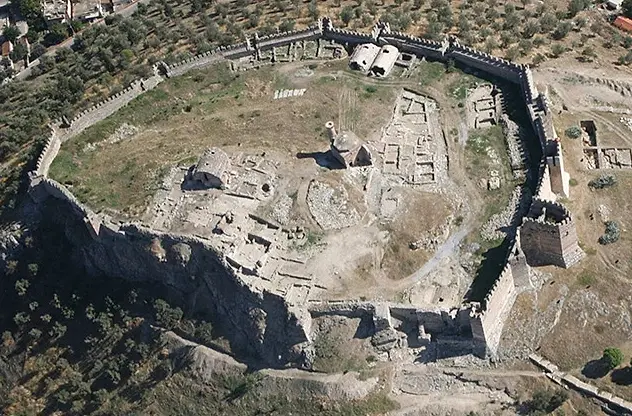
The hill above Selçuk where Ephesus began and ended: a medieval citadel and the ruins of the great basilica of St. John, with excavations that pushed the city's roots to the Neolithic.
Ayasuluk Hill rises above the modern town of Selçuk and tells the story of Ephesus at both ends. Excavations here since 1990 have changed the picture: the site was long thought to have been founded by Greek colonists around 1050 BC, but finds show settlement going back to the Neolithic, around 7000 BC. In the Bronze Age it was known as Apasas and it stayed the main city until the Lydian king Croesus took Ephesus in 560 BC.
When people left the old classical city after the 7th century AD and settled on the hill, it became a key Byzantine city and pilgrimage centre. It fell to the Turks in 1304, took the name Ayasuluk and, from 1350, was for a time the capital of the Aydınoğulları principality.
The inner citadel on the highest point has Seljuk and Ottoman walls with two gates, cisterns, a small mosque and the remains of a lord's pavilion and bath.
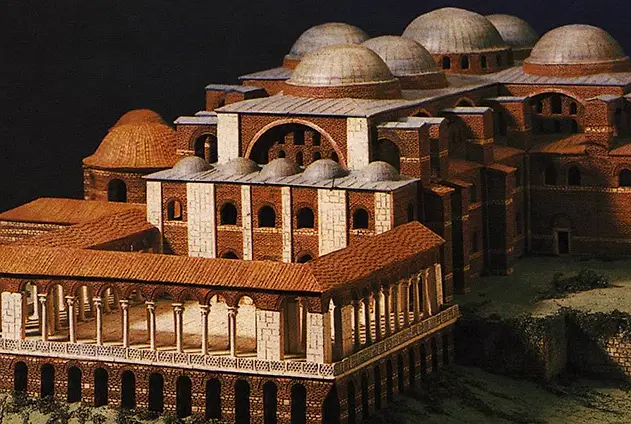
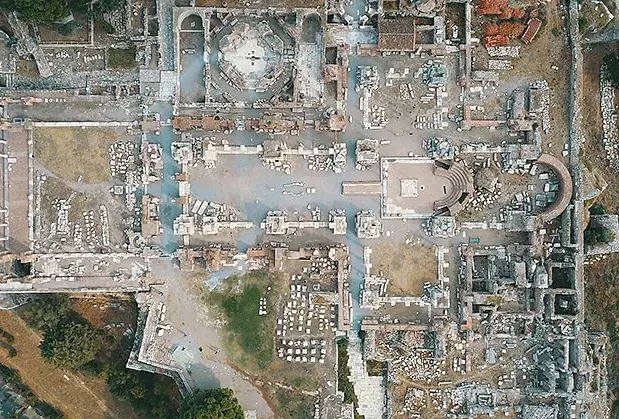
On the southern slope stands the Basilica of St. John. Christian tradition holds that John the Theologian, apostle and gospel writer, died in Ephesus and was buried here. A simple tomb was followed by a timber-roofed basilica in the 5th century, then a domed, cross-plan church built by Justinian and Theodora after earthquakes in the early 6th.
According to the Ministry’s listing it opens at 08:30 and closes at 18:00 (last entry 17:00). Open every day.
No. This site sells no tickets. Topkapı Palace, the Basilica Cistern, Hagia Sophia and Dolmabahçe Palace are sold on our sister sites; for Ayasuluk Archaeological Site, buy at the ticket office or on the Ministry’s official e-ticket system.
Ayasuluk Archaeological Site is in İzmir, Türkiye — İsabey Mahallesi.
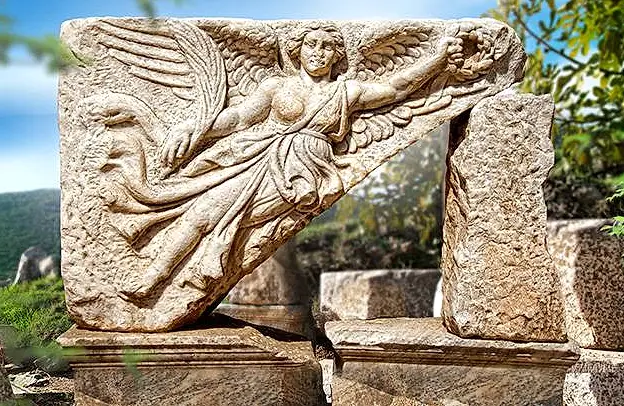
One of the great cities of the ancient world, a UNESCO site with the Library of Celsus, the Great Theatre and centuries of Greek, Roman and Christian history.
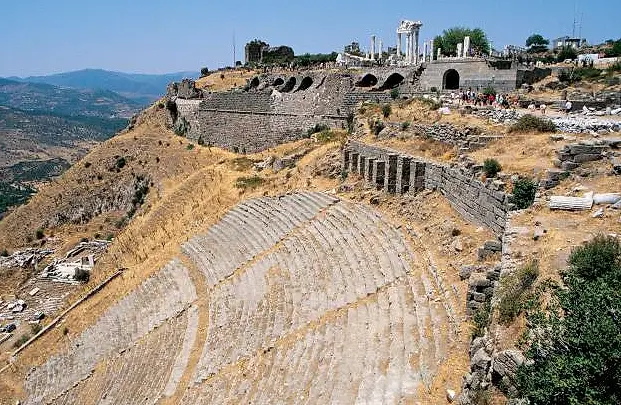
The hilltop capital of the Attalid kings, a UNESCO World Heritage Site with a steep theatre, sanctuaries and the great altar's setting.
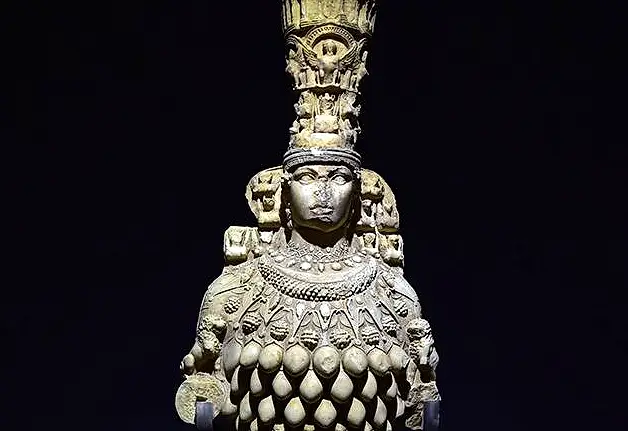
One of Türkiye's most visited museums, in Selçuk, with the famous Ephesian Artemis, Eros statues, coins, jewellery and a garden bazaar of old crafts.
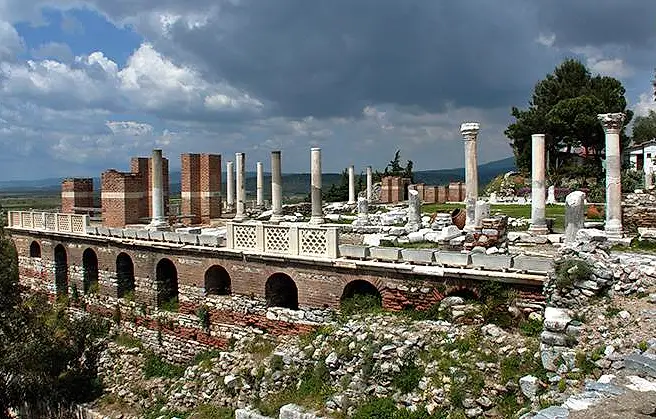
The hilltop site above Selçuk where the Basilica of St. John was built over the apostle's tomb, an important witness to early Christianity near Ephesus.
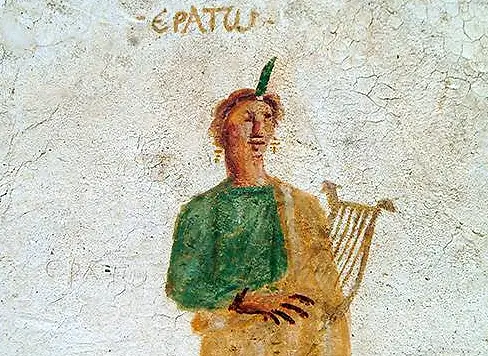
Seven well-preserved Roman houses on the slope of Bülbül Mountain, where Ephesus's elite lived among mosaics, frescoes and underfloor heating.
Four Istanbul landmarks, each sold on its own site by the agency behind this guide — dated entry and free cancellation up to 24 hours.
The sultans’ palace on Sarayburnu: courtyards, the Imperial Council, the treasury and the terraces over the water. Dated entry, sold online on its own site.
Justinian’s great underground reservoir: 336 columns in still water and the two Medusa heads. Fast-track entry with a digital audio guide.
Justinian’s cathedral, the sultans’ mosque and a working mosque again today. The ticket admits you to the upper visitor gallery.
A nineteenth-century palace on the water’s edge: the Selamlık, the Ceremonial Hall under its chandelier, the crystal staircase and the Harem.


