
Topkapı Palace
The sultans’ palace on Sarayburnu: courtyards, the Imperial Council, the treasury and the terraces over the water. Dated entry, sold online on its own site.
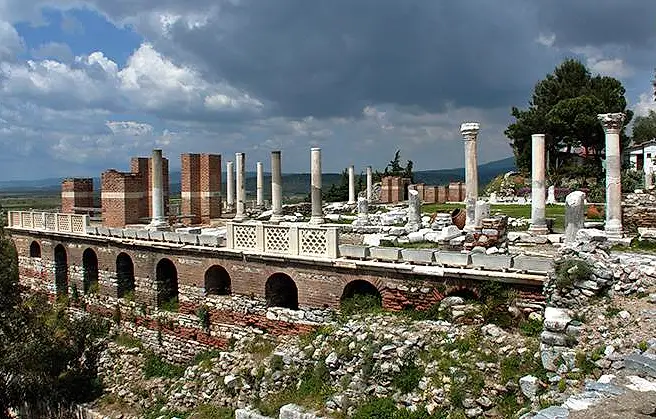
The hilltop site above Selçuk where the Basilica of St. John was built over the apostle's tomb, an important witness to early Christianity near Ephesus.
St. John, known in Turkish as Aziz Yahya, was one of the twelve apostles of Jesus, and tradition holds that he wrote his Gospel in Ephesus. The basilica raised over his tomb is one of the most important witnesses to the early Christian era in the region.
Tradition also links the site with the Virgin Mary. It is said that after the crucifixion John brought her to Ephesus, judging Jerusalem unsafe, and that she lived and died on Bülbül Mountain, where John buried her in a place known only to him.
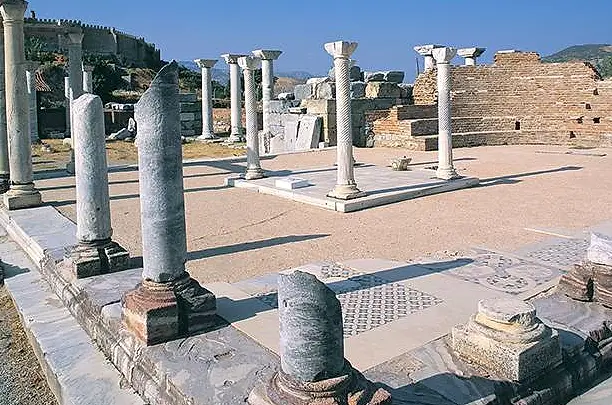
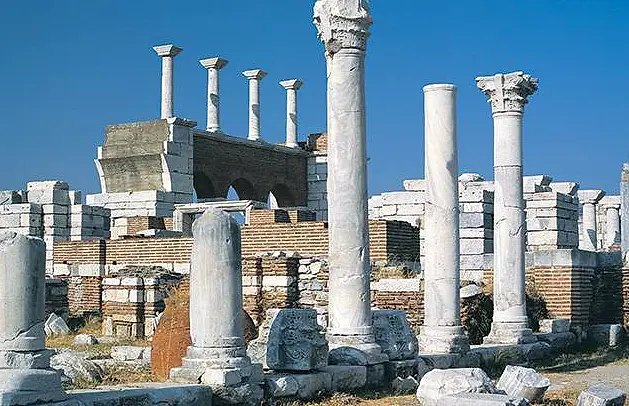
The great church was built over John's tomb by the Byzantine emperor Justinian in the sixth century, and it stood among the grandest churches of its day. The ruins that visitors walk through today give a sense of its scale, and the hill on which it stands, Ayasuluk, adds a fortress and long views over the plain toward Ephesus.
According to the Ministry’s listing it opens at 08:00 and closes at 19:00 (last entry 18:30). Open every day.
No. This site sells no tickets. Topkapı Palace, the Basilica Cistern, Hagia Sophia and Dolmabahçe Palace are sold on our sister sites; for Ayasuluk (St. John) Archaeological Site, buy at the ticket office or on the Ministry’s official e-ticket system.
Ayasuluk (St. John) Archaeological Site is in İzmir, Türkiye — İsa Bey Mahallesi, St.Jean sok. No:4.
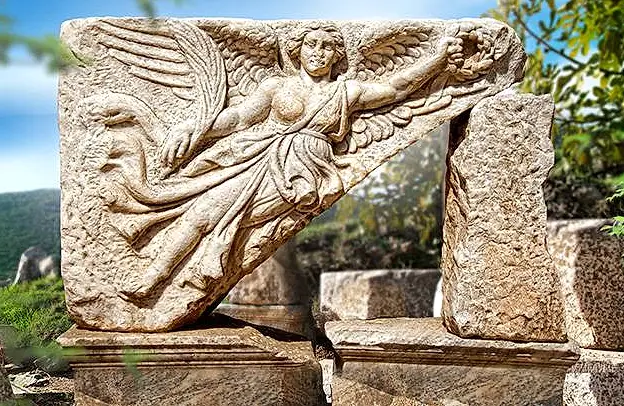
One of the great cities of the ancient world, a UNESCO site with the Library of Celsus, the Great Theatre and centuries of Greek, Roman and Christian history.
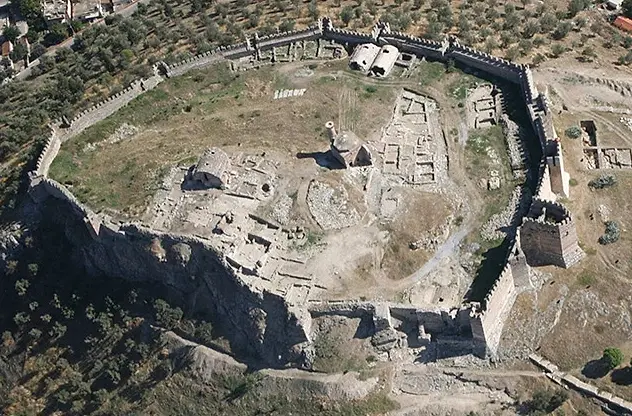
The hill above Selçuk where Ephesus began and ended: a medieval citadel and the ruins of the great basilica of St. John, with excavations that pushed the city's roots to the Neolithic.
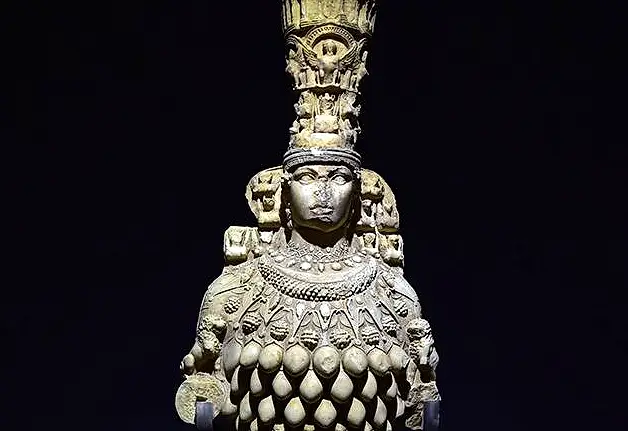
One of Türkiye's most visited museums, in Selçuk, with the famous Ephesian Artemis, Eros statues, coins, jewellery and a garden bazaar of old crafts.
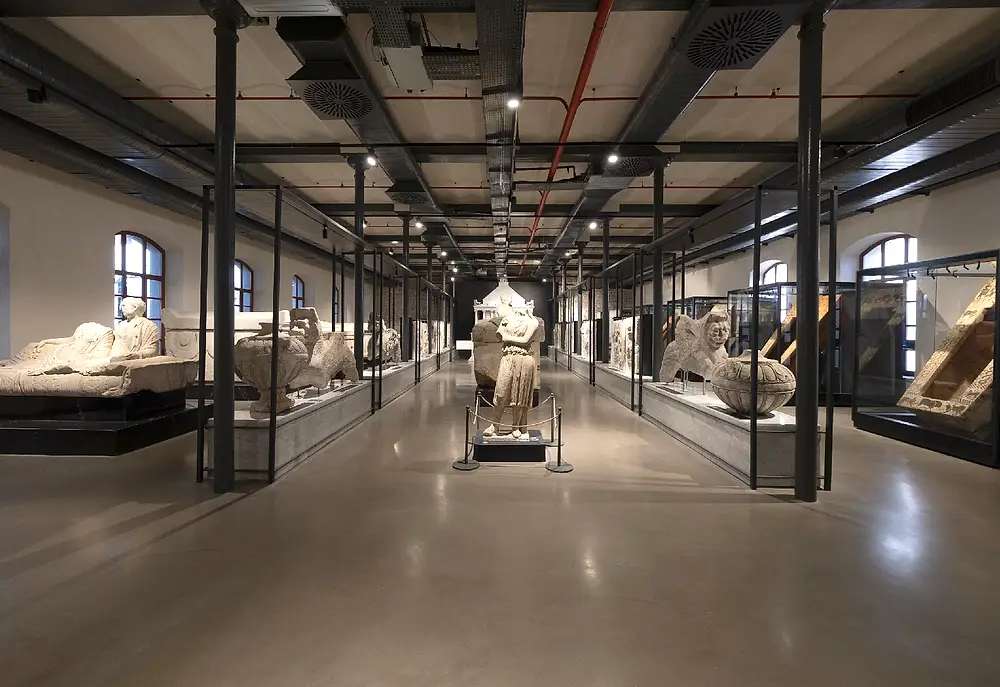
A former tobacco factory in Alsancak, restored and opened in 2023, holding an archaeology and ethnography museum, a painting and sculpture museum and libraries.
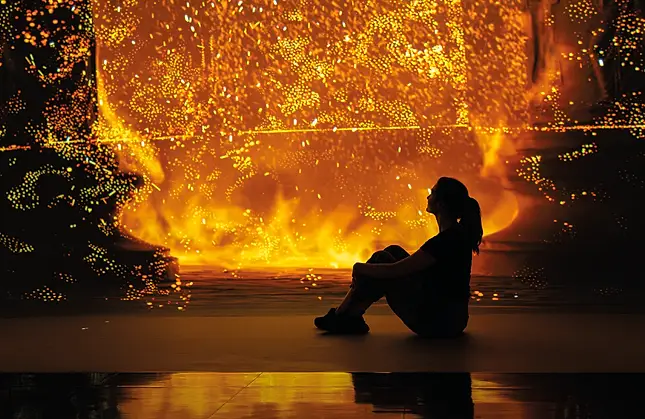
An immersive museum beside the ancient city that uses story and technology to bring Ephesus's golden age to life, from its founder Androklos to St Paul.
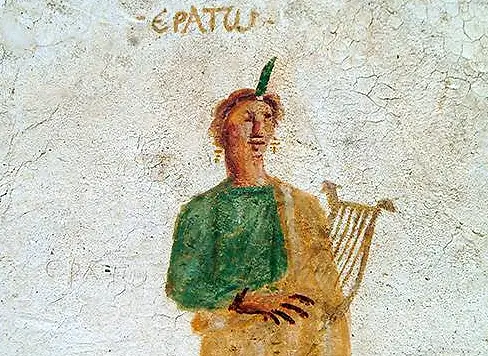
Seven well-preserved Roman houses on the slope of Bülbül Mountain, where Ephesus's elite lived among mosaics, frescoes and underfloor heating.
Four Istanbul landmarks, each sold on its own site by the agency behind this guide — dated entry and free cancellation up to 24 hours.
The sultans’ palace on Sarayburnu: courtyards, the Imperial Council, the treasury and the terraces over the water. Dated entry, sold online on its own site.
Justinian’s great underground reservoir: 336 columns in still water and the two Medusa heads. Fast-track entry with a digital audio guide.
Justinian’s cathedral, the sultans’ mosque and a working mosque again today. The ticket admits you to the upper visitor gallery.
A nineteenth-century palace on the water’s edge: the Selamlık, the Ceremonial Hall under its chandelier, the crystal staircase and the Harem.


