
Topkapı Palace
The sultans’ palace on Sarayburnu: courtyards, the Imperial Council, the treasury and the terraces over the water. Dated entry, sold online on its own site.
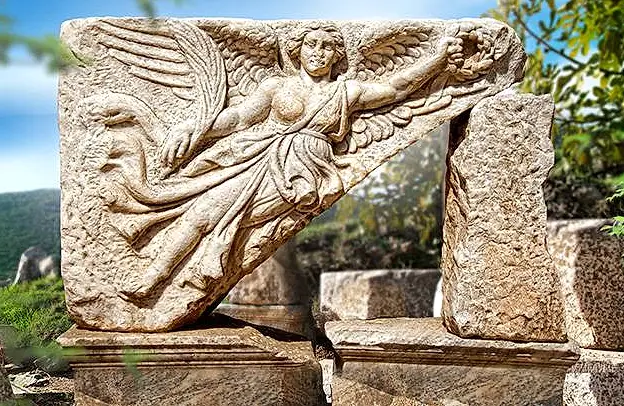
One of the great cities of the ancient world, a UNESCO site with the Library of Celsus, the Great Theatre and centuries of Greek, Roman and Christian history.
Ephesus was the Anatolian capital of the ancient world and a magnificent metropolis. Its monuments, standing for thousands of years, earned the site a place on the UNESCO World Heritage List. The city grew around the cult of Anatolia's mother goddess, and the Temple of Artemis, one of the Seven Wonders, stood nearby. Ephesus was continuously settled from prehistory through Hellenistic, Roman, Byzantine, beylik and Ottoman times, always a political and commercial centre and a gateway between the continents. Digs have run for nearly 125 years, and much of the city is still buried.
The most famous ruin is the Library of Celsus, with its imposing columns, built in the second century AD and once among the great libraries of antiquity after Alexandria and Pergamon. Along Curetes Street you pass the Gate of Hadrian and the Temple of Hadrian. The Great Theatre held about 25,000 people, and there are also a stadium, commercial and state agoras, the Prytaneion with the temple of Hestia and its sacred fire, an odeon for around 1,800 people and the ancient harbour.
The site has two gates about three kilometres apart, called the lower and upper gates. The Terrace Houses have their own separate entrance, and the Church of Mary, scene of the Ecumenical Council of 431, is well worth seeing.
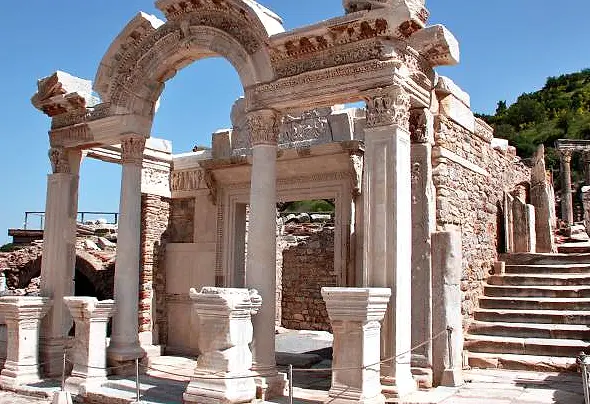
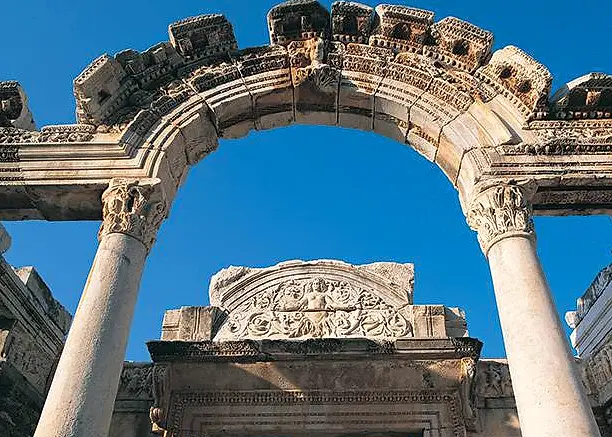
According to the Ministry’s listing it opens at 08:00 and closes at 18:45. Open every day.
No. This site sells no tickets. Topkapı Palace, the Basilica Cistern, Hagia Sophia and Dolmabahçe Palace are sold on our sister sites; for Ephesus Archaeological Site, buy at the ticket office or on the Ministry’s official e-ticket system.
Ephesus Archaeological Site is in İzmir, Türkiye — Efes Harabeleri, 35920 Selçuk/İzmir.
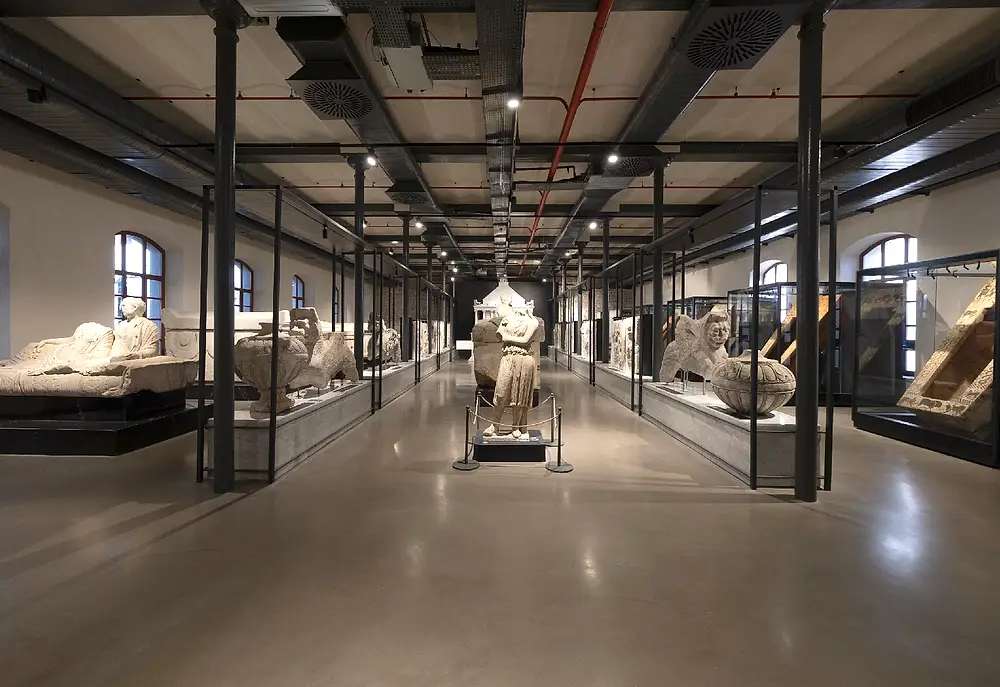
A former tobacco factory in Alsancak, restored and opened in 2023, holding an archaeology and ethnography museum, a painting and sculpture museum and libraries.
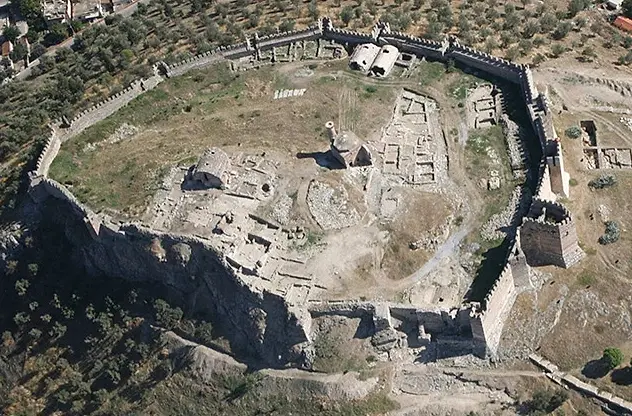
The hill above Selçuk where Ephesus began and ended: a medieval citadel and the ruins of the great basilica of St. John, with excavations that pushed the city's roots to the Neolithic.
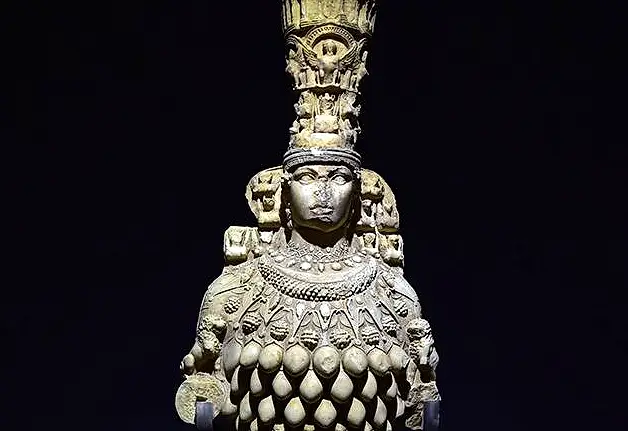
One of Türkiye's most visited museums, in Selçuk, with the famous Ephesian Artemis, Eros statues, coins, jewellery and a garden bazaar of old crafts.
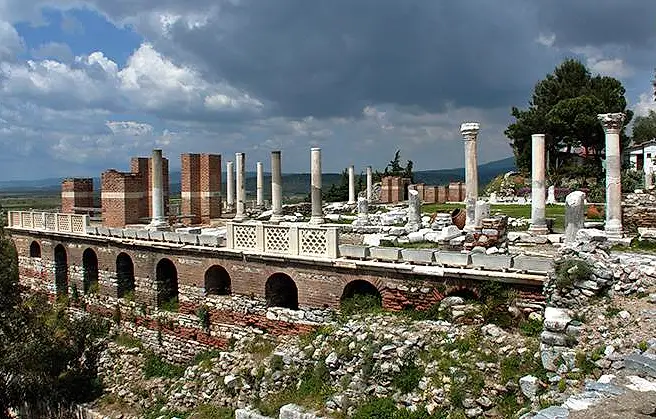
The hilltop site above Selçuk where the Basilica of St. John was built over the apostle's tomb, an important witness to early Christianity near Ephesus.
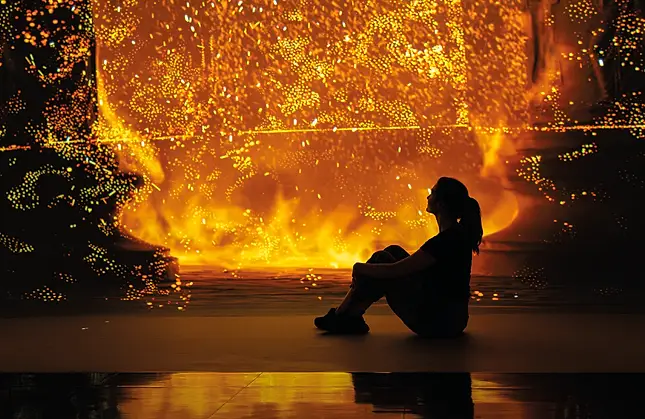
An immersive museum beside the ancient city that uses story and technology to bring Ephesus's golden age to life, from its founder Androklos to St Paul.
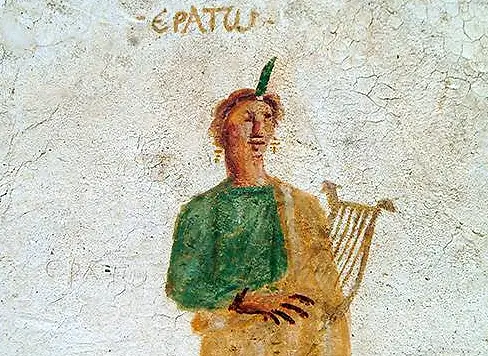
Seven well-preserved Roman houses on the slope of Bülbül Mountain, where Ephesus's elite lived among mosaics, frescoes and underfloor heating.
Four Istanbul landmarks, each sold on its own site by the agency behind this guide — dated entry and free cancellation up to 24 hours.
The sultans’ palace on Sarayburnu: courtyards, the Imperial Council, the treasury and the terraces over the water. Dated entry, sold online on its own site.
Justinian’s great underground reservoir: 336 columns in still water and the two Medusa heads. Fast-track entry with a digital audio guide.
Justinian’s cathedral, the sultans’ mosque and a working mosque again today. The ticket admits you to the upper visitor gallery.
A nineteenth-century palace on the water’s edge: the Selamlık, the Ceremonial Hall under its chandelier, the crystal staircase and the Harem.


