
Topkapı Palace
The sultans’ palace on Sarayburnu: courtyards, the Imperial Council, the treasury and the terraces over the water. Dated entry, sold online on its own site.
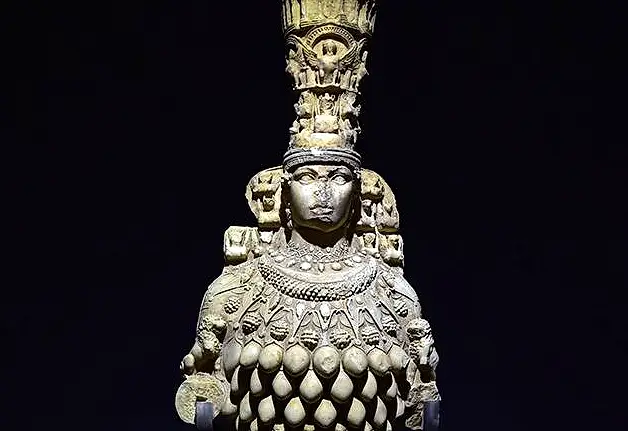
One of Türkiye's most visited museums, in Selçuk, with the famous Ephesian Artemis, Eros statues, coins, jewellery and a garden bazaar of old crafts.
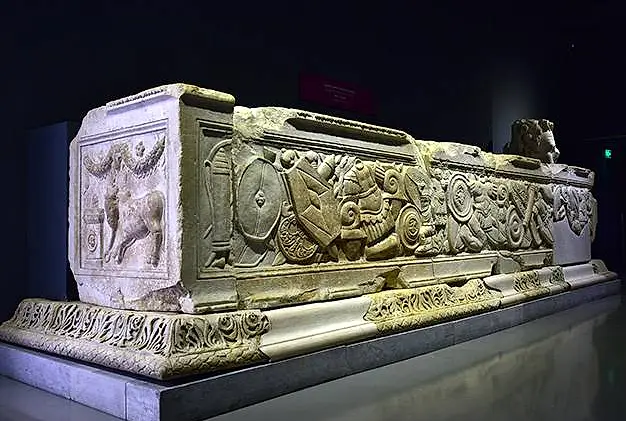
The Ephesus Museum, in Selçuk, holds the finest finds from the ancient city and its surroundings and is among Türkiye's most important museums for visitor numbers and cultural programmes. It is organised by subject and find groups, with halls for fountain finds, terrace house finds, ancient coins, the cult of Cybele, the Temple of Artemis and the imperial cult. Its story spans about 8,500 years, reaching back to finds from the Çukuriçi mound.
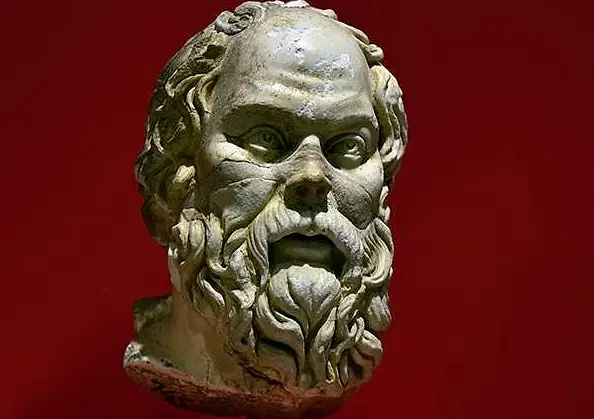
The best-known pieces are the Ephesian Artemis, the marble Artemis, Eros with a dolphin and Eros with a hare, the head of Eros, the statue of Priapus, an Egyptian priest, Isis, various mythological gods and a head of Socrates. Look too for the Resting Warrior found at the Polio Fountain and for the marble Marcus Aurelius. The Artemis statue shows features fused with Kybele, Anatolia's ancient mother goddess: a high temple-shaped crown, a pearl necklace and rows of fertility symbols across her chest.
In the middle garden, the arasta section shows trade life in old Turkish towns and crafts now fading away. A separate section displays electrum, gold, silver and copper coins and jewellery from antiquity into Ottoman times.
According to the Ministry’s listing it opens at 08:30 and closes at 20:00 (last entry 19:30). Open every day.
No. This site sells no tickets. Topkapı Palace, the Basilica Cistern, Hagia Sophia and Dolmabahçe Palace are sold on our sister sites; for Ephesus Museum, buy at the ticket office or on the Ministry’s official e-ticket system.
Ephesus Museum is in İzmir, Türkiye — Atatürk Mahallesi,Uğur Mumcu Sevgi Yolu,No: 26.
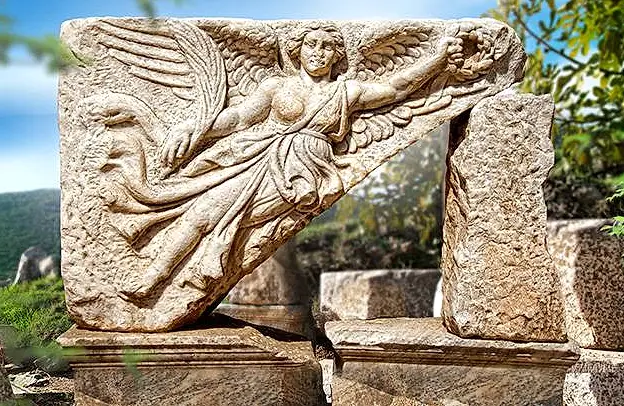
One of the great cities of the ancient world, a UNESCO site with the Library of Celsus, the Great Theatre and centuries of Greek, Roman and Christian history.
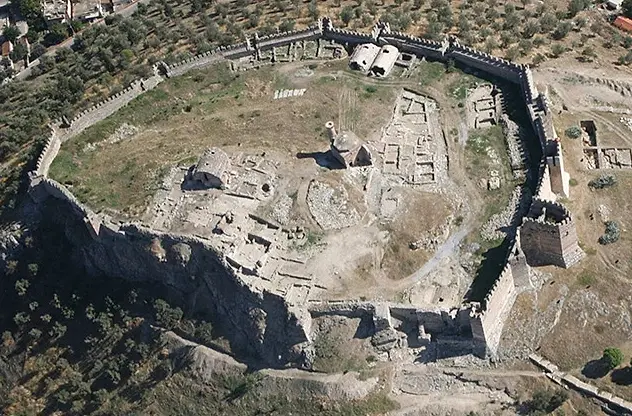
The hill above Selçuk where Ephesus began and ended: a medieval citadel and the ruins of the great basilica of St. John, with excavations that pushed the city's roots to the Neolithic.
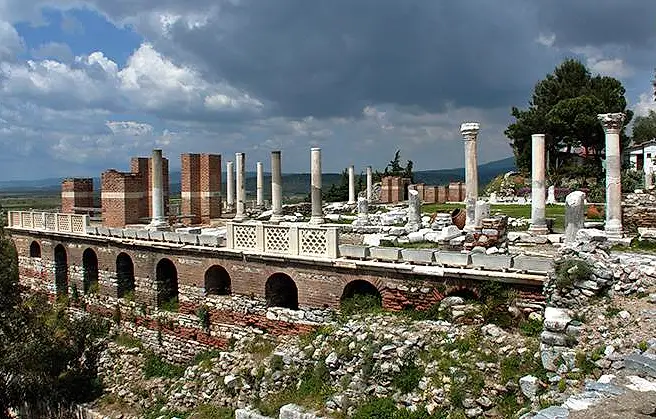
The hilltop site above Selçuk where the Basilica of St. John was built over the apostle's tomb, an important witness to early Christianity near Ephesus.
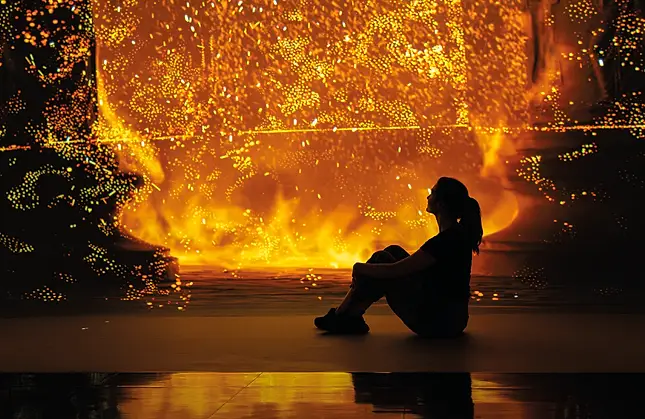
An immersive museum beside the ancient city that uses story and technology to bring Ephesus's golden age to life, from its founder Androklos to St Paul.
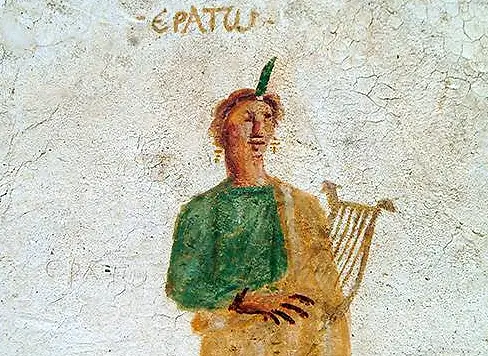
Seven well-preserved Roman houses on the slope of Bülbül Mountain, where Ephesus's elite lived among mosaics, frescoes and underfloor heating.
Four Istanbul landmarks, each sold on its own site by the agency behind this guide — dated entry and free cancellation up to 24 hours.
The sultans’ palace on Sarayburnu: courtyards, the Imperial Council, the treasury and the terraces over the water. Dated entry, sold online on its own site.
Justinian’s great underground reservoir: 336 columns in still water and the two Medusa heads. Fast-track entry with a digital audio guide.
Justinian’s cathedral, the sultans’ mosque and a working mosque again today. The ticket admits you to the upper visitor gallery.
A nineteenth-century palace on the water’s edge: the Selamlık, the Ceremonial Hall under its chandelier, the crystal staircase and the Harem.


