
Topkapı Palace
The sultans’ palace on Sarayburnu: courtyards, the Imperial Council, the treasury and the terraces over the water. Dated entry, sold online on its own site.
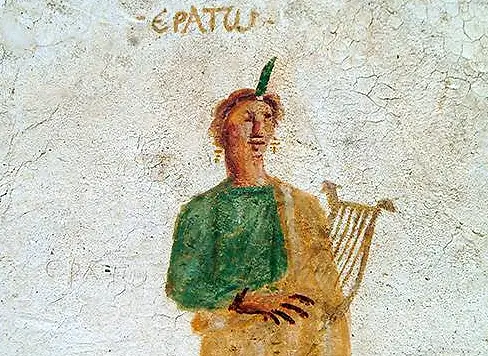
Seven well-preserved Roman houses on the slope of Bülbül Mountain, where Ephesus's elite lived among mosaics, frescoes and underfloor heating.
Inside the Ephesus site, the Terrace Houses form a district of seven Roman-era houses that once belonged to the city's prominent citizens. Very well preserved, they were built on terraces on the slopes of Bülbül Mountain, and their first construction dates to the first century AD. Before the Romans turned the slope into living quarters, it had been a cemetery in the Hellenistic period, and the new builders even reused materials from those who came before. The houses continued to be altered and extended until the city was abandoned.
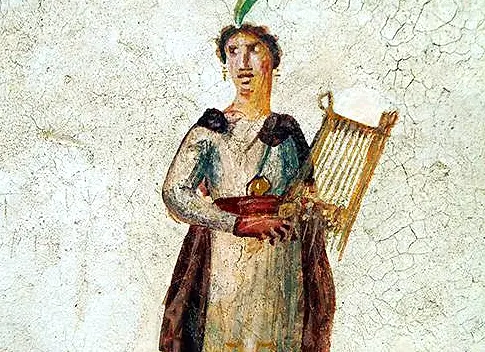
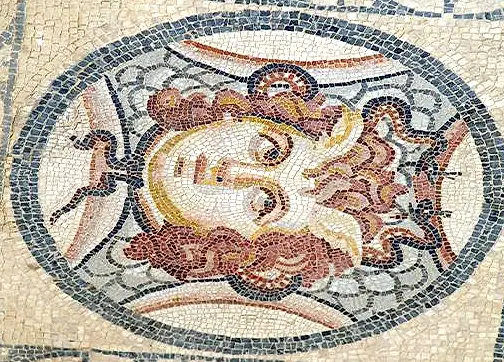
The homes wear their owners' wealth openly. Each is two storeys arranged around an open peristyle courtyard, with coloured mosaic floors and marble-clad walls. Frescoes, often showing scenes from mythology, decorate the rooms, and fountains and underfloor central heating show how comfortable life was here. It is a good place to imagine daily life in the city, beyond its public monuments.
The Terrace Houses have their own entrance within the Ephesus site.
According to the Ministry’s listing it opens at 09:00 and closes at 18:00. Open every day.
No. This site sells no tickets. Topkapı Palace, the Basilica Cistern, Hagia Sophia and Dolmabahçe Palace are sold on our sister sites; for Ephesus Terrace Houses, buy at the ticket office or on the Ministry’s official e-ticket system.
Ephesus Terrace Houses is in İzmir, Türkiye — İzmir Selçuk -.
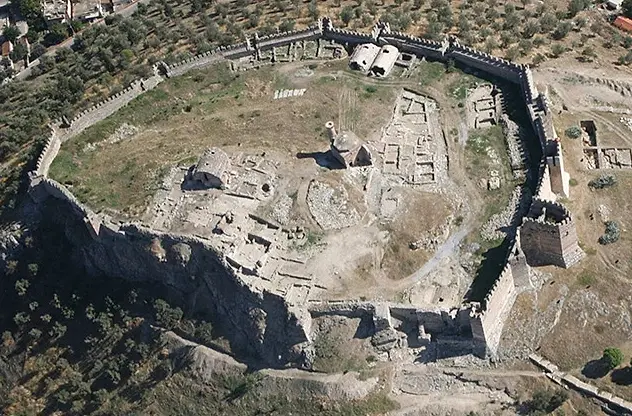
The hill above Selçuk where Ephesus began and ended: a medieval citadel and the ruins of the great basilica of St. John, with excavations that pushed the city's roots to the Neolithic.
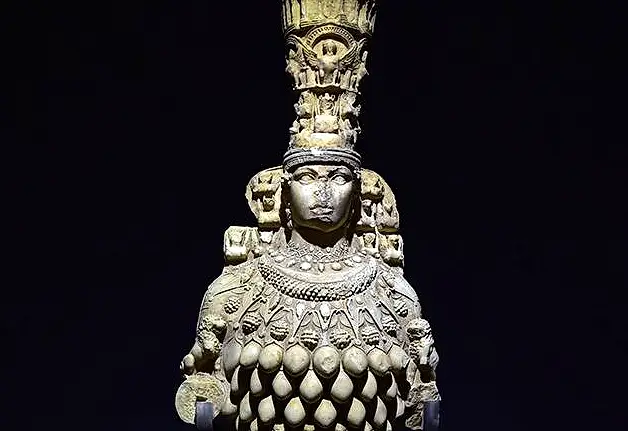
One of Türkiye's most visited museums, in Selçuk, with the famous Ephesian Artemis, Eros statues, coins, jewellery and a garden bazaar of old crafts.
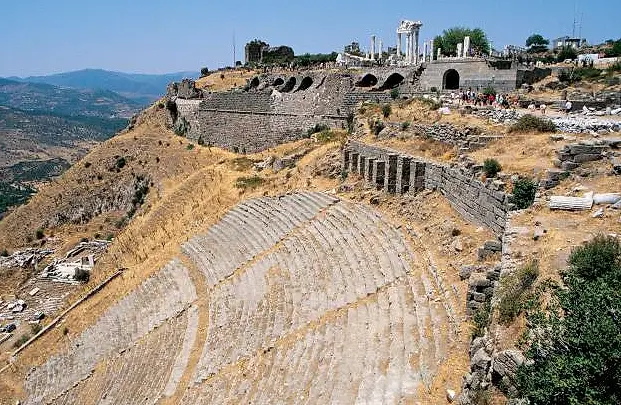
The hilltop capital of the Attalid kings, a UNESCO World Heritage Site with a steep theatre, sanctuaries and the great altar's setting.
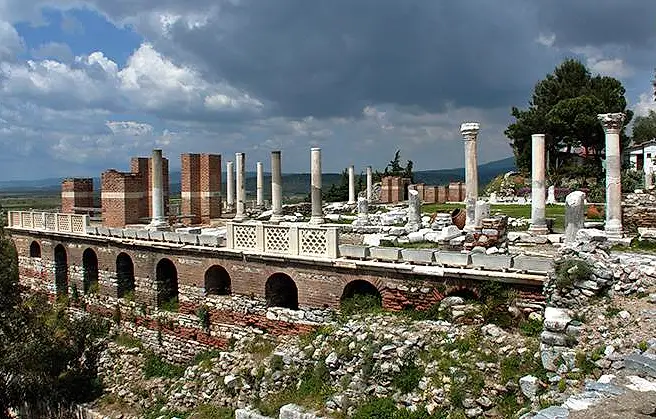
The hilltop site above Selçuk where the Basilica of St. John was built over the apostle's tomb, an important witness to early Christianity near Ephesus.
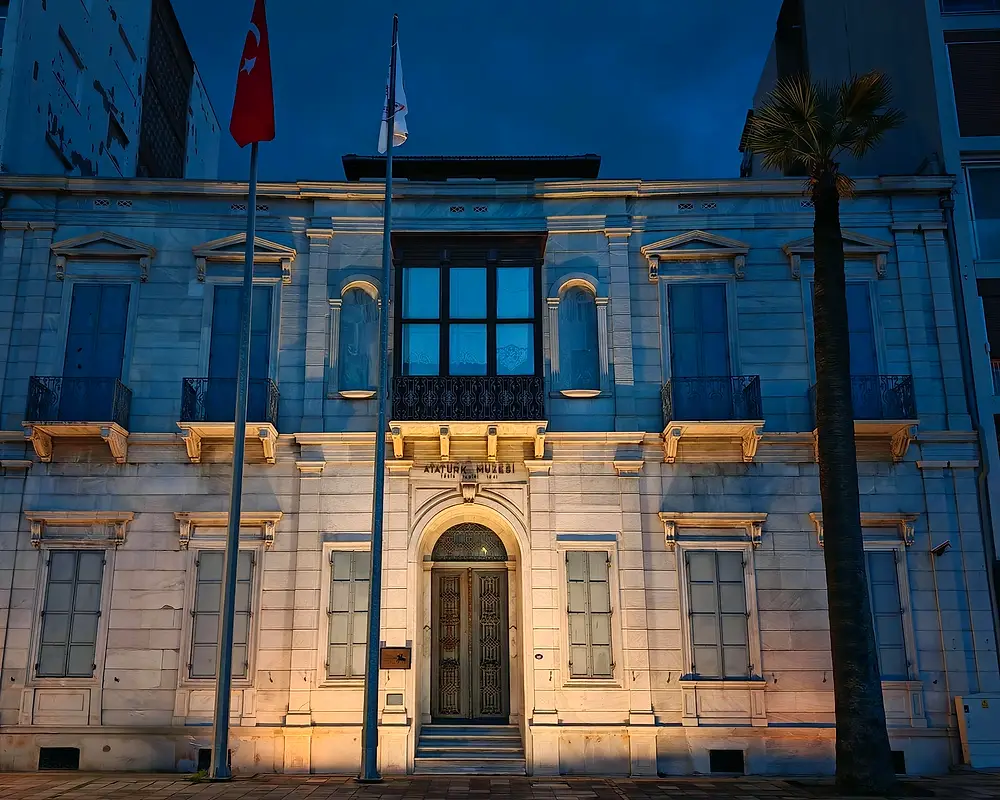
A Neoclassical house in Izmir where Atatürk stayed and worked, with the story of the Economic Congress of 1923 and of a house that became a museum in 1941.
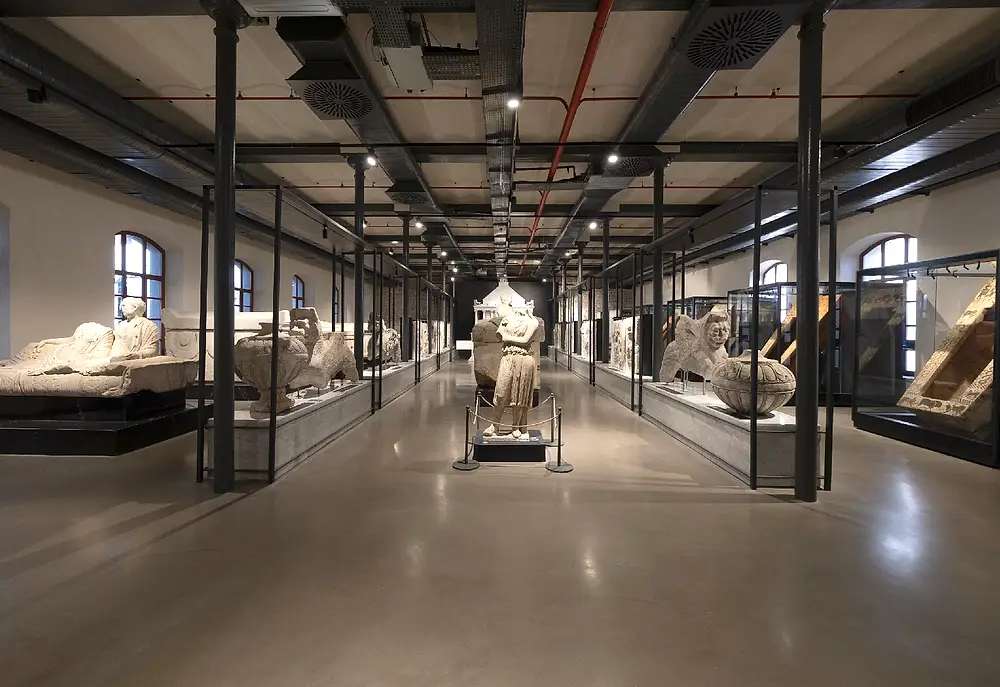
A former tobacco factory in Alsancak, restored and opened in 2023, holding an archaeology and ethnography museum, a painting and sculpture museum and libraries.
Four Istanbul landmarks, each sold on its own site by the agency behind this guide — dated entry and free cancellation up to 24 hours.
The sultans’ palace on Sarayburnu: courtyards, the Imperial Council, the treasury and the terraces over the water. Dated entry, sold online on its own site.
Justinian’s great underground reservoir: 336 columns in still water and the two Medusa heads. Fast-track entry with a digital audio guide.
Justinian’s cathedral, the sultans’ mosque and a working mosque again today. The ticket admits you to the upper visitor gallery.
A nineteenth-century palace on the water’s edge: the Selamlık, the Ceremonial Hall under its chandelier, the crystal staircase and the Harem.


