
Topkapı Palace
The sultans’ palace on Sarayburnu: courtyards, the Imperial Council, the treasury and the terraces over the water. Dated entry, sold online on its own site.
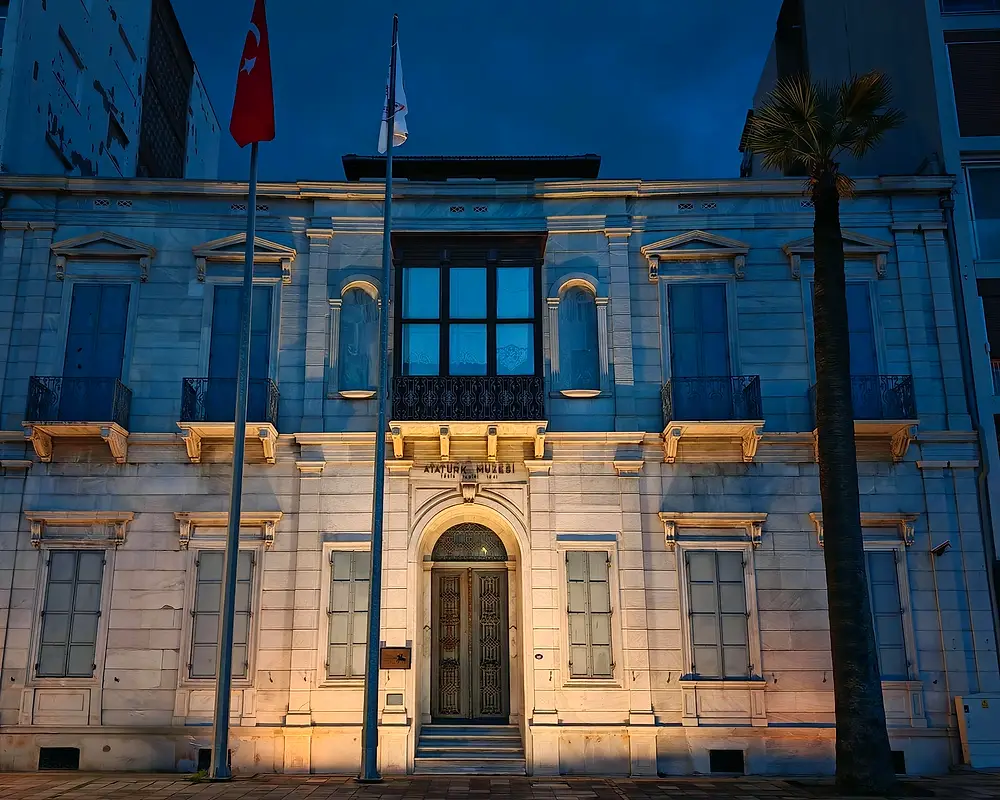
A Neoclassical house in Izmir where Atatürk stayed and worked, with the story of the Economic Congress of 1923 and of a house that became a museum in 1941.
This four-floor house was built between 1875 and 1880 by the carpet merchant Takfor. Its Neoclassical lines blend Ottoman and Levantine architecture, and it holds a basement, ground and first floors and an attic.
After its owner left in September 1922 the house passed to the treasury, and the Turkish army entered Izmir and used it as headquarters. In February 1923, while the Izmir Economic Congress was meeting, Atatürk worked here. Later it was rented out as a hotel, then in 1926 bought by the municipality and offered to Atatürk as a gift. He stayed in the house on his visits to Izmir between 1930 and 1934.
After Atatürk's death in 1938 the house passed to his sister Makbule Baysan. In 1940 the municipality expropriated it to create a museum, and it opened to the public on 11 September 1941. It later served as a library, then in 1972 its ownership went to the Izmir Archaeological Museum, and after restoration it took its present form.
A visit is a short, personal glimpse into a key moment in the early Republic.
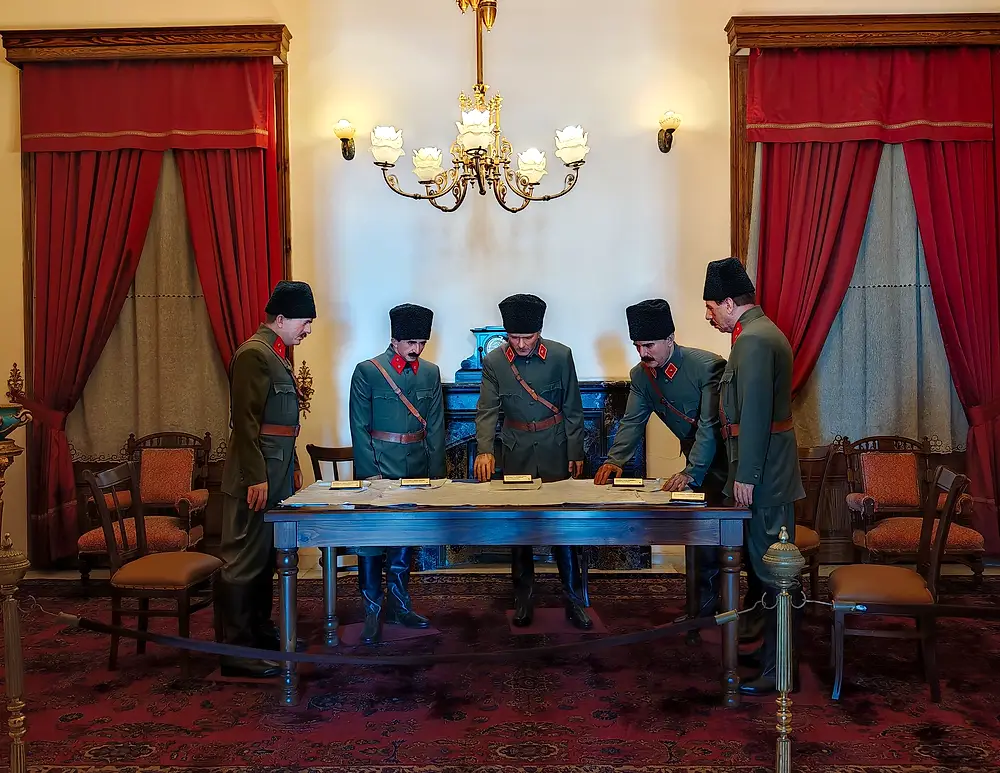
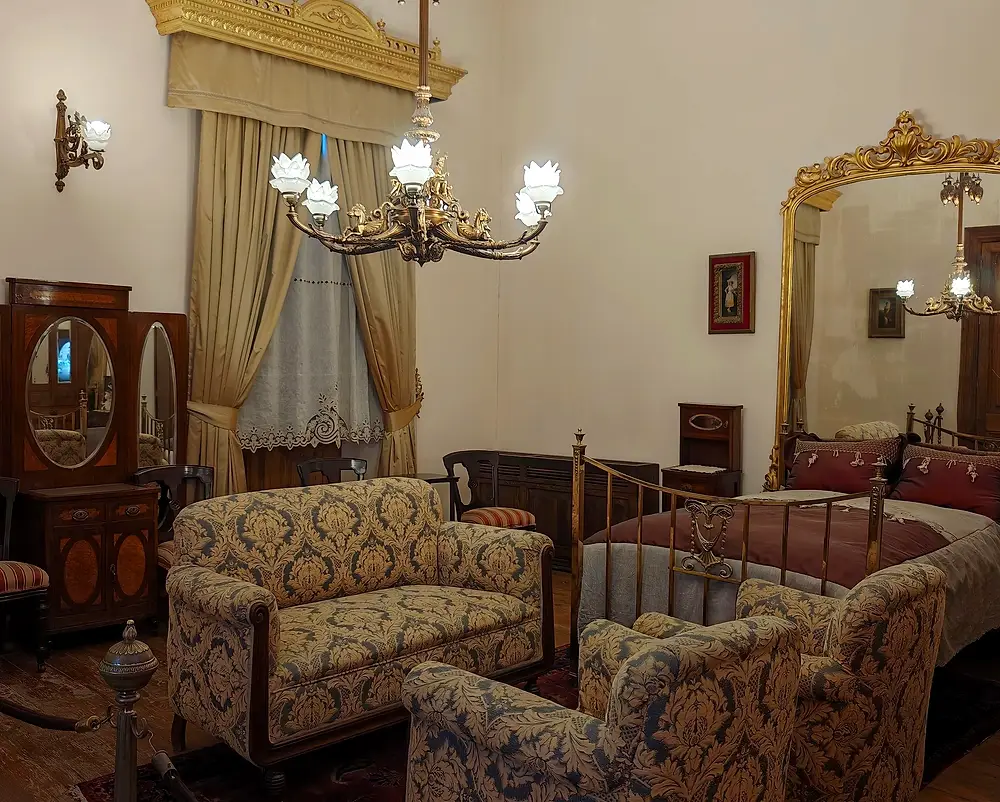
According to the Ministry’s listing it opens at 08:30 and closes at 19:00 (last entry 18:30). Open every day.
No. This site sells no tickets. Topkapı Palace, the Basilica Cistern, Hagia Sophia and Dolmabahçe Palace are sold on our sister sites; for Izmir Atatürk Museum, buy at the ticket office or on the Ministry’s official e-ticket system.
Izmir Atatürk Museum is in İzmir, Türkiye — Atatürk Cad. (Birinci Kordon) No:248 - Alsancak.
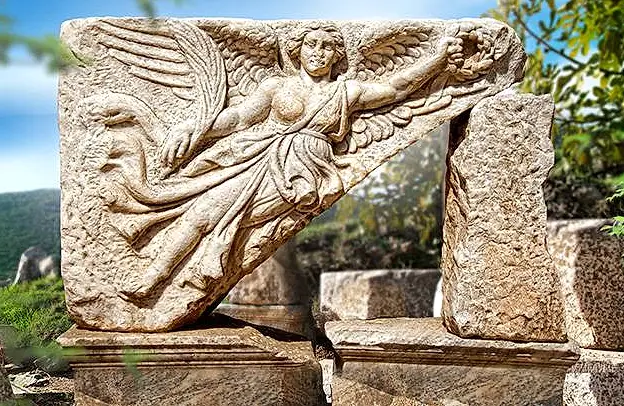
One of the great cities of the ancient world, a UNESCO site with the Library of Celsus, the Great Theatre and centuries of Greek, Roman and Christian history.
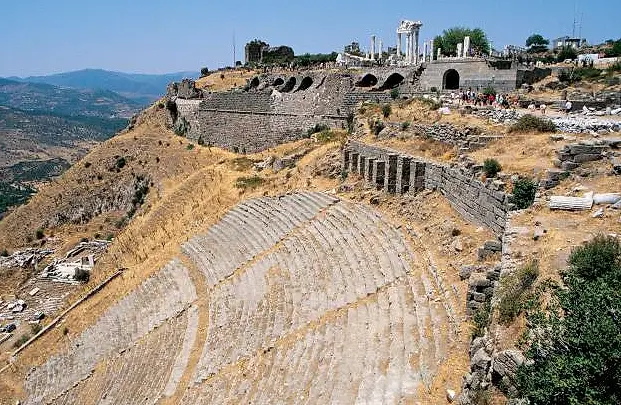
The hilltop capital of the Attalid kings, a UNESCO World Heritage Site with a steep theatre, sanctuaries and the great altar's setting.
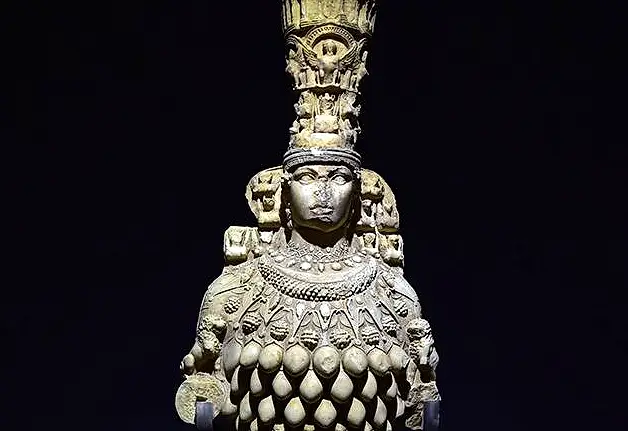
One of Türkiye's most visited museums, in Selçuk, with the famous Ephesian Artemis, Eros statues, coins, jewellery and a garden bazaar of old crafts.
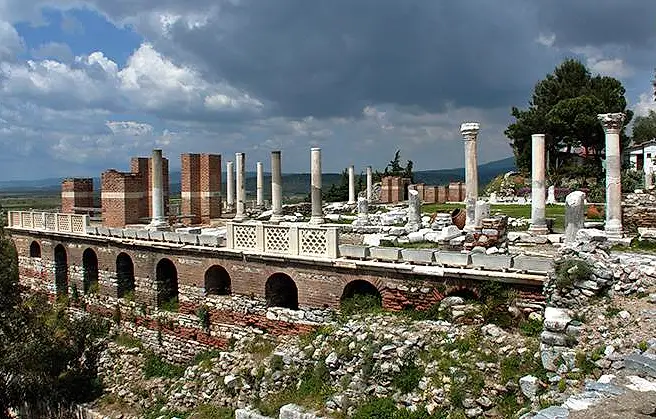
The hilltop site above Selçuk where the Basilica of St. John was built over the apostle's tomb, an important witness to early Christianity near Ephesus.
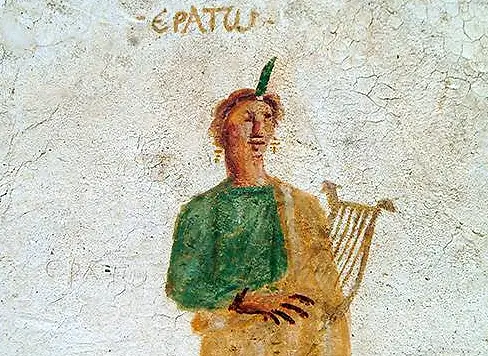
Seven well-preserved Roman houses on the slope of Bülbül Mountain, where Ephesus's elite lived among mosaics, frescoes and underfloor heating.
Four Istanbul landmarks, each sold on its own site by the agency behind this guide — dated entry and free cancellation up to 24 hours.
The sultans’ palace on Sarayburnu: courtyards, the Imperial Council, the treasury and the terraces over the water. Dated entry, sold online on its own site.
Justinian’s great underground reservoir: 336 columns in still water and the two Medusa heads. Fast-track entry with a digital audio guide.
Justinian’s cathedral, the sultans’ mosque and a working mosque again today. The ticket admits you to the upper visitor gallery.
A nineteenth-century palace on the water’s edge: the Selamlık, the Ceremonial Hall under its chandelier, the crystal staircase and the Harem.


