
Topkapı Palace
The sultans’ palace on Sarayburnu: courtyards, the Imperial Council, the treasury and the terraces over the water. Dated entry, sold online on its own site.
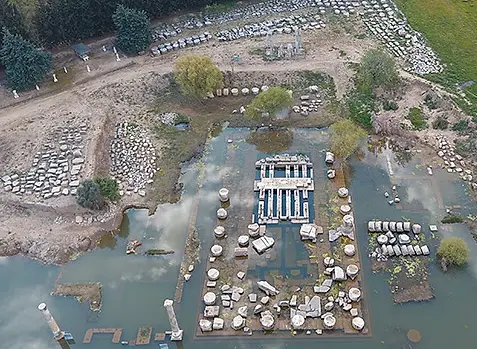
The sanctuary of Apollo near Izmir, an oracle centre for over a thousand years, with the only Doric temple in Ionia and colossal cult statues found in place.
Claros stands in the low plain of the Ahmetbeyli (Ales) valley in İzmir province. From its founding at the end of the 13th century BC until it was abandoned in the 4th century AD it worked as an oracle centre, and people came to consult Apollo. The site is remembered as a place whose prophecies helped guide history.
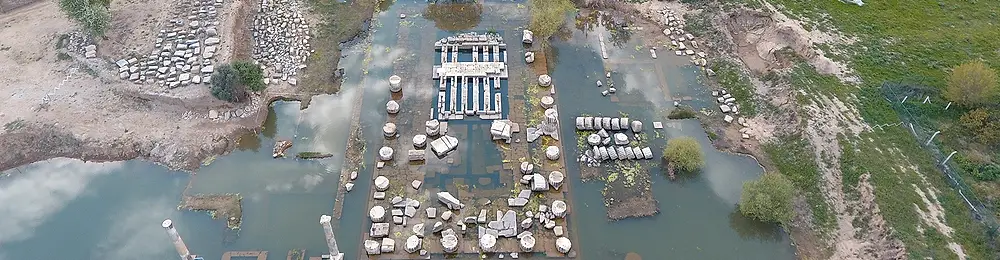
The Temple of Apollo is the only Doric temple built in Ionia, with six columns across the front. Construction began early in the 3rd century BC. By the late 2nd century BC its base, porch, inner chamber and the giant cult statues of Leto, Apollo and Artemis were complete. About 27 metres east of the temple stands the Hellenistic altar of Apollo, where finds show that one of two sacrificial tables was for Apollo and the other for Dionysus.
Claros has several rarities. The hekatomb, a block for tethering a hundred sacrificial animals, is the first archaeological evidence of that ritual. The 8-metre cult statues were found in place, which is unusual for any sanctuary, and even the steps of the temple carry inscriptions. A nearby archaeopark displays exact copies of the statues and a scale model of the Hellenistic temple and altar.
According to the Ministry’s listing it opens at 08:30 and closes at 19:00 (last entry 18:00). Open every day.
No. This site sells no tickets. Topkapı Palace, the Basilica Cistern, Hagia Sophia and Dolmabahçe Palace are sold on our sister sites; for Claros Archaeological Site, buy at the ticket office or on the Ministry’s official e-ticket system.
Claros Archaeological Site is in İzmir, Türkiye — Ahmetbeyli Mahallesi, Işıklı Klaros Cd., 35470.
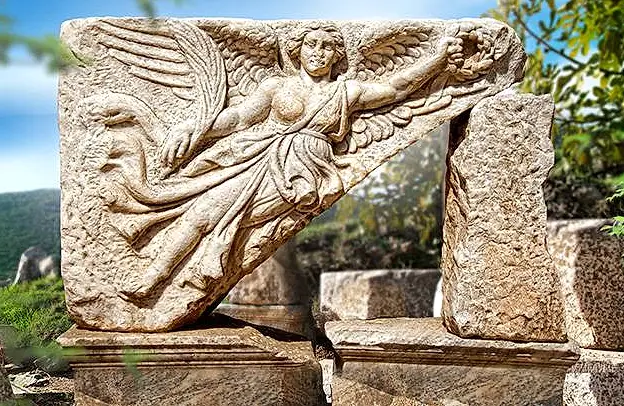
One of the great cities of the ancient world, a UNESCO site with the Library of Celsus, the Great Theatre and centuries of Greek, Roman and Christian history.
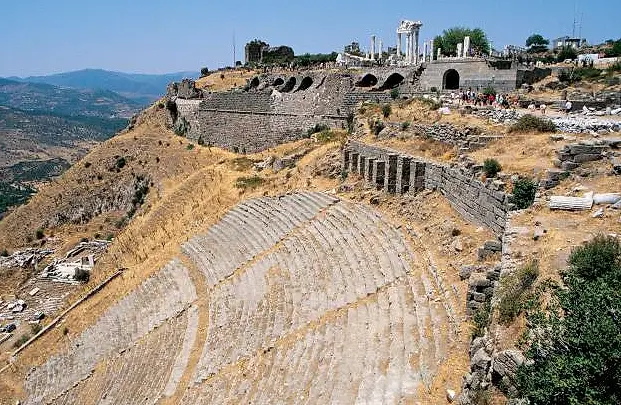
The hilltop capital of the Attalid kings, a UNESCO World Heritage Site with a steep theatre, sanctuaries and the great altar's setting.
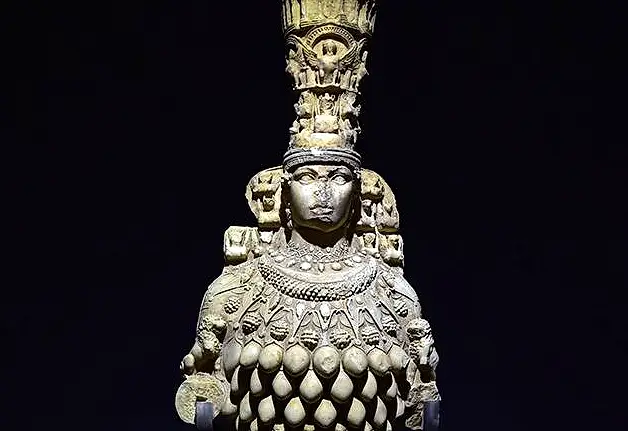
One of Türkiye's most visited museums, in Selçuk, with the famous Ephesian Artemis, Eros statues, coins, jewellery and a garden bazaar of old crafts.
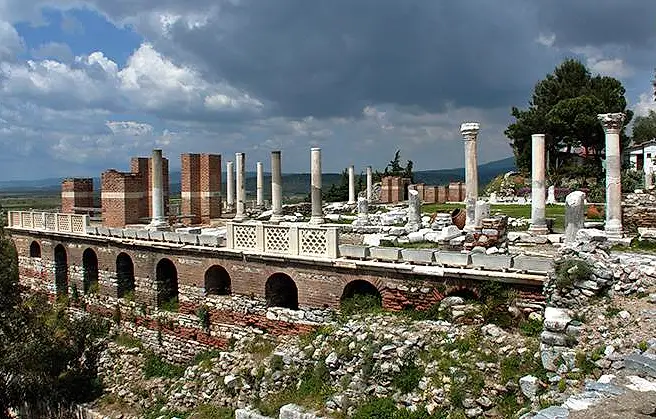
The hilltop site above Selçuk where the Basilica of St. John was built over the apostle's tomb, an important witness to early Christianity near Ephesus.
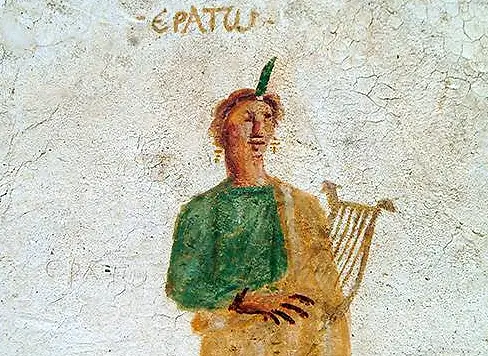
Seven well-preserved Roman houses on the slope of Bülbül Mountain, where Ephesus's elite lived among mosaics, frescoes and underfloor heating.
Four Istanbul landmarks, each sold on its own site by the agency behind this guide — dated entry and free cancellation up to 24 hours.
The sultans’ palace on Sarayburnu: courtyards, the Imperial Council, the treasury and the terraces over the water. Dated entry, sold online on its own site.
Justinian’s great underground reservoir: 336 columns in still water and the two Medusa heads. Fast-track entry with a digital audio guide.
Justinian’s cathedral, the sultans’ mosque and a working mosque again today. The ticket admits you to the upper visitor gallery.
A nineteenth-century palace on the water’s edge: the Selamlık, the Ceremonial Hall under its chandelier, the crystal staircase and the Harem.


