
Topkapı Palace
The sultans’ palace on Sarayburnu: courtyards, the Imperial Council, the treasury and the terraces over the water. Dated entry, sold online on its own site.
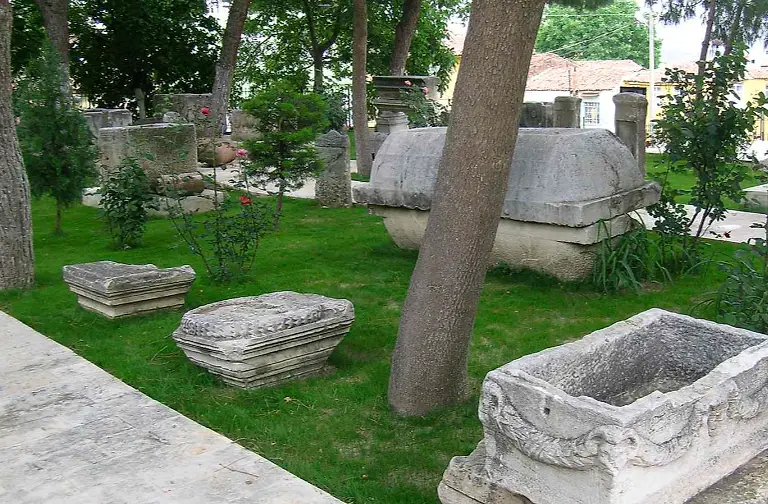
The museum of Tire, Izmir, founded in the 1940s and in its current building since 1971, holding some 30,000 objects, above all coins, with archaeology and ethnography halls.
On September 30, 2026 the Ministry’s listing showed this museum as closed to visitors. Check the official page before planning a visit.
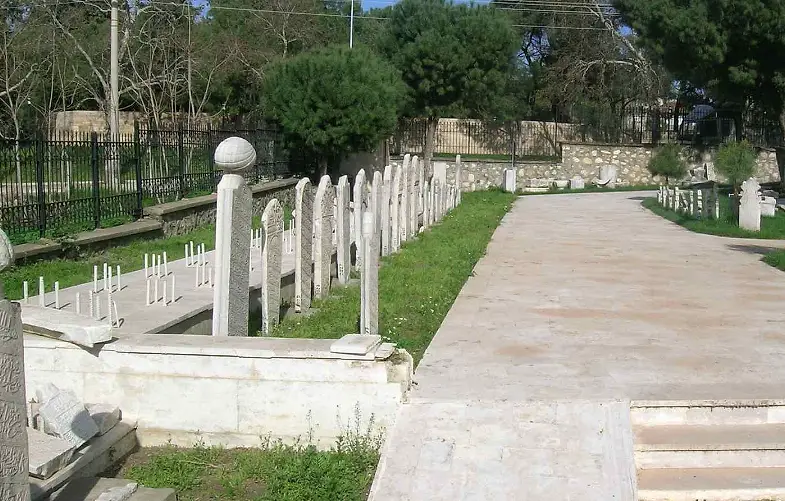
Tire's first museum was set up in a small Islamic lodge commissioned by Halil Yahşi Bey, one of Murad II's commanders. It was registered by the Ministry of Education's antiquities directorate in 1946 and housed in the Yahşi Bey Mosque from 1946 until 1971, when it moved to its present home.
Today the museum has two halls. The Archaeology Hall shows finds from around 3500 BC onwards, and the Ethnography Hall shows objects of local life. There is also a generous garden display of stone and terracotta pieces.
The museum holds 30,079 cultural assets in total: 3,909 archaeological objects, 1,161 ethnographic ones, 24,943 coins, 45 archive documents, 7 manuscripts and 14 works of fine art. Only a part of this is on show, but the coin holdings in particular make it a place for numismatists.
A visit is best paired with a walk through the old streets of Tire.
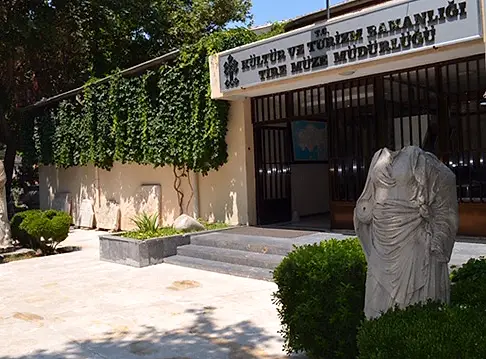
According to the Ministry’s listing it opens at 08:30 and closes at 17:30 (last entry 17:00).
No. This site sells no tickets. Topkapı Palace, the Basilica Cistern, Hagia Sophia and Dolmabahçe Palace are sold on our sister sites; for Tire Museum, buy at the ticket office or on the Ministry’s official e-ticket system.
Tire Museum is in İzmir, Türkiye — Ketenci Mahallesi Şanizade Meydanı No:10.
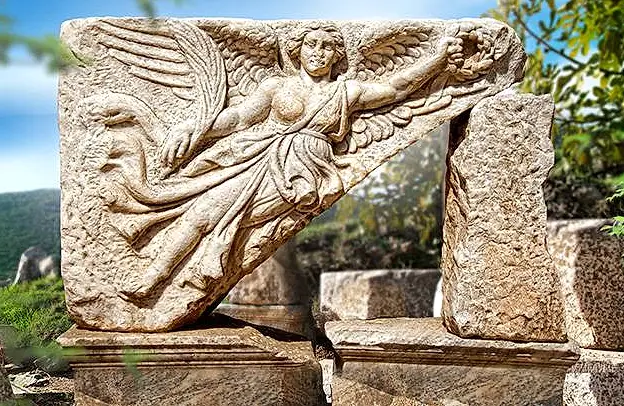
One of the great cities of the ancient world, a UNESCO site with the Library of Celsus, the Great Theatre and centuries of Greek, Roman and Christian history.
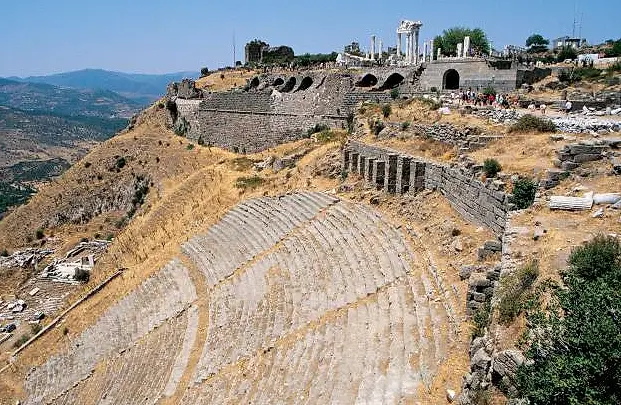
The hilltop capital of the Attalid kings, a UNESCO World Heritage Site with a steep theatre, sanctuaries and the great altar's setting.
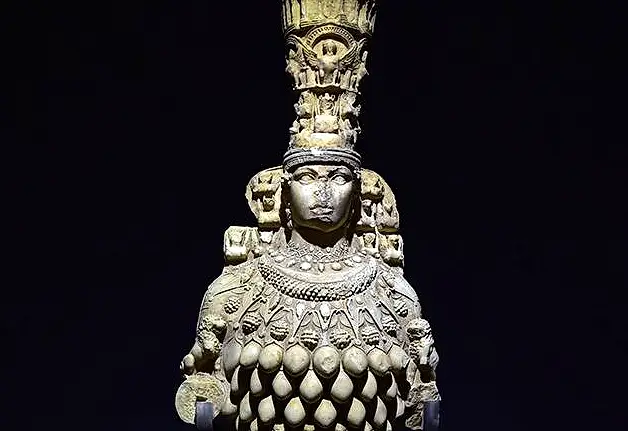
One of Türkiye's most visited museums, in Selçuk, with the famous Ephesian Artemis, Eros statues, coins, jewellery and a garden bazaar of old crafts.
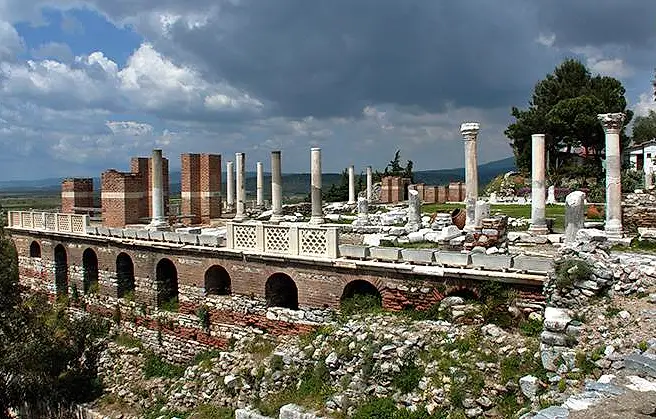
The hilltop site above Selçuk where the Basilica of St. John was built over the apostle's tomb, an important witness to early Christianity near Ephesus.
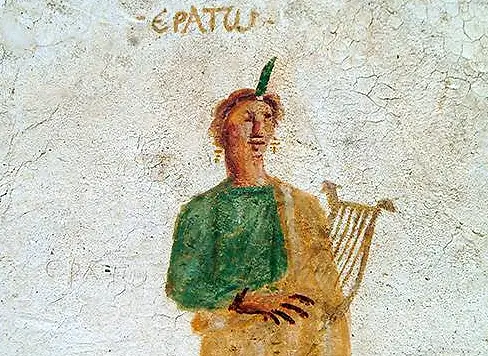
Seven well-preserved Roman houses on the slope of Bülbül Mountain, where Ephesus's elite lived among mosaics, frescoes and underfloor heating.
Four Istanbul landmarks, each sold on its own site by the agency behind this guide — dated entry and free cancellation up to 24 hours.
The sultans’ palace on Sarayburnu: courtyards, the Imperial Council, the treasury and the terraces over the water. Dated entry, sold online on its own site.
Justinian’s great underground reservoir: 336 columns in still water and the two Medusa heads. Fast-track entry with a digital audio guide.
Justinian’s cathedral, the sultans’ mosque and a working mosque again today. The ticket admits you to the upper visitor gallery.
A nineteenth-century palace on the water’s edge: the Selamlık, the Ceremonial Hall under its chandelier, the crystal staircase and the Harem.


