
Topkapı Palace
The sultans’ palace on Sarayburnu: courtyards, the Imperial Council, the treasury and the terraces over the water. Dated entry, sold online on its own site.
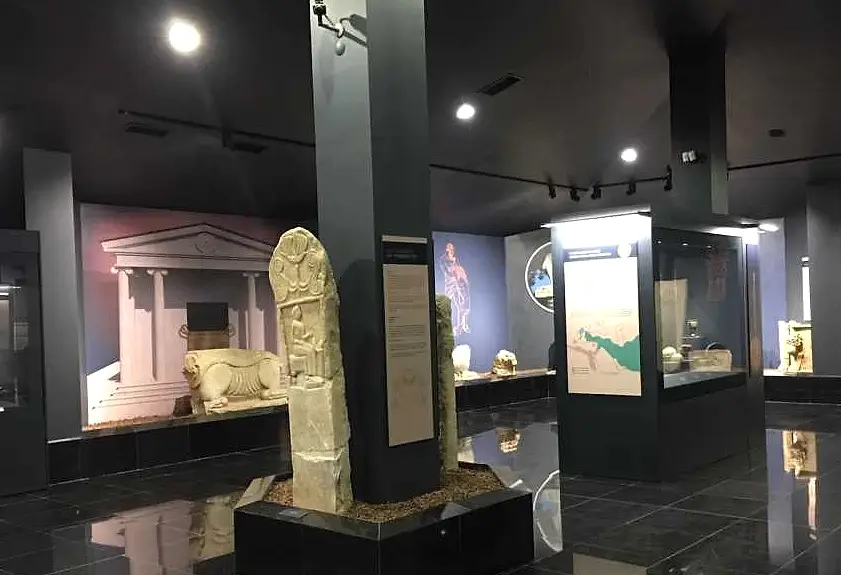
A single-hall museum in the Little Menderes valley with archaeology from four ancient cities, a large coin collection and Ottoman-era ethnography.
Ödemiş sits on a fertile plain watered by the Little Menderes, the ancient Kaystros, between the Bozdağ (Tmolos) mountains to the north and the Aydın (Messogis) range to the south. The museum here began its work in 1983 and opened in 1987 on a plot given to the state by the art collector Mutahhar Başoğlu. It was renovated in 2015.
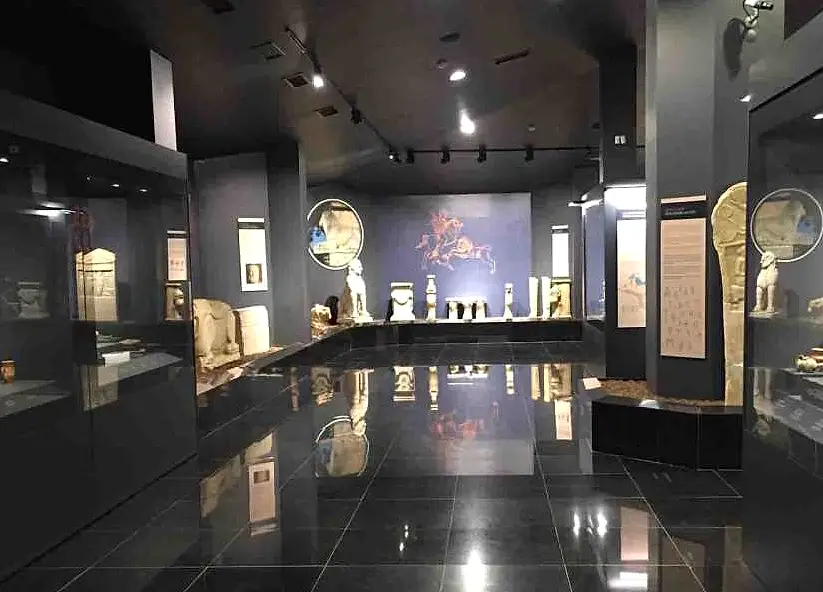
Everything is gathered in a single exhibition hall, spanning the Early Bronze Age to the Ottoman period. The archaeology section presents finds from the ancient cities of Hypaipa (near Günlüce), Neikaia (Türkönü), Palaiapolis (Beydağ) and Koloe (Kiraz), which puts the valley's smaller settlements on the map.
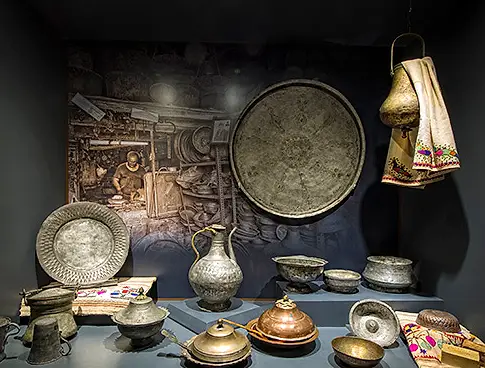
The coin section is the collection's backbone: registered coins number in the thousands, and examples range from the Lydian and Persian periods to the Ottoman era. The ethnography section rounds things off with objects from Ottoman and early Republican daily life, so the visit runs from ancient trade routes to grandparents' homes.
According to the Ministry’s listing it opens at 08:30 and closes at 19:00 (last entry 18:30). Open every day.
No. This site sells no tickets. Topkapı Palace, the Basilica Cistern, Hagia Sophia and Dolmabahçe Palace are sold on our sister sites; for Ödemiş Museum, buy at the ticket office or on the Ministry’s official e-ticket system.
Ödemiş Museum is in İzmir, Türkiye — Hürriyet Mahallesi Atatürk Caddesi (Birgi Yolu Üzeri) No: 88.
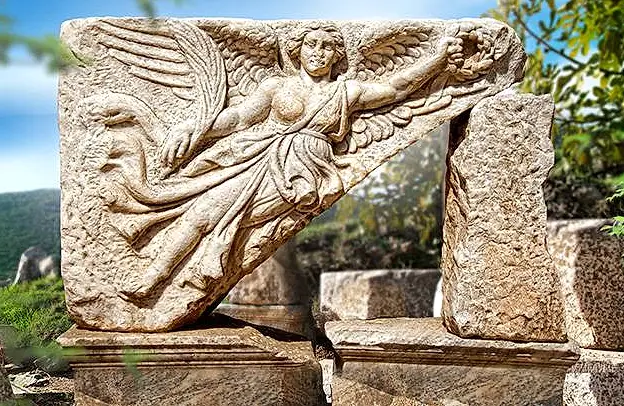
One of the great cities of the ancient world, a UNESCO site with the Library of Celsus, the Great Theatre and centuries of Greek, Roman and Christian history.
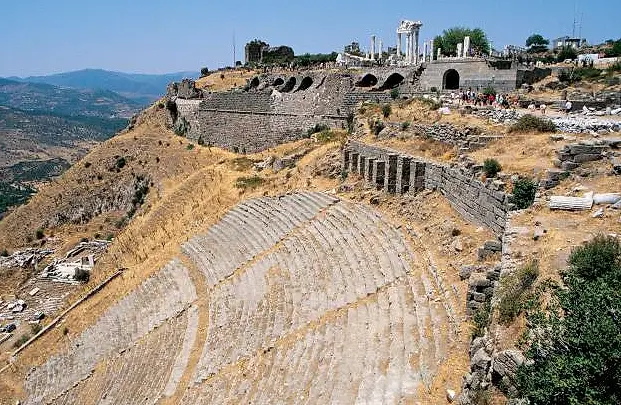
The hilltop capital of the Attalid kings, a UNESCO World Heritage Site with a steep theatre, sanctuaries and the great altar's setting.
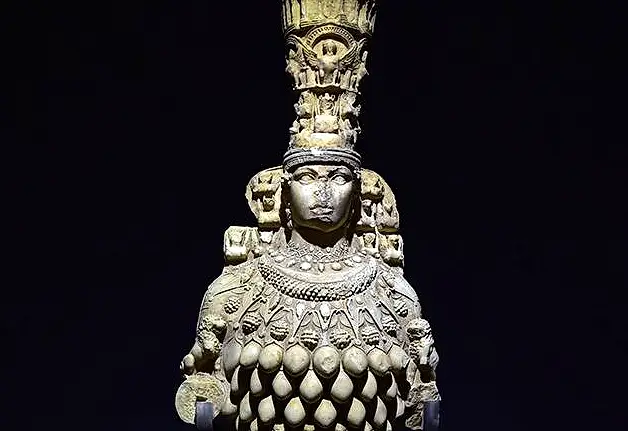
One of Türkiye's most visited museums, in Selçuk, with the famous Ephesian Artemis, Eros statues, coins, jewellery and a garden bazaar of old crafts.
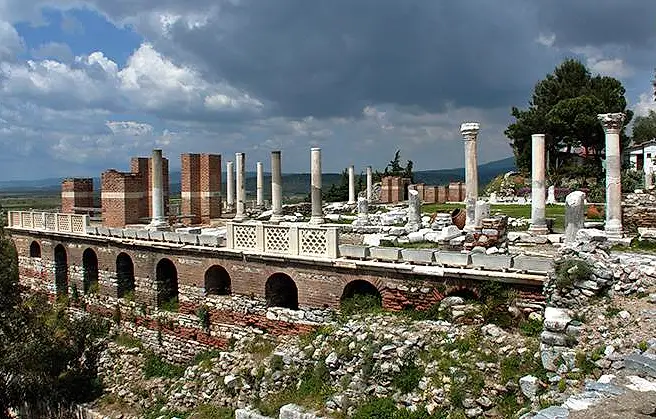
The hilltop site above Selçuk where the Basilica of St. John was built over the apostle's tomb, an important witness to early Christianity near Ephesus.
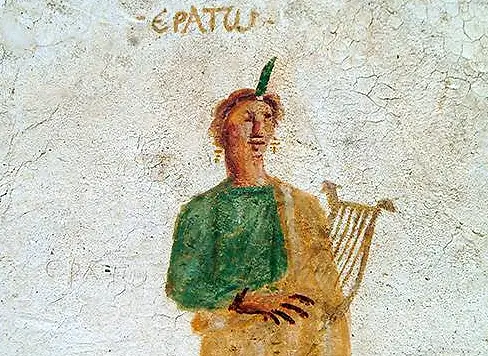
Seven well-preserved Roman houses on the slope of Bülbül Mountain, where Ephesus's elite lived among mosaics, frescoes and underfloor heating.
Four Istanbul landmarks, each sold on its own site by the agency behind this guide — dated entry and free cancellation up to 24 hours.
The sultans’ palace on Sarayburnu: courtyards, the Imperial Council, the treasury and the terraces over the water. Dated entry, sold online on its own site.
Justinian’s great underground reservoir: 336 columns in still water and the two Medusa heads. Fast-track entry with a digital audio guide.
Justinian’s cathedral, the sultans’ mosque and a working mosque again today. The ticket admits you to the upper visitor gallery.
A nineteenth-century palace on the water’s edge: the Selamlık, the Ceremonial Hall under its chandelier, the crystal staircase and the Harem.


