
Topkapı Palace
The sultans’ palace on Sarayburnu: courtyards, the Imperial Council, the treasury and the terraces over the water. Dated entry, sold online on its own site.
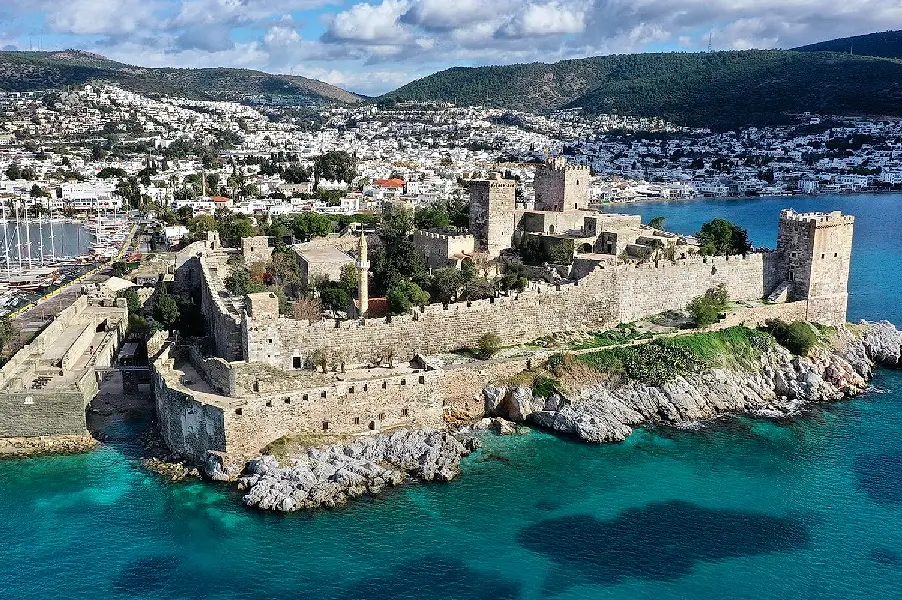
Inside Bodrum Castle, the only museum in Turkey devoted to underwater archaeology, with Bronze Age and medieval shipwreck finds, glass, and one of the world's great amphora collections.
The Bodrum Underwater Archaeology Museum is unlike any other in Turkey: it is the country's only museum dedicated to the subject and one of very few in the world. Open since 1964, it shows finds from the 16th century BC to the 16th century AD, most of them raised from Turkish waters since 1960 by teams who often worked alongside the sponge divers of Bodrum.
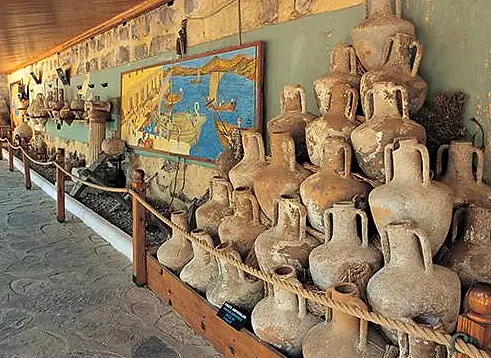
Each shipwreck has its own hall. The Uluburun wreck of the 14th century BC is often called the most important underwater discovery of the 20th century, a picture of early long-distance sea trade. The Serçe Limanı wreck of about a thousand years ago carried Islamic glass and scrap glass for recycling, while the Tektaş, Bozukkale and Yassıada halls fill in the story of shipbuilding and trade through the ages. The amphora display counts among the largest in the world and the history hall shows how the science began here.
Land finds tell the story of the peninsula. The Müsgebi necropolis has the largest collection of Mycenaean objects in a Turkish museum, and the Princess of Caria hall is another draw. The museum lies inside Bodrum Castle, so the visit also takes in the chapel, the bath and the castle's towers.
According to the Ministry’s listing it opens at 08:30 and closes at 18:45. Open every day.
No. This site sells no tickets. Topkapı Palace, the Basilica Cistern, Hagia Sophia and Dolmabahçe Palace are sold on our sister sites; for Bodrum Underwater Archaeology Museum, buy at the ticket office or on the Ministry’s official e-ticket system.
Bodrum Underwater Archaeology Museum is in Muğla, Türkiye — Çarşı Mahallesi, Kale Caddesi, No: 36 48400.
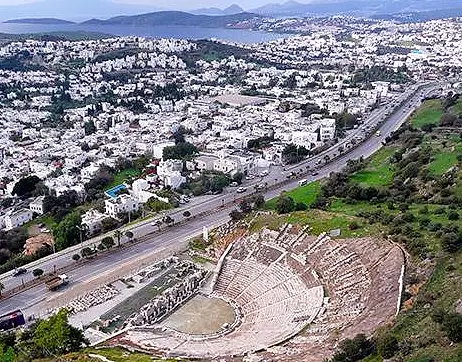
The best-preserved relic of ancient Halicarnassus, a 4th-century BC theatre on the slope of Göktepe with views of the sea, Kos and the Datça peninsula.
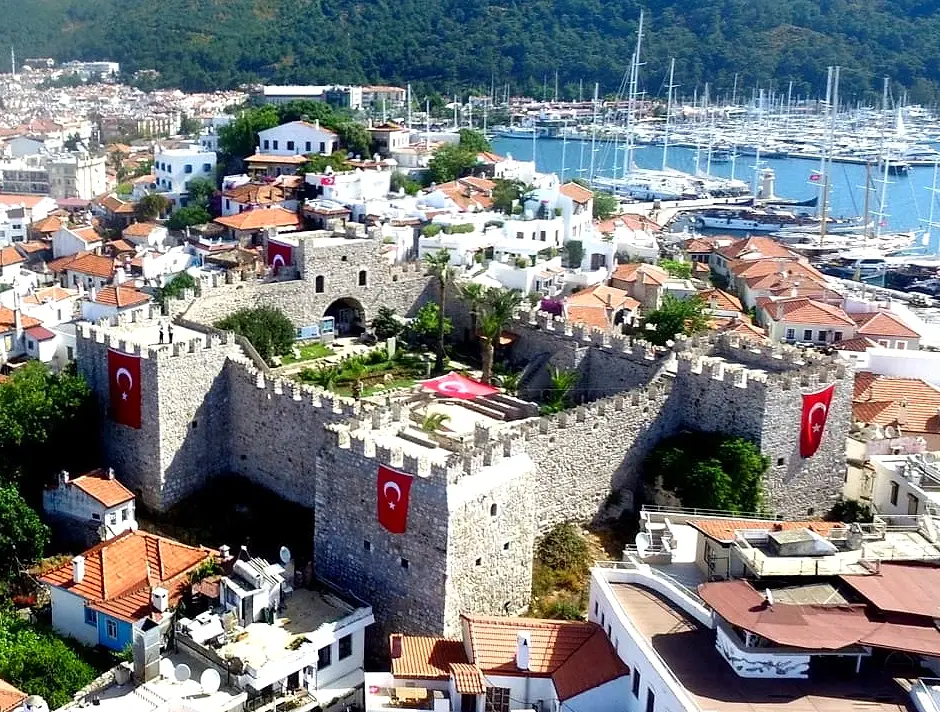
A museum inside the Ottoman castle of Marmaris, built for Süleyman the Magnificent, showing finds from Knidos, Emecik and the sea floor around the bay.
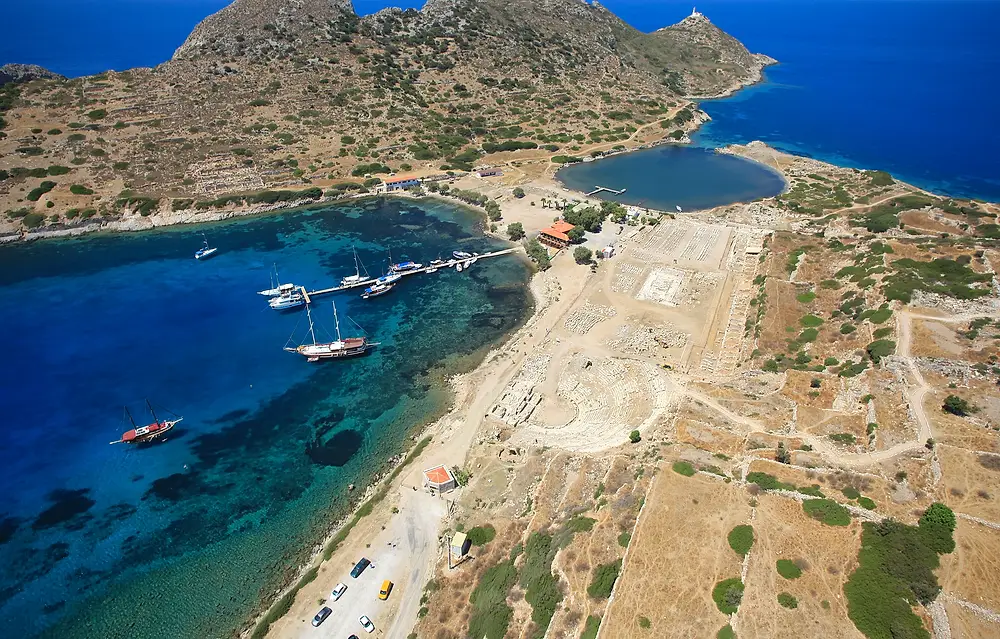
A double city at the tip of the Datça peninsula where the Aegean meets the Mediterranean, with two harbours, a grid plan, a theatre and terraced sanctuaries.
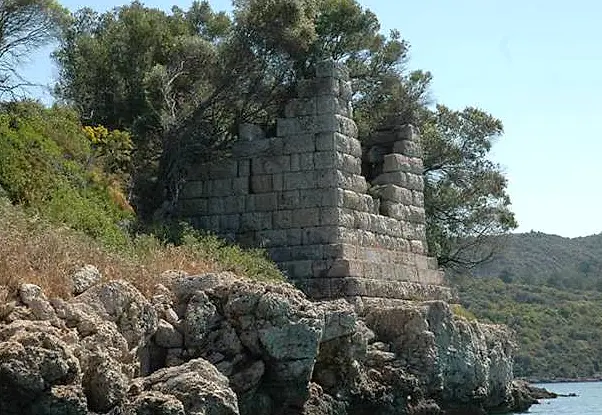
Ancient Kedrai on a protected island in the Gulf of Gökova, where ruins, a rare-sand beach and unspoilt nature share the same shore.
Four Istanbul landmarks, each sold on its own site by the agency behind this guide — dated entry and free cancellation up to 24 hours.
The sultans’ palace on Sarayburnu: courtyards, the Imperial Council, the treasury and the terraces over the water. Dated entry, sold online on its own site.
Justinian’s great underground reservoir: 336 columns in still water and the two Medusa heads. Fast-track entry with a digital audio guide.
Justinian’s cathedral, the sultans’ mosque and a working mosque again today. The ticket admits you to the upper visitor gallery.
A nineteenth-century palace on the water’s edge: the Selamlık, the Ceremonial Hall under its chandelier, the crystal staircase and the Harem.


