
Topkapı Palace
The sultans’ palace on Sarayburnu: courtyards, the Imperial Council, the treasury and the terraces over the water. Dated entry, sold online on its own site.
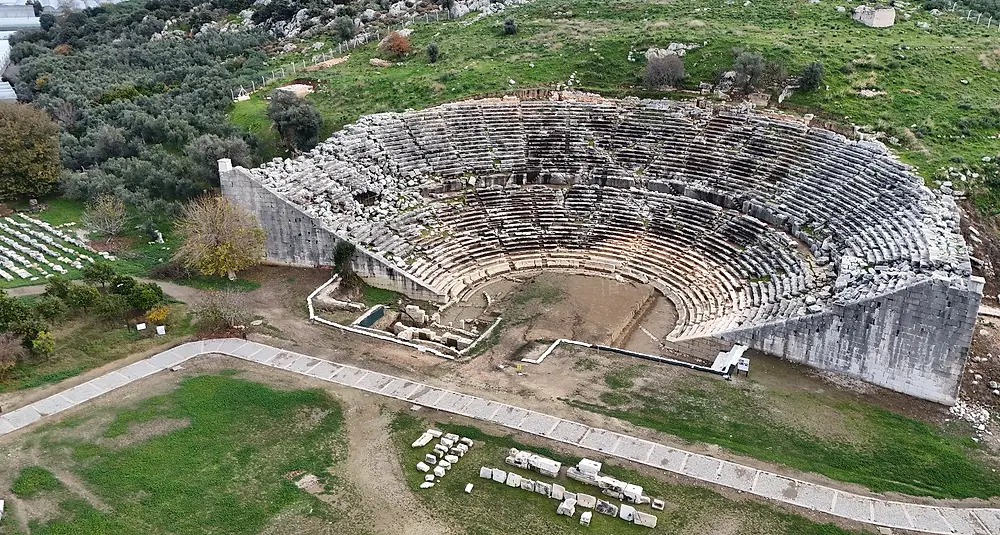
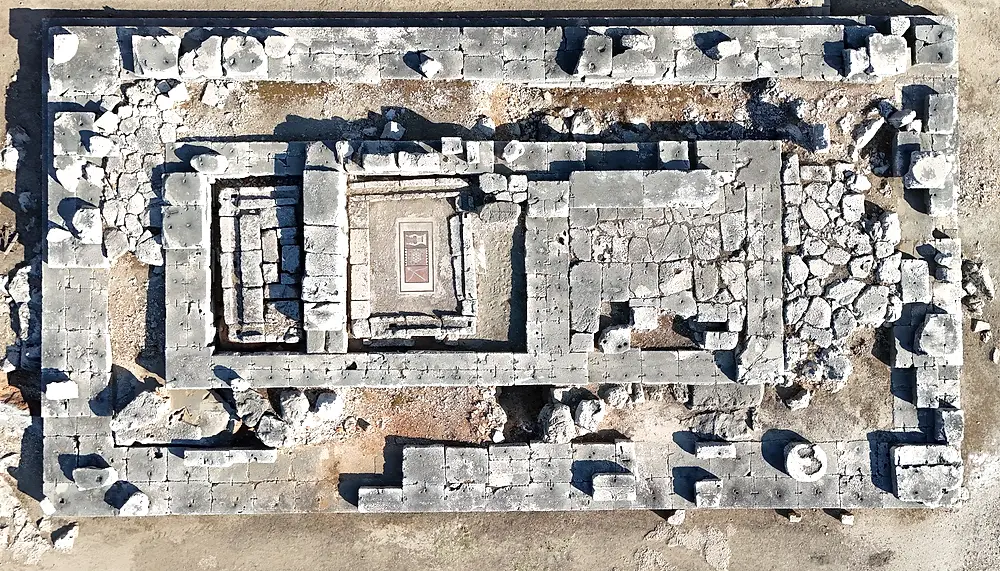
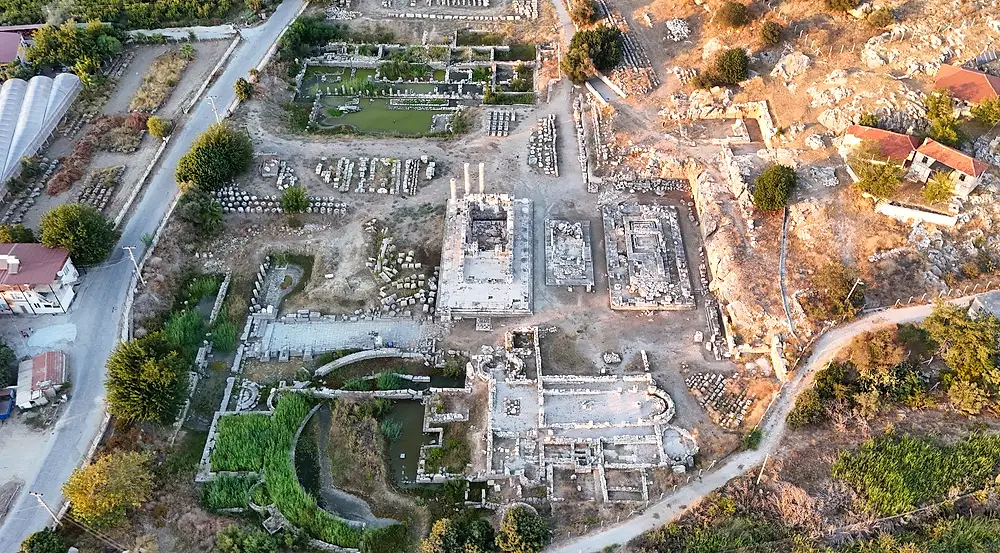
The sacred centre of ancient Lycia, dedicated to the goddess Leto, with three temples, a theatre and a spring, part of the Xanthos-Letoon World Heritage Site.
Letoon was founded in honour of Leto, mother of Apollo and Artemis, and served as the holy centre of Lycia. Zeus fell for Leto, and the jealous Hera hounded her until she fled to Lycia. Ovid tells that she reached the spring here, wanted to bathe her twin children in it, and was driven off by locals, so in her anger she turned them into frogs.
Excavations over some 30 years suggest that the first settlement dates to the 7th century BC. Ruins and inscriptions show Letoon as a political and religious centre in the time of the Lycian League. Three temples stand in a row in the middle of the ancient city, including an Ionic one at the western end, and a Roman-era theatre lies beside them.
Letoon is where a famous trilingual stele in Lycian, Aramaic and Greek was found, a key to reading the Lycian language. The site is listed by UNESCO together with nearby Xanthos, and it makes a quiet, atmospheric stop among reeds and water.
According to the Ministry’s listing it opens at 09:00 and closes at 20:00 (last entry 19:30). Open every day.
No. This site sells no tickets. Topkapı Palace, the Basilica Cistern, Hagia Sophia and Dolmabahçe Palace are sold on our sister sites; for Letoon Ancient City, buy at the ticket office or on the Ministry’s official e-ticket system.
Letoon Ancient City is in Muğla, Türkiye — Arifler Mahallesi, Fethiye Kaş Karayolu 65. Km., 48360.
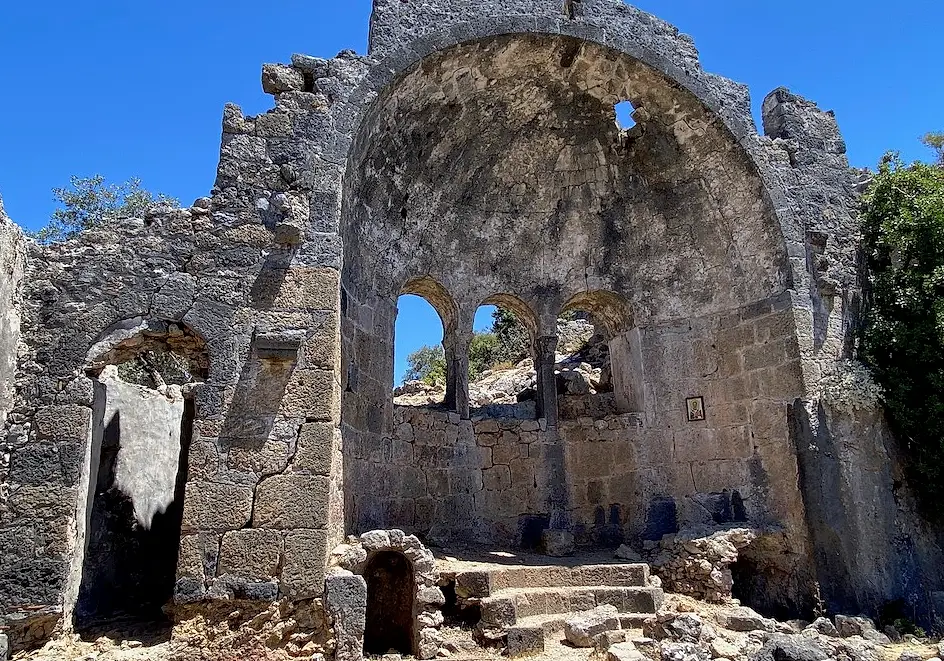
A small island at the southern end of Fethiye Bay with Byzantine church ruins, tombs and a sacred hilltop, reached by boat.
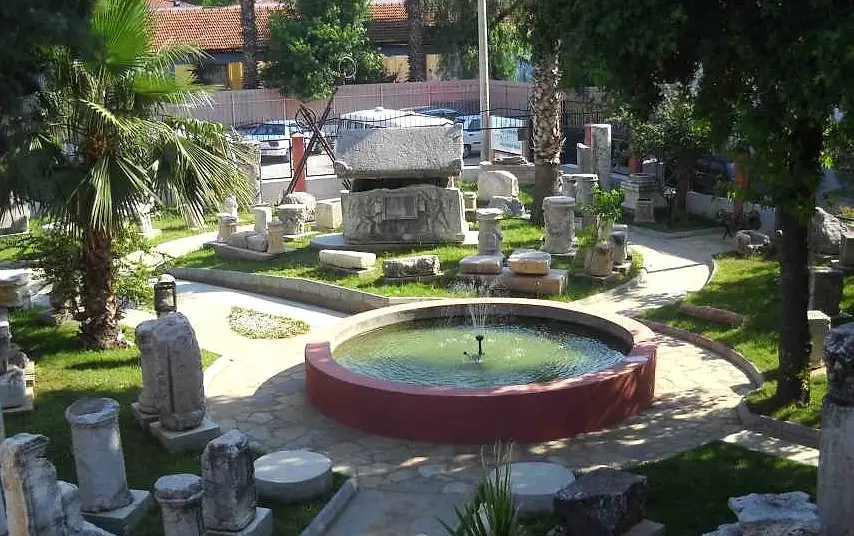
Fethiye's museum of archaeology and ethnography, home to a famous trilingual Lycian stele; currently listed as closed to visitors.
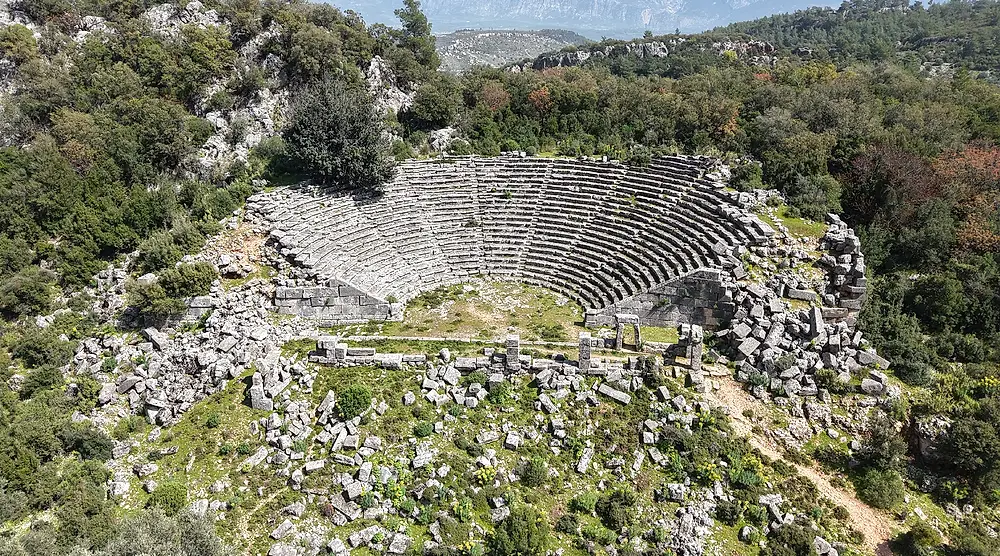
A Lycian hill city near Fethiye, with a round rock honeycombed with tombs, a theatre, an agora and rock-cut graves.
Four Istanbul landmarks, each sold on its own site by the agency behind this guide — dated entry and free cancellation up to 24 hours.
The sultans’ palace on Sarayburnu: courtyards, the Imperial Council, the treasury and the terraces over the water. Dated entry, sold online on its own site.
Justinian’s great underground reservoir: 336 columns in still water and the two Medusa heads. Fast-track entry with a digital audio guide.
Justinian’s cathedral, the sultans’ mosque and a working mosque again today. The ticket admits you to the upper visitor gallery.
A nineteenth-century palace on the water’s edge: the Selamlık, the Ceremonial Hall under its chandelier, the crystal staircase and the Harem.


