
Topkapı Palace
The sultans’ palace on Sarayburnu: courtyards, the Imperial Council, the treasury and the terraces over the water. Dated entry, sold online on its own site.
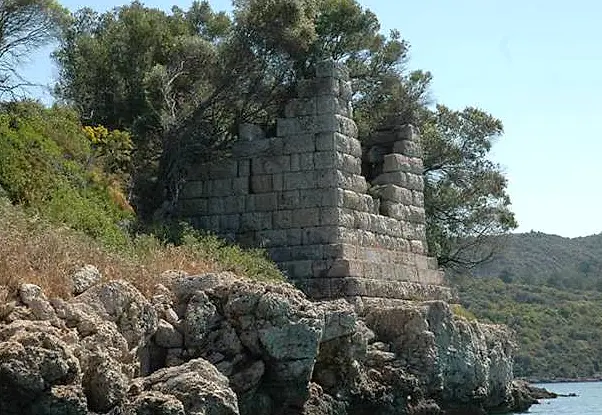
Ancient Kedrai on a protected island in the Gulf of Gökova, where ruins, a rare-sand beach and unspoilt nature share the same shore.
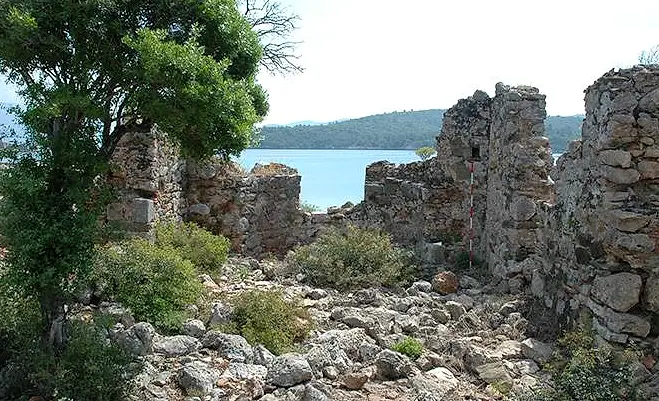
Sedir Island, known in antiquity as Kedrai, lies in the eastern part of the Gulf of Gökova within the Ula district of Muğla province. It is the largest of a group of three islands scattered with ancient remains. The site is a first-degree archaeological and natural conservation area, and it is also a special environmental protection zone, so history and nature are protected together here.
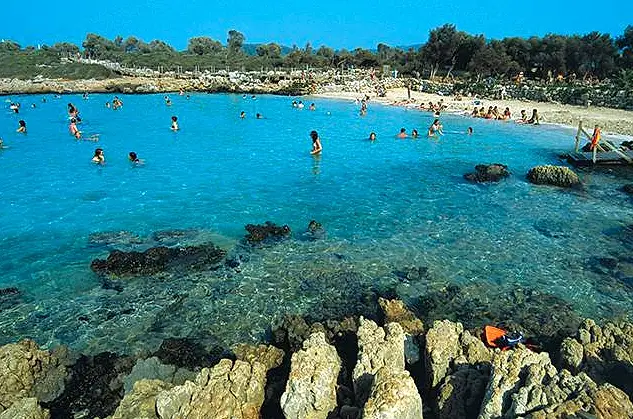
The name comes from the cedar tree, though there are no cedars on the island today. The island's most famous feature is the beach, about 800 metres long and known as Cleopatra Beach. Its sand is made of tiny limestone droplets formed by geological processes, and in the Aegean and Mediterranean this rare type is otherwise found only on Crete. Taking it off the beach is prohibited.
Many of the ancient structures survive standing and blend into the landscape, so a visit combines a walk among ruins with time by the water. It suits visitors who care about both history and nature.
According to the Ministry’s listing it opens at 09:00 and closes at 19:30 (last entry 19:00). Open every day.
No. This site sells no tickets. Topkapı Palace, the Basilica Cistern, Hagia Sophia and Dolmabahçe Palace are sold on our sister sites; for Sedir Island Archaeological Site, buy at the ticket office or on the Ministry’s official e-ticket system.
Sedir Island Archaeological Site is in Muğla, Türkiye — 48710 Sedir Adası.
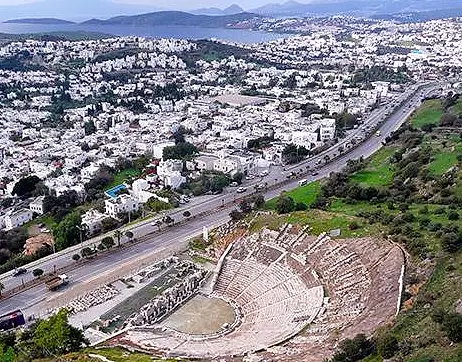
The best-preserved relic of ancient Halicarnassus, a 4th-century BC theatre on the slope of Göktepe with views of the sea, Kos and the Datça peninsula.
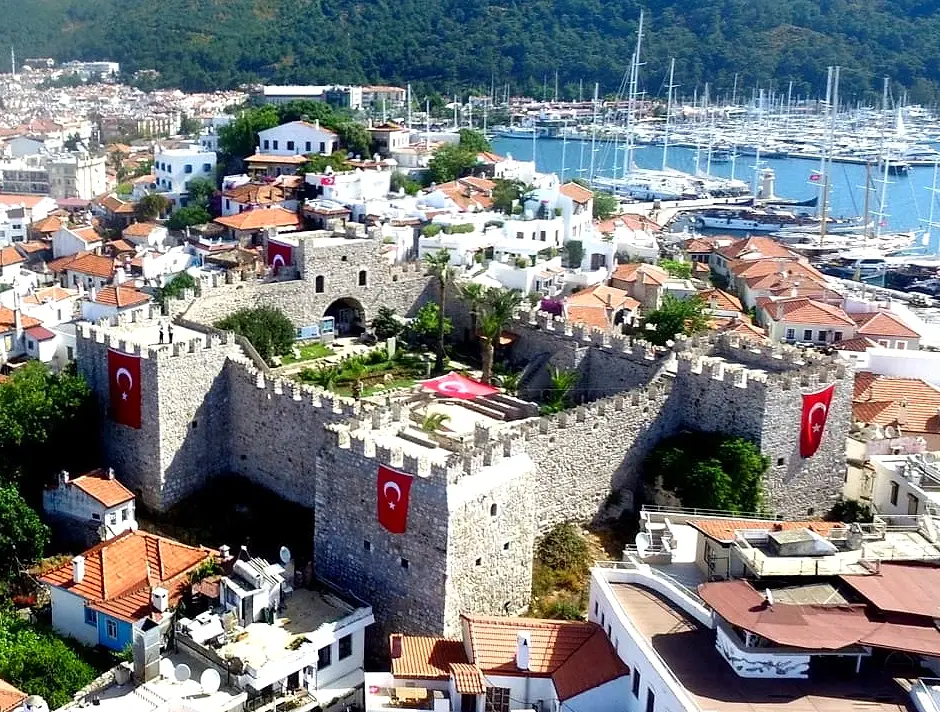
A museum inside the Ottoman castle of Marmaris, built for Süleyman the Magnificent, showing finds from Knidos, Emecik and the sea floor around the bay.
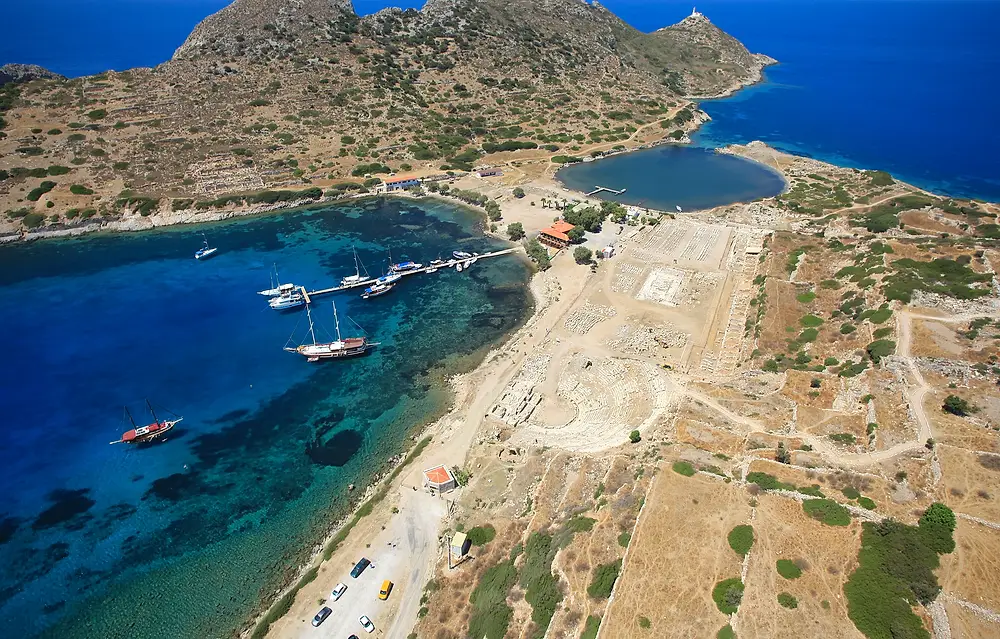
A double city at the tip of the Datça peninsula where the Aegean meets the Mediterranean, with two harbours, a grid plan, a theatre and terraced sanctuaries.
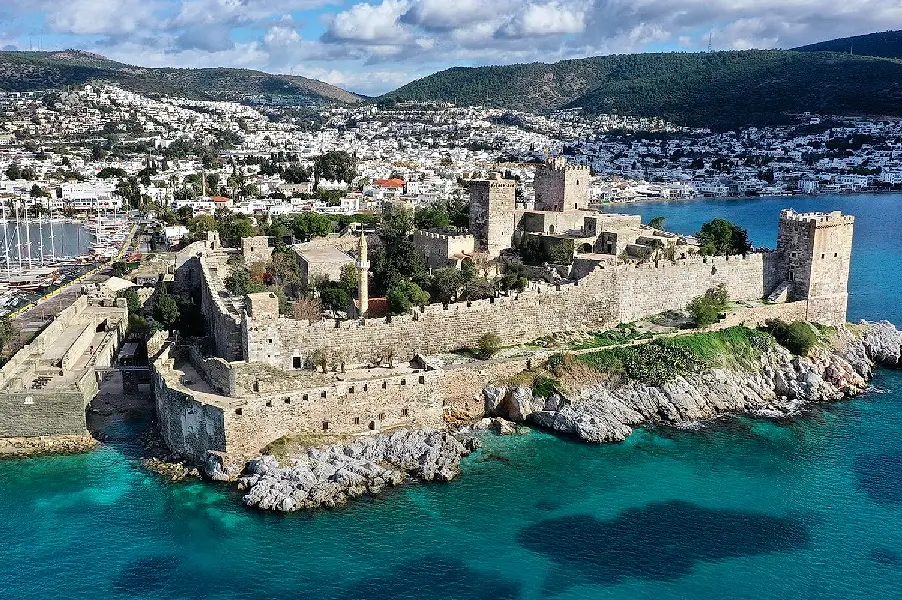
Inside Bodrum Castle, the only museum in Turkey devoted to underwater archaeology, with Bronze Age and medieval shipwreck finds, glass, and one of the world's great amphora collections.
Four Istanbul landmarks, each sold on its own site by the agency behind this guide — dated entry and free cancellation up to 24 hours.
The sultans’ palace on Sarayburnu: courtyards, the Imperial Council, the treasury and the terraces over the water. Dated entry, sold online on its own site.
Justinian’s great underground reservoir: 336 columns in still water and the two Medusa heads. Fast-track entry with a digital audio guide.
Justinian’s cathedral, the sultans’ mosque and a working mosque again today. The ticket admits you to the upper visitor gallery.
A nineteenth-century palace on the water’s edge: the Selamlık, the Ceremonial Hall under its chandelier, the crystal staircase and the Harem.


