
Topkapı Palace
The sultans’ palace on Sarayburnu: courtyards, the Imperial Council, the treasury and the terraces over the water. Dated entry, sold online on its own site.
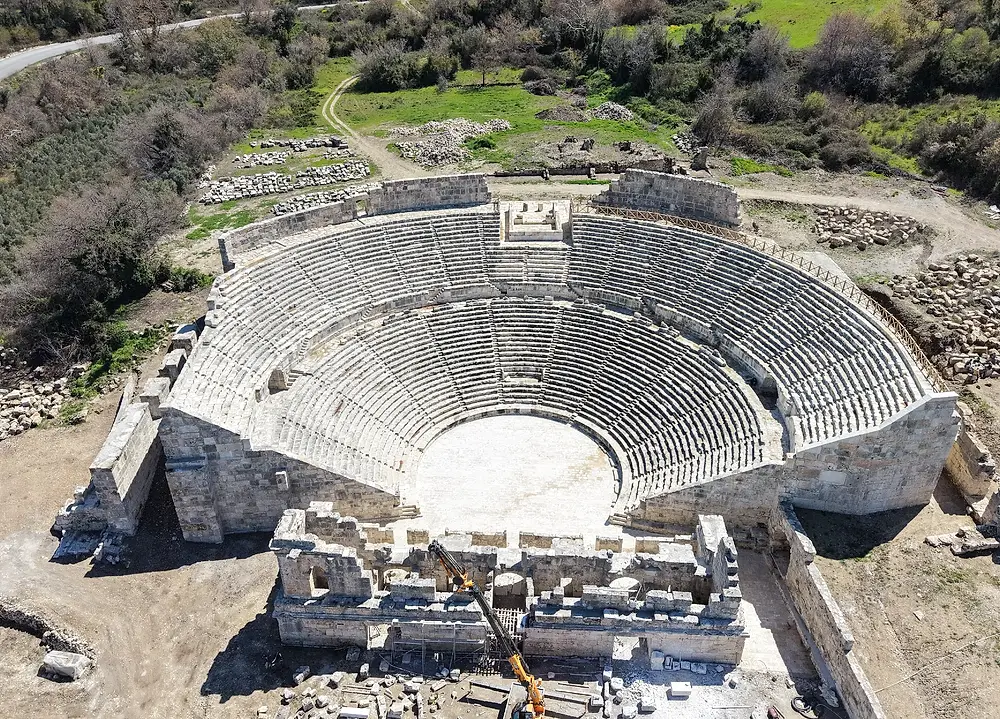
A Lycian hill city in the Xanthos Valley, with a theatre, stadium, rock tombs and an Ottoman lord's castle on the acropolis, set beneath steep cliffs near Fethiye.
Tlos lies at the village of Yakaköy in Muğla's Seydikemer district, on a plain hemmed in on three sides by steep cliffs at the south-western foot of the Akdağlar. It is counted among the most important Lycian cities of the Xanthos Valley, with Patara and Xanthos to the east, Pınara to the south, and Kadyanda and Telmessos to the west.
Its story is long. Hittite texts speak of a place called Dalawa, and Lycian inscriptions know it as Tlawa, so the site was already inhabited before the Lycians proper. It passed into Persian hands around 540 BC, then under Alexander and his successors, and in 168 BC it became one of the six largest cities of the Lycian League, with three votes. Under Rome it stayed important, and in Byzantine times it was one of Lycia's bishoprics until the twelfth century. Its last chapter is Ottoman: in the nineteenth century a local strongman, Kanlı Ali Ağa, built a castle on the acropolis summit using stones of the ancient city.
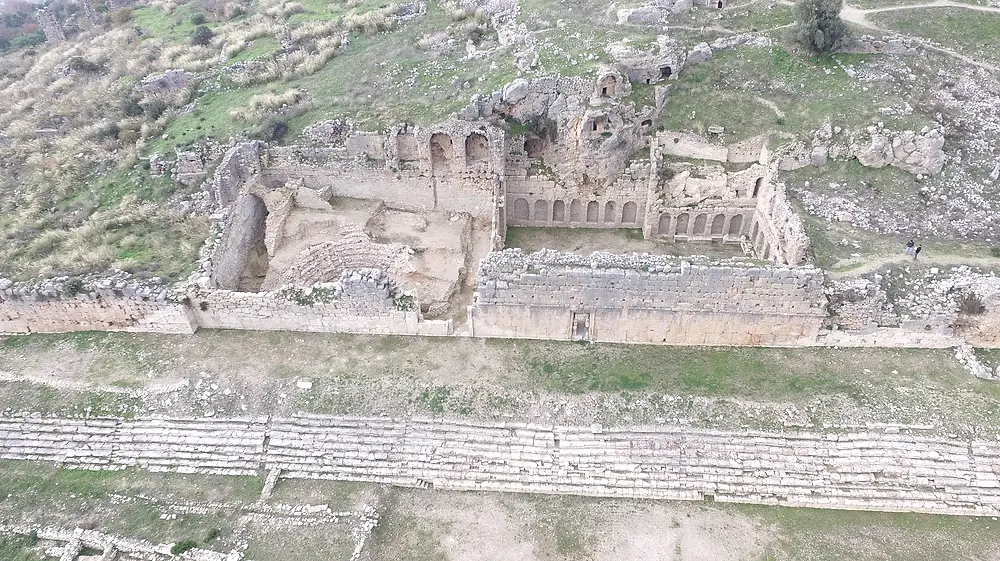
Today the ruins include a theatre, a stadium, a large bath, a Temple of Kronos, a basilica and, cut into the cliff, the rock tombs that make Tlos so photogenic. Excavations are still under way among these monuments. The city was placed on UNESCO's World Heritage Tentative List in 2009.
According to the Ministry’s listing it opens at 09:00 and closes at 19:30 (last entry 20:00). Open every day.
No. This site sells no tickets. Topkapı Palace, the Basilica Cistern, Hagia Sophia and Dolmabahçe Palace are sold on our sister sites; for Tlos Archaeological Site, buy at the ticket office or on the Ministry’s official e-ticket system.
Tlos Archaeological Site is in Muğla, Türkiye — Yakaköy Mahallesi, Saklıkent Yolu, 48850.
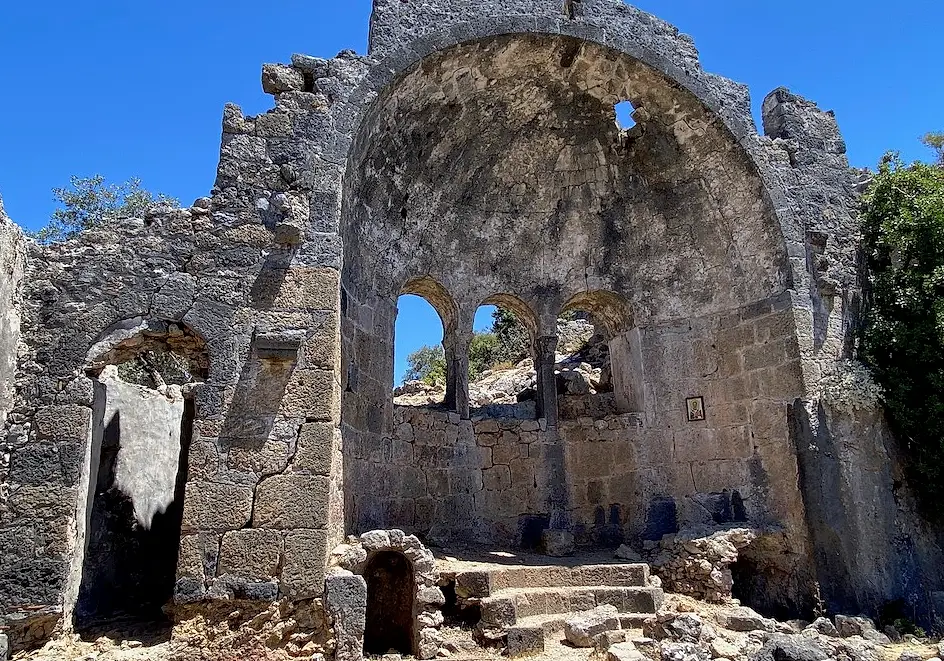
A small island at the southern end of Fethiye Bay with Byzantine church ruins, tombs and a sacred hilltop, reached by boat.
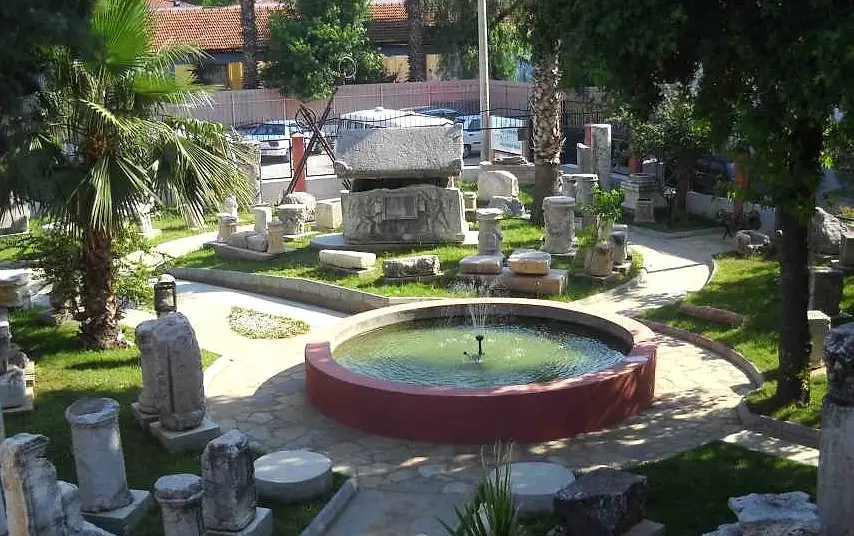
Fethiye's museum of archaeology and ethnography, home to a famous trilingual Lycian stele; currently listed as closed to visitors.
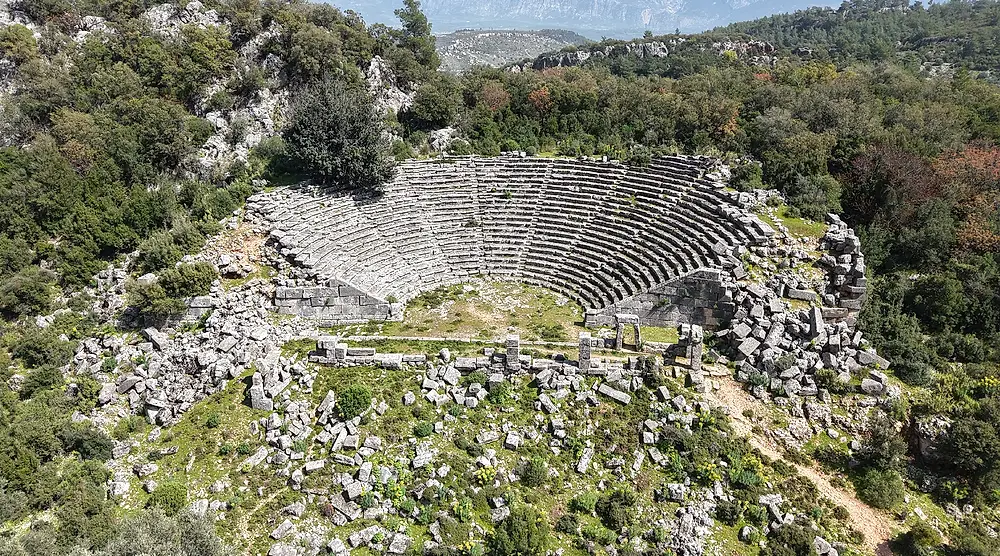
A Lycian hill city near Fethiye, with a round rock honeycombed with tombs, a theatre, an agora and rock-cut graves.
Four Istanbul landmarks, each sold on its own site by the agency behind this guide — dated entry and free cancellation up to 24 hours.
The sultans’ palace on Sarayburnu: courtyards, the Imperial Council, the treasury and the terraces over the water. Dated entry, sold online on its own site.
Justinian’s great underground reservoir: 336 columns in still water and the two Medusa heads. Fast-track entry with a digital audio guide.
Justinian’s cathedral, the sultans’ mosque and a working mosque again today. The ticket admits you to the upper visitor gallery.
A nineteenth-century palace on the water’s edge: the Selamlık, the Ceremonial Hall under its chandelier, the crystal staircase and the Harem.


