
Topkapı Palace
The sultans’ palace on Sarayburnu: courtyards, the Imperial Council, the treasury and the terraces over the water. Dated entry, sold online on its own site.
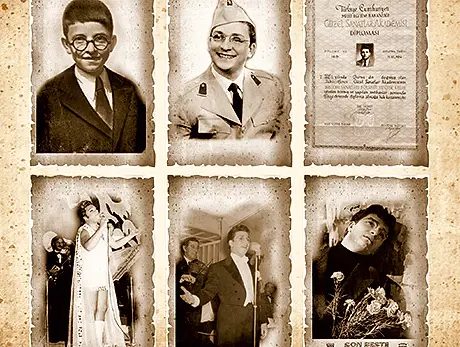
The Bodrum house where the great singer Zeki Müren lived from 1980 until his death, showing his stage costumes, photographs, documents and personal belongings.
The Zeki Müren Art Museum in Bodrum is a two-storey house, and it is best understood as a home rather than a gallery. It is where Zeki Müren, one of Turkey's most beloved artists, lived from 1980 until his death in 1996. Restored by the Ministry of Culture, it was turned into a museum and opened to visitors in 2000.
The lower floor is furnished as the artist actually lived, while the upper floor is arranged as the museum proper. There you will find information and documents about his life and works, photographs, and his stage costumes and personal belongings.
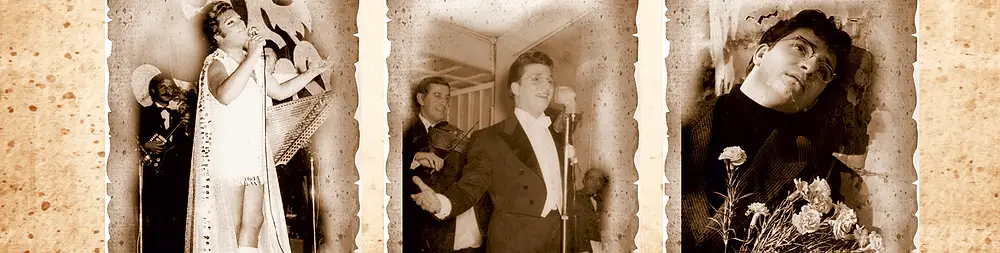
Zeki Müren was born on 6 December 1931 in Bursa and is regarded as one of the most important figures of classical Turkish music. He received the title of State Artist in 1991 and the first golden record award in Turkey, and he composed more than three hundred songs. He also trained in decorative arts at the Istanbul State Academy of Fine Arts, continued to study pattern design alongside his music, and designed many of his own stage clothes. He painted too, exhibiting paintings and drawings in several cities. In 1996 he died of a heart attack during a ceremony held in his honour.
According to the Ministry’s listing it opens at 08:30 and closes at 17:30 (last entry 17:00). Closed: Monday.
No. This site sells no tickets. Topkapı Palace, the Basilica Cistern, Hagia Sophia and Dolmabahçe Palace are sold on our sister sites; for Zeki Müren Art Museum, buy at the ticket office or on the Ministry’s official e-ticket system.
Zeki Müren Art Museum is in Muğla, Türkiye — Muğla Bodrum Kumbahçe Mahallesi.
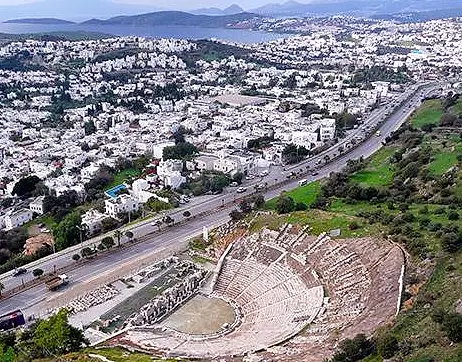
The best-preserved relic of ancient Halicarnassus, a 4th-century BC theatre on the slope of Göktepe with views of the sea, Kos and the Datça peninsula.
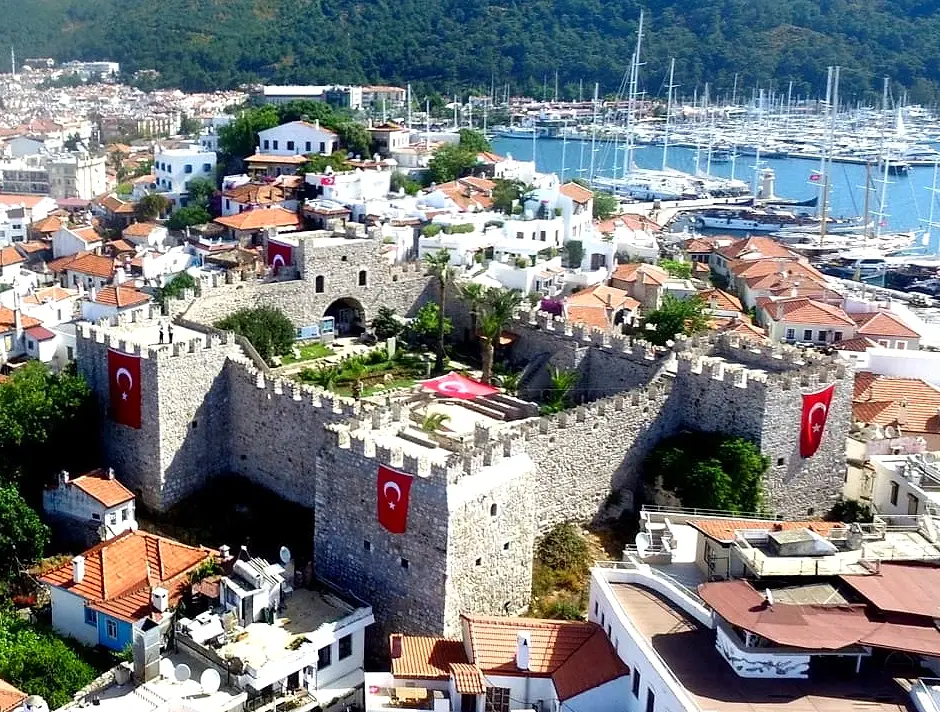
A museum inside the Ottoman castle of Marmaris, built for Süleyman the Magnificent, showing finds from Knidos, Emecik and the sea floor around the bay.
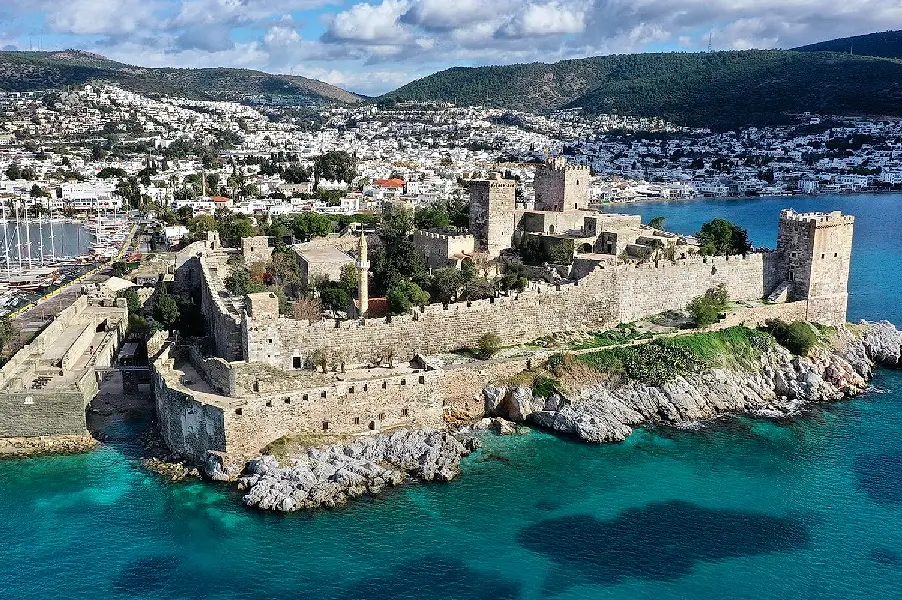
Inside Bodrum Castle, the only museum in Turkey devoted to underwater archaeology, with Bronze Age and medieval shipwreck finds, glass, and one of the world's great amphora collections.
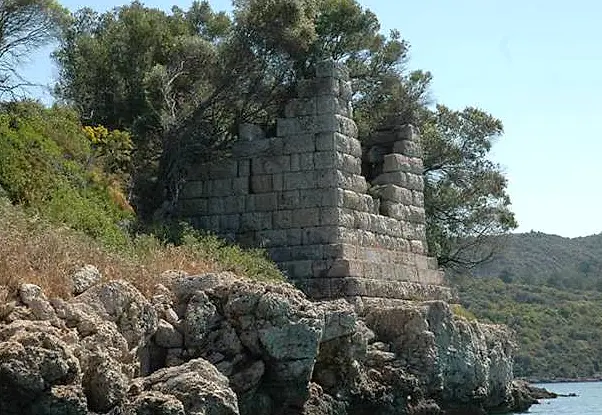
Ancient Kedrai on a protected island in the Gulf of Gökova, where ruins, a rare-sand beach and unspoilt nature share the same shore.
Four Istanbul landmarks, each sold on its own site by the agency behind this guide — dated entry and free cancellation up to 24 hours.
The sultans’ palace on Sarayburnu: courtyards, the Imperial Council, the treasury and the terraces over the water. Dated entry, sold online on its own site.
Justinian’s great underground reservoir: 336 columns in still water and the two Medusa heads. Fast-track entry with a digital audio guide.
Justinian’s cathedral, the sultans’ mosque and a working mosque again today. The ticket admits you to the upper visitor gallery.
A nineteenth-century palace on the water’s edge: the Selamlık, the Ceremonial Hall under its chandelier, the crystal staircase and the Harem.


