
Topkapı Palace
The sultans’ palace on Sarayburnu: courtyards, the Imperial Council, the treasury and the terraces over the water. Dated entry, sold online on its own site.
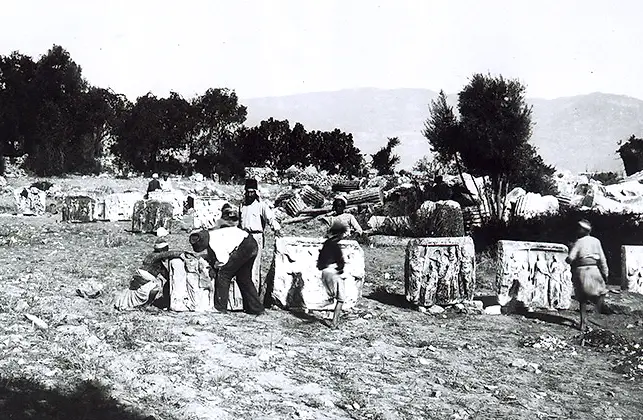
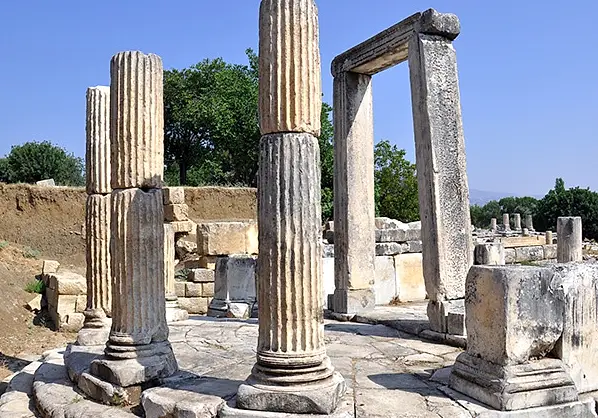
The great sanctuary of Hekate in Carian country, in the hills of Yatağan in Muğla, with a monumental gateway, a sacred way and a Corinthian temple at its heart.
Lagina was the leading cult centre of Hekate in ancient Caria, set in the hills above the Yatağan plain in the province of Muğla. The goddess's fame was so lasting that the district is still called Leyne, and recent research shows that people have lived around here without interruption since the Early Bronze Age.
The sanctuary took its monumental form under the Seleucid kings, who also made nearby Stratonikeia, some eleven kilometres away, the political centre of the region. Inscriptions preserved in both places tell us that a sacred road tied the two cities together, so a visit here is really half of a larger story.
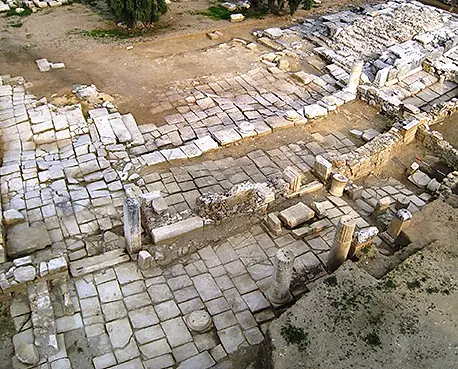
On the ground you can make out the monumental gateway, the sacred way, the altar, the enclosing precinct wall and the Doric stoas, all arranged around the Hekate temple in the middle. The temple was a Corinthian building on a pseudo-dipteral plan, and stretches of the boundary wall still rise to about two metres. The digs here were also the first in Turkey led by Turkish scholars, which gives the place a second claim to fame.
According to the Ministry’s listing it opens at 09:00 and closes at 20:00 (last entry 19:30). Open every day.
No. This site sells no tickets. Topkapı Palace, the Basilica Cistern, Hagia Sophia and Dolmabahçe Palace are sold on our sister sites; for Lagina Archaeological Site, buy at the ticket office or on the Ministry’s official e-ticket system.
Lagina Archaeological Site is in Muğla, Türkiye — Turgut Mahallesi, 48540.
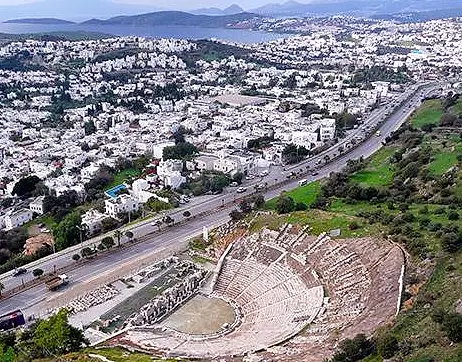
The best-preserved relic of ancient Halicarnassus, a 4th-century BC theatre on the slope of Göktepe with views of the sea, Kos and the Datça peninsula.
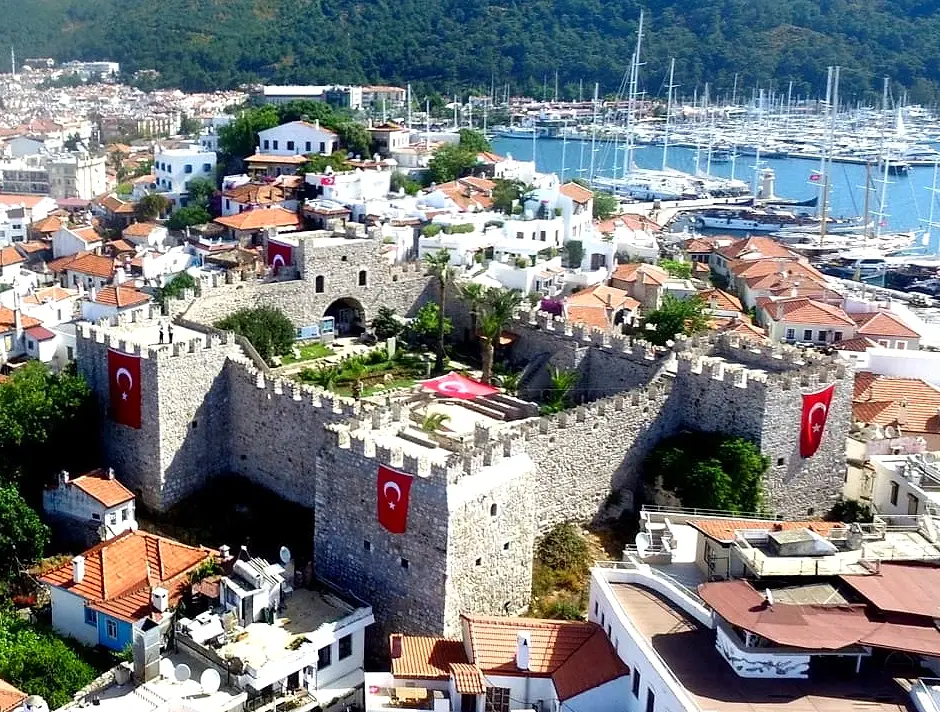
A museum inside the Ottoman castle of Marmaris, built for Süleyman the Magnificent, showing finds from Knidos, Emecik and the sea floor around the bay.
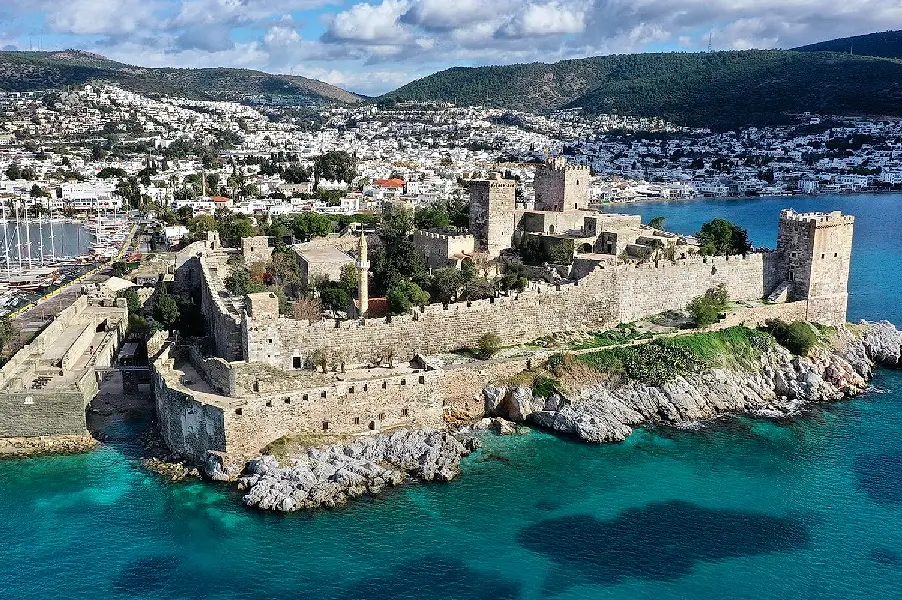
Inside Bodrum Castle, the only museum in Turkey devoted to underwater archaeology, with Bronze Age and medieval shipwreck finds, glass, and one of the world's great amphora collections.
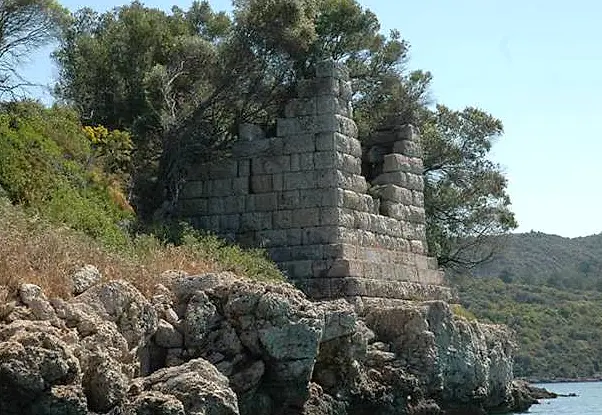
Ancient Kedrai on a protected island in the Gulf of Gökova, where ruins, a rare-sand beach and unspoilt nature share the same shore.
Four Istanbul landmarks, each sold on its own site by the agency behind this guide — dated entry and free cancellation up to 24 hours.
The sultans’ palace on Sarayburnu: courtyards, the Imperial Council, the treasury and the terraces over the water. Dated entry, sold online on its own site.
Justinian’s great underground reservoir: 336 columns in still water and the two Medusa heads. Fast-track entry with a digital audio guide.
Justinian’s cathedral, the sultans’ mosque and a working mosque again today. The ticket admits you to the upper visitor gallery.
A nineteenth-century palace on the water’s edge: the Selamlık, the Ceremonial Hall under its chandelier, the crystal staircase and the Harem.


