
Topkapı Palace
The sultans’ palace on Sarayburnu: courtyards, the Imperial Council, the treasury and the terraces over the water. Dated entry, sold online on its own site.
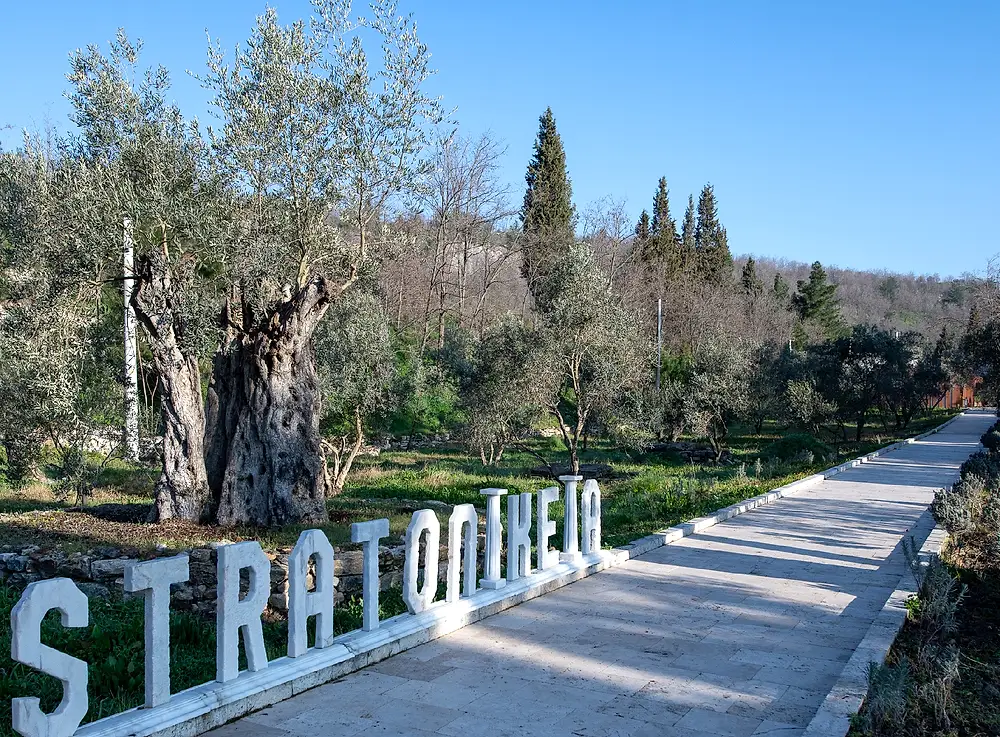
A Hellenistic and Roman city at Eskihisar near Yatağan in Muğla, unusual for its old village houses standing among the ancient ruins.
Stratonikeia lies within the village of Eskihisar, some six or seven kilometres west of Yatağan in Muğla province, on the Yatağan to Milas road. The ancient writers Herodotus, Strabo, Pausanias and Stephanus of Byzantium tell of an earlier settlement here known as Khrysaoris or Idrias. In 281 BC the Seleucid king Antiochus I renamed the city after Stratonike, first his stepmother and then his wife.
The city changed hands between the Seleucids, Ptolemies, Macedonians, Rhodes and Rome, and it stayed important all through the Roman imperial period, when it saw continuous building. The Early Empire and the 2nd century AD were its greatest building phases, and construction continued in Byzantine times. Coins found in excavations show that Stratonikeia struck its own money from 167 BC, after gaining independence from Rhodes, and that it continued under Gallienus.
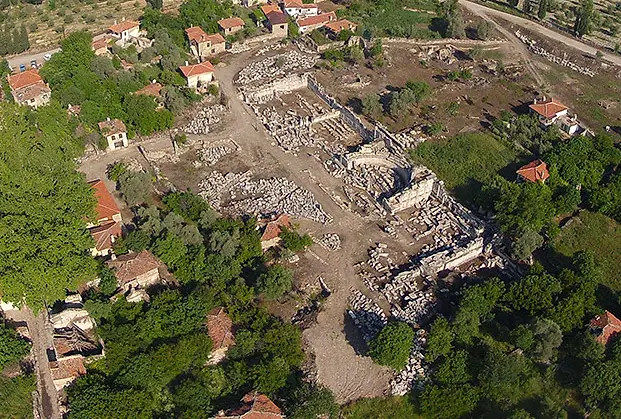
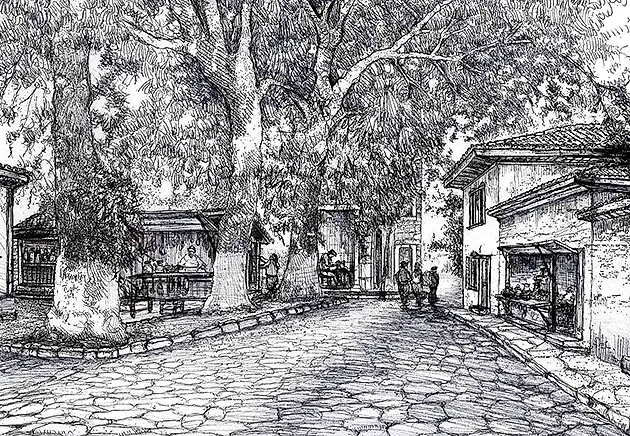
After the Turkic conquest of Anatolia at the end of the 11th century the city was settled again, and people lived here through the 14th and 15th centuries and beyond. Eskihisar village has now moved entirely to a new settlement, but some families still live in old village houses inside the ancient city, so the ruins and daily life sit side by side. The acropolis crowns the mountain to the south and is ringed by a wall.
According to the Ministry’s listing it opens at 08:30 and closes at 20:00 (last entry 19:30). Open every day.
No. This site sells no tickets. Topkapı Palace, the Basilica Cistern, Hagia Sophia and Dolmabahçe Palace are sold on our sister sites; for Stratonikeia Archaeological Site, buy at the ticket office or on the Ministry’s official e-ticket system.
Stratonikeia Archaeological Site is in Muğla, Türkiye — Eskihisar Mahallesi, 48500.
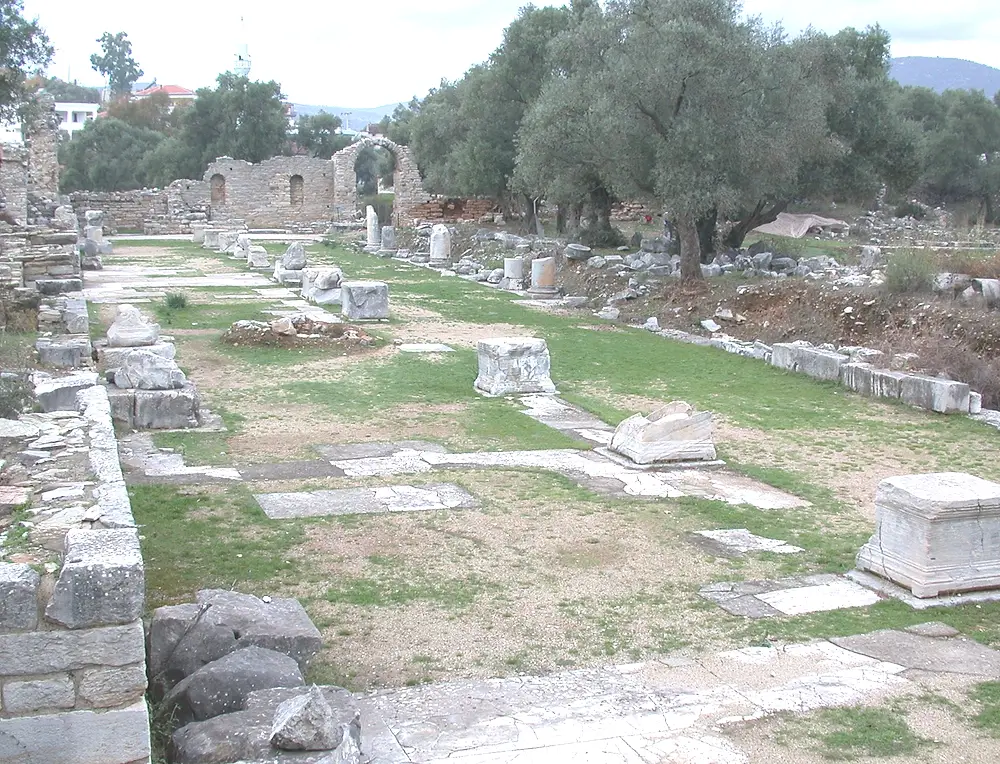
An ancient port city on a peninsula in the Gulf of Güllük, with a great city wall, aqueducts, tombs and the famous Fish Market, only 28 km from Milas.
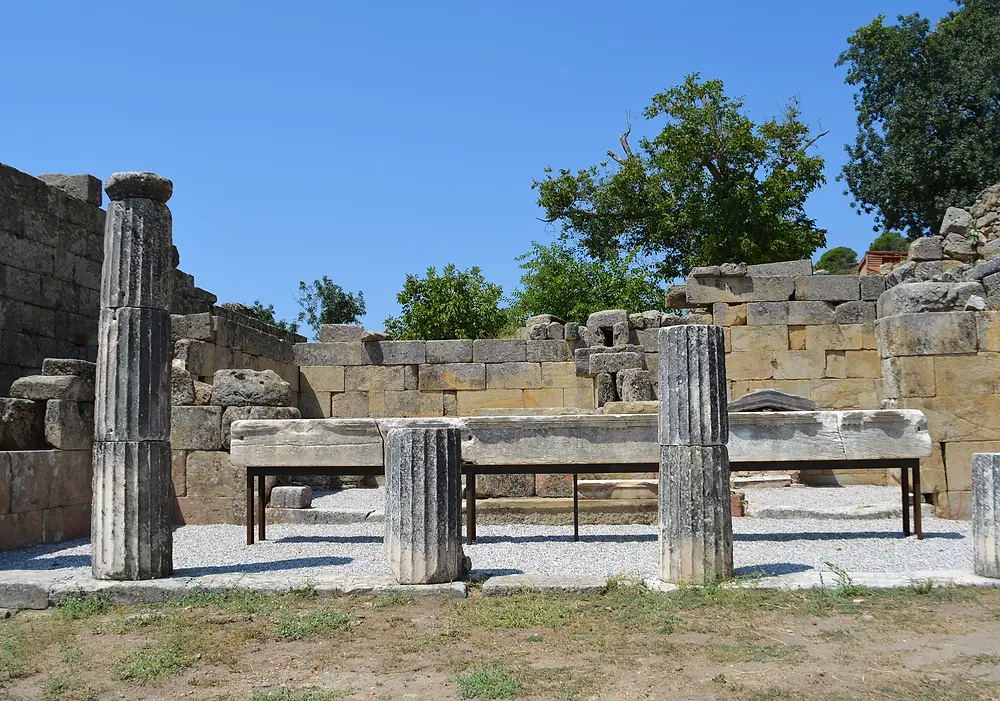
A Carian mountain sanctuary of Zeus Labraundos above Milas in Muğla, reached by a long sacred road and shaped by the Hekatomnid dynasty in the 4th century BC.
Four Istanbul landmarks, each sold on its own site by the agency behind this guide — dated entry and free cancellation up to 24 hours.
The sultans’ palace on Sarayburnu: courtyards, the Imperial Council, the treasury and the terraces over the water. Dated entry, sold online on its own site.
Justinian’s great underground reservoir: 336 columns in still water and the two Medusa heads. Fast-track entry with a digital audio guide.
Justinian’s cathedral, the sultans’ mosque and a working mosque again today. The ticket admits you to the upper visitor gallery.
A nineteenth-century palace on the water’s edge: the Selamlık, the Ceremonial Hall under its chandelier, the crystal staircase and the Harem.


