
Topkapı Palace
The sultans’ palace on Sarayburnu: courtyards, the Imperial Council, the treasury and the terraces over the water. Dated entry, sold online on its own site.
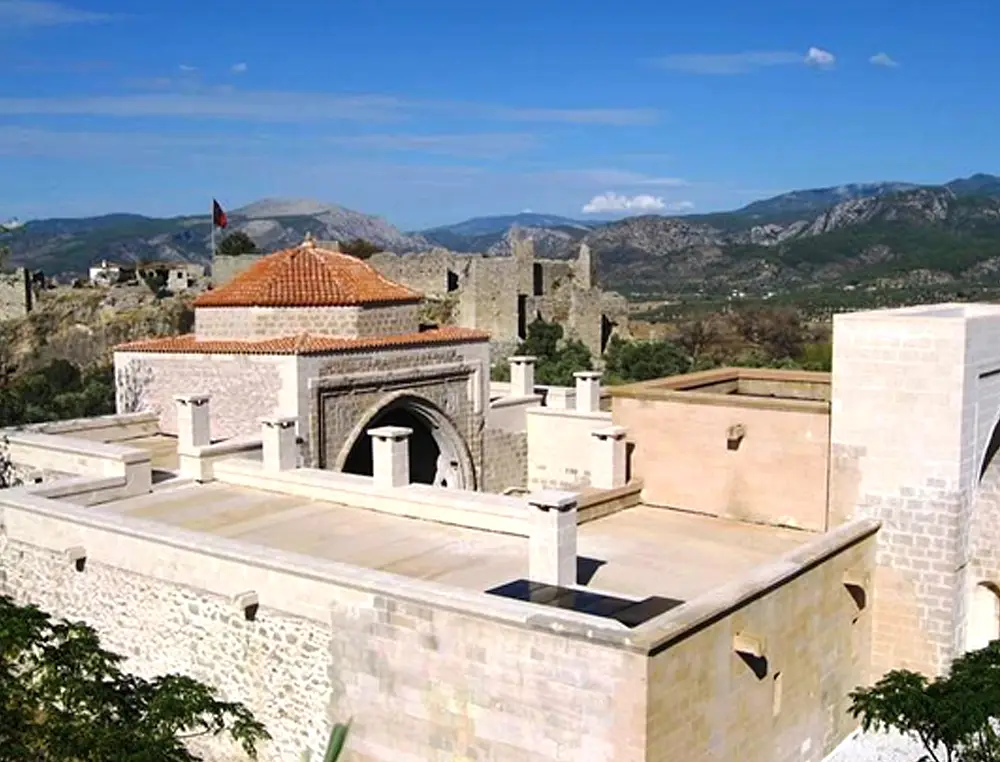
A museum inside the 1375 Ahmed Gazi Madrasah at Beçin Castle near Milas, showing carved stonework of the Beylik and Ottoman periods in a beautifully restored courtyard building.
This museum occupies the Ahmed Gazi Madrasah, built in 1375 inside the ruins of Beçin Castle. It is the only building in Beçin that still bears its original inscription. After restoration it was given a new life as the Milas Stone Works Museum, run by the Milas Museum Directorate.
The building follows a type of madrasah with a single storey, an open courtyard without a portico and two iwans, a plan common in the Seljuk and Beylik periods. In its main iwan lie the tomb of Ahmed Gazi, who founded the madrasah, and another tomb belonging to someone unknown.
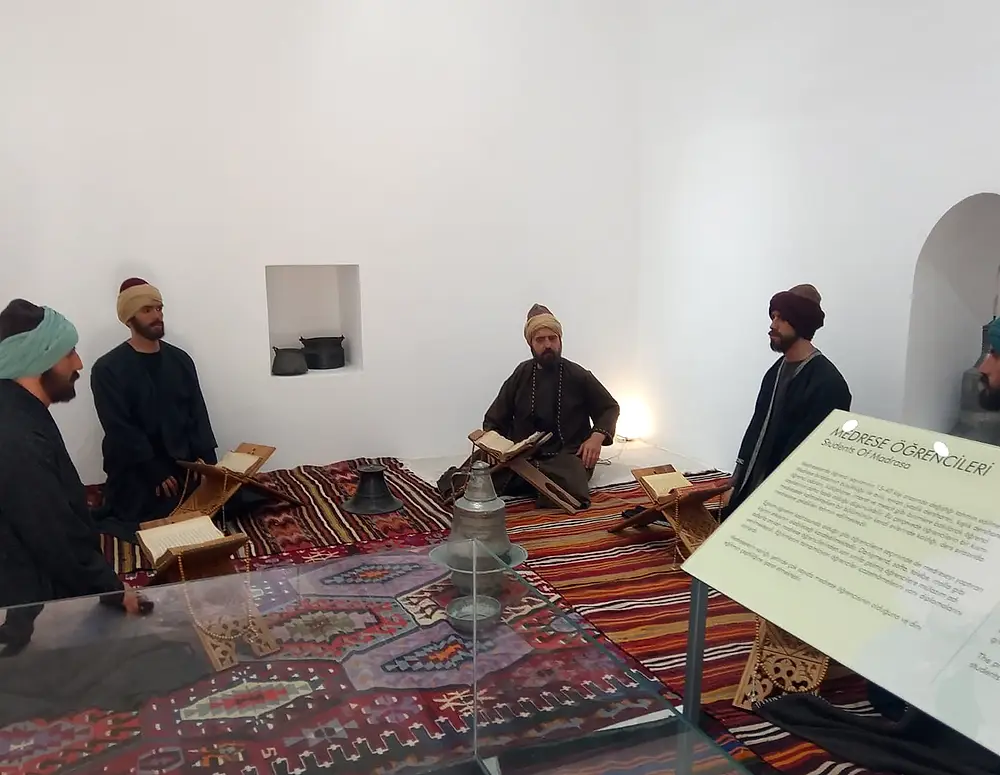
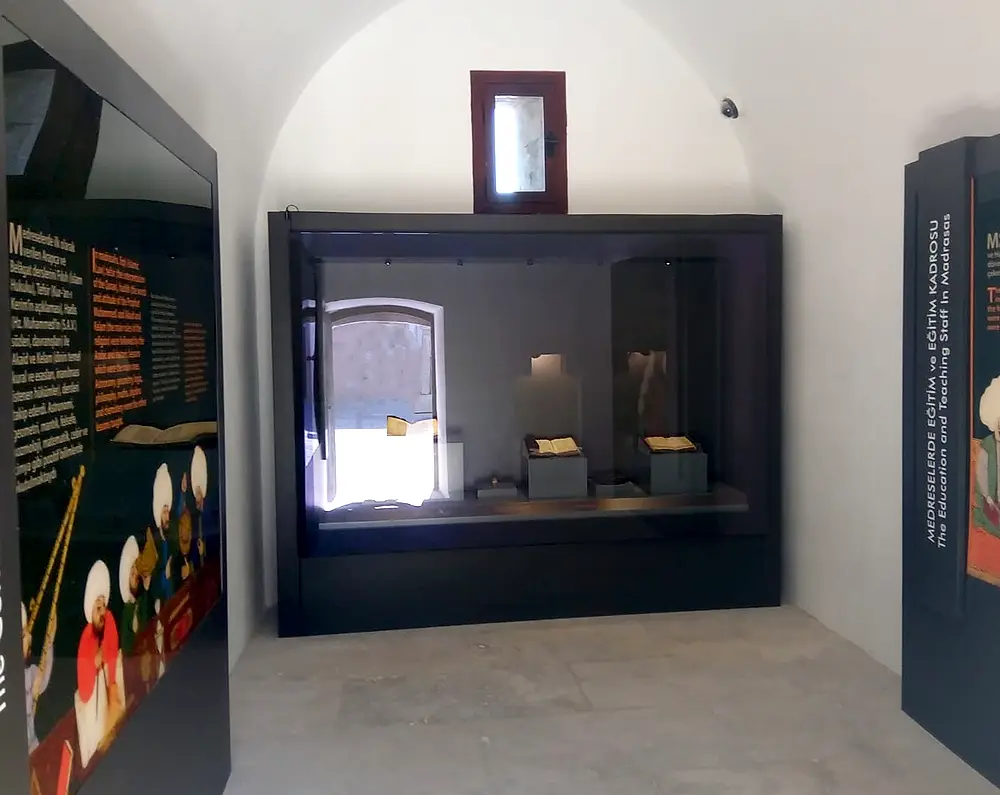
Inside, the museum has nine rooms, two corridors and a courtyard, and it shows thirty-five stone works, arranged in chronological order and divided between the Beylik and Ottoman periods. Because the building is itself a madrasah, there are also ethnographic objects about education and burial customs, a cinevision room, miniatures of Anatolian madrasah buildings and an animation room. It is a small but thoughtful stop for anyone interested in stone carving and Islamic learning.
According to the Ministry’s listing it opens at 08:30 and closes at 19:30 (last entry 19:00). Closed: Monday.
No. This site sells no tickets. Topkapı Palace, the Basilica Cistern, Hagia Sophia and Dolmabahçe Palace are sold on our sister sites; for Milas Stone Works Museum, buy at the ticket office or on the Ministry’s official e-ticket system.
Milas Stone Works Museum is in Muğla, Türkiye — Beçin Mahallesi, Kale Caddesi, No:19/2.
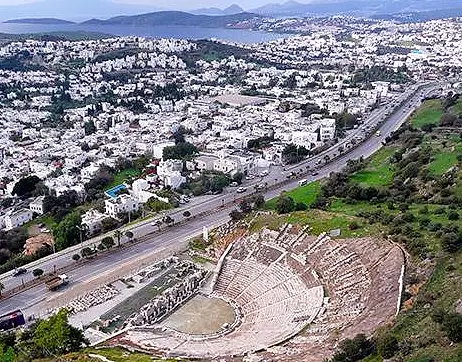
The best-preserved relic of ancient Halicarnassus, a 4th-century BC theatre on the slope of Göktepe with views of the sea, Kos and the Datça peninsula.
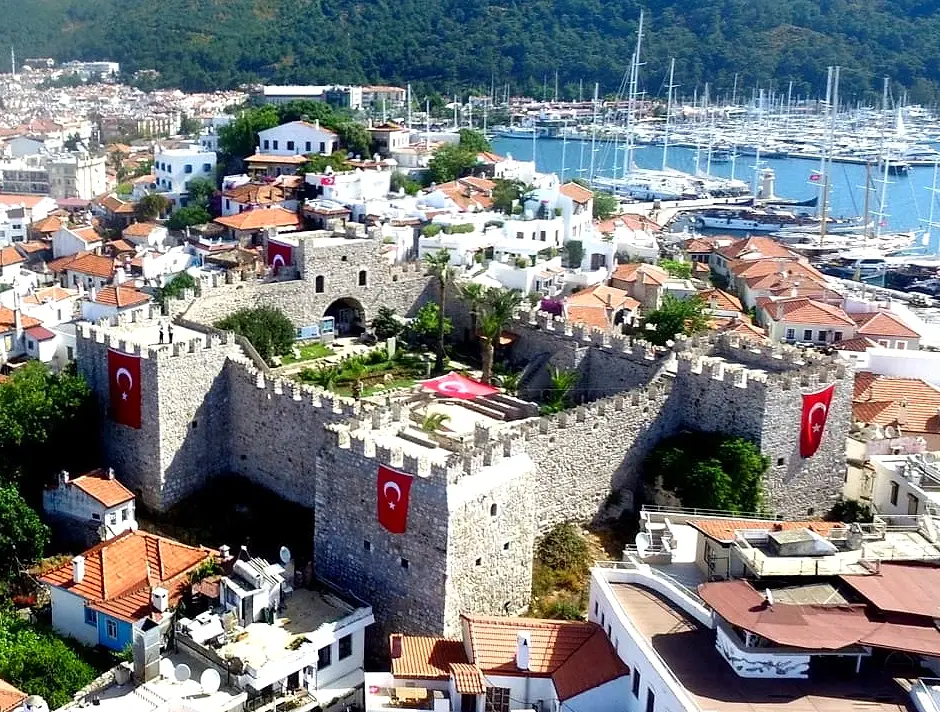
A museum inside the Ottoman castle of Marmaris, built for Süleyman the Magnificent, showing finds from Knidos, Emecik and the sea floor around the bay.
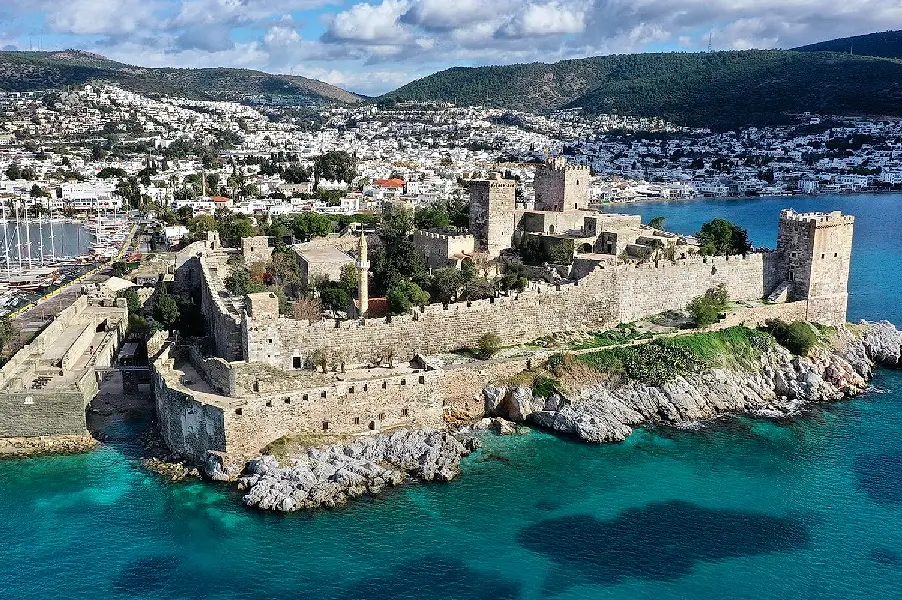
Inside Bodrum Castle, the only museum in Turkey devoted to underwater archaeology, with Bronze Age and medieval shipwreck finds, glass, and one of the world's great amphora collections.
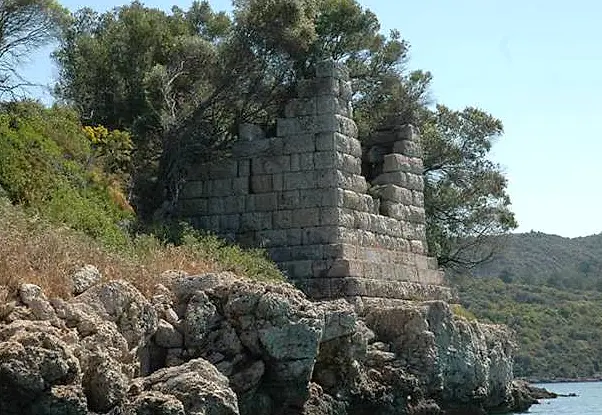
Ancient Kedrai on a protected island in the Gulf of Gökova, where ruins, a rare-sand beach and unspoilt nature share the same shore.
Four Istanbul landmarks, each sold on its own site by the agency behind this guide — dated entry and free cancellation up to 24 hours.
The sultans’ palace on Sarayburnu: courtyards, the Imperial Council, the treasury and the terraces over the water. Dated entry, sold online on its own site.
Justinian’s great underground reservoir: 336 columns in still water and the two Medusa heads. Fast-track entry with a digital audio guide.
Justinian’s cathedral, the sultans’ mosque and a working mosque again today. The ticket admits you to the upper visitor gallery.
A nineteenth-century palace on the water’s edge: the Selamlık, the Ceremonial Hall under its chandelier, the crystal staircase and the Harem.


