
Topkapı Palace
The sultans’ palace on Sarayburnu: courtyards, the Imperial Council, the treasury and the terraces over the water. Dated entry, sold online on its own site.
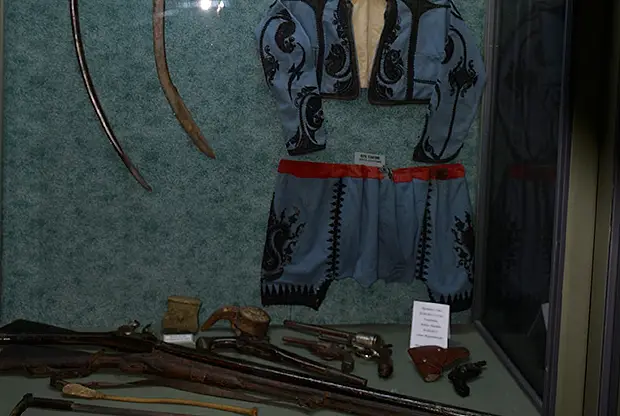
A museum in Muğla's former prison building, best known for its fossil hall from the Kaklıca hill dig, with ethnography, archaeology and gladiator-stele rooms.
The Muğla Museum stands behind the courthouse in the town's former prison, a two-storey rectangular building around an open courtyard. It opened to visitors in 1994, after fossils from a dig at Kaklıca hill in Özlüce village were put on display. The fossil bed was found by shepherds in 1993.
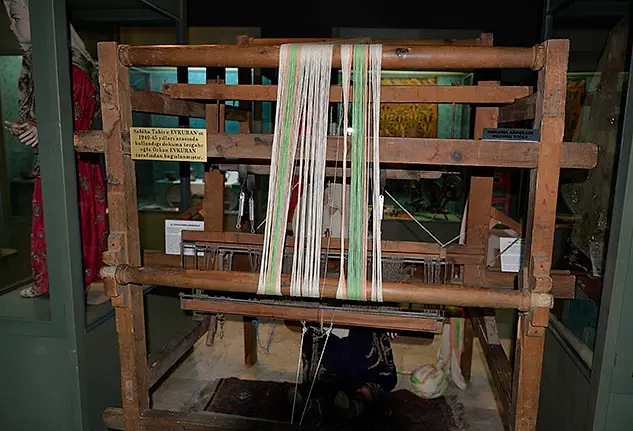
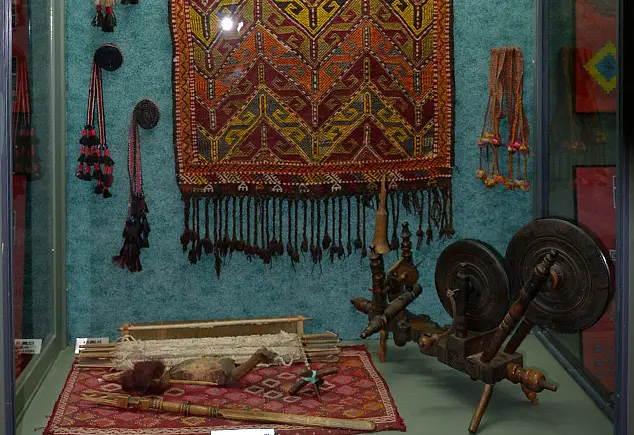
The Natural History Hall shows animals and plants that lived some five to nine million years ago, in the period called the Turolian. Their remains include giraffids, bovids, rhinoceroses, elephant relatives, pigs, horses and carnivores, along with many plant fossils, all from a landscape stretching from East Asia to Spain. The Ethnography Hall, opened in 1995, shows everyday items from Muğla from the Republican period to the present day.
The Archaeology Hall, which opened in 1997, gathers finds from settlements across Muğla, above all from Stratonikeia and the sanctuary of Lagina in Yatağan. The Gladiators Hall, from 2007, exhibits seven steles from the gladiator tombs of Stratonikeia. The Yatağan Rescue Excavations Hall shows objects from three decades of digs in the basin north-west of Yatağan.
According to the Ministry’s listing it opens at 08:30 and closes at 17:30 (last entry 17:00). Closed: Monday.
No. This site sells no tickets. Topkapı Palace, the Basilica Cistern, Hagia Sophia and Dolmabahçe Palace are sold on our sister sites; for Muğla Museum, buy at the ticket office or on the Ministry’s official e-ticket system.
Muğla Museum is in Muğla, Türkiye — Müştak Bey Cad. Eski Cezaevi Binası.
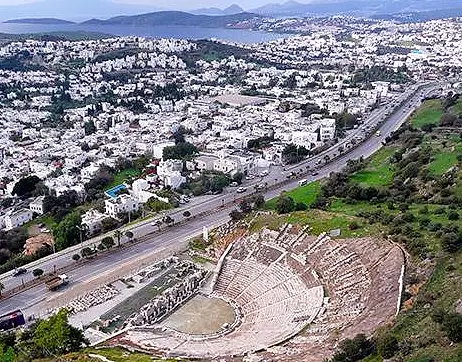
The best-preserved relic of ancient Halicarnassus, a 4th-century BC theatre on the slope of Göktepe with views of the sea, Kos and the Datça peninsula.
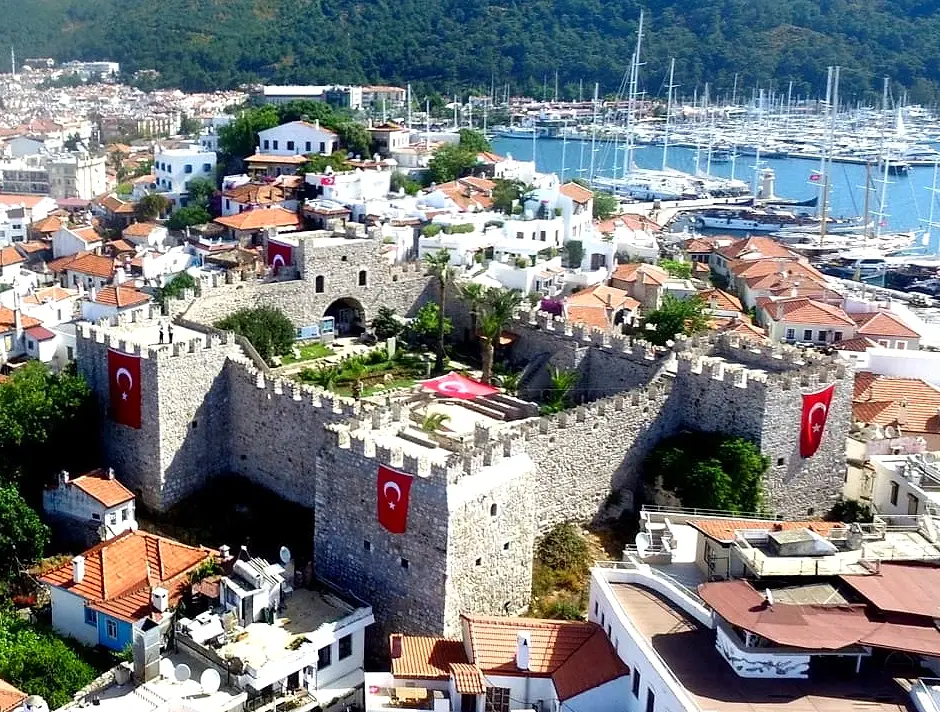
A museum inside the Ottoman castle of Marmaris, built for Süleyman the Magnificent, showing finds from Knidos, Emecik and the sea floor around the bay.
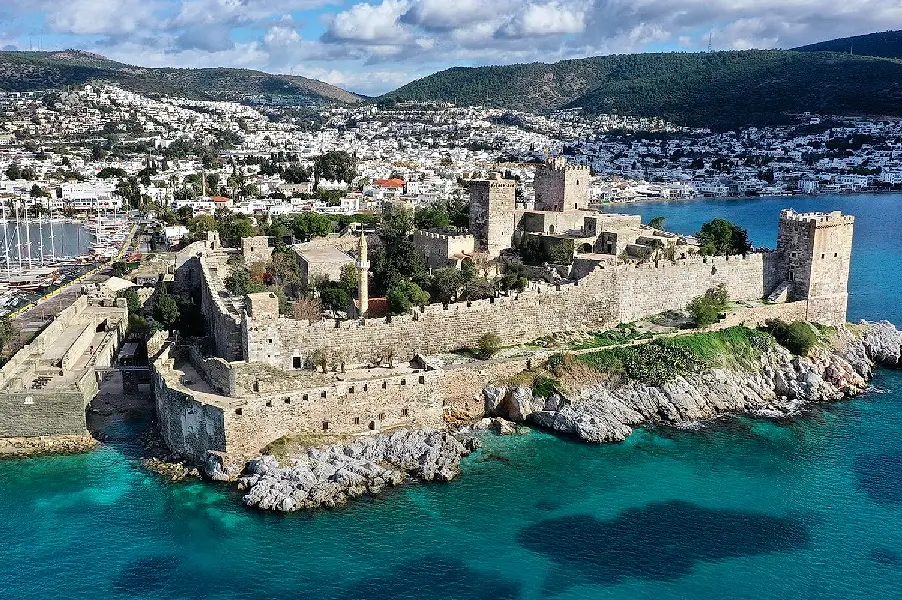
Inside Bodrum Castle, the only museum in Turkey devoted to underwater archaeology, with Bronze Age and medieval shipwreck finds, glass, and one of the world's great amphora collections.
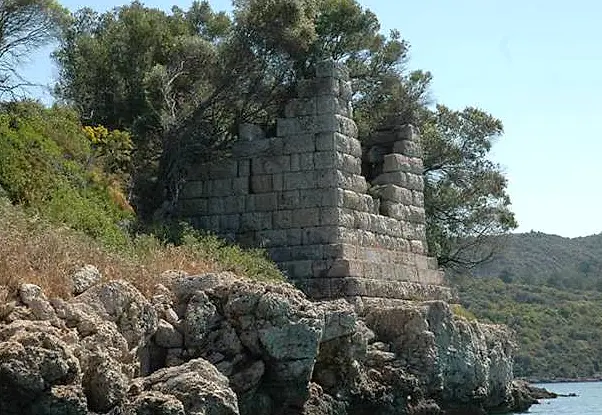
Ancient Kedrai on a protected island in the Gulf of Gökova, where ruins, a rare-sand beach and unspoilt nature share the same shore.
Four Istanbul landmarks, each sold on its own site by the agency behind this guide — dated entry and free cancellation up to 24 hours.
The sultans’ palace on Sarayburnu: courtyards, the Imperial Council, the treasury and the terraces over the water. Dated entry, sold online on its own site.
Justinian’s great underground reservoir: 336 columns in still water and the two Medusa heads. Fast-track entry with a digital audio guide.
Justinian’s cathedral, the sultans’ mosque and a working mosque again today. The ticket admits you to the upper visitor gallery.
A nineteenth-century palace on the water’s edge: the Selamlık, the Ceremonial Hall under its chandelier, the crystal staircase and the Harem.


