
Topkapı Palace
The sultans’ palace on Sarayburnu: courtyards, the Imperial Council, the treasury and the terraces over the water. Dated entry, sold online on its own site.
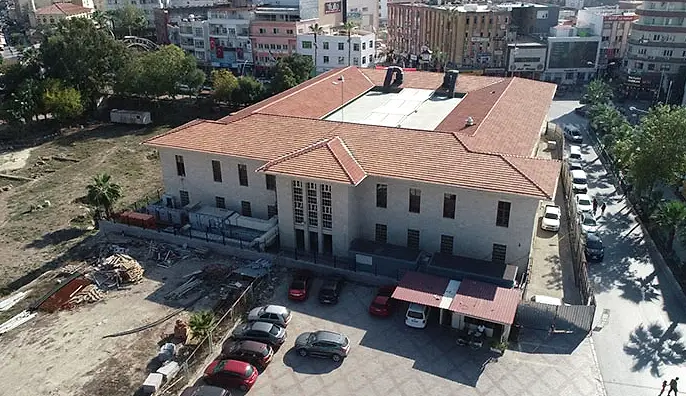
Tarsus's archaeology and ethnography museum, with finds from the Chalcolithic to the Byzantine period and a section on Çukurova traditions, metalwork and weaving.
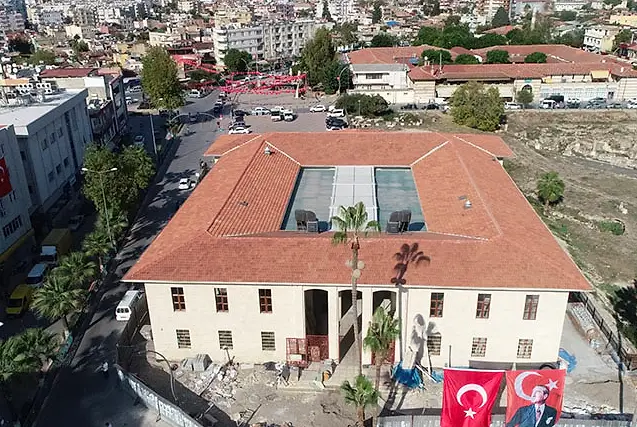
The Tarsus Museum first opened in 1970 in the Kubat Pasha Madrasah, and since then it has moved between buildings. It was relocated to the 75th Year Cultural Centre Complex around the year 2000, and later it was brought into its current building, known as the Old Courthouse. The present layout is an archaeological section and an ethnographic section.
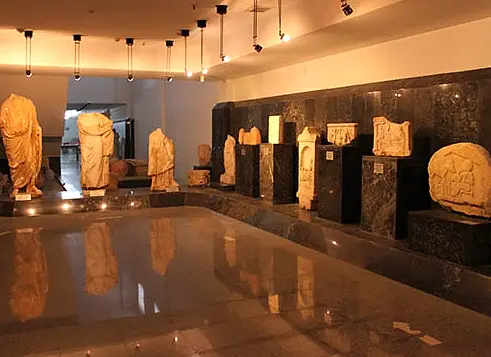
The archaeology section covers the Chalcolithic, Bronze and Iron Ages, and the Archaic, Classical, Hellenistic, Roman and Byzantine periods. The objects reached the museum by purchase and through archaeological excavations in the Tarsus region, so they give a long view of one of Cilicia's most important cities, a place linked with Saint Paul, Antony and Cleopatra.
The Ethnography Hall shows objects from Tarsus and its surroundings that belong to Çukurova culture. The metalwork, weaving and other everyday items reflect the social, religious and philosophical beliefs of the people who lived in Tarsus. Together the two sections give a good first overview of the city before you visit its other sights.
According to the Ministry’s listing it opens at 08:00 and closes at 19:00 (last entry 18:30). Open every day.
No. This site sells no tickets. Topkapı Palace, the Basilica Cistern, Hagia Sophia and Dolmabahçe Palace are sold on our sister sites; for Tarsus Museum, buy at the ticket office or on the Ministry’s official e-ticket system.
Tarsus Museum is in Mersin, Türkiye — Kızılmurat Mahallesi, Atatürk Caddesi, No:28 Tarsus/MERSİN.
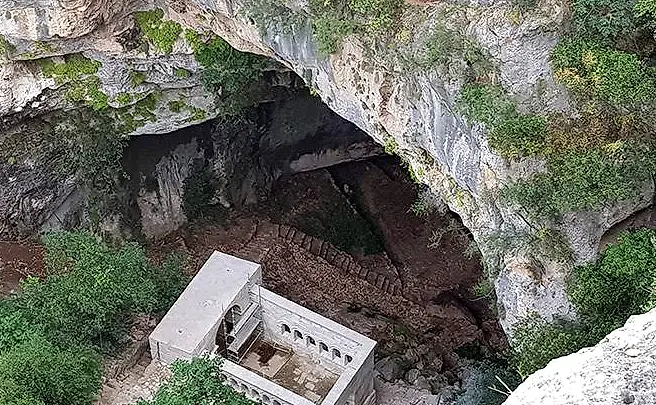
Two vast natural sinkholes on the Mediterranean coast, with a 5th-century chapel, a Hellenistic temple of Zeus and the myth of the monster Typhon.
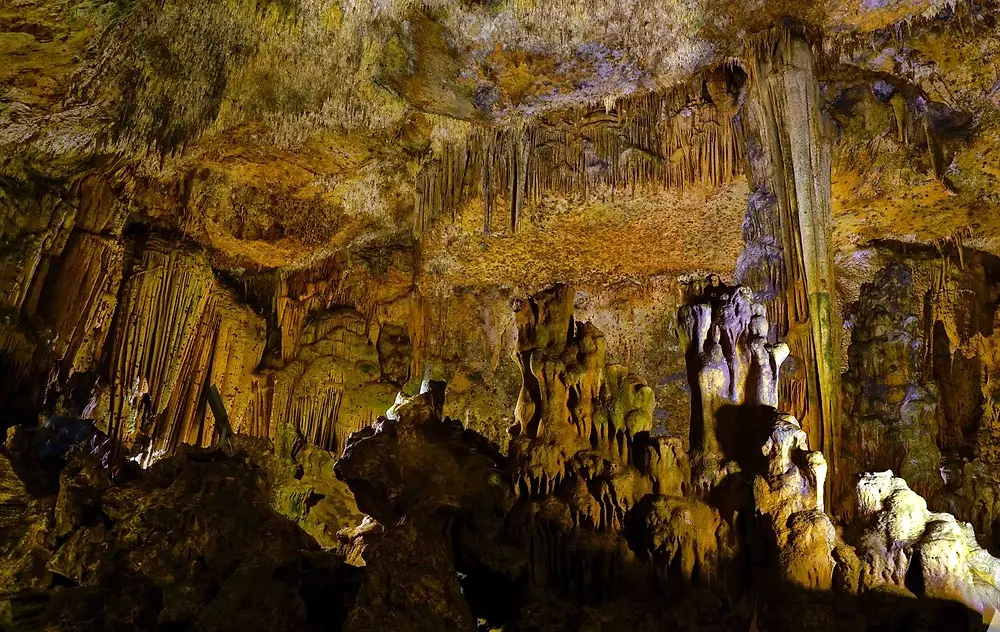
A natural cave near Narlıkuyu reached by a spiral iron staircase, known for its humid air, its stalactites and its "wishing cave" folklore.
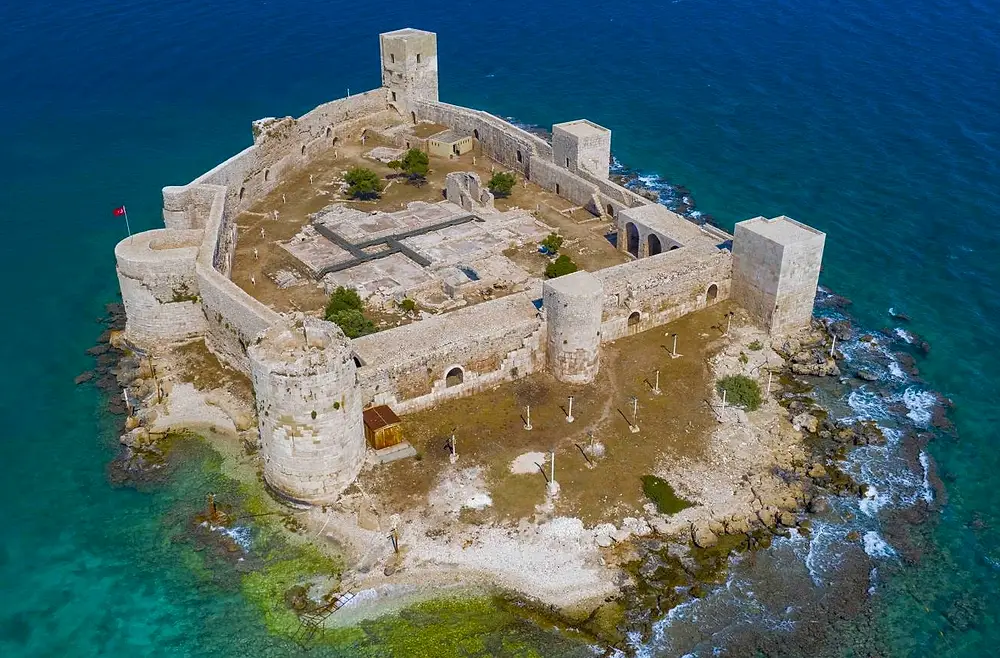
The coastal ruins of ancient Korykos at Kızkalesi, Mersin: a land castle, a necropolis valley and the sea castle offshore, layered with Roman, Byzantine and Armenian history.
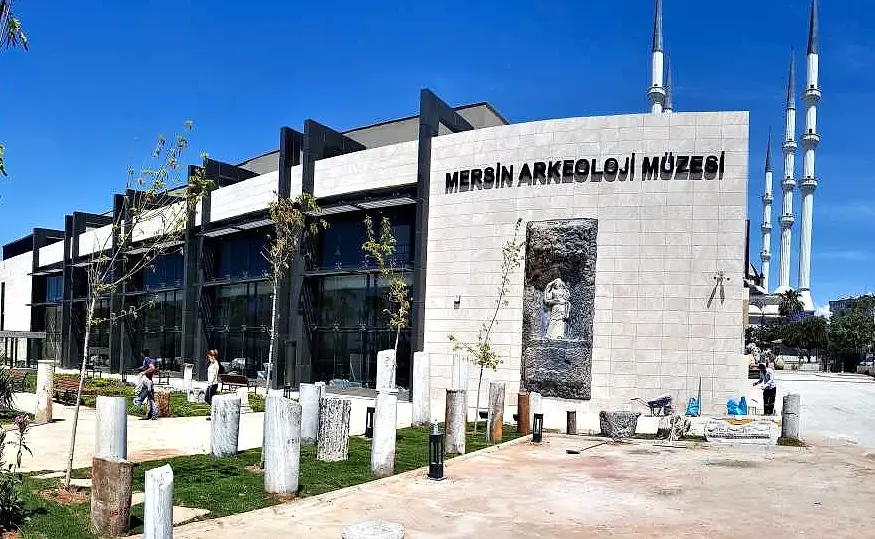
A modern museum near the seafront in Mersin, opened in its new building in 2017, taking visitors through a time tunnel from prehistory to the Republic.
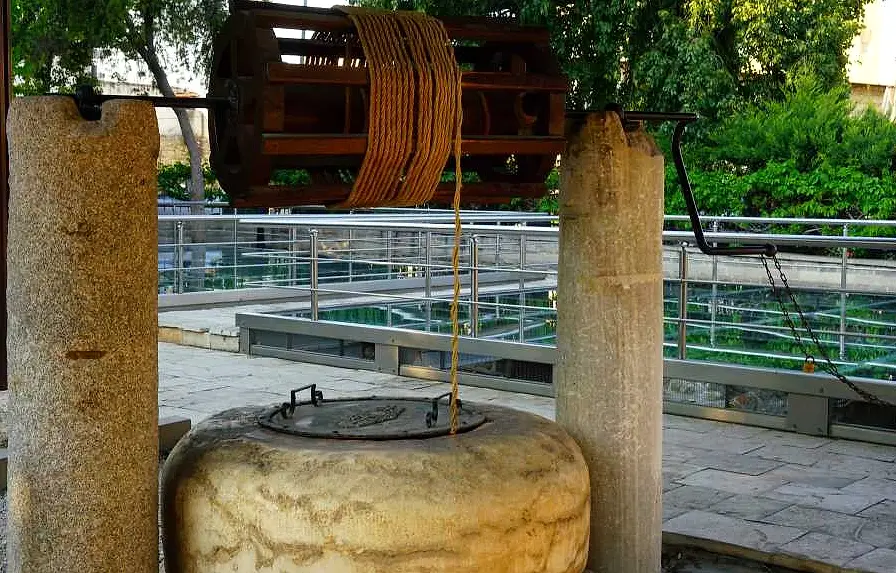
A deep well in a courtyard in old Tarsus, long revered as part of the house of Saint Paul, next to the excavated walls of a building said to be his birthplace.
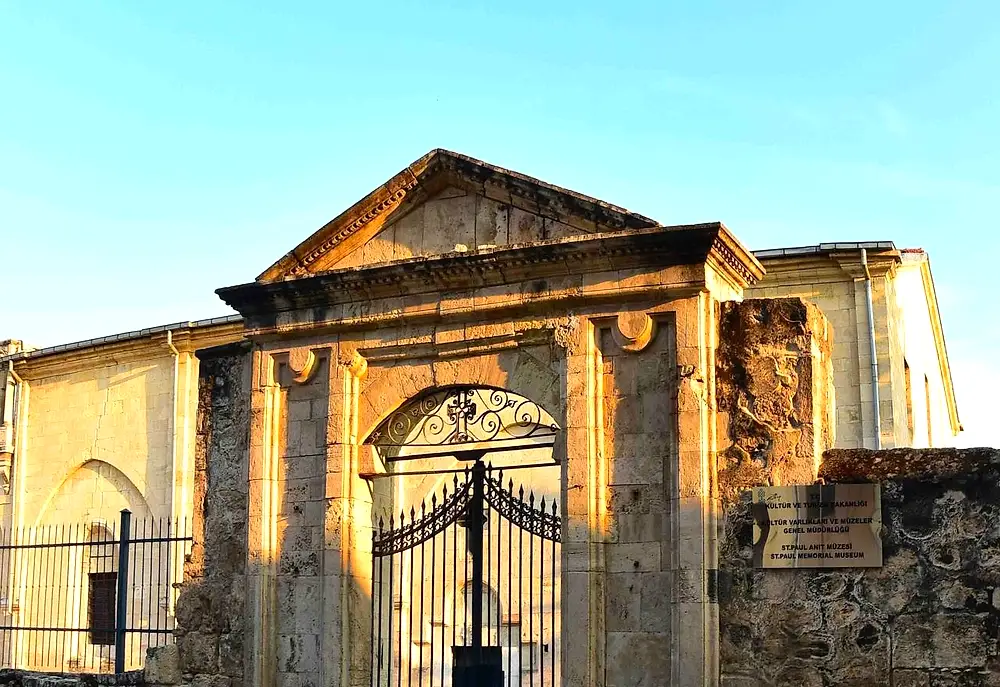
A three-aisled church of 1850 in Tarsus, now a museum in memory of Saint Paul, with ceiling frescoes of Christ and the four Evangelists and a bell tower in the corner.
Four Istanbul landmarks, each sold on its own site by the agency behind this guide — dated entry and free cancellation up to 24 hours.
The sultans’ palace on Sarayburnu: courtyards, the Imperial Council, the treasury and the terraces over the water. Dated entry, sold online on its own site.
Justinian’s great underground reservoir: 336 columns in still water and the two Medusa heads. Fast-track entry with a digital audio guide.
Justinian’s cathedral, the sultans’ mosque and a working mosque again today. The ticket admits you to the upper visitor gallery.
A nineteenth-century palace on the water’s edge: the Selamlık, the Ceremonial Hall under its chandelier, the crystal staircase and the Harem.


