
Topkapı Palace
The sultans’ palace on Sarayburnu: courtyards, the Imperial Council, the treasury and the terraces over the water. Dated entry, sold online on its own site.
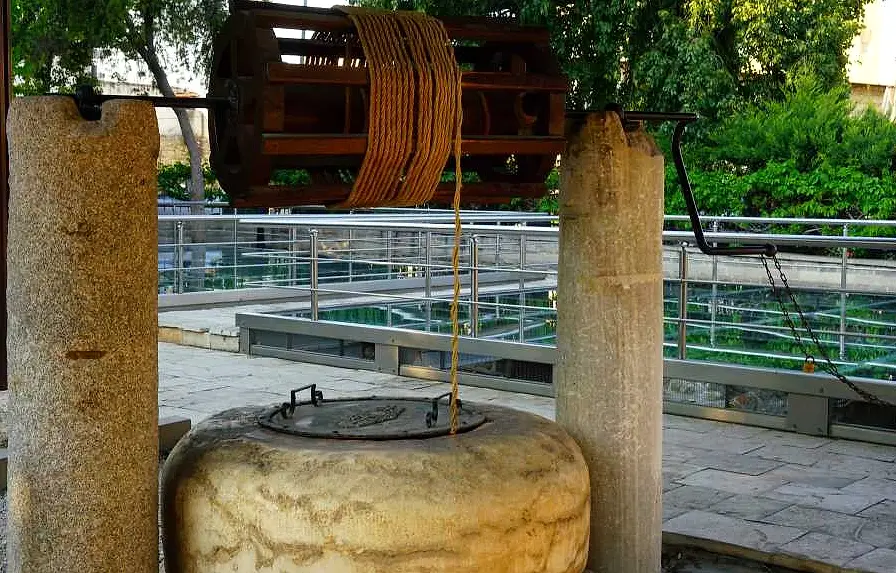
A deep well in a courtyard in old Tarsus, long revered as part of the house of Saint Paul, next to the excavated walls of a building said to be his birthplace.
The well known as St. Paul's Well lies in the centre of Tarsus, in the Kızılmurat quarter, about 300 metres north of Cumhuriyet Square. The surrounding streets are lined with old Tarsus houses, and the courtyard that holds the well has long been accepted as the site of the home of Saint Paul.
The well is 1.15 metres across. Its mouthstone is cylindrical, but the shaft below is square and lined with cut stone blocks. According to local accounts, its water never dries up, summer or winter. Landscaping and expropriation of the neighbouring plots were still reported as under way in the latest information.
A small excavation in the courtyard uncovered wall remains beside the well, and the stone walls of a house thought to be Paul's birthplace were revealed right next to it. Because of Paul's importance to Christianity, both the walls and the well have long been treated as sacred, an idea usually seen as the mark of the Christian community that lived in the town until recent times. Christians passing through on pilgrimage to Jerusalem are said to have drunk from the well, and it remains a place of visit for people from Turkey and abroad.
According to the Ministry’s listing it opens at 08:00 and closes at 19:00 (last entry 18:30).
No. This site sells no tickets. Topkapı Palace, the Basilica Cistern, Hagia Sophia and Dolmabahçe Palace are sold on our sister sites; for St. Paul's Well, Tarsus, buy at the ticket office or on the Ministry’s official e-ticket system.
St. Paul's Well, Tarsus is in Mersin, Türkiye — Kızılmurat Mahallesi, 37 Sok., 33400.
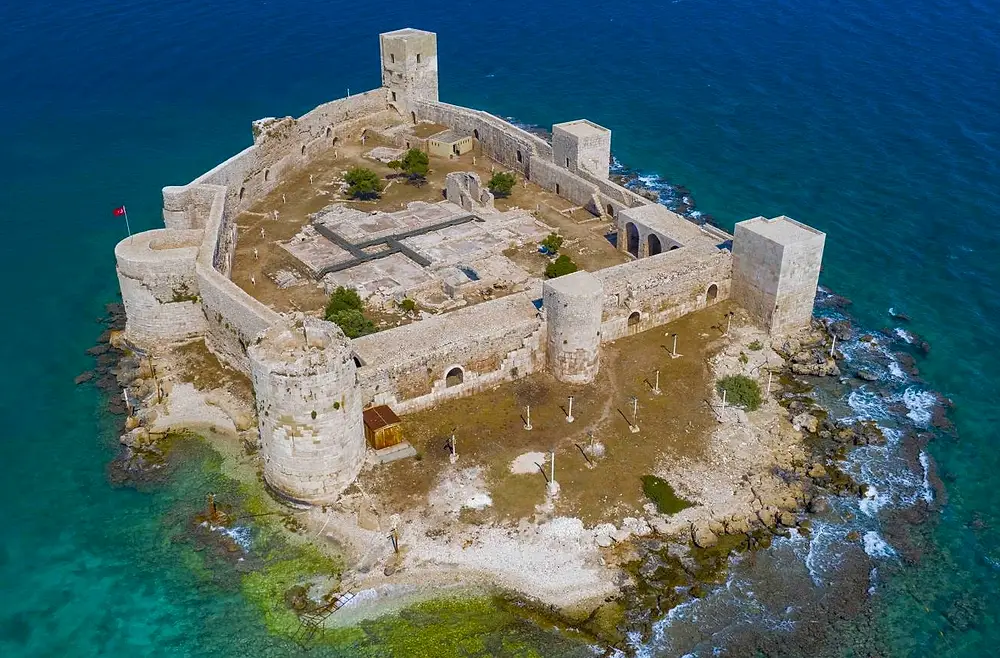
The coastal ruins of ancient Korykos at Kızkalesi, Mersin: a land castle, a necropolis valley and the sea castle offshore, layered with Roman, Byzantine and Armenian history.
An ancient Cilician city built around a huge sinkhole west of Mersin, with churches, olive workshops, cisterns and a Roman road.
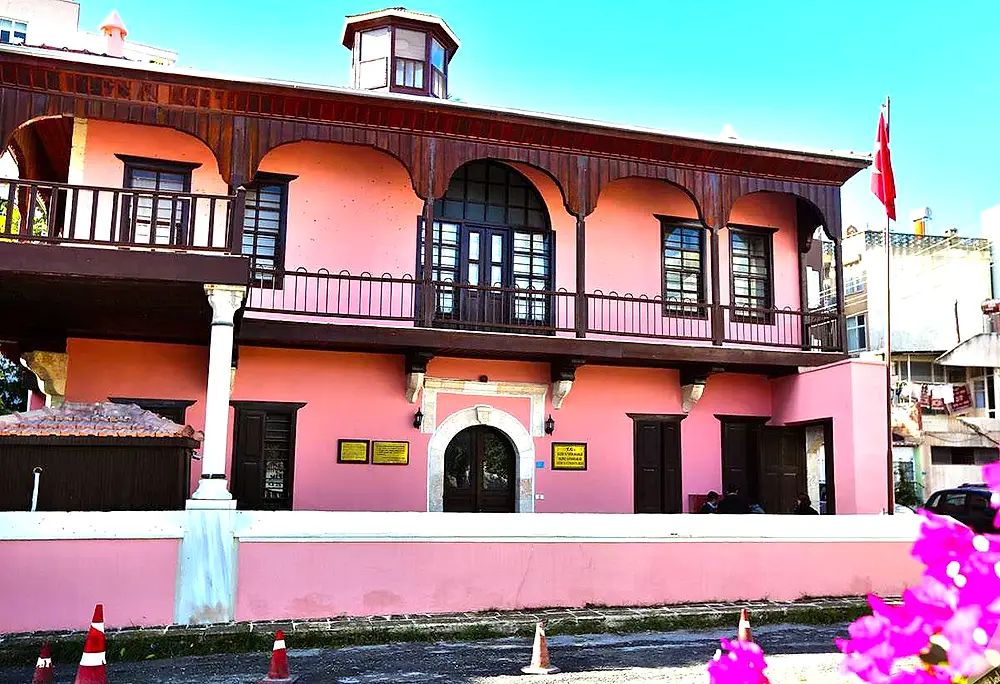
A 1914 stone-and-timber house in Silifke where Atatürk stayed on his first visit in 1925, now showing his belongings, photographs and local ethnography.
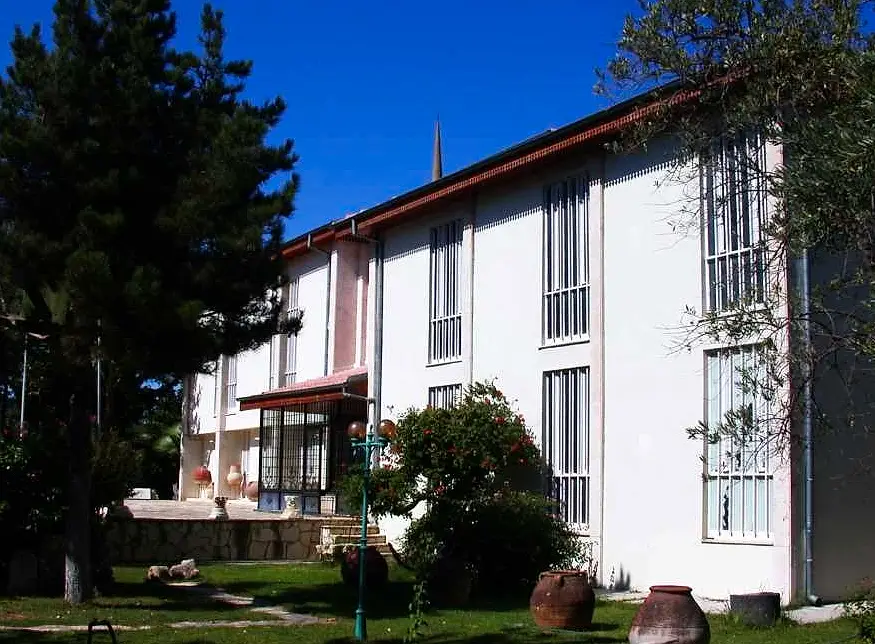
The archaeological museum of Silifke, with finds from the Bronze Age to the Ottoman era shown in stone, coin, jewellery, ethnographic and garden displays.
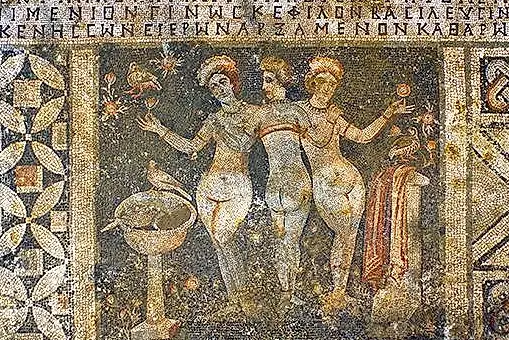
A small museum built around a Roman bath floor showing the Three Graces, on the bay of Narlıkuyu near Silifke.
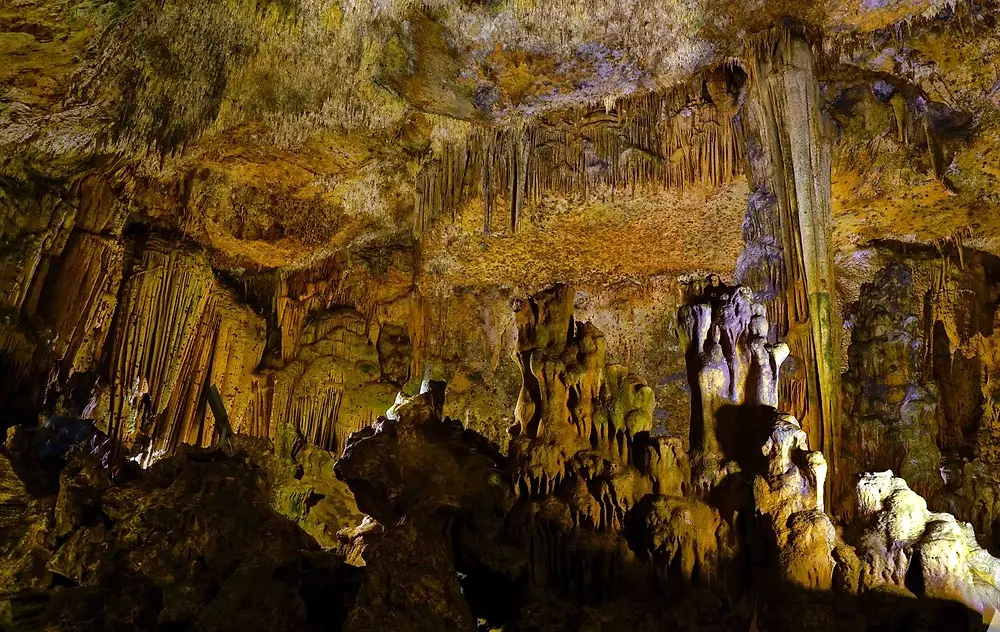
A natural cave near Narlıkuyu reached by a spiral iron staircase, known for its humid air, its stalactites and its "wishing cave" folklore.
Four Istanbul landmarks, each sold on its own site by the agency behind this guide — dated entry and free cancellation up to 24 hours.
The sultans’ palace on Sarayburnu: courtyards, the Imperial Council, the treasury and the terraces over the water. Dated entry, sold online on its own site.
Justinian’s great underground reservoir: 336 columns in still water and the two Medusa heads. Fast-track entry with a digital audio guide.
Justinian’s cathedral, the sultans’ mosque and a working mosque again today. The ticket admits you to the upper visitor gallery.
A nineteenth-century palace on the water’s edge: the Selamlık, the Ceremonial Hall under its chandelier, the crystal staircase and the Harem.


