
Topkapı Palace
The sultans’ palace on Sarayburnu: courtyards, the Imperial Council, the treasury and the terraces over the water. Dated entry, sold online on its own site.
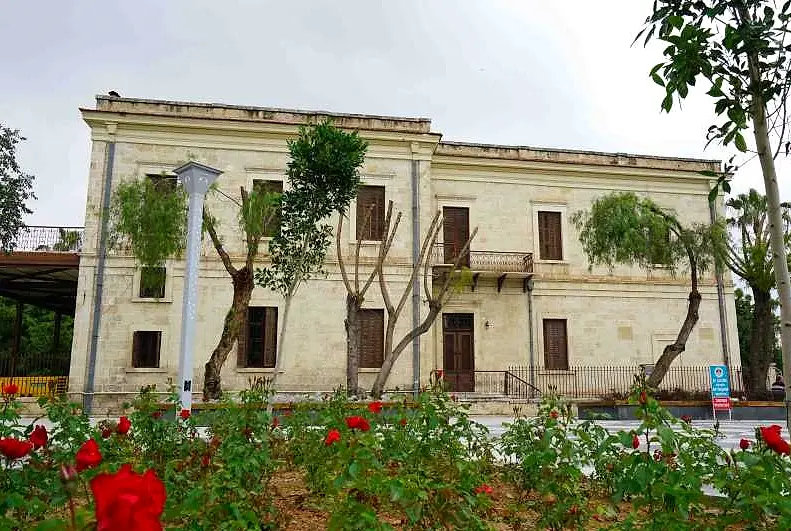
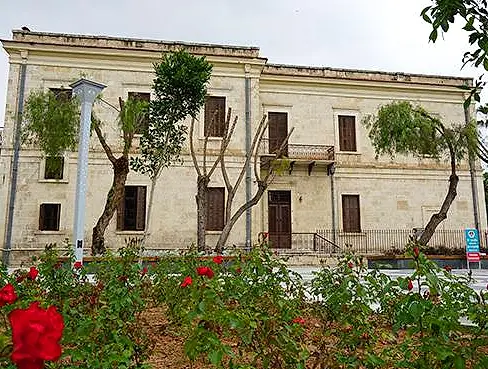
A large 1897 mansion on Atatürk Street in the centre of Mersin, once a consul's residence and a school, restored and opened as a museum in 1992.
On September 30, 2026 the Ministry’s listing showed this museum as closed to visitors. Check the official page before planning a visit.
The museum stands in the middle of Mersin, on Atatürk Street, one of the city's busiest and most important avenues. It was built in 1897 as a home for the then German consul, Mr Christman, on the occasion of his marriage to a woman from the Mavromati family of Mersin. Its architect is unknown. Locals called it the Krisman Mansion, and later it became known as the Mavromati family mansion.
The building covers about 1,270 square metres. Until 1972 it belonged to the Tahinci family, and in that year Nebil Hayfavi bought it. It then served as Toros College until 1976. After that the house stood empty and, by a decision of the municipal council that same year, was renamed Atatürk House.
In 1980 it was decided to expropriate the building and begin restoration, and since 1982 it has been owned by the Ministry of Culture. The restoration lasted until 1992 and cost a very large sum by the standards of the day. The building opened officially on 12 October 1992 as the Atatürk House and Museum, so the story of the house runs from a foreign consul's home through a school to a museum devoted to the founder of the Republic.
According to the Ministry’s listing it opens at 08:00 and closes at 19:00 (last entry 18:30). Open every day.
No. This site sells no tickets. Topkapı Palace, the Basilica Cistern, Hagia Sophia and Dolmabahçe Palace are sold on our sister sites; for Mersin Atatürk House Museum, buy at the ticket office or on the Ministry’s official e-ticket system.
Mersin Atatürk House Museum is in Mersin, Türkiye — Atatürk Caddesi.
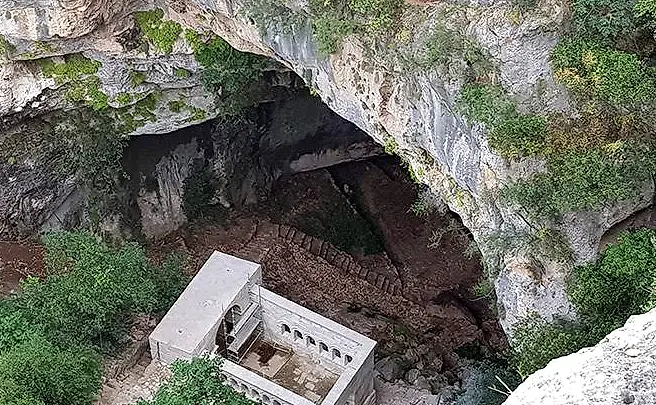
Two vast natural sinkholes on the Mediterranean coast, with a 5th-century chapel, a Hellenistic temple of Zeus and the myth of the monster Typhon.
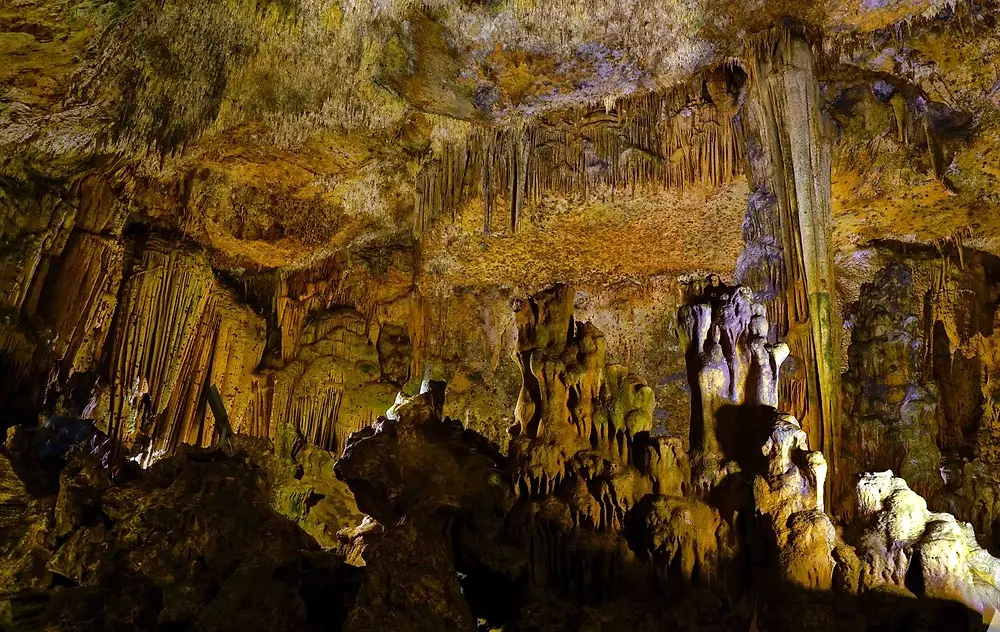
A natural cave near Narlıkuyu reached by a spiral iron staircase, known for its humid air, its stalactites and its "wishing cave" folklore.
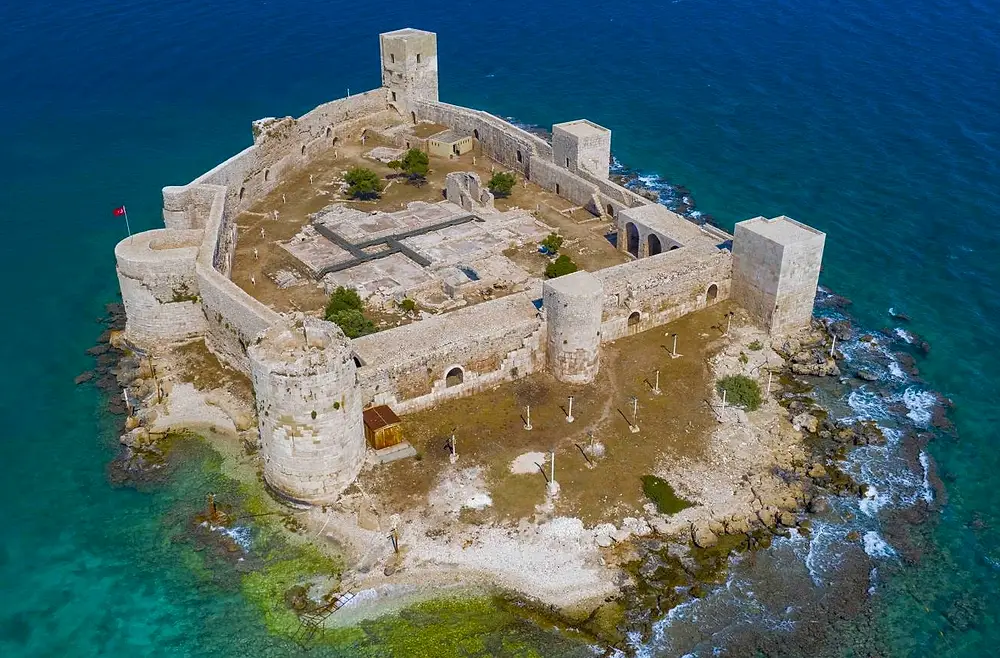
The coastal ruins of ancient Korykos at Kızkalesi, Mersin: a land castle, a necropolis valley and the sea castle offshore, layered with Roman, Byzantine and Armenian history.
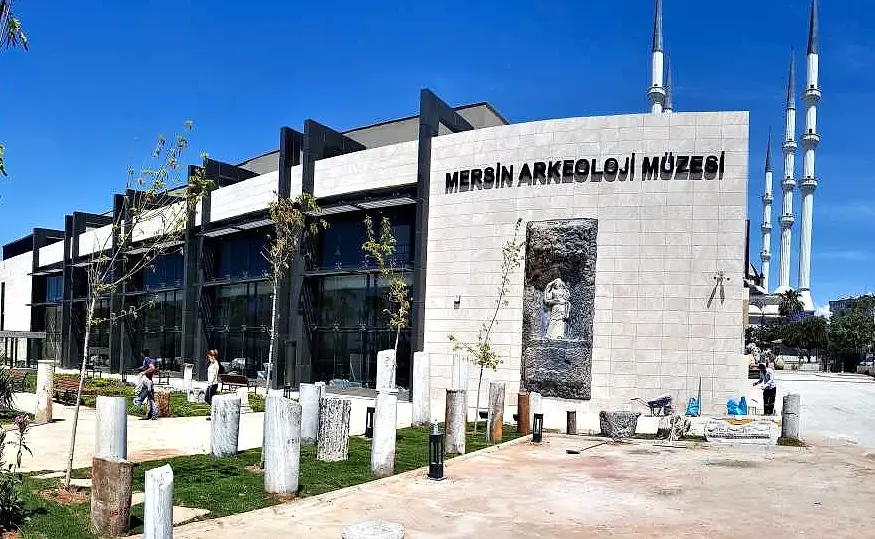
A modern museum near the seafront in Mersin, opened in its new building in 2017, taking visitors through a time tunnel from prehistory to the Republic.
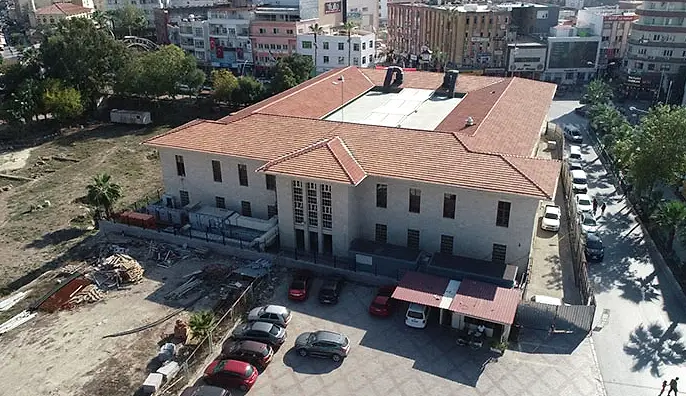
Tarsus's archaeology and ethnography museum, with finds from the Chalcolithic to the Byzantine period and a section on Çukurova traditions, metalwork and weaving.
Four Istanbul landmarks, each sold on its own site by the agency behind this guide — dated entry and free cancellation up to 24 hours.
The sultans’ palace on Sarayburnu: courtyards, the Imperial Council, the treasury and the terraces over the water. Dated entry, sold online on its own site.
Justinian’s great underground reservoir: 336 columns in still water and the two Medusa heads. Fast-track entry with a digital audio guide.
Justinian’s cathedral, the sultans’ mosque and a working mosque again today. The ticket admits you to the upper visitor gallery.
A nineteenth-century palace on the water’s edge: the Selamlık, the Ceremonial Hall under its chandelier, the crystal staircase and the Harem.


