
Topkapı Palace
The sultans’ palace on Sarayburnu: courtyards, the Imperial Council, the treasury and the terraces over the water. Dated entry, sold online on its own site.
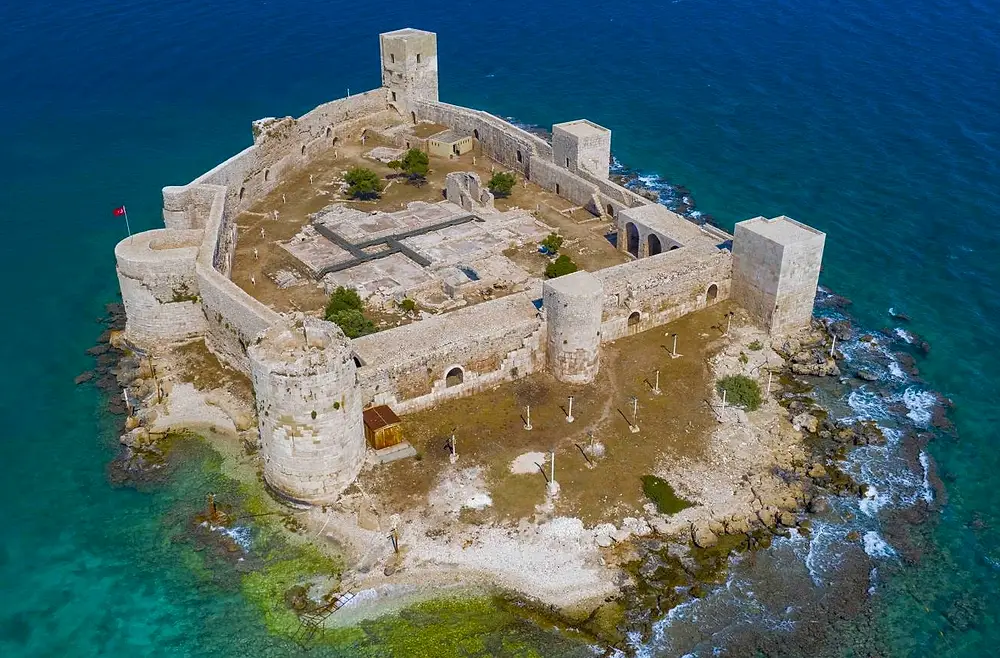
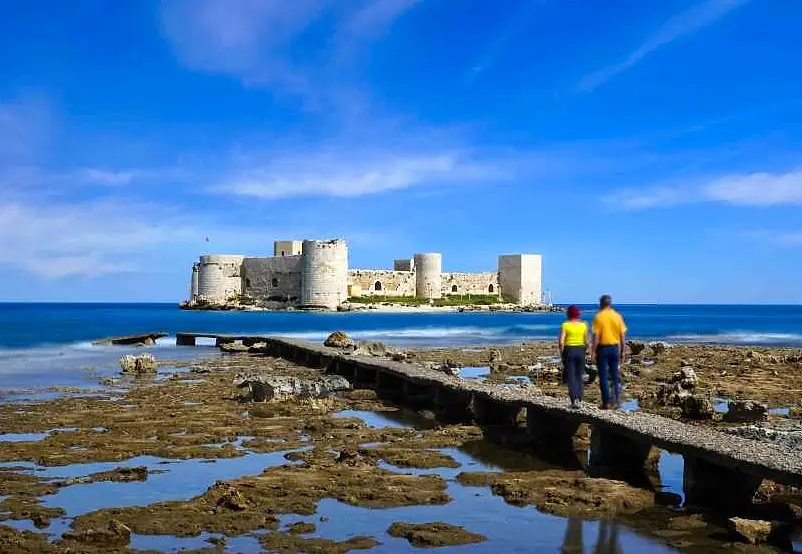
The coastal ruins of ancient Korykos at Kızkalesi, Mersin: a land castle, a necropolis valley and the sea castle offshore, layered with Roman, Byzantine and Armenian history.
Korykos was a port town on the Mediterranean coast, in what is now the village of Kızkalesi, roughly 60 km south-west of Mersin. Herodotus says a Cypriot prince named Korykos founded it. It came under Roman rule in the 1st century BC and later, under Rome and Byzantium, grew into a major harbour city.
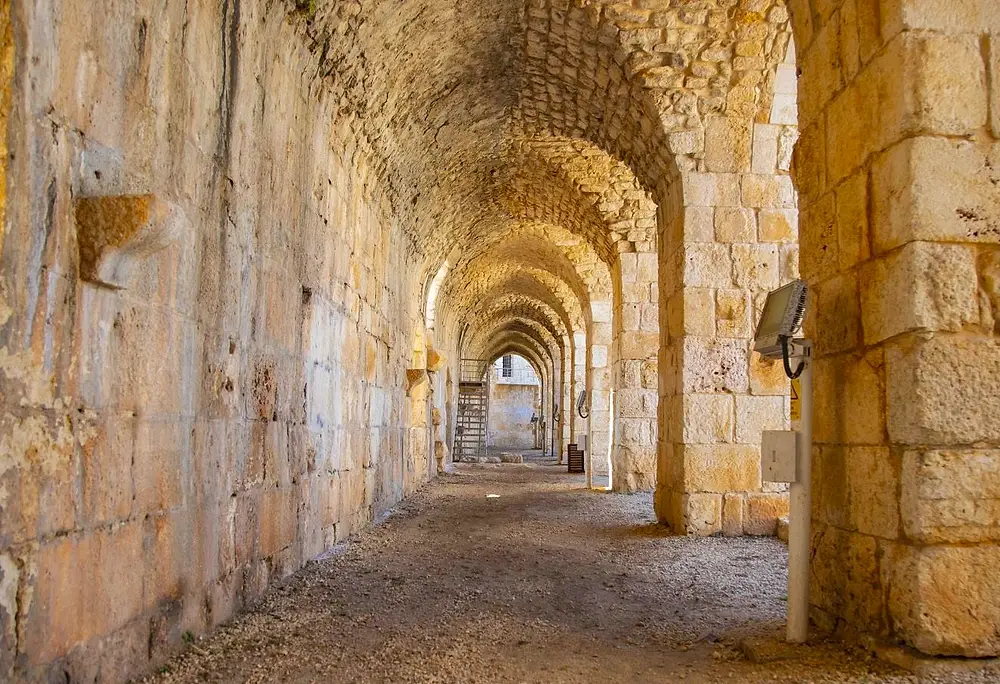
Its story is one of many hands. Isaurians controlled it in 479. In the 6th century it became a bishopric under Tarsus. It passed to Persians and Arabs. About 1099 the emperor Alexios ordered the land castle built by the architect Eustathios, who also built Silifke Castle, and both served as stopovers for sea travellers from Istanbul to the Holy Land. The site later changed hands between Byzantines and Armenians, and around 1275 it was a notable saffron-producing place under the Mamluk sultan Baybars.
Later the Lusignans of Cyprus were tied to Korykos. Karamanid ruler İbrahim II took it in 1448 and the Ottomans held it by 1473-74, after which it faded. Today the ruins stretch along the coast, taking in the necropolis valley, the castle on the shore and the beach.
According to the Ministry’s listing it opens at 08:30 and closes at 19:00 (last entry 18:30). Open every day.
No. This site sells no tickets. Topkapı Palace, the Basilica Cistern, Hagia Sophia and Dolmabahçe Palace are sold on our sister sites; for Kızkalesi (Maiden's Castle) and Korykos, buy at the ticket office or on the Ministry’s official e-ticket system.
Kızkalesi (Maiden's Castle) and Korykos is in Mersin, Türkiye — Erdemli.
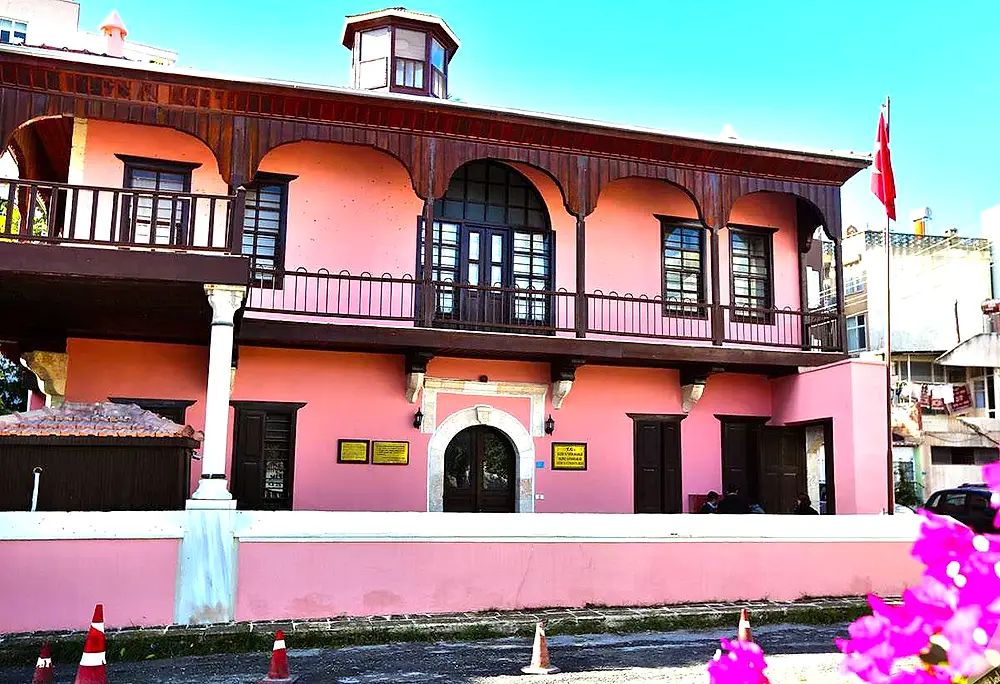
A 1914 stone-and-timber house in Silifke where Atatürk stayed on his first visit in 1925, now showing his belongings, photographs and local ethnography.
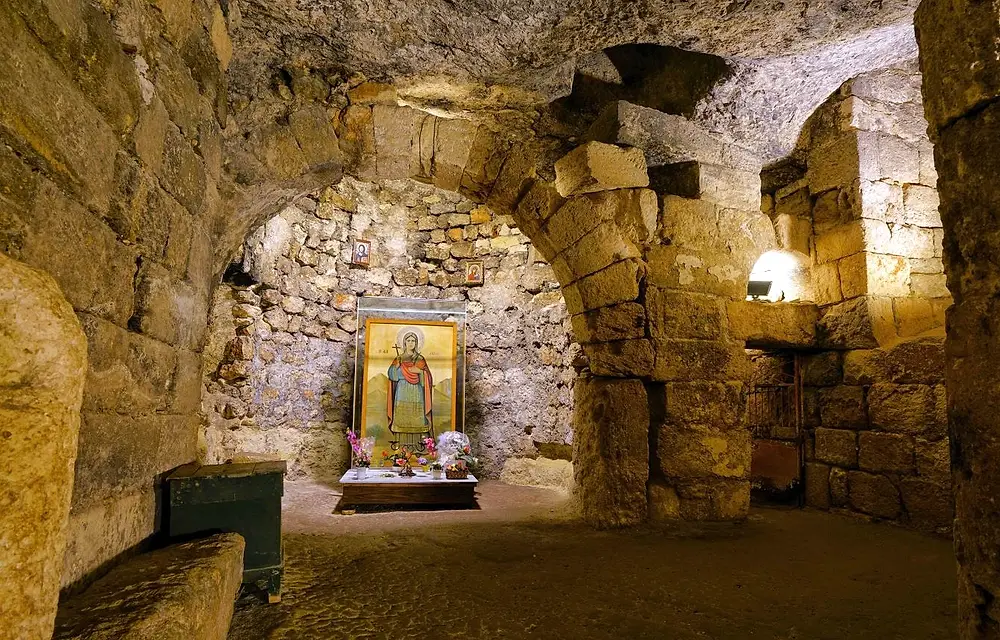
A cave church near Silifke that grew around the refuge of Saint Thekla, one of Christianity's earliest and best-known women saints, with ruins from the age of Emperor Zeno.
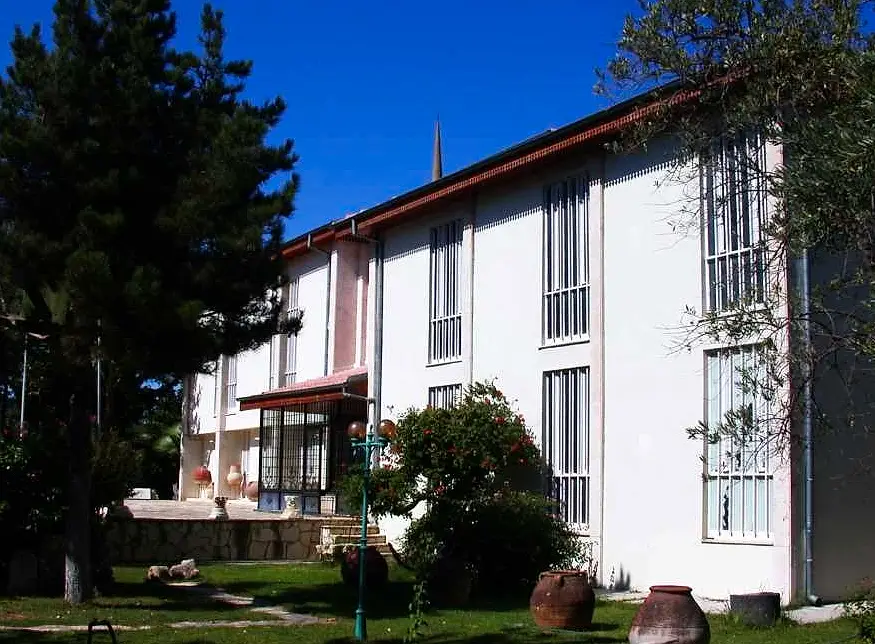
The archaeological museum of Silifke, with finds from the Bronze Age to the Ottoman era shown in stone, coin, jewellery, ethnographic and garden displays.
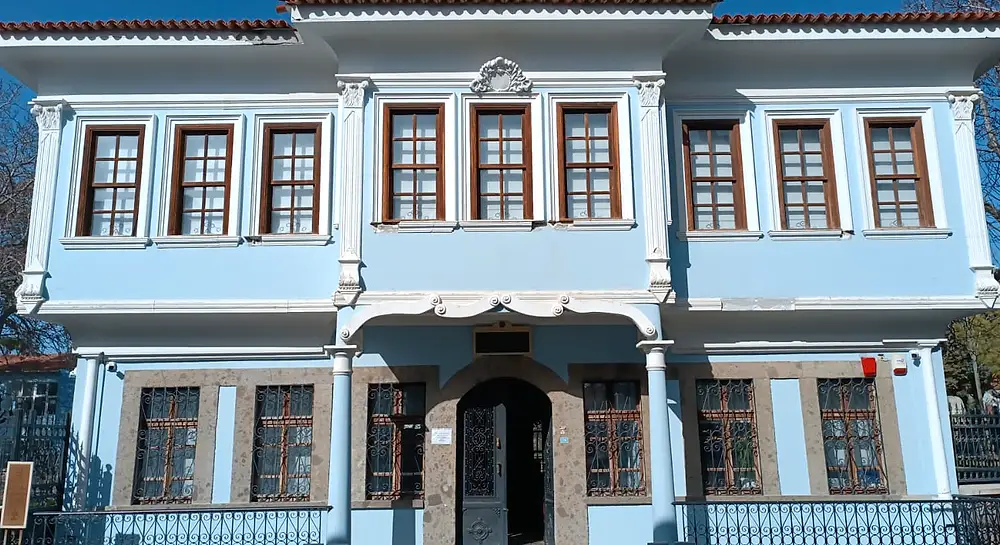
A wooden mansion in Uşak that served as a War of Independence headquarters, now showing local ethnography downstairs and Atatürk's rooms and belongings upstairs.
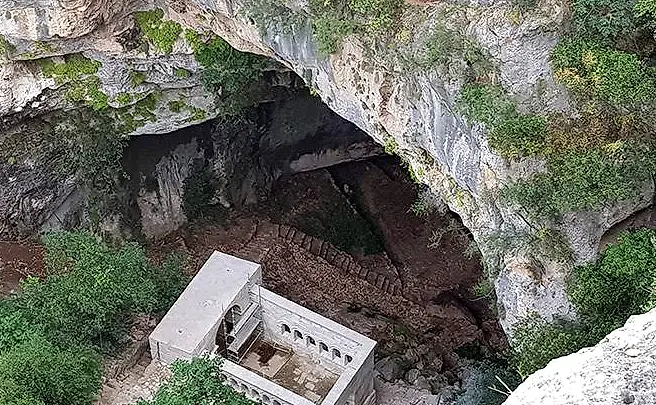
Two vast natural sinkholes on the Mediterranean coast, with a 5th-century chapel, a Hellenistic temple of Zeus and the myth of the monster Typhon.
Four Istanbul landmarks, each sold on its own site by the agency behind this guide — dated entry and free cancellation up to 24 hours.
The sultans’ palace on Sarayburnu: courtyards, the Imperial Council, the treasury and the terraces over the water. Dated entry, sold online on its own site.
Justinian’s great underground reservoir: 336 columns in still water and the two Medusa heads. Fast-track entry with a digital audio guide.
Justinian’s cathedral, the sultans’ mosque and a working mosque again today. The ticket admits you to the upper visitor gallery.
A nineteenth-century palace on the water’s edge: the Selamlık, the Ceremonial Hall under its chandelier, the crystal staircase and the Harem.


