
Topkapı Palace
The sultans’ palace on Sarayburnu: courtyards, the Imperial Council, the treasury and the terraces over the water. Dated entry, sold online on its own site.
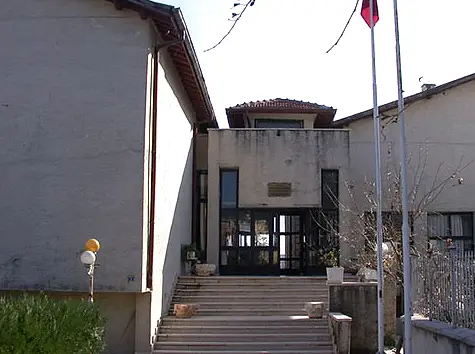
A small museum on the Mediterranean coast showing finds from Anemurium, Nagidos and Mamure Castle, born from decades of excavation around Anamur.
On September 30, 2026 the Ministry’s listing showed this museum as closed to visitors. Check the official page before planning a visit.
Anamur Museum exists because of Anemurium. When American and Canadian archaeologists began excavating the ancient city in 1960, it became clear that the district needed a museum of its own. Until then, Anemurium finds were kept in Alanya Museum, and objects from the rest of the district went to Silifke.
The foundations of the present building were laid in 1976 on a plot of about 2,600 square metres in the Yalıevleri quarter. Construction finished in 1990 and the displays were completed in 1992. In the meantime the museum had opened in 1984 in a rented shop on Atatürk Boulevard, and its staff carried out rescue digs at the Nagidos necropolis in Bozyazı and at the ancient town of Rig Manoi inside Mamure Castle in 1985 and 1986.
Anemurium excavations continued under Prof. James Russell of Canada, and since 1986 the museum has worked for the Ministry of Culture on the region's heritage. It is a good way to put the ruins outside town into context.
According to the Ministry’s listing it opens at 08:00 and closes at 17:00. Closed: Monday.
No. This site sells no tickets. Topkapı Palace, the Basilica Cistern, Hagia Sophia and Dolmabahçe Palace are sold on our sister sites; for Anamur Museum, buy at the ticket office or on the Ministry’s official e-ticket system.
Anamur Museum is in Mersin, Türkiye — Yalıevler Mahallesi,Adnan Menderes Caddesi,No:3.
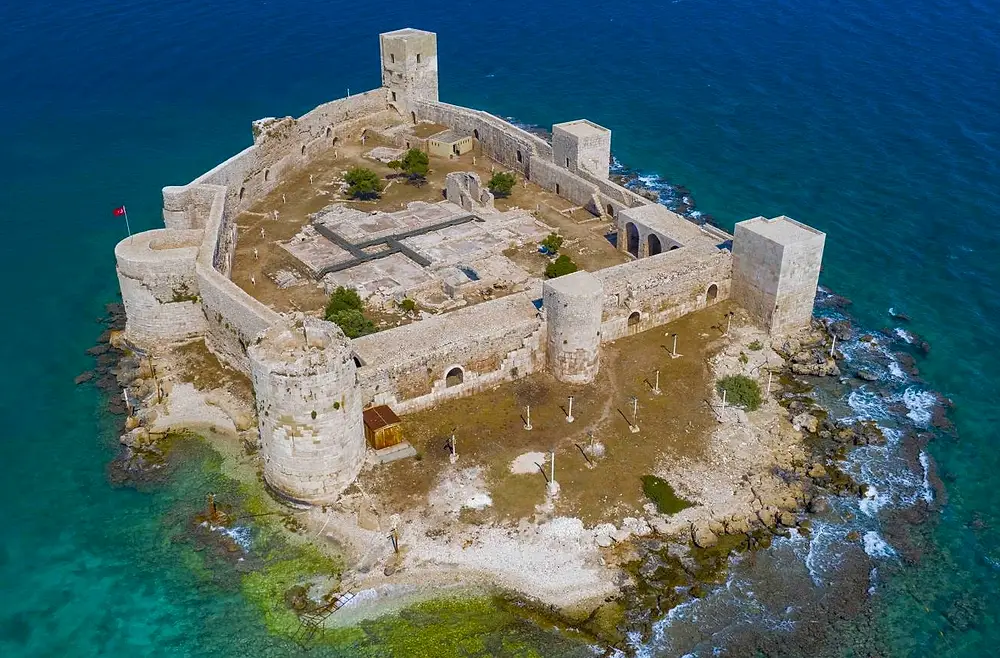
The coastal ruins of ancient Korykos at Kızkalesi, Mersin: a land castle, a necropolis valley and the sea castle offshore, layered with Roman, Byzantine and Armenian history.
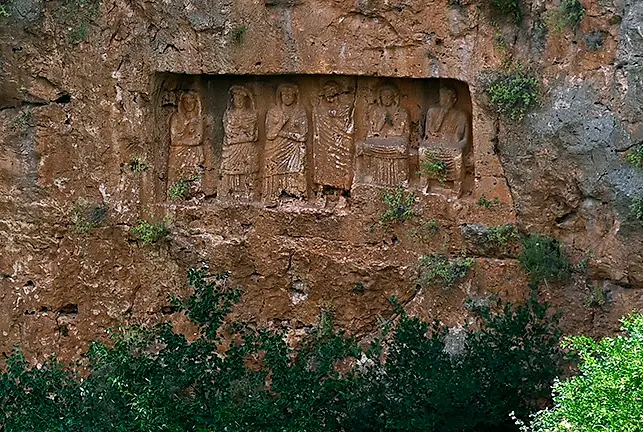
An ancient Cilician city built around a huge sinkhole west of Mersin, with churches, olive workshops, cisterns and a Roman road.
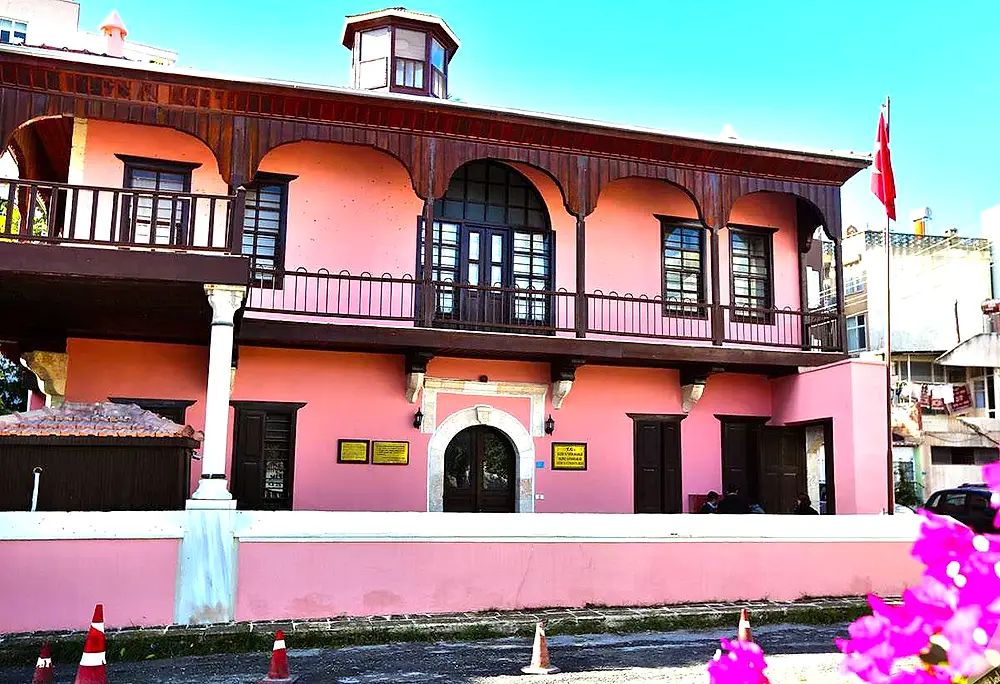
A 1914 stone-and-timber house in Silifke where Atatürk stayed on his first visit in 1925, now showing his belongings, photographs and local ethnography.
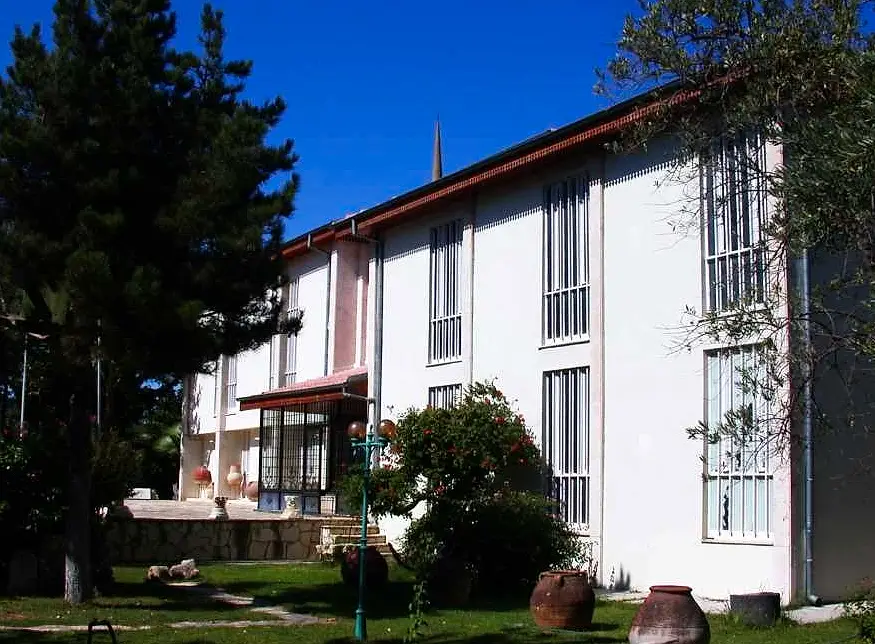
The archaeological museum of Silifke, with finds from the Bronze Age to the Ottoman era shown in stone, coin, jewellery, ethnographic and garden displays.
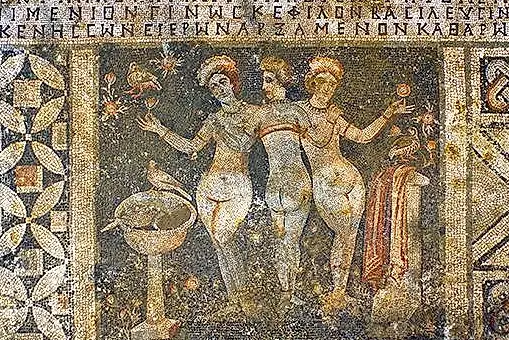
A small museum built around a Roman bath floor showing the Three Graces, on the bay of Narlıkuyu near Silifke.
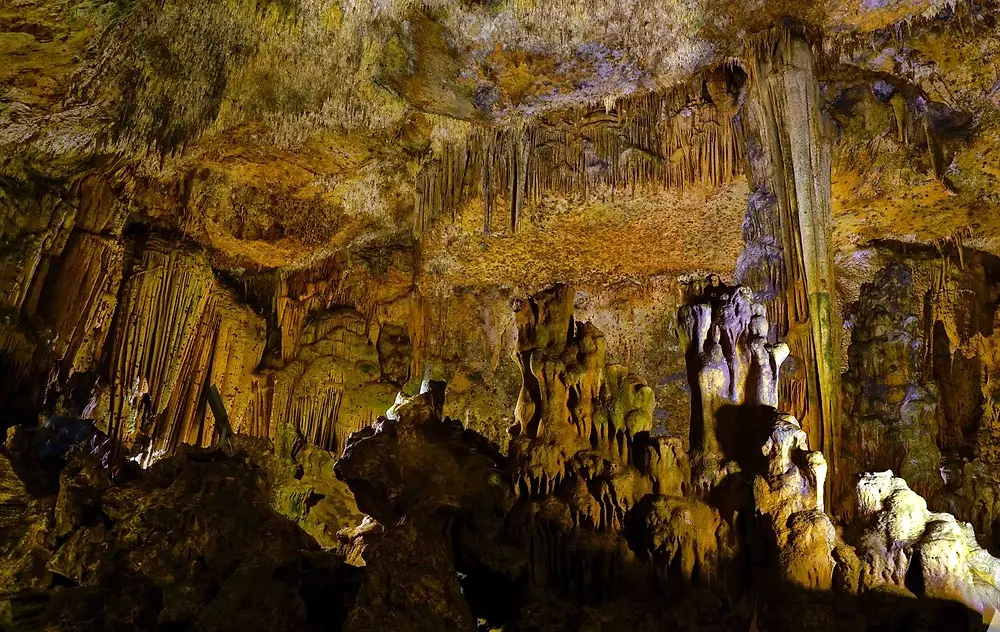
A natural cave near Narlıkuyu reached by a spiral iron staircase, known for its humid air, its stalactites and its "wishing cave" folklore.
Four Istanbul landmarks, each sold on its own site by the agency behind this guide — dated entry and free cancellation up to 24 hours.
The sultans’ palace on Sarayburnu: courtyards, the Imperial Council, the treasury and the terraces over the water. Dated entry, sold online on its own site.
Justinian’s great underground reservoir: 336 columns in still water and the two Medusa heads. Fast-track entry with a digital audio guide.
Justinian’s cathedral, the sultans’ mosque and a working mosque again today. The ticket admits you to the upper visitor gallery.
A nineteenth-century palace on the water’s edge: the Selamlık, the Ceremonial Hall under its chandelier, the crystal staircase and the Harem.


