
Topkapı Palace
The sultans’ palace on Sarayburnu: courtyards, the Imperial Council, the treasury and the terraces over the water. Dated entry, sold online on its own site.
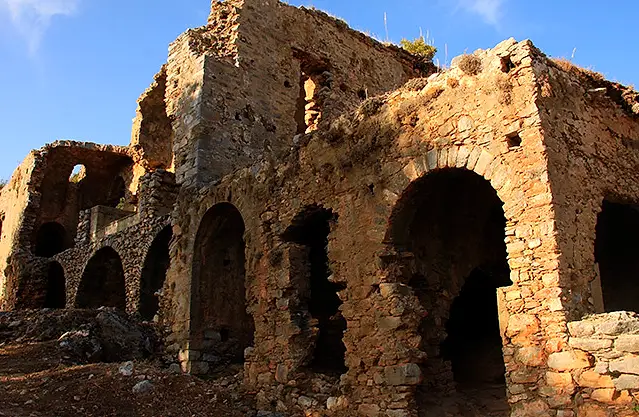
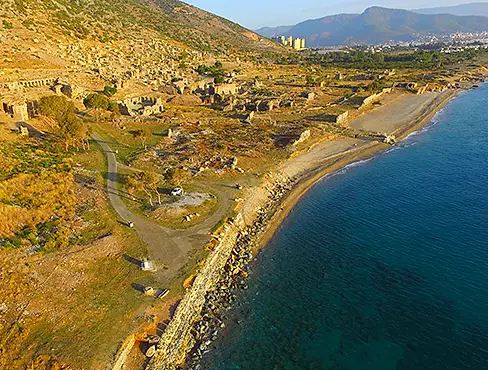
A ruined Roman-era port city on Türkiye's southernmost cape, with baths, a theatre and an odeon spread between the sea and the Taurus foothills.
Anemurium is known from a harbour list of the 4th century BC, and its name is said by ancient writers to mean "windy place". Walls were first built around the town in the Roman period, and for a time it was ruled by the Commagenian king Antiochus. The Sasanians captured it in 260, pirates from the Taurus raided it repeatedly in the 4th and 5th centuries, and after Arab raids in 650 it was abandoned. Türkiye took control of the region after the Anatolian Seljuks captured nearby Mamure Castle in the 12th and 13th centuries.
The city is divided into an upper and a lower town. The lower town holds its most striking remains: the city walls, three bathhouses, a theatre, an odeon or concert hall, and a palaestra, an exercise ground.
The West learned of Anemurium in the 19th century through the Mediterranean surveys of the Briton Francis Beaufort. Excavations began in 1960 under Elisabeth Alföldi Rosenbaum of the University of Toronto, were continued by Prof. James Russell, and came to an end in 2000.
According to the Ministry’s listing it opens at 09:00 and closes at 20:00 (last entry 19:30). Closed: Monday.
No. This site sells no tickets. Topkapı Palace, the Basilica Cistern, Hagia Sophia and Dolmabahçe Palace are sold on our sister sites; for Anemurium Archaeological Site, buy at the ticket office or on the Ministry’s official e-ticket system.
Anemurium Archaeological Site is in Mersin, Türkiye — Ören Mahallesi.
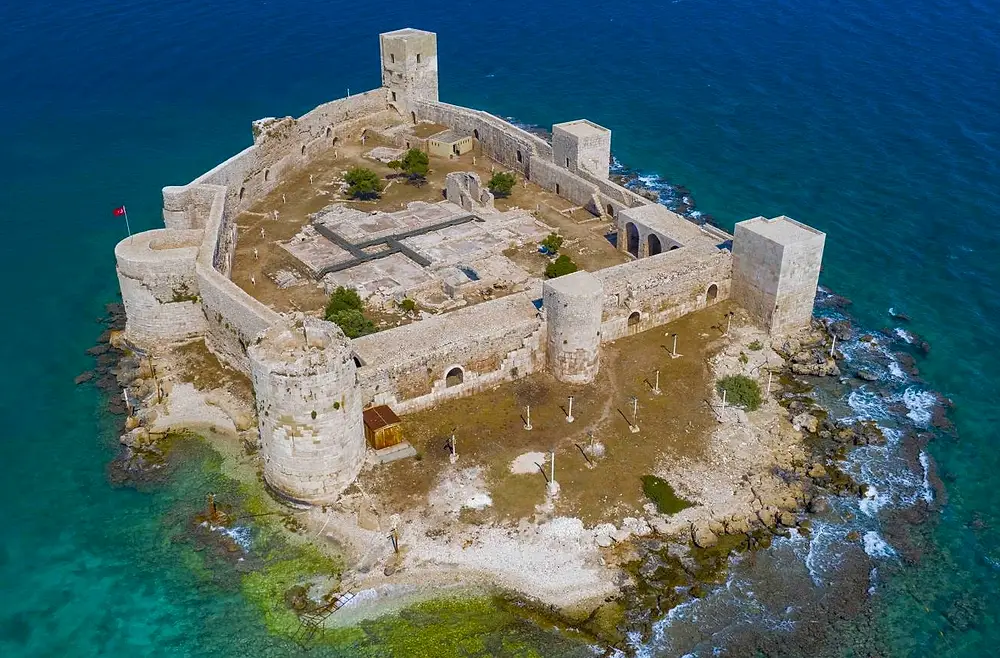
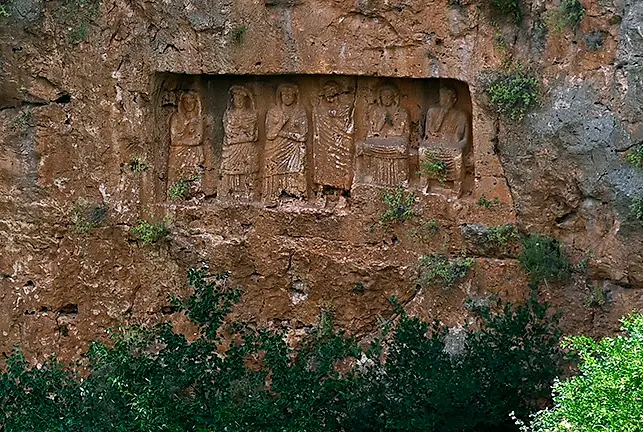
The coastal ruins of ancient Korykos at Kızkalesi, Mersin: a land castle, a necropolis valley and the sea castle offshore, layered with Roman, Byzantine and Armenian history.
An ancient Cilician city built around a huge sinkhole west of Mersin, with churches, olive workshops, cisterns and a Roman road.
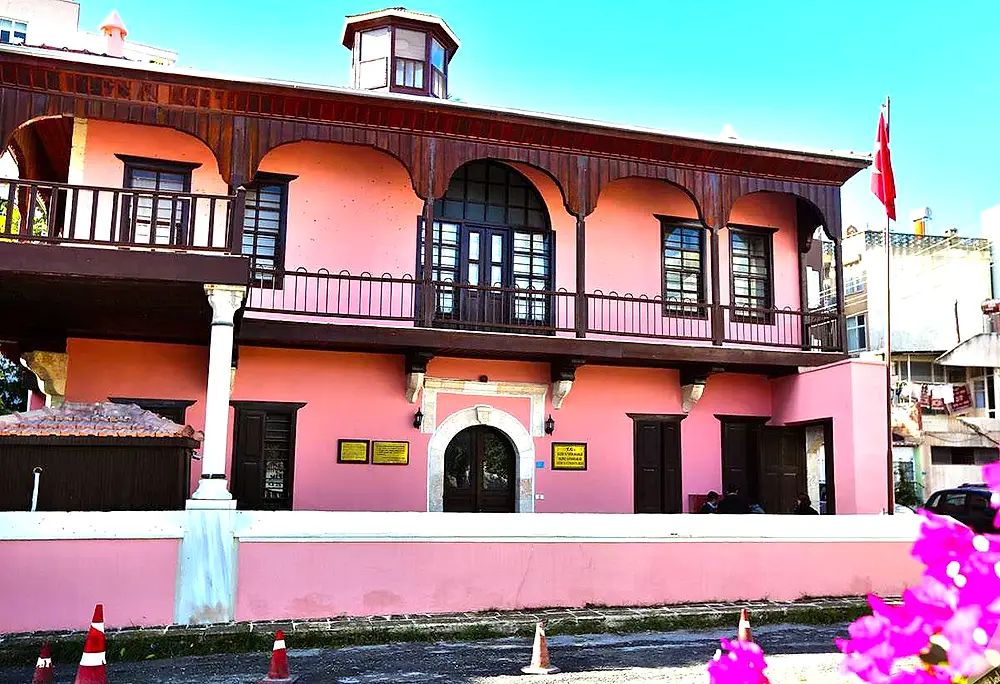
A 1914 stone-and-timber house in Silifke where Atatürk stayed on his first visit in 1925, now showing his belongings, photographs and local ethnography.
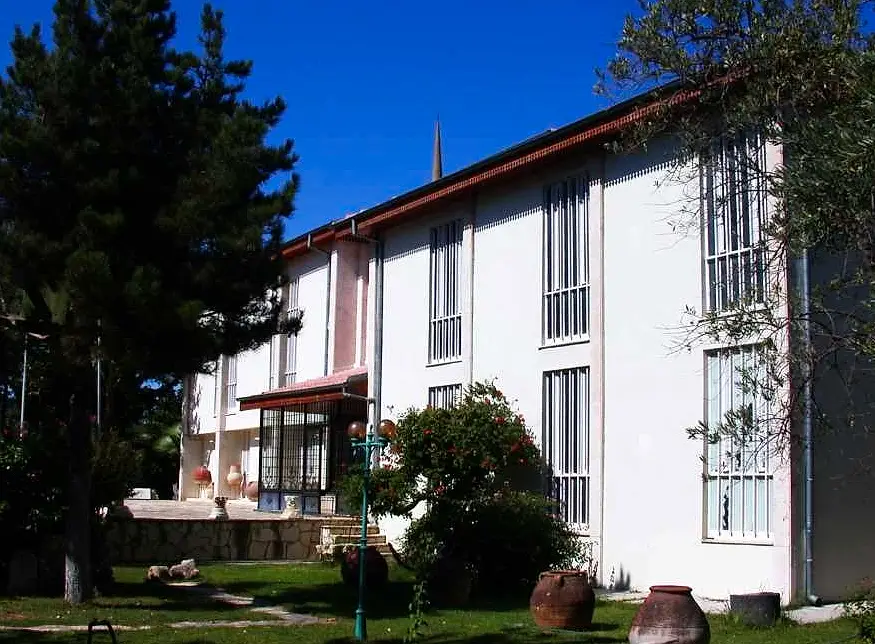
The archaeological museum of Silifke, with finds from the Bronze Age to the Ottoman era shown in stone, coin, jewellery, ethnographic and garden displays.
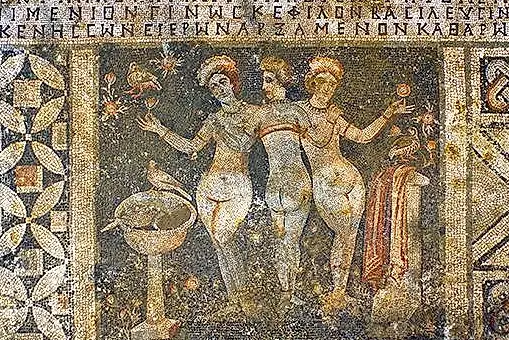
A small museum built around a Roman bath floor showing the Three Graces, on the bay of Narlıkuyu near Silifke.
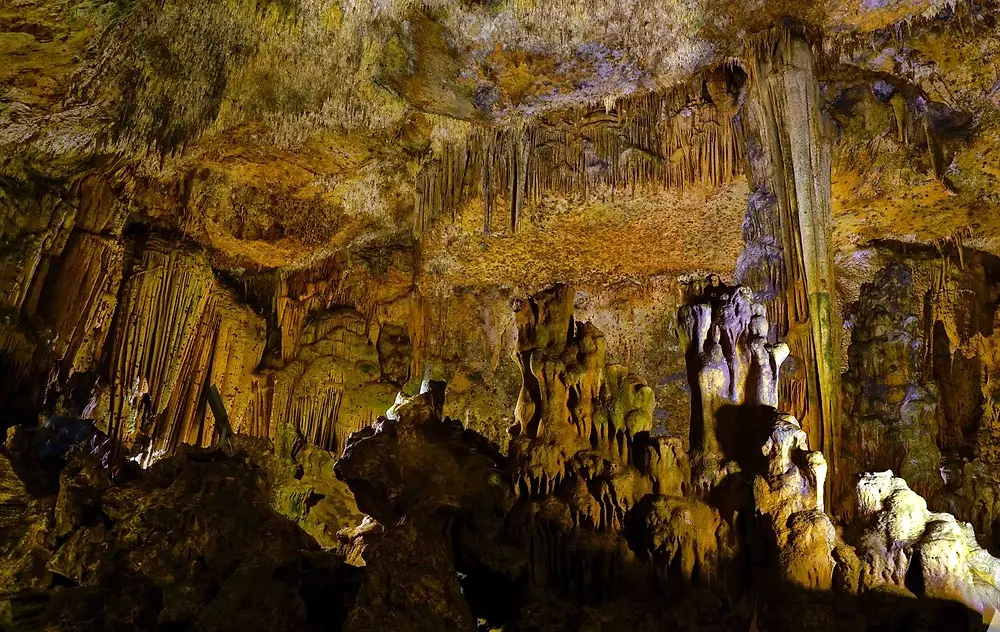
A natural cave near Narlıkuyu reached by a spiral iron staircase, known for its humid air, its stalactites and its "wishing cave" folklore.
Four Istanbul landmarks, each sold on its own site by the agency behind this guide — dated entry and free cancellation up to 24 hours.
The sultans’ palace on Sarayburnu: courtyards, the Imperial Council, the treasury and the terraces over the water. Dated entry, sold online on its own site.
Justinian’s great underground reservoir: 336 columns in still water and the two Medusa heads. Fast-track entry with a digital audio guide.
Justinian’s cathedral, the sultans’ mosque and a working mosque again today. The ticket admits you to the upper visitor gallery.
A nineteenth-century palace on the water’s edge: the Selamlık, the Ceremonial Hall under its chandelier, the crystal staircase and the Harem.


