
Topkapı Palace
The sultans’ palace on Sarayburnu: courtyards, the Imperial Council, the treasury and the terraces over the water. Dated entry, sold online on its own site.
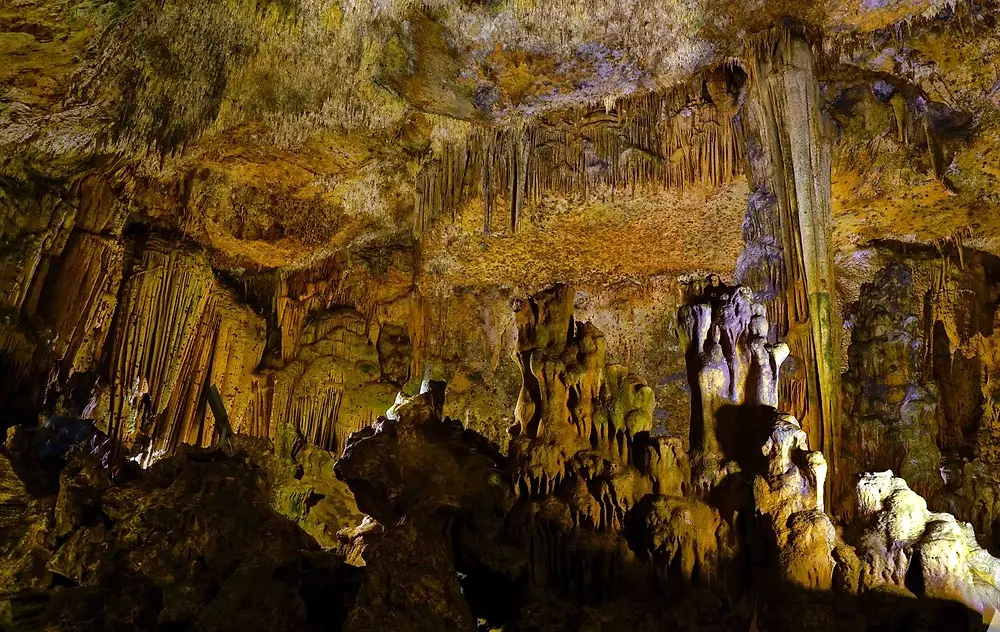
A natural cave near Narlıkuyu reached by a spiral iron staircase, known for its humid air, its stalactites and its "wishing cave" folklore.
On September 30, 2026 the Ministry’s listing showed this museum as closed to visitors. Check the official page before planning a visit.
The Asthma Cave lies in the Hasanaliler quarter of Narlıkuyu, about 600 metres north-west of the Heaven and Hell caves. It is one of the places that best reflects the geography of the region and is regarded as a natural wonder. People come mainly because its air is believed to help asthma sufferers and because of the legends that surround it.
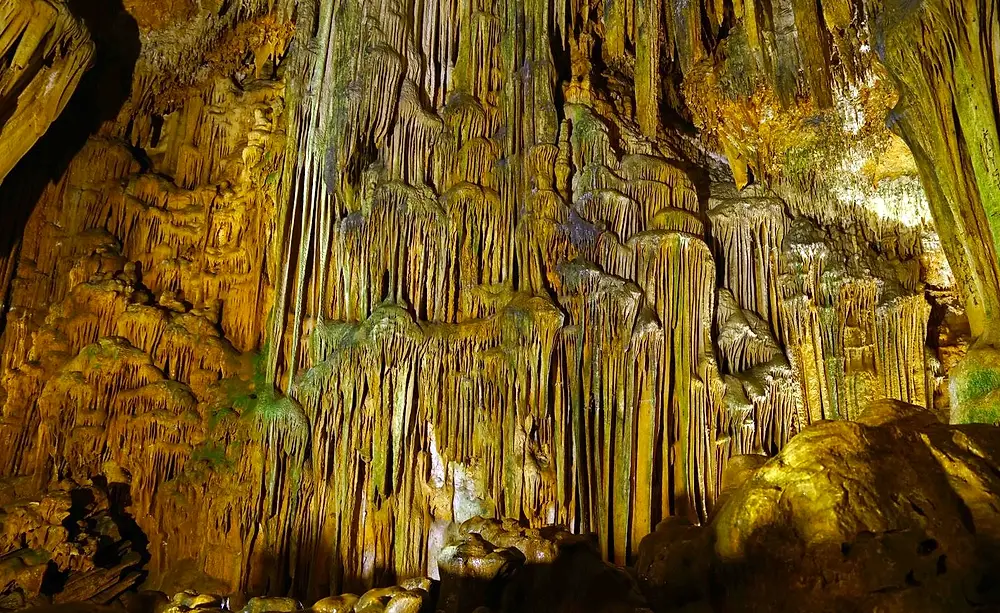
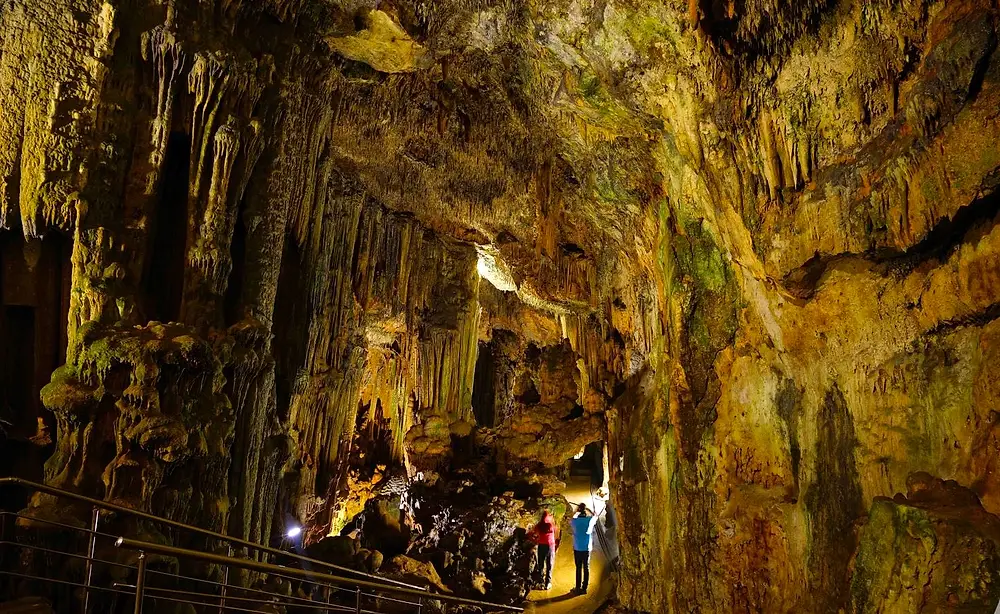
A spiral iron staircase leads down about 15 metres. The cave formed as far back as the third geological era. Its 200 metres of interconnected galleries hold giant stalactites and stalagmites of odd shapes, formed by silica deposits. Humidity reaches 85 per cent in summer and up to 95 per cent in winter. The interior lighting gives photographers striking images.
Visitors tie strips of cloth to the trees and bushes outside to make wishes, so locals also call it the "Wishing Cave".
According to the Ministry’s listing it opens at 08:00 and closes at 21:00 (last entry 20:45). Open every day.
No. This site sells no tickets. Topkapı Palace, the Basilica Cistern, Hagia Sophia and Dolmabahçe Palace are sold on our sister sites; for Silifke Asthma Cave, buy at the ticket office or on the Ministry’s official e-ticket system.
Silifke Asthma Cave is in Mersin, Türkiye — Narlıkuyu Mahallesi, Hasanaliler Mahallesi.
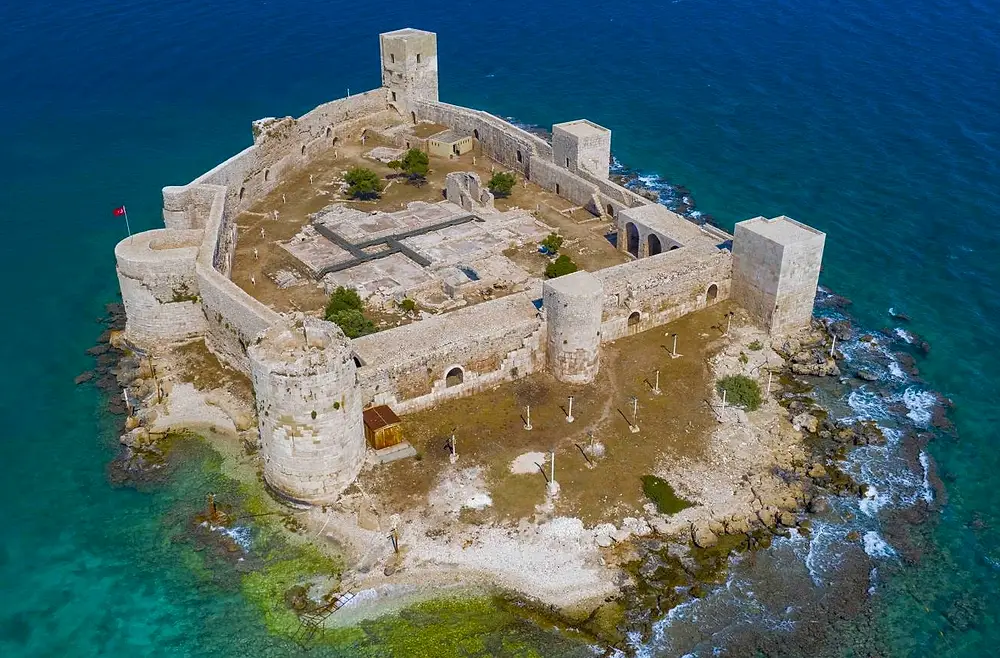
The coastal ruins of ancient Korykos at Kızkalesi, Mersin: a land castle, a necropolis valley and the sea castle offshore, layered with Roman, Byzantine and Armenian history.
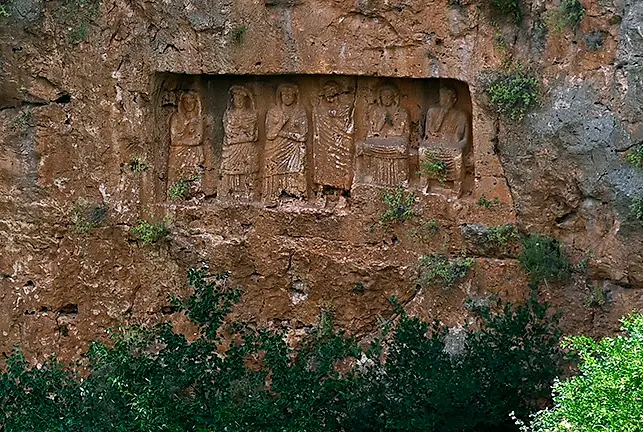
An ancient Cilician city built around a huge sinkhole west of Mersin, with churches, olive workshops, cisterns and a Roman road.
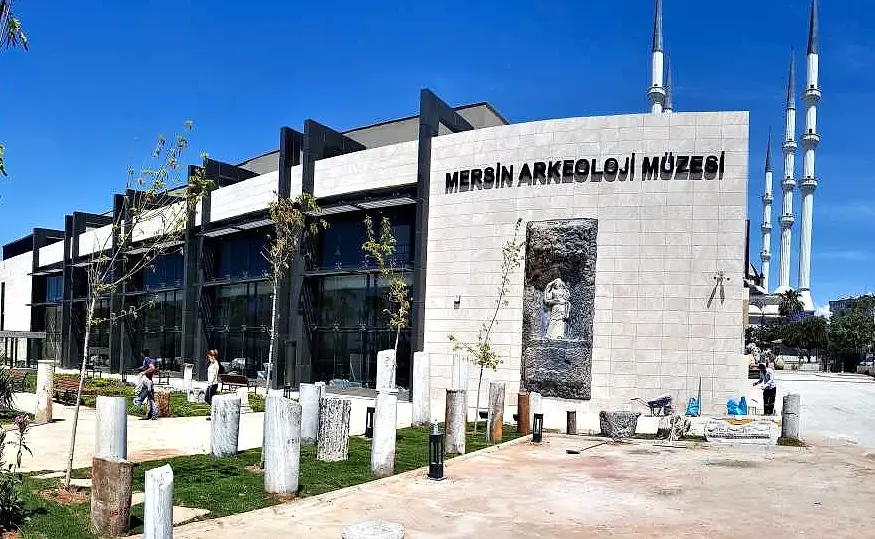
A modern museum near the seafront in Mersin, opened in its new building in 2017, taking visitors through a time tunnel from prehistory to the Republic.
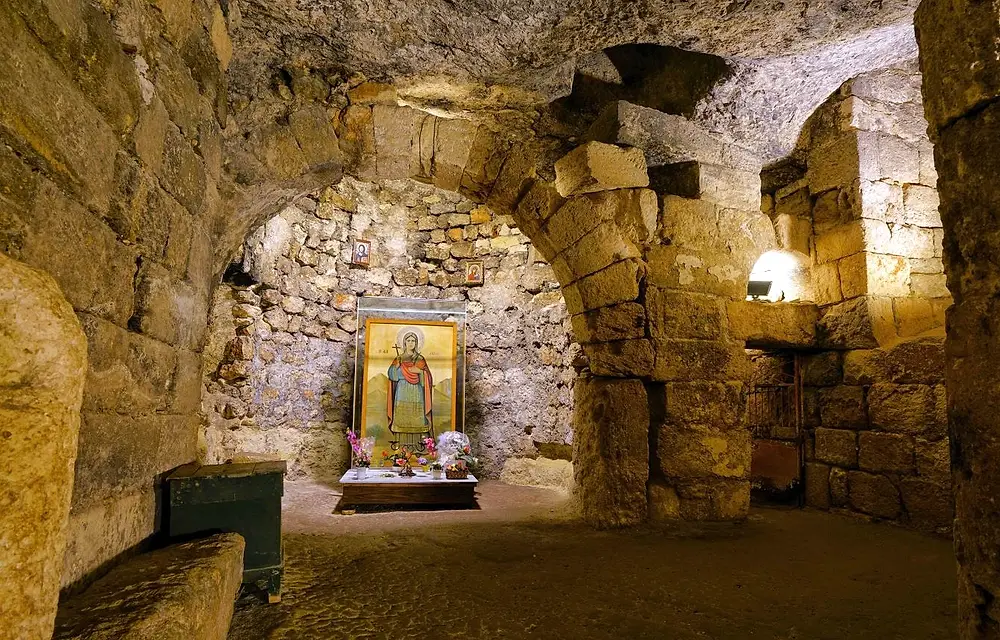
A cave church near Silifke that grew around the refuge of Saint Thekla, one of Christianity's earliest and best-known women saints, with ruins from the age of Emperor Zeno.
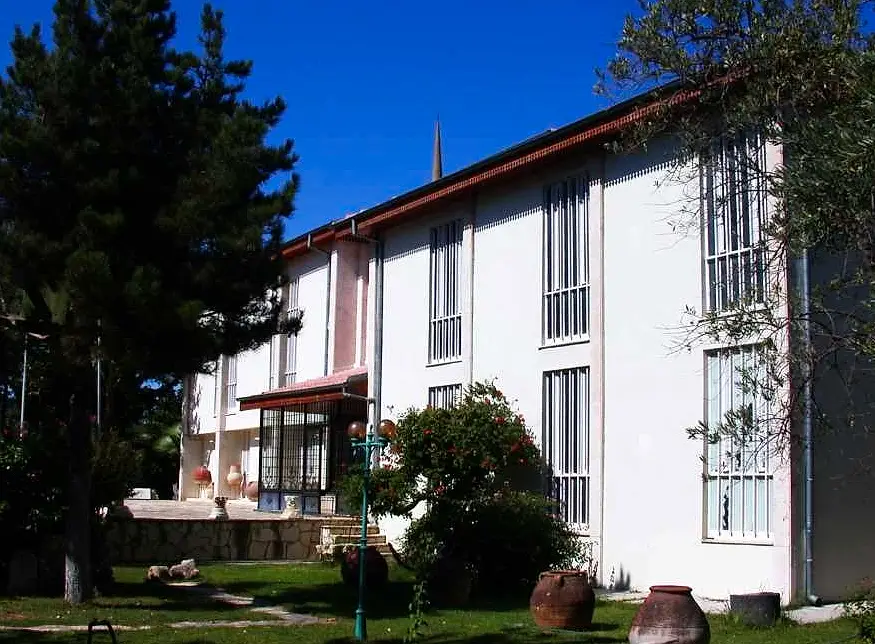
The archaeological museum of Silifke, with finds from the Bronze Age to the Ottoman era shown in stone, coin, jewellery, ethnographic and garden displays.
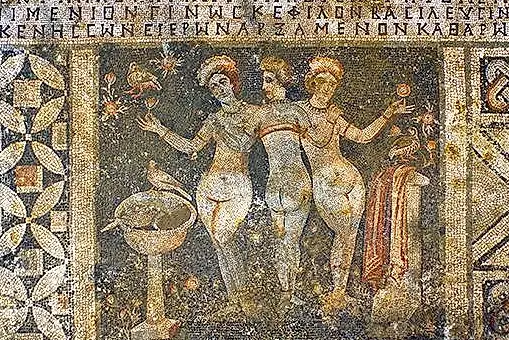
A small museum built around a Roman bath floor showing the Three Graces, on the bay of Narlıkuyu near Silifke.
Four Istanbul landmarks, each sold on its own site by the agency behind this guide — dated entry and free cancellation up to 24 hours.
The sultans’ palace on Sarayburnu: courtyards, the Imperial Council, the treasury and the terraces over the water. Dated entry, sold online on its own site.
Justinian’s great underground reservoir: 336 columns in still water and the two Medusa heads. Fast-track entry with a digital audio guide.
Justinian’s cathedral, the sultans’ mosque and a working mosque again today. The ticket admits you to the upper visitor gallery.
A nineteenth-century palace on the water’s edge: the Selamlık, the Ceremonial Hall under its chandelier, the crystal staircase and the Harem.


