
Topkapı Palace
The sultans’ palace on Sarayburnu: courtyards, the Imperial Council, the treasury and the terraces over the water. Dated entry, sold online on its own site.
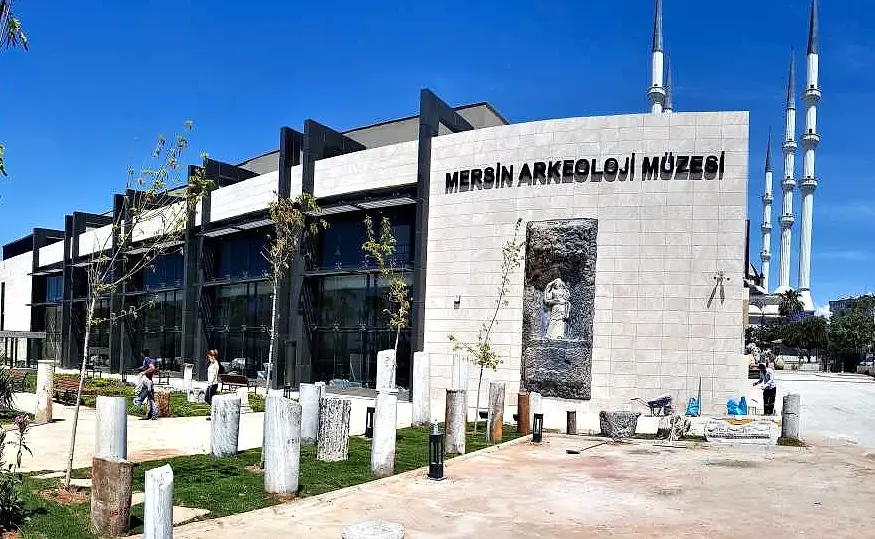
A modern museum near the seafront in Mersin, opened in its new building in 2017, taking visitors through a time tunnel from prehistory to the Republic.
The museum stands in the Yenişehir district, south of the Muğdat Mosque and close to the coast. It began in 1978 in a small part of the old People's House building, and after that building became a cultural centre, it opened to visitors in 1991, was renewed and reopened in 2001. The new museum building opened on 18 May 2017. It is a complex of two floors that also has a children's play and activity area, a conference hall, a library, a cafe and a sales unit.
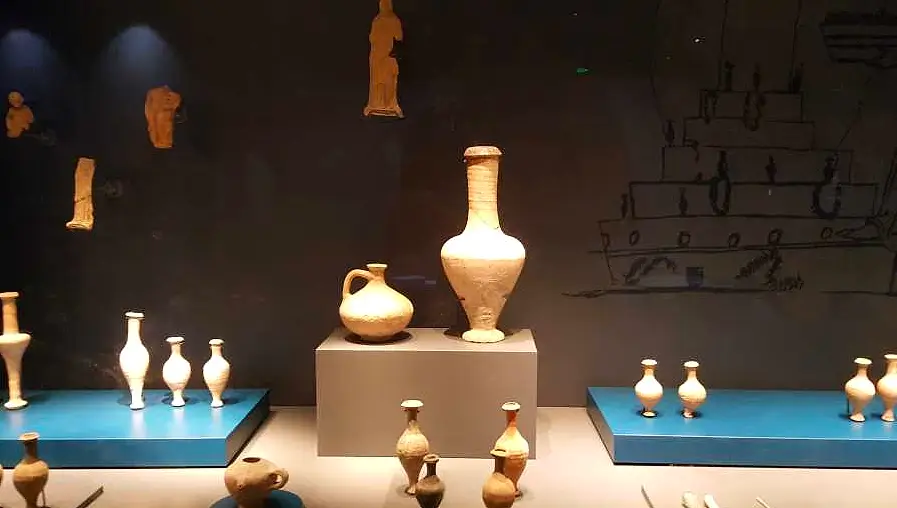
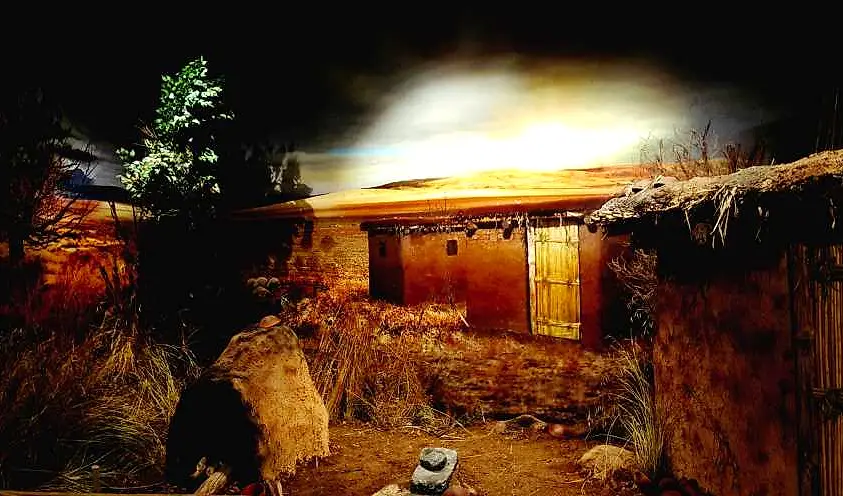
The tour starts with the Time Tunnel, running from prehistory to the Republican era through images and objects, and continues with a section on Cilicia's geography and history and a display of fossils. A diorama, A Morning in Neolithic Çukurova, shows the traces of early agriculture, drawing on the Neolithic excavations of Yumuktepe and Gözlükule.
On the lower floor, a glass-covered reconstruction of an archaeological excavation greets you in the centre of the main entrance, and information panels explain the Neolithic revolution, the first villages and the Fertile Crescent, including Çukurova's links with northern Syria.
According to the Ministry’s listing it opens at 08:30 and closes at 17:00 (last entry 16:30). Open every day.
No. This site sells no tickets. Topkapı Palace, the Basilica Cistern, Hagia Sophia and Dolmabahçe Palace are sold on our sister sites; for Mersin Museum, buy at the ticket office or on the Ministry’s official e-ticket system.
Mersin Museum is in Mersin, Türkiye — Gazi Mahallesi Adnan Menderes Bulvarı No:54.
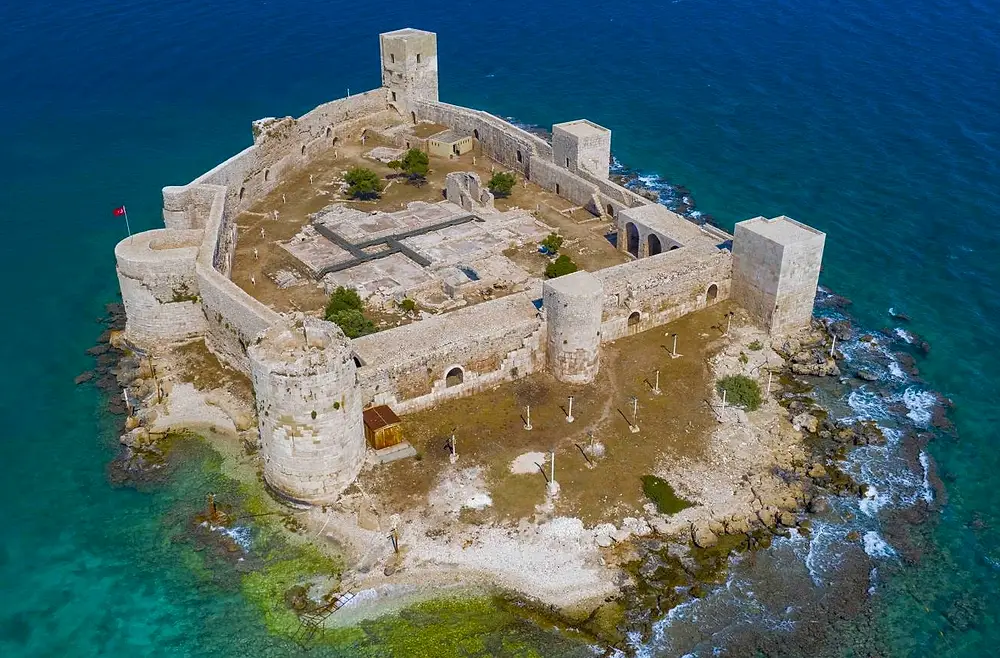
The coastal ruins of ancient Korykos at Kızkalesi, Mersin: a land castle, a necropolis valley and the sea castle offshore, layered with Roman, Byzantine and Armenian history.
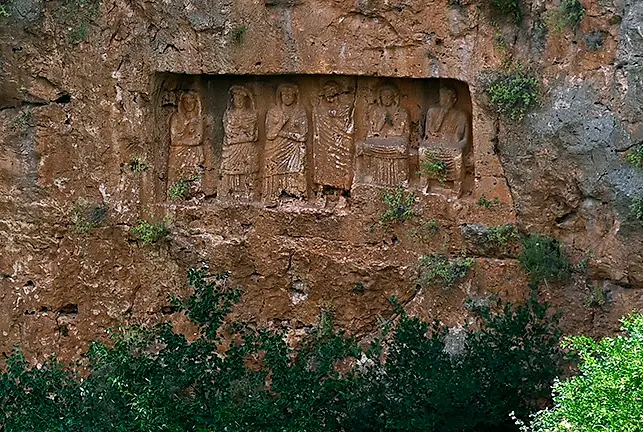
An ancient Cilician city built around a huge sinkhole west of Mersin, with churches, olive workshops, cisterns and a Roman road.
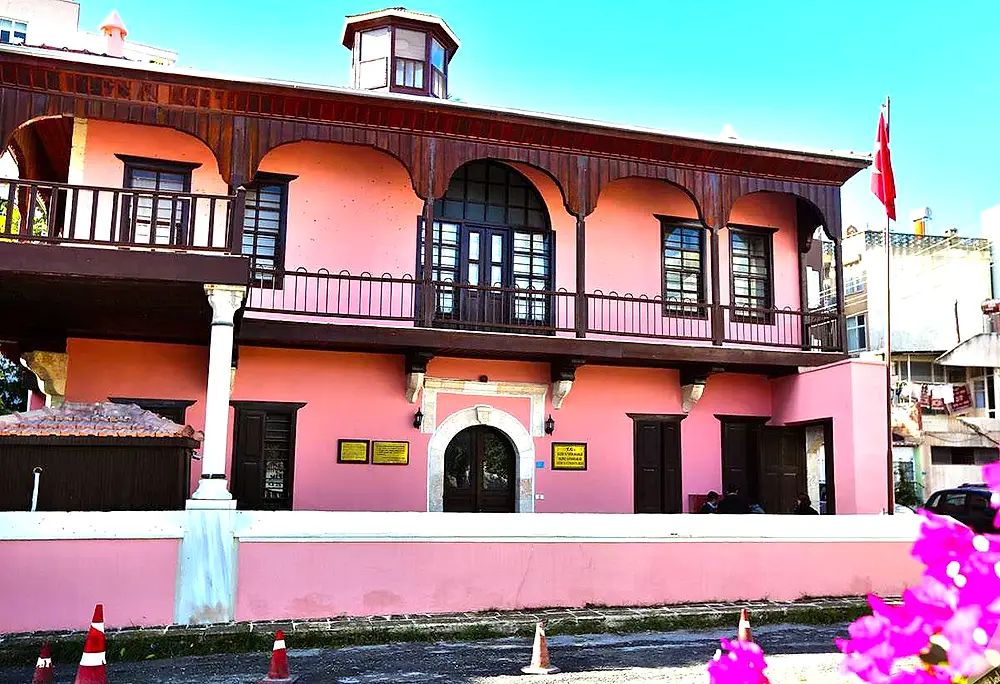
A 1914 stone-and-timber house in Silifke where Atatürk stayed on his first visit in 1925, now showing his belongings, photographs and local ethnography.
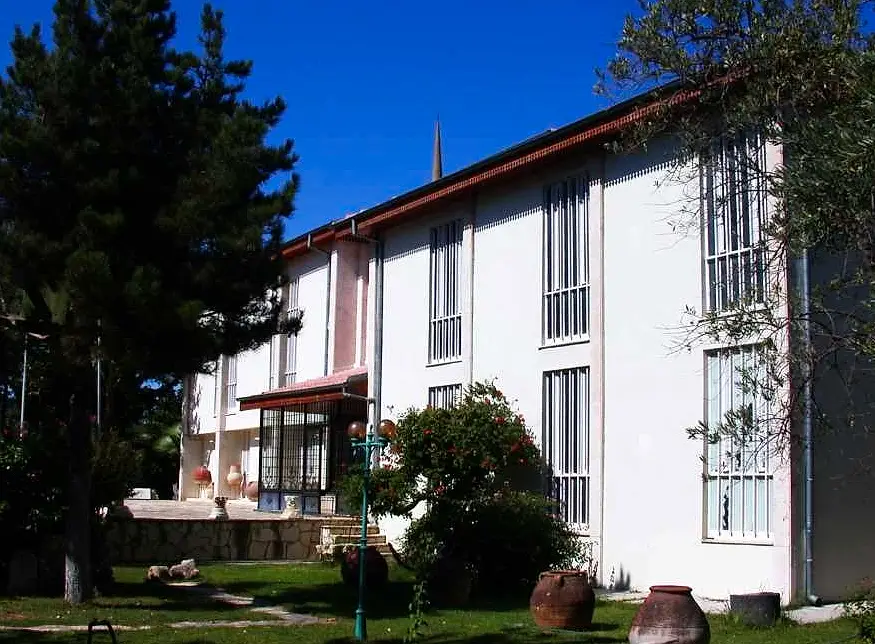
The archaeological museum of Silifke, with finds from the Bronze Age to the Ottoman era shown in stone, coin, jewellery, ethnographic and garden displays.
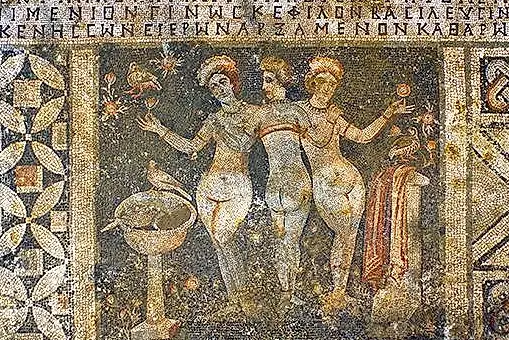
A small museum built around a Roman bath floor showing the Three Graces, on the bay of Narlıkuyu near Silifke.
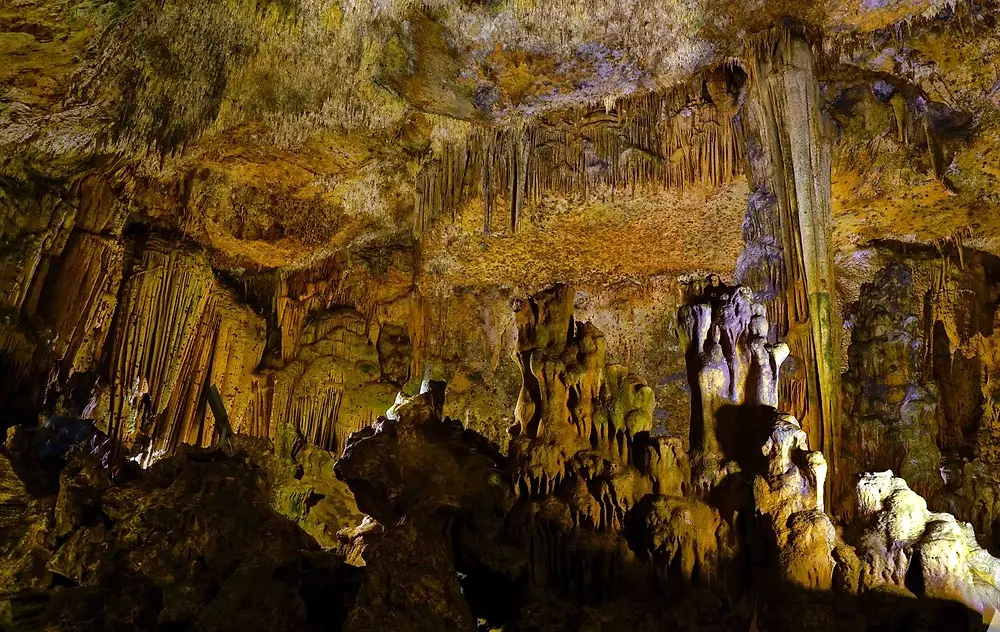
A natural cave near Narlıkuyu reached by a spiral iron staircase, known for its humid air, its stalactites and its "wishing cave" folklore.
Four Istanbul landmarks, each sold on its own site by the agency behind this guide — dated entry and free cancellation up to 24 hours.
The sultans’ palace on Sarayburnu: courtyards, the Imperial Council, the treasury and the terraces over the water. Dated entry, sold online on its own site.
Justinian’s great underground reservoir: 336 columns in still water and the two Medusa heads. Fast-track entry with a digital audio guide.
Justinian’s cathedral, the sultans’ mosque and a working mosque again today. The ticket admits you to the upper visitor gallery.
A nineteenth-century palace on the water’s edge: the Selamlık, the Ceremonial Hall under its chandelier, the crystal staircase and the Harem.


