
Topkapı Palace
The sultans’ palace on Sarayburnu: courtyards, the Imperial Council, the treasury and the terraces over the water. Dated entry, sold online on its own site.
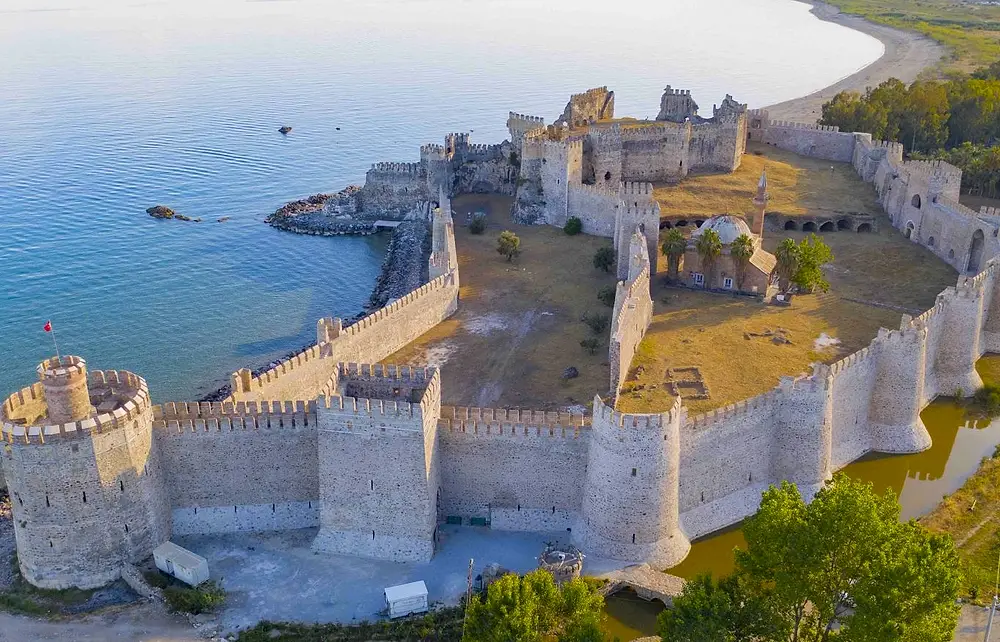
A remarkably intact medieval fortress on the Mediterranean shore near Anamur, with 39 towers, a dry moat, a mosque and a bathhouse inside the walls.
Mamure Castle rises right beside the sea, six kilometres east of Anamur in the province of Mersin, and is counted among the most intact Turkish castles on the Mediterranean coast. It is on Turkey's tentative list for UNESCO World Heritage. Like many Anatolian fortresses it stands on far older foundations, though nobody knows exactly who built them.
The Romans used the site to protect trade routes and to watch over merchant ships, and it was enlarged in the Byzantine and Crusader periods. The Seljuk sultan Alaeddin Keykubat took it in 1228. After Seljuk power faded it came under Christian control before Karamanoğlu Mahmut Bey captured it. In 1450 Sultan İbrahim of the Karamanoğulları rebuilt it and gave it the name Mamure.
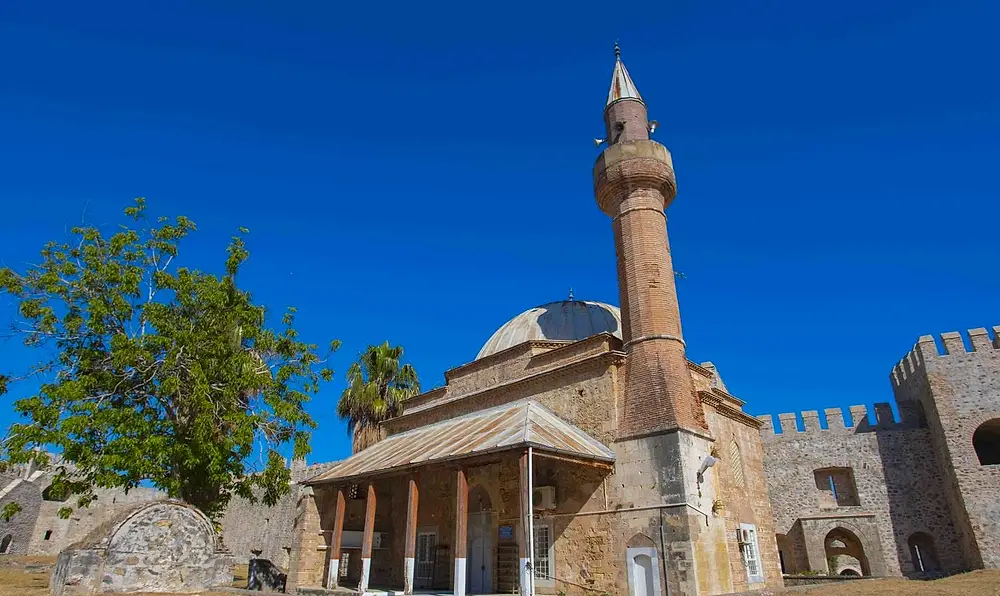
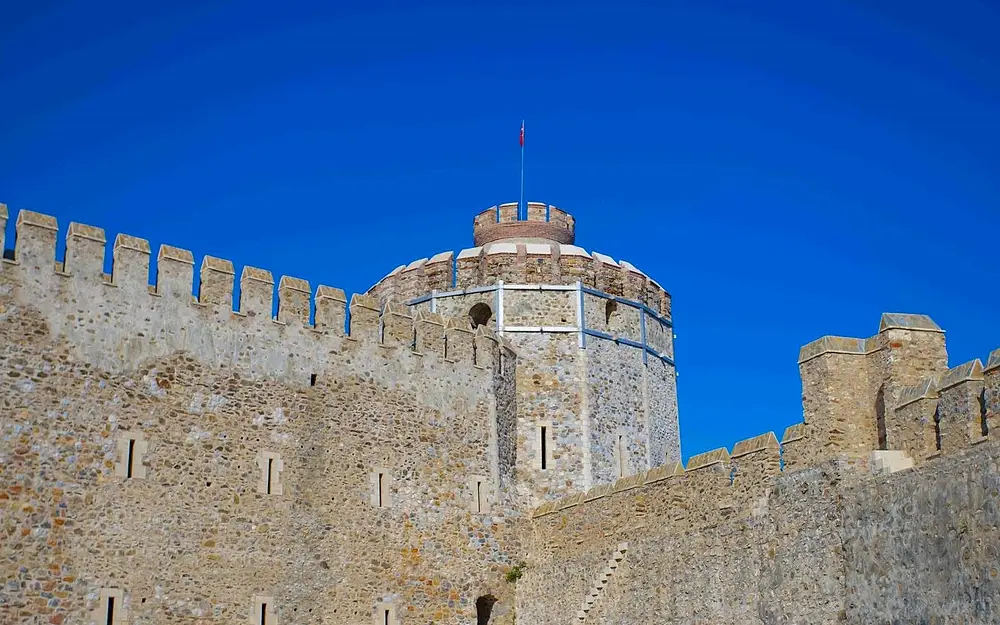
The plan has three parts: an eastern inner courtyard set off by high walls, an outer castle to the west, and an inner keep built on rock to the south. Inside are thirty-nine towers, cisterns, a mosque and a bathhouse, all ringed by a ten-metre-wide defensive moat. Note that the entrance visitors use today is not the original one, which lies between two square towers to the north of the inner courtyard.
According to the Ministry’s listing it opens at 09:00 and closes at 20:00 (last entry 19:30). Closed: Monday.
No. This site sells no tickets. Topkapı Palace, the Basilica Cistern, Hagia Sophia and Dolmabahçe Palace are sold on our sister sites; for Mamure Castle, buy at the ticket office or on the Ministry’s official e-ticket system.
Mamure Castle is in Mersin, Türkiye — Bozdoğan Mahallesi.
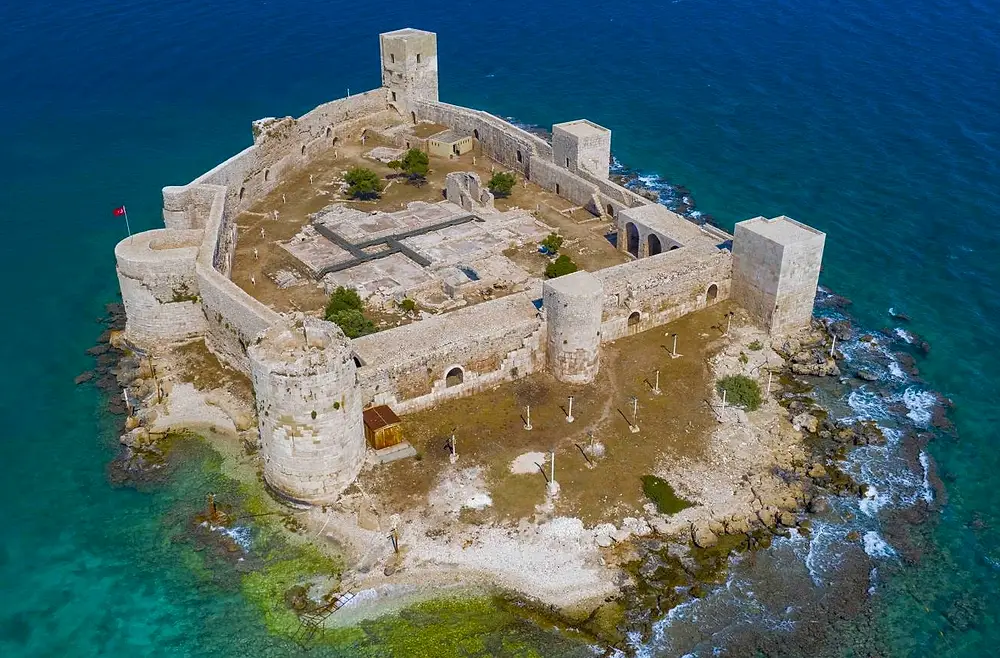
The coastal ruins of ancient Korykos at Kızkalesi, Mersin: a land castle, a necropolis valley and the sea castle offshore, layered with Roman, Byzantine and Armenian history.
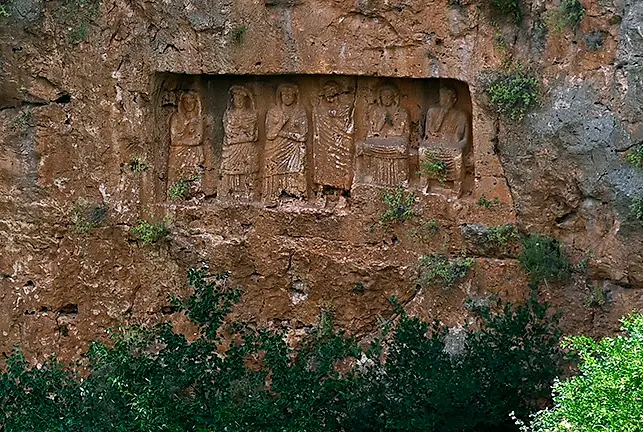
An ancient Cilician city built around a huge sinkhole west of Mersin, with churches, olive workshops, cisterns and a Roman road.
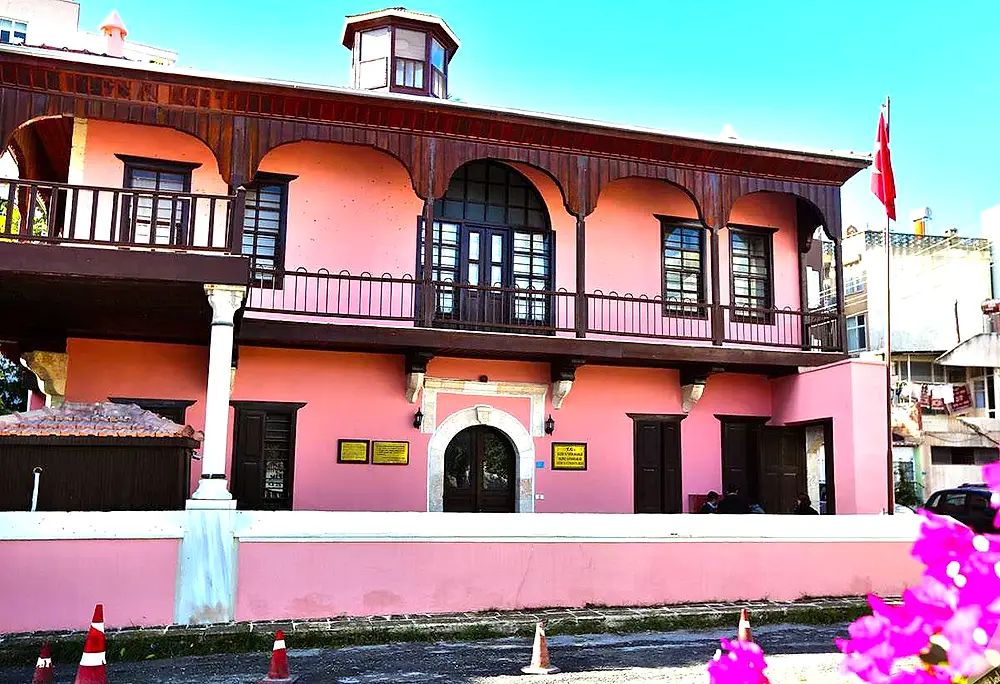
A 1914 stone-and-timber house in Silifke where Atatürk stayed on his first visit in 1925, now showing his belongings, photographs and local ethnography.
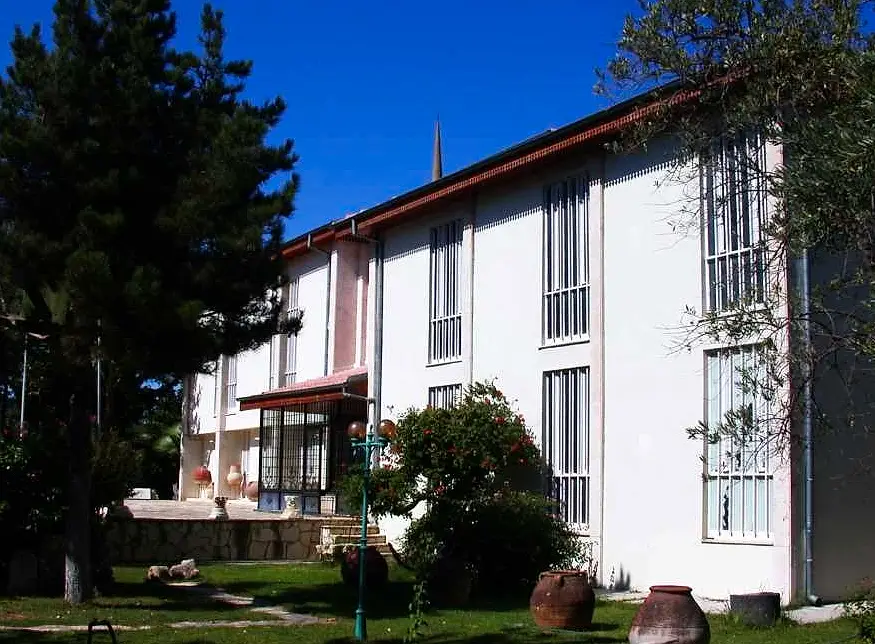
The archaeological museum of Silifke, with finds from the Bronze Age to the Ottoman era shown in stone, coin, jewellery, ethnographic and garden displays.
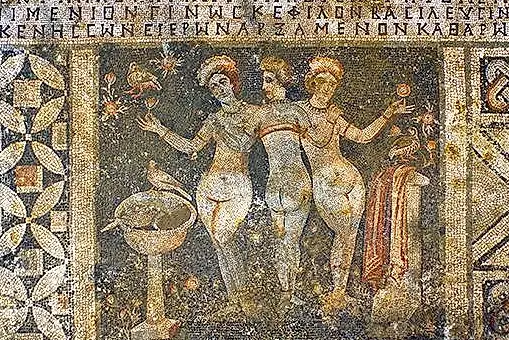
A small museum built around a Roman bath floor showing the Three Graces, on the bay of Narlıkuyu near Silifke.
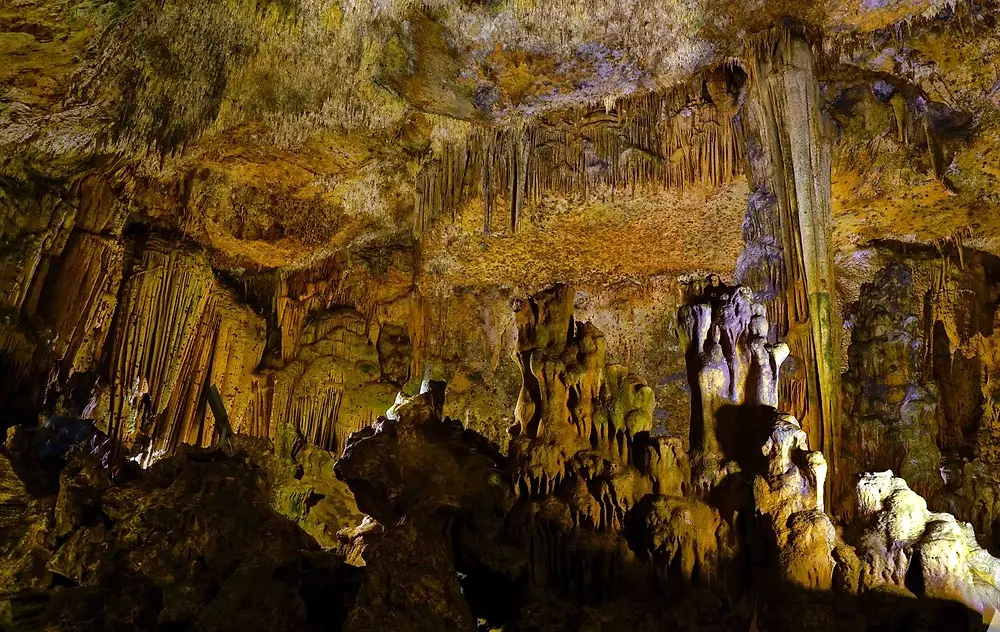
A natural cave near Narlıkuyu reached by a spiral iron staircase, known for its humid air, its stalactites and its "wishing cave" folklore.
Four Istanbul landmarks, each sold on its own site by the agency behind this guide — dated entry and free cancellation up to 24 hours.
The sultans’ palace on Sarayburnu: courtyards, the Imperial Council, the treasury and the terraces over the water. Dated entry, sold online on its own site.
Justinian’s great underground reservoir: 336 columns in still water and the two Medusa heads. Fast-track entry with a digital audio guide.
Justinian’s cathedral, the sultans’ mosque and a working mosque again today. The ticket admits you to the upper visitor gallery.
A nineteenth-century palace on the water’s edge: the Selamlık, the Ceremonial Hall under its chandelier, the crystal staircase and the Harem.


