
Topkapı Palace
The sultans’ palace on Sarayburnu: courtyards, the Imperial Council, the treasury and the terraces over the water. Dated entry, sold online on its own site.
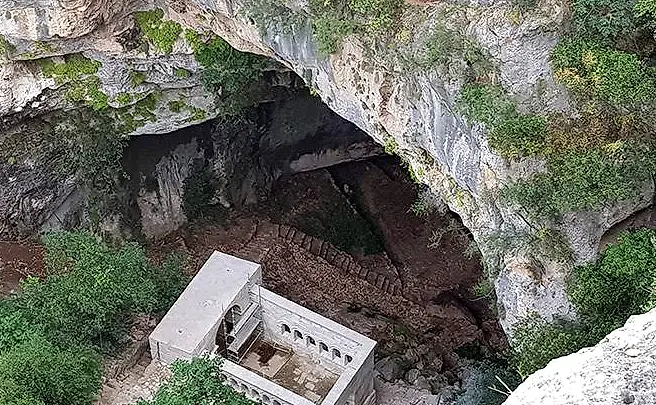
Two vast natural sinkholes on the Mediterranean coast, with a 5th-century chapel, a Hellenistic temple of Zeus and the myth of the monster Typhon.
The Cennet (Heaven) and Cehennem (Hell) sinkholes lie about 25 km from Silifke, 2 km north-west of the ancient harbour of Narlıkuyu and 5 km west of Korykos (Kızkalesi). Both formed as underground water slowly dissolved the limestone until the roof collapsed. Cennet is elliptical, 250 by 110 metres across and 70 metres deep, and visitors can descend its floor by a stairway of about 450 steps.
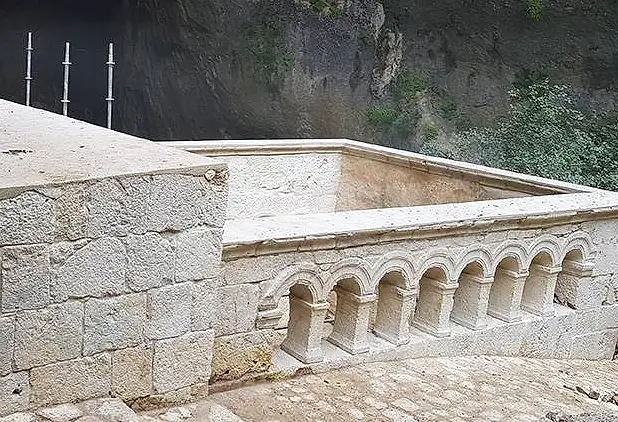
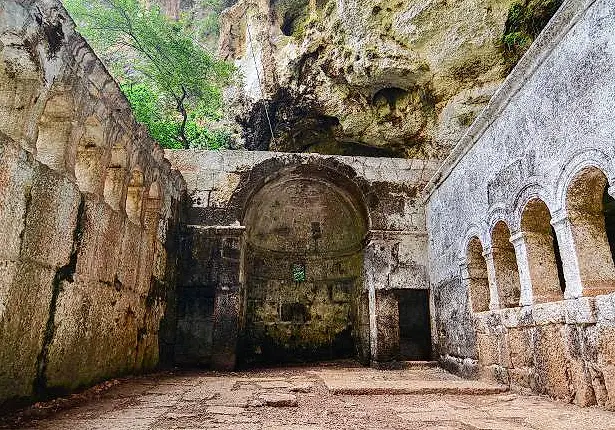
At the bottom, a cave more than 200 metres long opens to the south, and at its mouth stands a small church. This is the Virgin Mary Church of the 5th century, built of ashlar blocks, with an inscription naming a devout man called Paulus as its donor and frescoes of Christ and his disciples in the apse. On the south side of Cennet stand the remains of a Hellenistic Doric temple of Zeus, later turned into a church.
Cehennem, 75 metres to the north, is 128 metres deep, but its overhanging edges make it impossible to descend. According to Greek myth, Zeus held the hundred-headed monster Typhon here for a time before burying him beneath Mount Etna.
According to the Ministry’s listing it opens at 08:00 and closes at 21:00 (last entry 20:45). Open every day.
No. This site sells no tickets. Topkapı Palace, the Basilica Cistern, Hagia Sophia and Dolmabahçe Palace are sold on our sister sites; for Cennet and Cehennem Sinkholes, buy at the ticket office or on the Ministry’s official e-ticket system.
Cennet and Cehennem Sinkholes is in Mersin, Türkiye — Narlıkuyu Mahallesi Hasanaliler Mevkii.
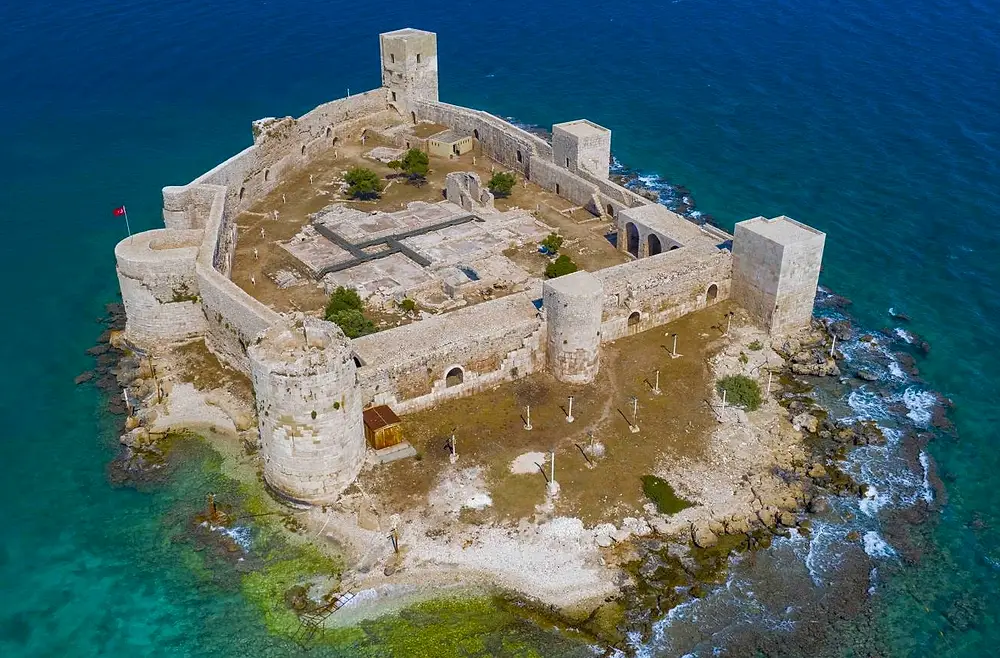
The coastal ruins of ancient Korykos at Kızkalesi, Mersin: a land castle, a necropolis valley and the sea castle offshore, layered with Roman, Byzantine and Armenian history.
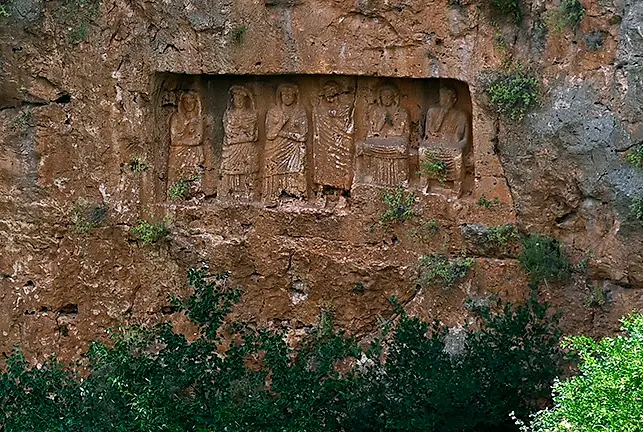
An ancient Cilician city built around a huge sinkhole west of Mersin, with churches, olive workshops, cisterns and a Roman road.
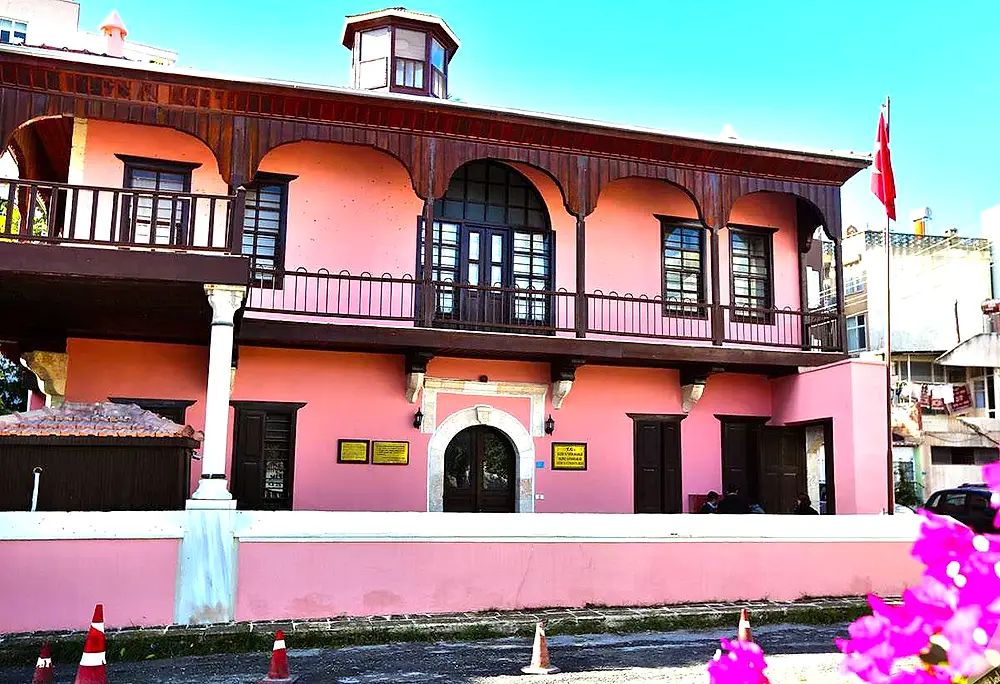
A 1914 stone-and-timber house in Silifke where Atatürk stayed on his first visit in 1925, now showing his belongings, photographs and local ethnography.
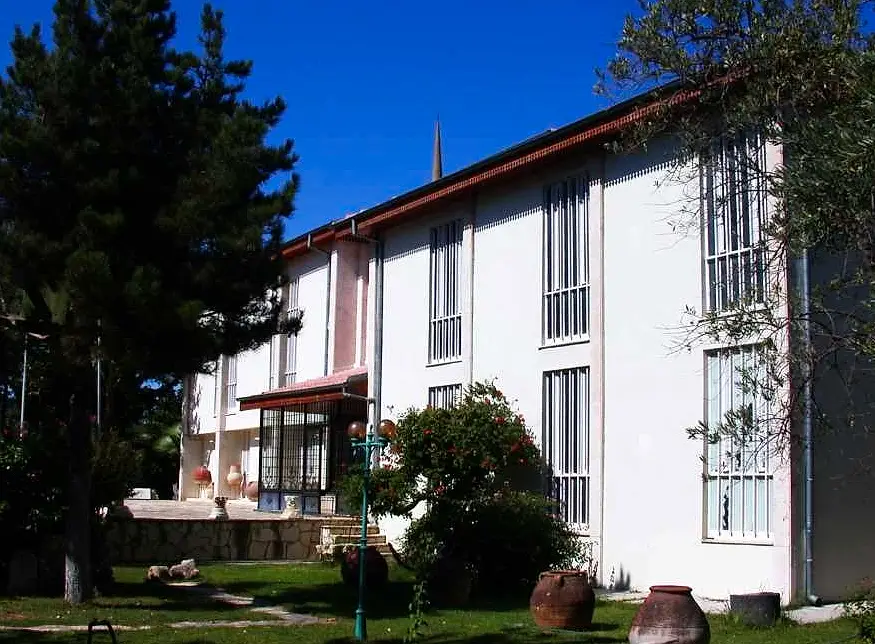
The archaeological museum of Silifke, with finds from the Bronze Age to the Ottoman era shown in stone, coin, jewellery, ethnographic and garden displays.
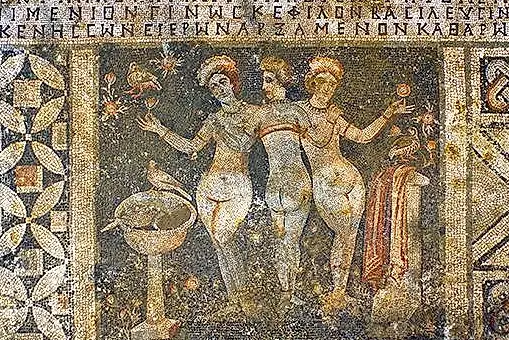
A small museum built around a Roman bath floor showing the Three Graces, on the bay of Narlıkuyu near Silifke.
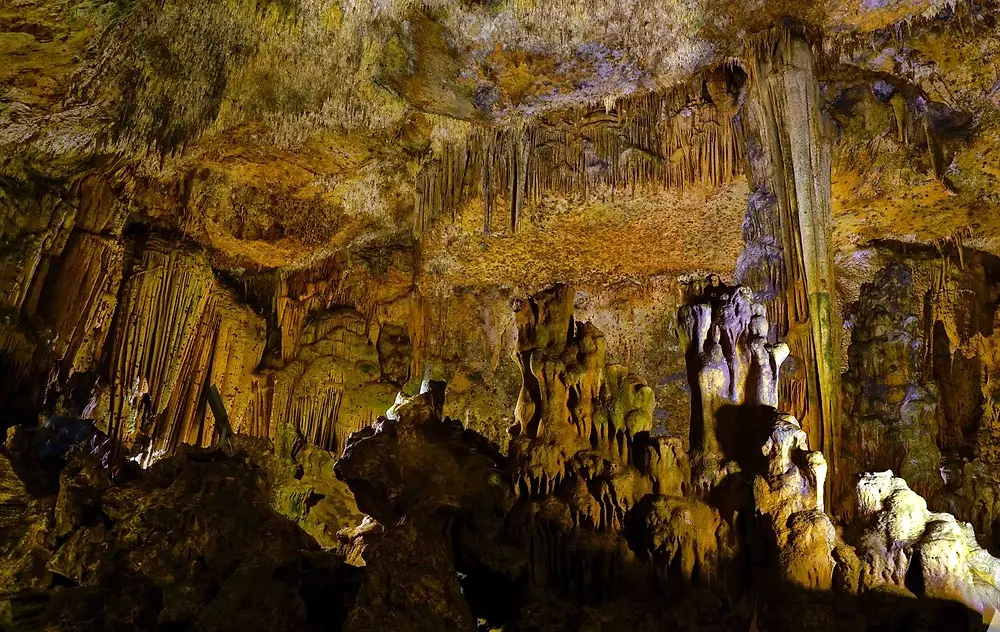
A natural cave near Narlıkuyu reached by a spiral iron staircase, known for its humid air, its stalactites and its "wishing cave" folklore.
Four Istanbul landmarks, each sold on its own site by the agency behind this guide — dated entry and free cancellation up to 24 hours.
The sultans’ palace on Sarayburnu: courtyards, the Imperial Council, the treasury and the terraces over the water. Dated entry, sold online on its own site.
Justinian’s great underground reservoir: 336 columns in still water and the two Medusa heads. Fast-track entry with a digital audio guide.
Justinian’s cathedral, the sultans’ mosque and a working mosque again today. The ticket admits you to the upper visitor gallery.
A nineteenth-century palace on the water’s edge: the Selamlık, the Ceremonial Hall under its chandelier, the crystal staircase and the Harem.


