
Topkapı Palace
The sultans’ palace on Sarayburnu: courtyards, the Imperial Council, the treasury and the terraces over the water. Dated entry, sold online on its own site.
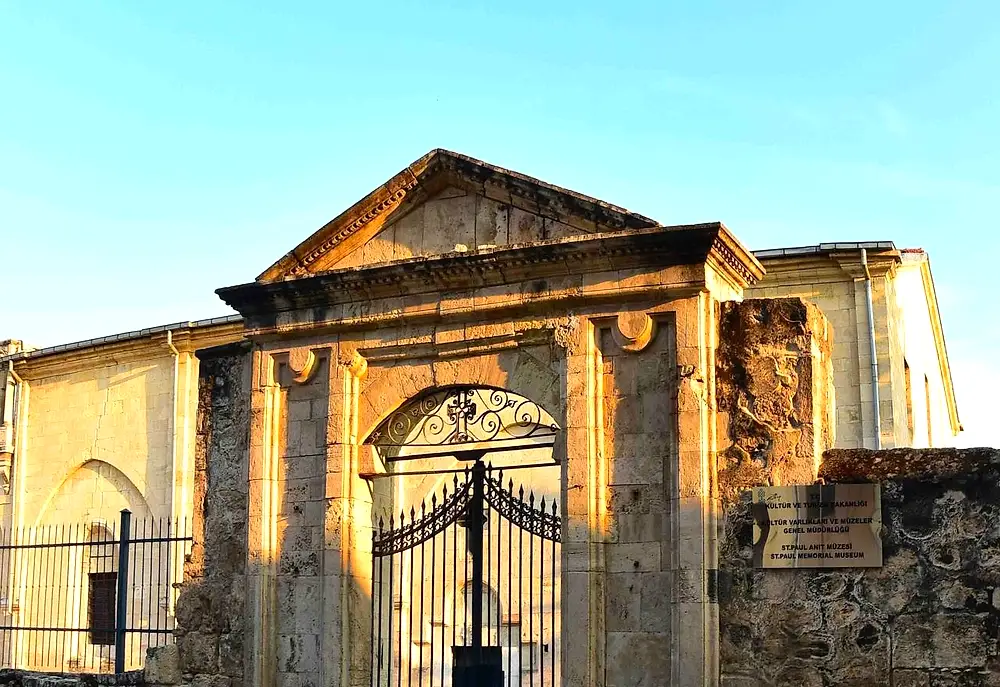
A three-aisled church of 1850 in Tarsus, now a museum in memory of Saint Paul, with ceiling frescoes of Christ and the four Evangelists and a bell tower in the corner.
The St. Paul Memorial Museum is a church built in 1850 by the Orthodox Arab-Rum community of Tarsus. It served other purposes until 1993, and in 1994 the building was assigned to the Ministry of Culture and named after the apostle, who was born in this city.
Restoration work was carried out on the building and around it between 1997 and 2001. As part of the landscaping project, the Ministry also expropriated the properties in the surrounding area. The works were completed in 2001, and the site was opened to visitors as the St. Paul Memorial Museum.
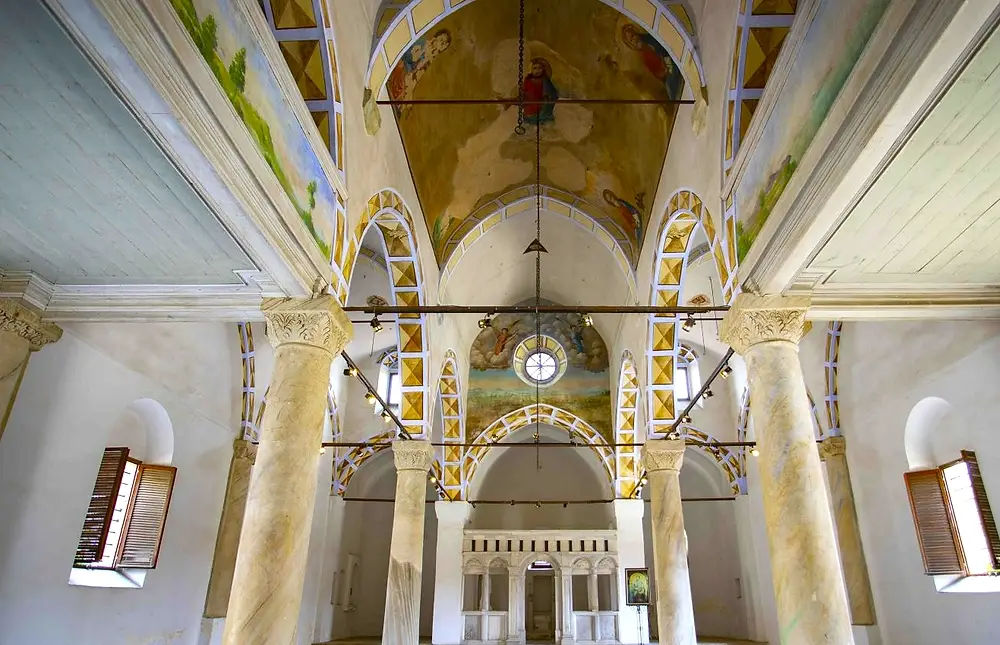
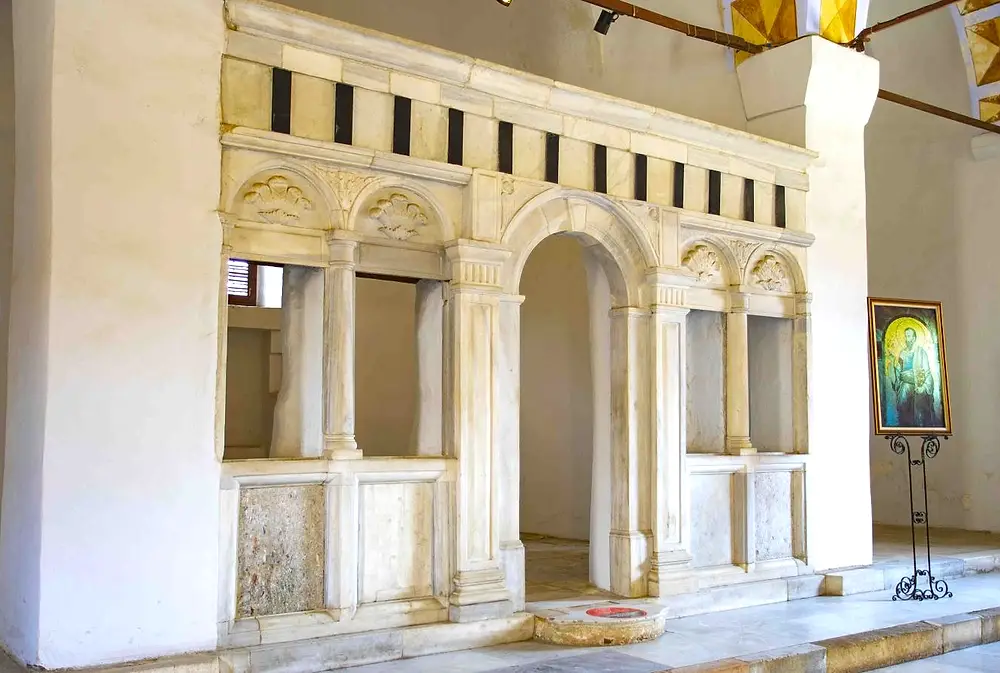
The church has a rectangular plan with three aisles. On the ceiling of the central aisle are frescoes of Jesus Christ and the four Evangelists, John, Matthew, Mark and Luke, together with an eye motif and a bird. On either side of the window above the apse you will find landscape scenes and angels. A bell tower stands at the north-eastern corner of the church. Groups of visitors, Turkish and foreign, sometimes hold religious services here, which is why the place still feels like a working sacred space, not only a museum.
According to the Ministry’s listing it opens at 08:00 and closes at 19:00 (last entry 18:30). Closed: Monday.
No. This site sells no tickets. Topkapı Palace, the Basilica Cistern, Hagia Sophia and Dolmabahçe Palace are sold on our sister sites; for St. Paul Memorial Museum, Tarsus, buy at the ticket office or on the Ministry’s official e-ticket system.
St. Paul Memorial Museum, Tarsus is in Mersin, Türkiye — Caminur Mahallesi, Abdi İpekçi Cad. No:14, 33440.
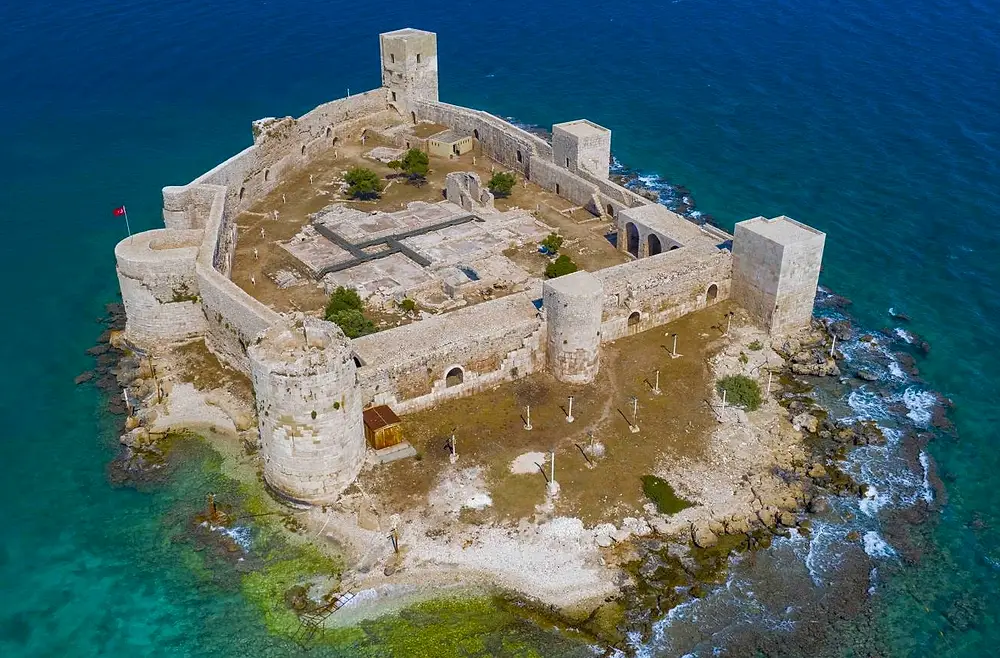
The coastal ruins of ancient Korykos at Kızkalesi, Mersin: a land castle, a necropolis valley and the sea castle offshore, layered with Roman, Byzantine and Armenian history.
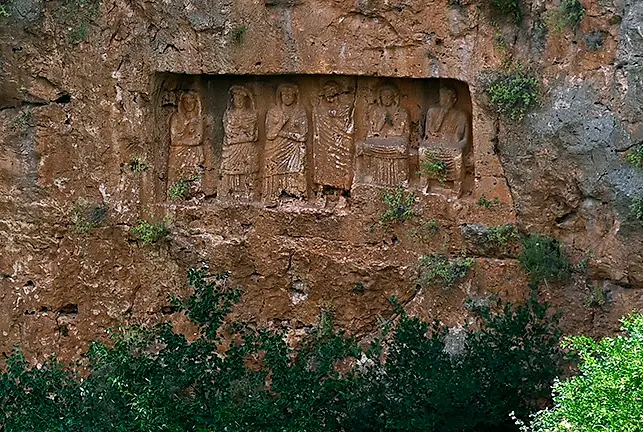
An ancient Cilician city built around a huge sinkhole west of Mersin, with churches, olive workshops, cisterns and a Roman road.
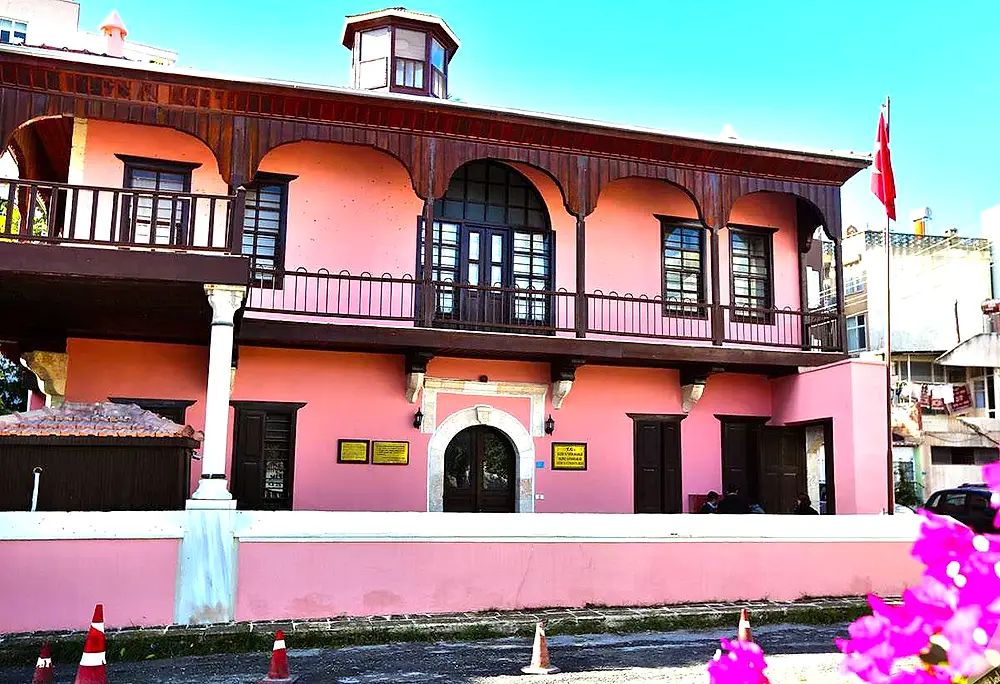
A 1914 stone-and-timber house in Silifke where Atatürk stayed on his first visit in 1925, now showing his belongings, photographs and local ethnography.
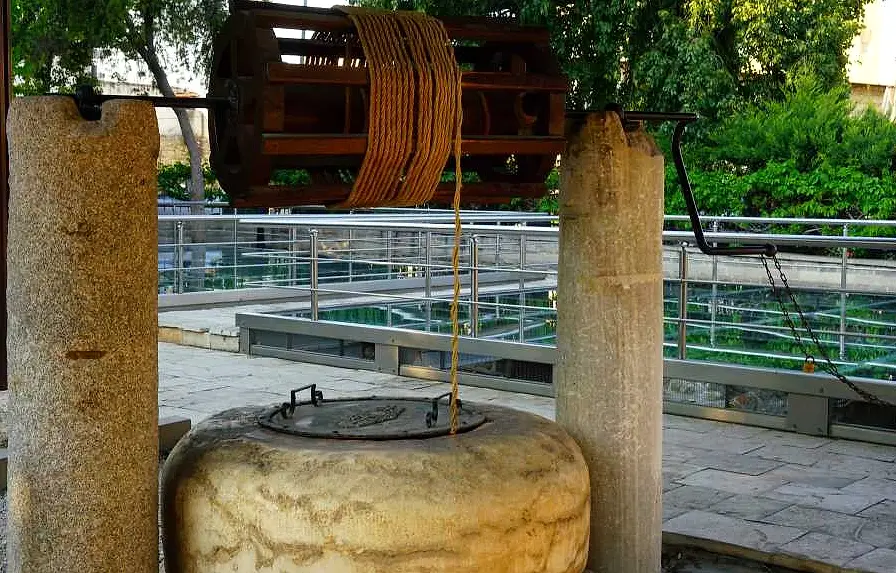
A deep well in a courtyard in old Tarsus, long revered as part of the house of Saint Paul, next to the excavated walls of a building said to be his birthplace.
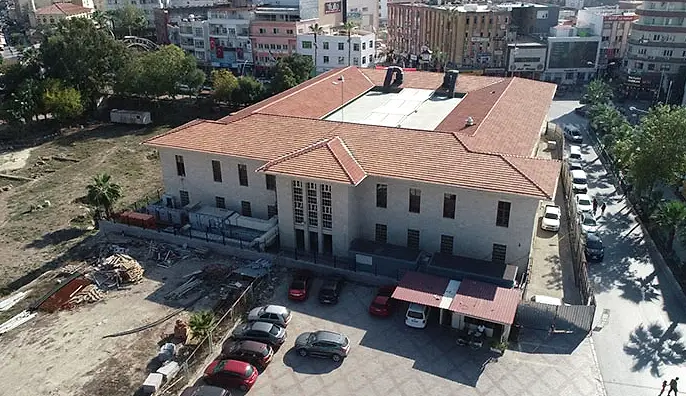
Tarsus's archaeology and ethnography museum, with finds from the Chalcolithic to the Byzantine period and a section on Çukurova traditions, metalwork and weaving.
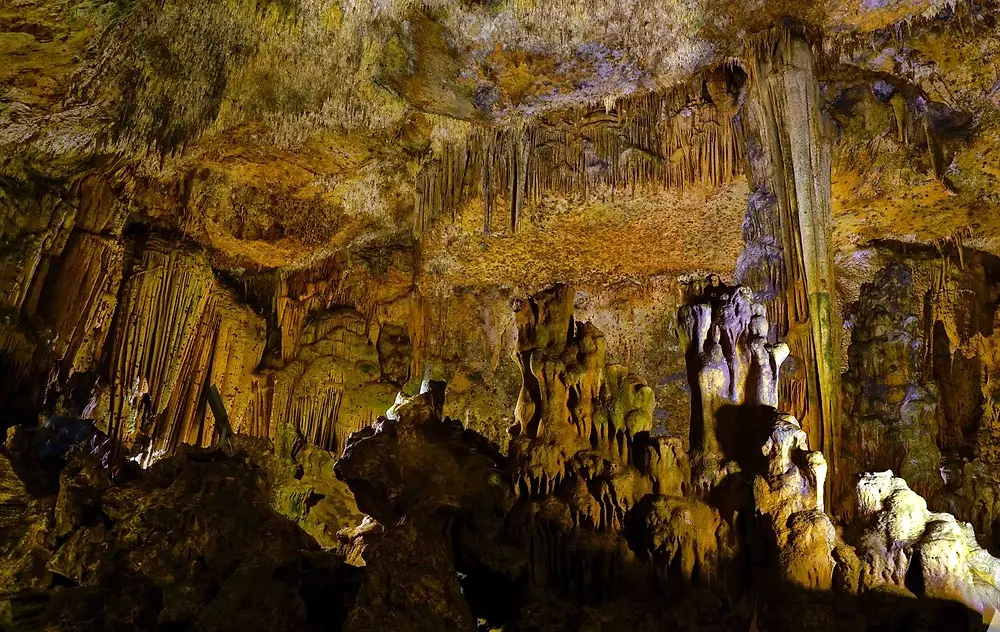
A natural cave near Narlıkuyu reached by a spiral iron staircase, known for its humid air, its stalactites and its "wishing cave" folklore.
Four Istanbul landmarks, each sold on its own site by the agency behind this guide — dated entry and free cancellation up to 24 hours.
The sultans’ palace on Sarayburnu: courtyards, the Imperial Council, the treasury and the terraces over the water. Dated entry, sold online on its own site.
Justinian’s great underground reservoir: 336 columns in still water and the two Medusa heads. Fast-track entry with a digital audio guide.
Justinian’s cathedral, the sultans’ mosque and a working mosque again today. The ticket admits you to the upper visitor gallery.
A nineteenth-century palace on the water’s edge: the Selamlık, the Ceremonial Hall under its chandelier, the crystal staircase and the Harem.


