
Topkapı Palace
The sultans’ palace on Sarayburnu: courtyards, the Imperial Council, the treasury and the terraces over the water. Dated entry, sold online on its own site.
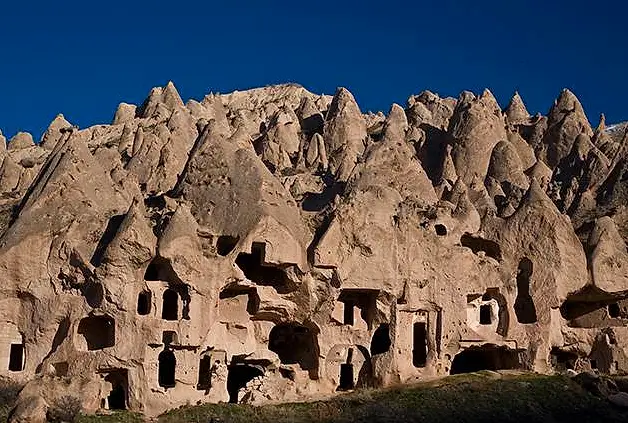
Three valleys of fairy chimneys in Cappadocia, once a Christian monastic settlement, with rock-cut churches, Saint Simeon's chapel and dovecotes.
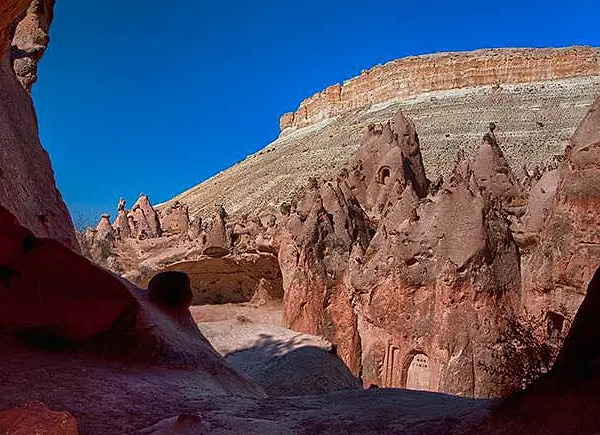
Zelve lies about five kilometres from Avanos on the steep northern slopes of Aktepe, and Paşabağlar is a kilometre further on. Zelve consists of three valleys and is the place in Cappadocia where fairy chimneys are densest. Between the ninth and thirteenth centuries it was one of the important Christian settlements and religious centres of the region, and the first religious seminars for priests were held around here.
The valley's main churches, Balıklı, Üzümlü and Geyikli, date from before the Iconoclastic period, 728 to 842. In the first valley you can also see a mill and a winery, in the second a church of the Holy Cross, and in the third the village square and a monastery complex carved into a dome-like rock, with a mosque opposite. Pigeonhouses carved high on the slopes, with simple painted decoration on their façades, add to the character of the valley, and the Direkli Church stands at the exit. People lived in Zelve until 1952.
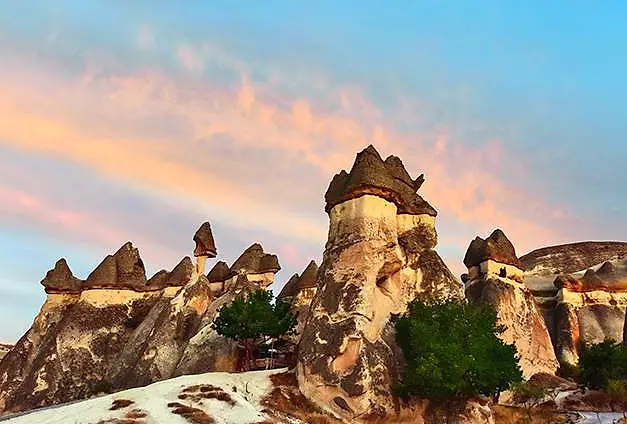
Paşabağlar, once known as the Valley of the Priests, has particularly striking fairy chimneys with several stems and heads that people carved into chapels and living spaces. One three-headed chimney holds a chapel dedicated to Saint Simeon, with a cell beside it. Simeon lived an ascetic life near Aleppo in the fifth century, and when crowds came seeking miracles he withdrew, first to a two-metre column and then to a fifteen-metre one, where he stayed for a long time.
According to the Ministry’s listing it opens at 08:00 and closes at 20:00 (last entry 19:15). Open every day.
No. This site sells no tickets. Topkapı Palace, the Basilica Cistern, Hagia Sophia and Dolmabahçe Palace are sold on our sister sites; for Zelve-Paşabağlar Archaeological Site, buy at the ticket office or on the Ministry’s official e-ticket system.
Zelve-Paşabağlar Archaeological Site is in Nevşehir, Türkiye — Aktepe Köyü Zelve Açıkhava Müzesi Küme Evleri No:1 Avanos/NEVŞEHİR.
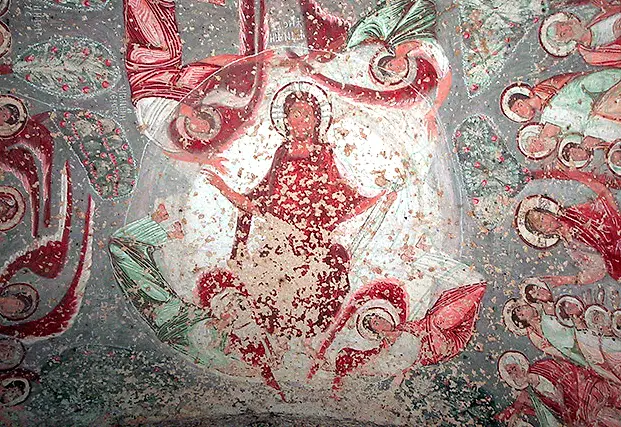
A rock-cut Byzantine church of 964–965 near Göreme, with a two-floor plan, monks' rooms below and frescoes of Emperor Nikephoros Phokas and his family.
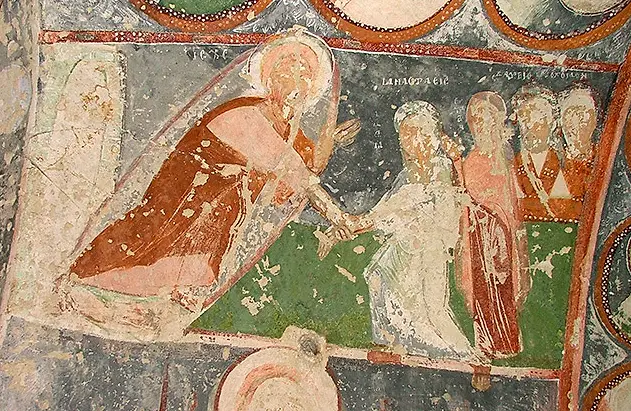
A tenth-century rock-cut church in the El Nazar valley near Göreme, painted in an archaic style with scenes from the life of Christ.
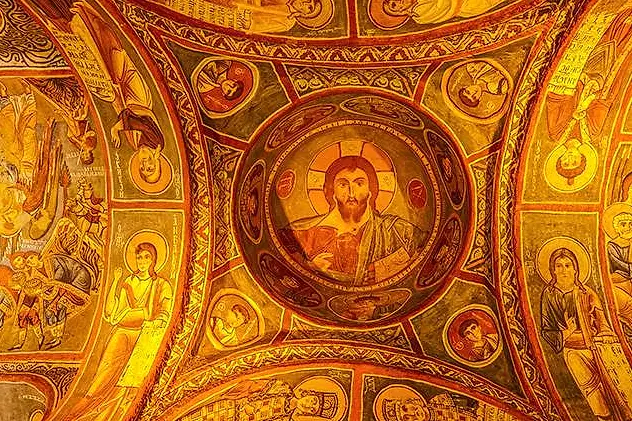
The most prized church of the Göreme Open Air Museum, a cross-plan rock church whose frescoes stayed vivid because so little light reaches them.
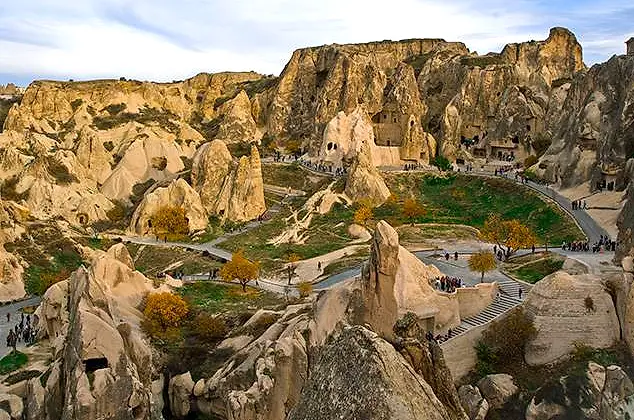
Cappadocia's best-known rock-cut monastic complex, with frescoed churches, chapels and refectories from the fourth to thirteenth centuries.
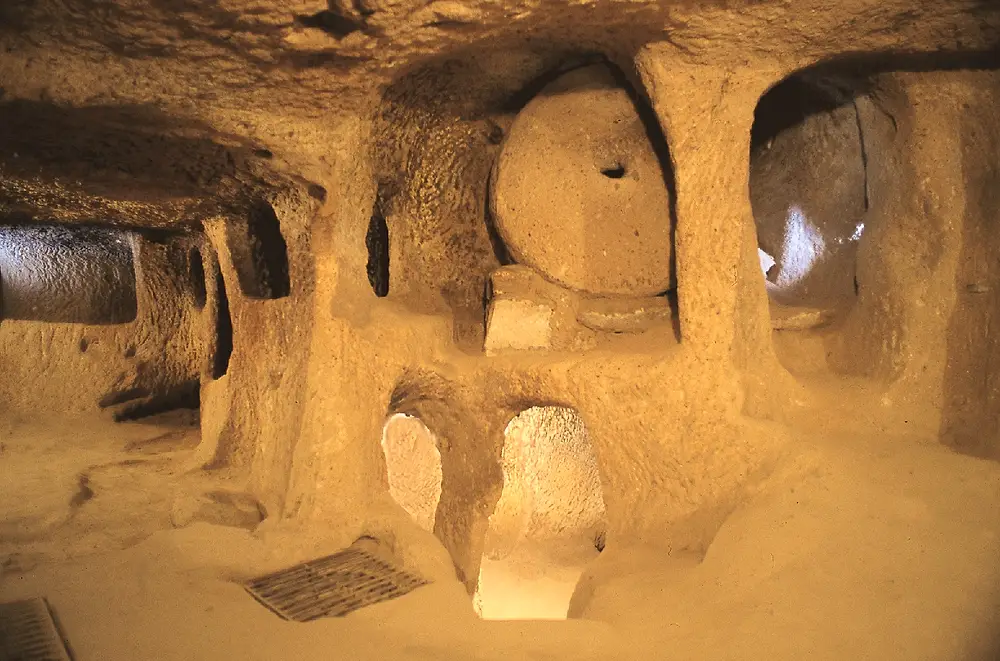
A labyrinth of tuff-carved rooms and tunnels eight levels deep at Kaymaklı, built as a refuge and still walkable on four lit levels.
Four Istanbul landmarks, each sold on its own site by the agency behind this guide — dated entry and free cancellation up to 24 hours.
The sultans’ palace on Sarayburnu: courtyards, the Imperial Council, the treasury and the terraces over the water. Dated entry, sold online on its own site.
Justinian’s great underground reservoir: 336 columns in still water and the two Medusa heads. Fast-track entry with a digital audio guide.
Justinian’s cathedral, the sultans’ mosque and a working mosque again today. The ticket admits you to the upper visitor gallery.
A nineteenth-century palace on the water’s edge: the Selamlık, the Ceremonial Hall under its chandelier, the crystal staircase and the Harem.


