
Topkapı Palace
The sultans’ palace on Sarayburnu: courtyards, the Imperial Council, the treasury and the terraces over the water. Dated entry, sold online on its own site.
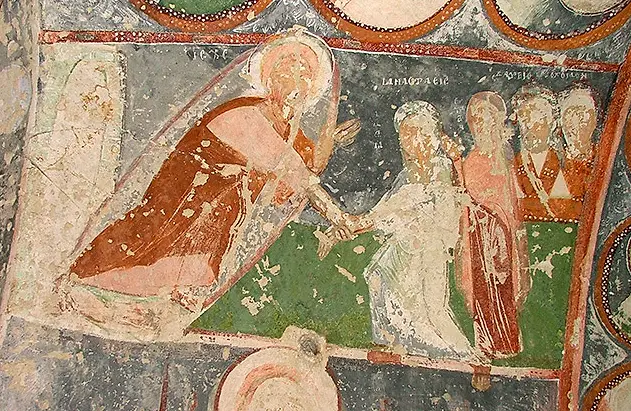
A tenth-century rock-cut church in the El Nazar valley near Göreme, painted in an archaic style with scenes from the life of Christ.
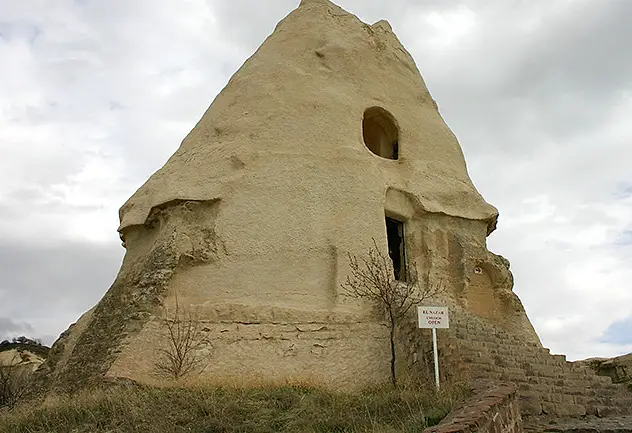
El Nazar Church sits in its own valley near Göreme, about 800 metres from the road that leads to the Göreme Open Air Museum. It was carved into a rock cone and dates to the tenth century, which makes it one of the older painted churches in the area.
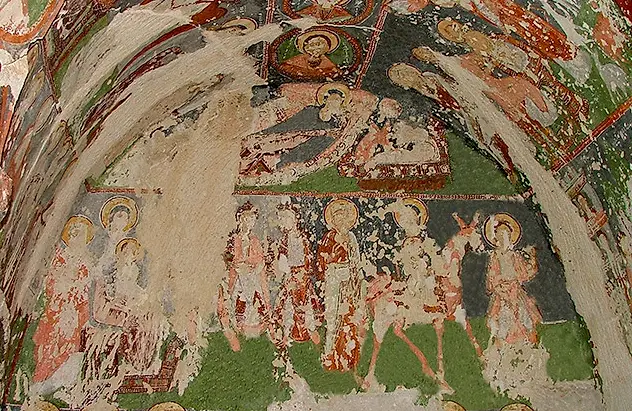
Inside, the layout is cruciform with barrel-vaulted arms, and a burial place is set in the eastern arm. The main apse opens onto the central space where the arms meet. Time has been unkind: the entire floor and part of the apse have been lost.
What survives on the walls is the reason to come. Two artists working in an archaic style painted the scenes in chronological order, following Christ's childhood, his youth and his miracles. It is a good complement to the more famous churches in the Göreme complex, and usually much quieter.
According to the Ministry’s listing it opens at 08:00 and closes at 17:00 (last entry 16:15). Open every day.
No. This site sells no tickets. Topkapı Palace, the Basilica Cistern, Hagia Sophia and Dolmabahçe Palace are sold on our sister sites; for El Nazar Church, buy at the ticket office or on the Ministry’s official e-ticket system.
El Nazar Church is in Nevşehir, Türkiye — Göreme Beldesi.
A rock-cut Byzantine church of 964–965 near Göreme, with a two-floor plan, monks' rooms below and frescoes of Emperor Nikephoros Phokas and his family.
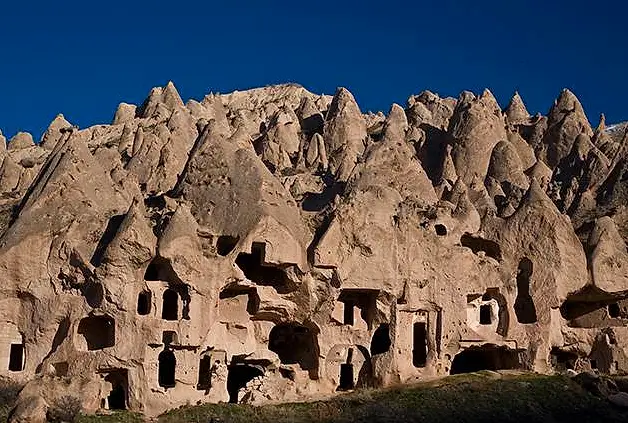
Three valleys of fairy chimneys in Cappadocia, once a Christian monastic settlement, with rock-cut churches, Saint Simeon's chapel and dovecotes.
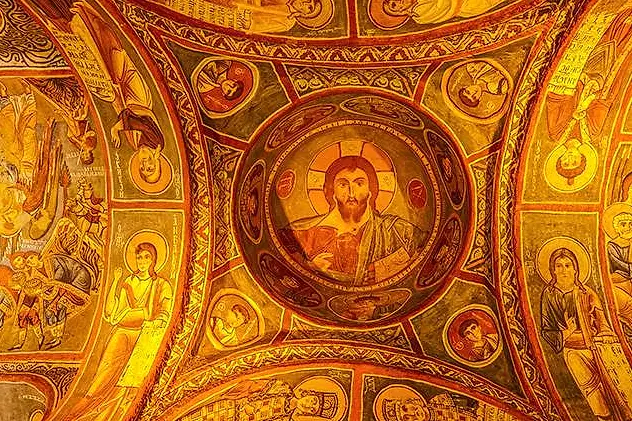
The most prized church of the Göreme Open Air Museum, a cross-plan rock church whose frescoes stayed vivid because so little light reaches them.
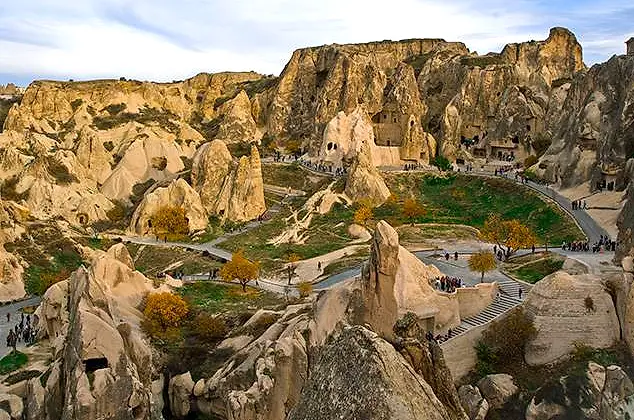
Cappadocia's best-known rock-cut monastic complex, with frescoed churches, chapels and refectories from the fourth to thirteenth centuries.
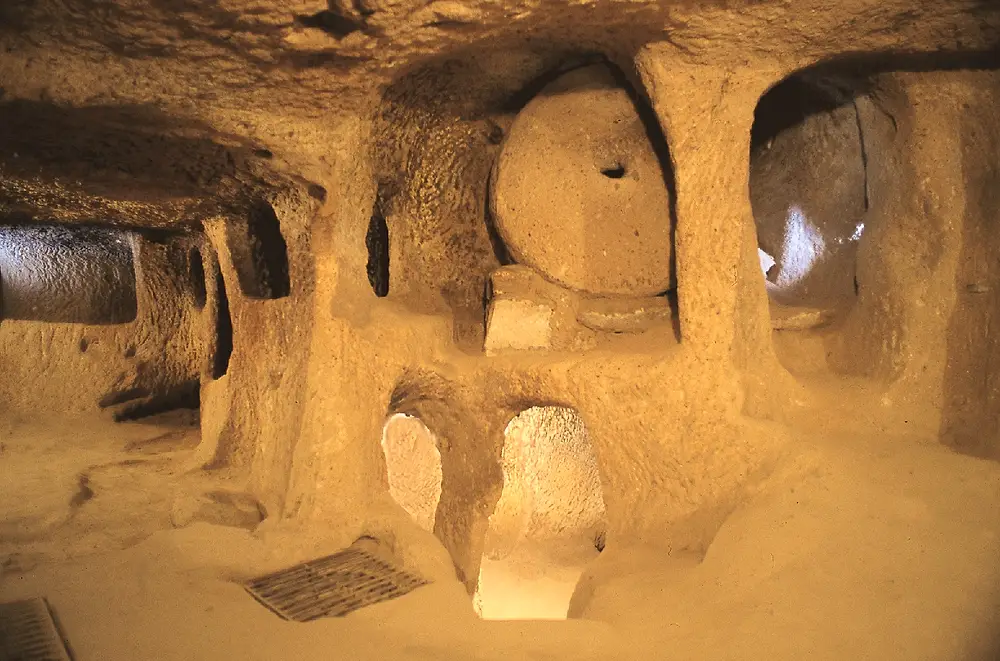
A labyrinth of tuff-carved rooms and tunnels eight levels deep at Kaymaklı, built as a refuge and still walkable on four lit levels.
Four Istanbul landmarks, each sold on its own site by the agency behind this guide — dated entry and free cancellation up to 24 hours.
The sultans’ palace on Sarayburnu: courtyards, the Imperial Council, the treasury and the terraces over the water. Dated entry, sold online on its own site.
Justinian’s great underground reservoir: 336 columns in still water and the two Medusa heads. Fast-track entry with a digital audio guide.
Justinian’s cathedral, the sultans’ mosque and a working mosque again today. The ticket admits you to the upper visitor gallery.
A nineteenth-century palace on the water’s edge: the Selamlık, the Ceremonial Hall under its chandelier, the crystal staircase and the Harem.


