
Topkapı Palace
The sultans’ palace on Sarayburnu: courtyards, the Imperial Council, the treasury and the terraces over the water. Dated entry, sold online on its own site.
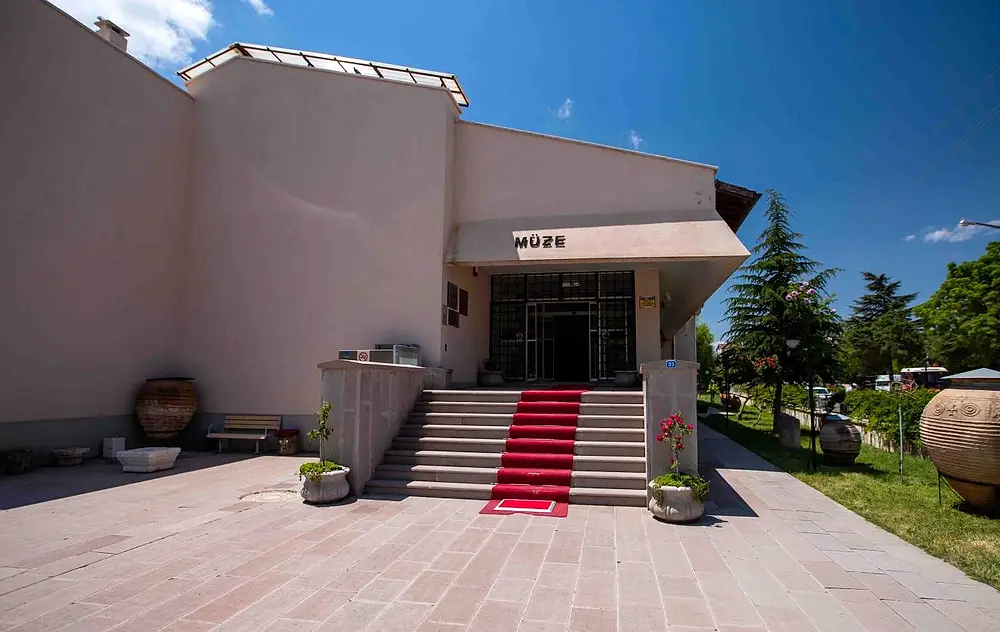
A small museum in the centre of Hacıbektaş showing finds from the Suluca-Karahöyük mound alongside local carpets, copperware and costume.
Hacıbektaş is best known as a pilgrimage town, but its museum shows the older layers beneath it. Opened in 1988 in the centre of the district, the building follows a simple plan: an archaeological part and an ethnographic part. The visit begins with a short documentary about Hacıbektaş and its surroundings, which sets the scene before the display halls.
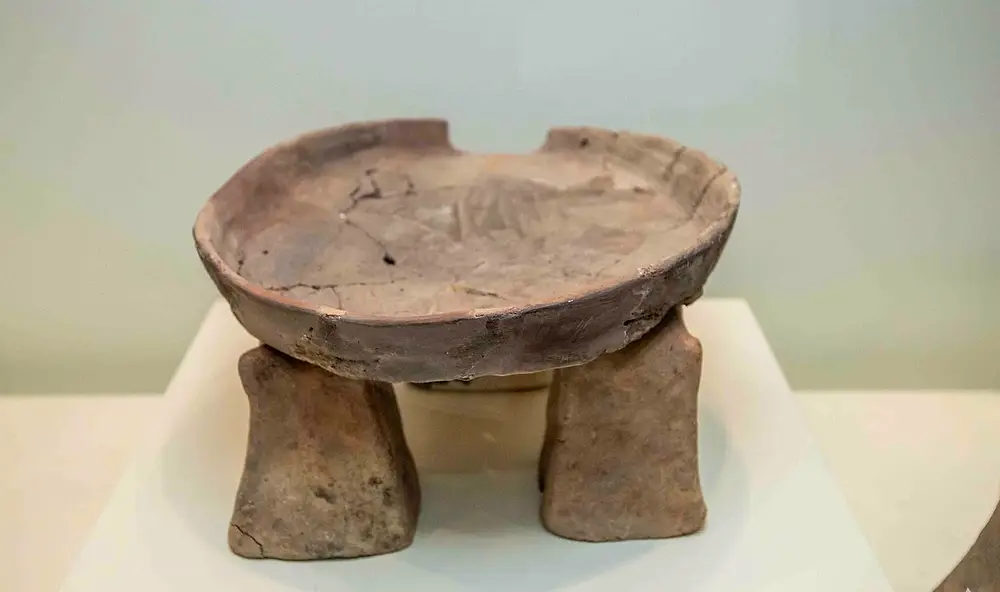
The first two halls are given over to archaeology, mostly finds from Suluca-Karahöyük, a mound within the district that was lived in almost continuously from the Early Bronze Age down to Roman times. Excavated in the 1960s and 1970s, it gives a sense of how long people have farmed and traded on this stretch of central Anatolia.
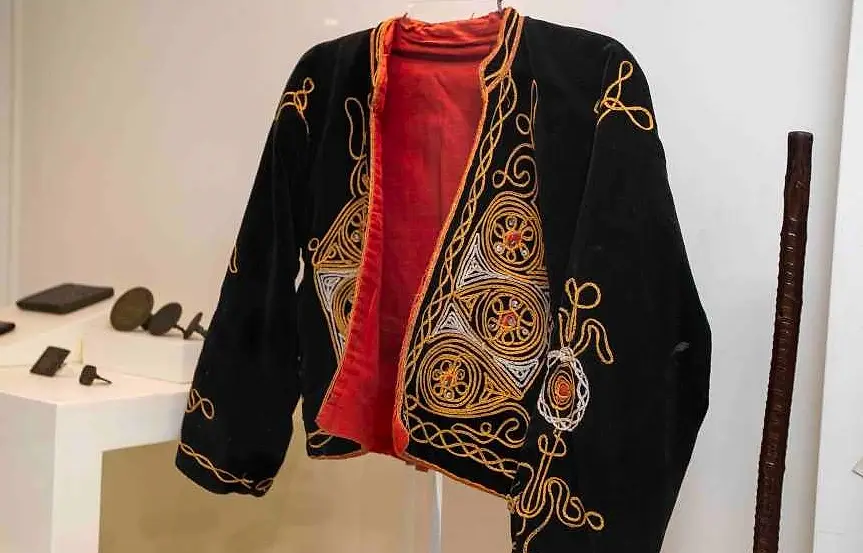
The ethnographic hall turns to more recent life. Ottoman-period carpets and rugs, the stone-cutting tradition, copper pots and pans, and women's and men's clothing and accessories show what local households made and wore. Panels help explain each theme.
According to the Ministry’s listing it opens at 08:00 and closes at 17:00 (last entry 16:15). Open every day.
No. This site sells no tickets. Topkapı Palace, the Basilica Cistern, Hagia Sophia and Dolmabahçe Palace are sold on our sister sites; for Hacıbektaş Archaeology and Ethnography Museum, buy at the ticket office or on the Ministry’s official e-ticket system.
Hacıbektaş Archaeology and Ethnography Museum is in Nevşehir, Türkiye — Bala Mah. Özel İdare Binası karşısı.
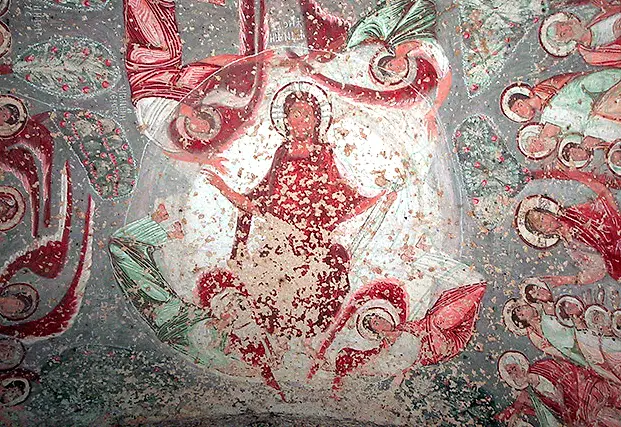
A rock-cut Byzantine church of 964–965 near Göreme, with a two-floor plan, monks' rooms below and frescoes of Emperor Nikephoros Phokas and his family.
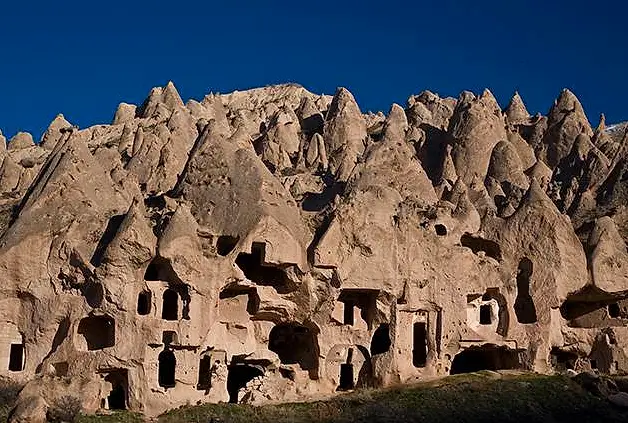
Three valleys of fairy chimneys in Cappadocia, once a Christian monastic settlement, with rock-cut churches, Saint Simeon's chapel and dovecotes.
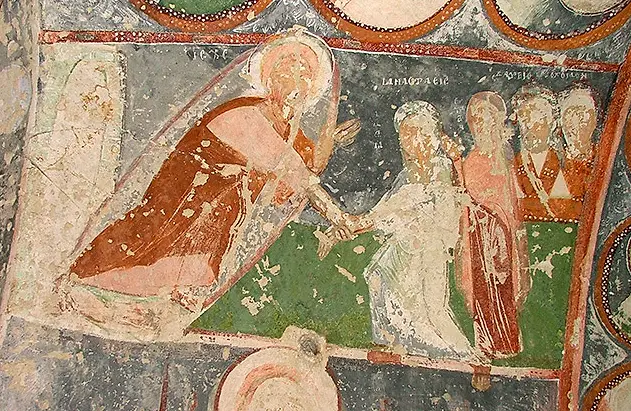
A tenth-century rock-cut church in the El Nazar valley near Göreme, painted in an archaic style with scenes from the life of Christ.
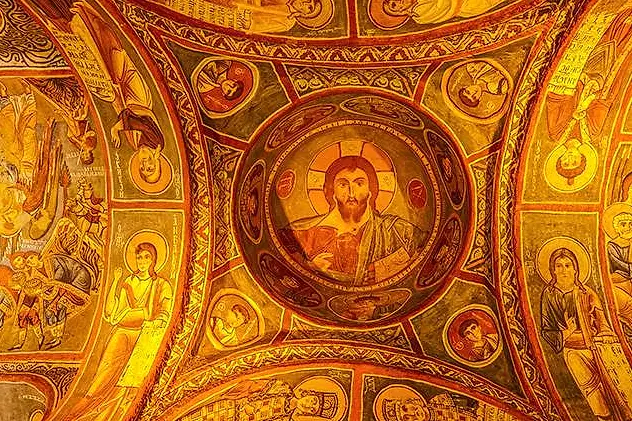
The most prized church of the Göreme Open Air Museum, a cross-plan rock church whose frescoes stayed vivid because so little light reaches them.
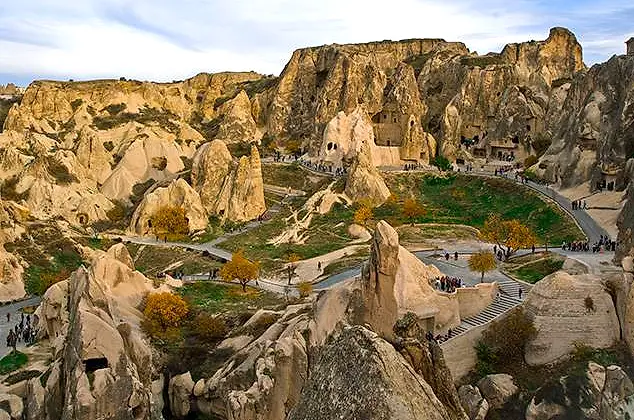
Cappadocia's best-known rock-cut monastic complex, with frescoed churches, chapels and refectories from the fourth to thirteenth centuries.
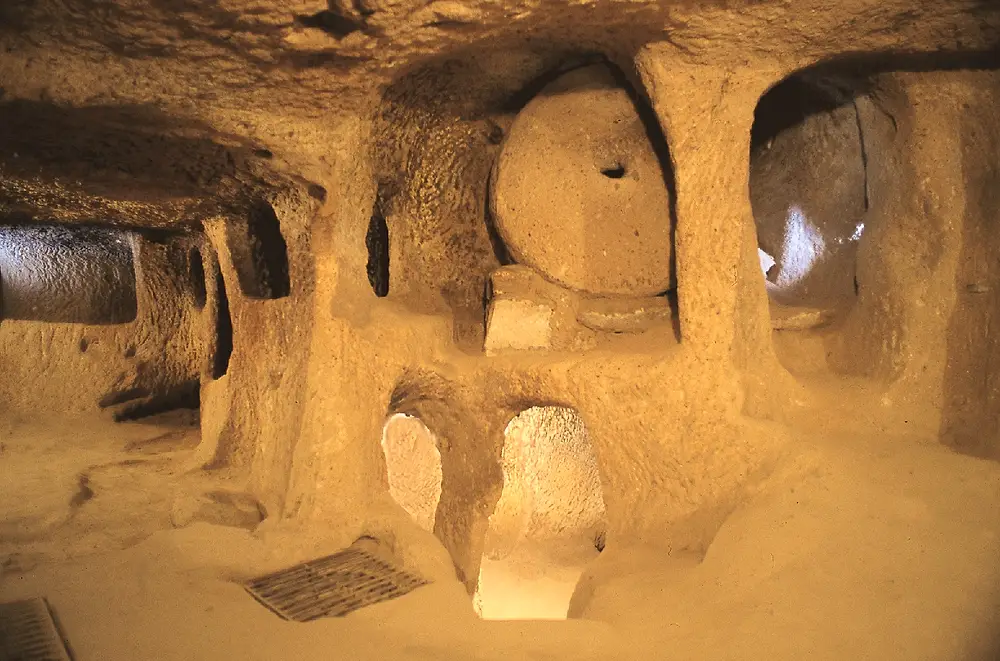
A labyrinth of tuff-carved rooms and tunnels eight levels deep at Kaymaklı, built as a refuge and still walkable on four lit levels.
Four Istanbul landmarks, each sold on its own site by the agency behind this guide — dated entry and free cancellation up to 24 hours.
The sultans’ palace on Sarayburnu: courtyards, the Imperial Council, the treasury and the terraces over the water. Dated entry, sold online on its own site.
Justinian’s great underground reservoir: 336 columns in still water and the two Medusa heads. Fast-track entry with a digital audio guide.
Justinian’s cathedral, the sultans’ mosque and a working mosque again today. The ticket admits you to the upper visitor gallery.
A nineteenth-century palace on the water’s edge: the Selamlık, the Ceremonial Hall under its chandelier, the crystal staircase and the Harem.


