
Topkapı Palace
The sultans’ palace on Sarayburnu: courtyards, the Imperial Council, the treasury and the terraces over the water. Dated entry, sold online on its own site.
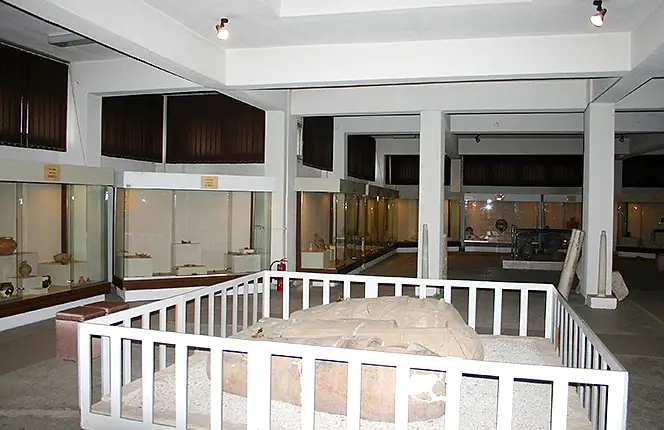
Archaeology and ethnography in the heart of Cappadocia, from Neolithic tools and Hellenistic pottery to Roman glass and Byzantine reliquaries.
On September 30, 2026 the Ministry’s listing showed this museum as closed to visitors. Check the official page before planning a visit.
Nevşehir Museum owes its existence to a librarian. In 1963–64 the head of the town's central library, Hamit Özalp, gathered antiquities from the surrounding area and kept them in a room of the library. His effort bore fruit: in 1966 the authorities decided to open a museum, and the soup kitchen and primary school of the Damat İbrahim Paşa Complex were restored for the purpose. It opened in 1967 and moved to its present home in the Cultural Centre in 1987.
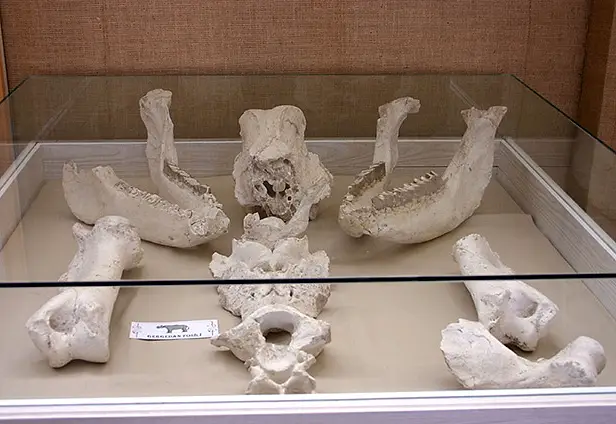
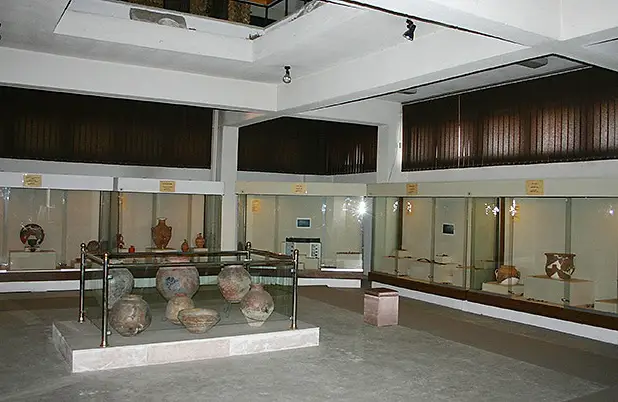
The archaeological hall covers a long span, from the Neolithic, Chalcolithic and Bronze Ages through the Iron Age, Archaic, Hellenistic, Roman and Byzantine periods. Archaic and Hellenistic pieces from the Nevşehir Kurugöl and Avanos Topaklı mound excavations include black-glazed lekythoi, plates, cups, pyxides and terracotta vessels shaped like kraters.
Roman finds bring bracelets, glassware, beads, perfume bottles, marble heads of goddesses, small Apollo statuettes and oil lamps. The Byzantine section has glass and bronze bracelets, bronze reliquaries and carved pieces of mother-of-pearl. Donated prehistoric objects from Mesopotamia and Cyprus add an unexpected note, and a separate ethnographic hall shows local life.
According to the Ministry’s listing it opens at 08:00 and closes at 17:00 (last entry 16:15). Open every day.
No. This site sells no tickets. Topkapı Palace, the Basilica Cistern, Hagia Sophia and Dolmabahçe Palace are sold on our sister sites; for Nevşehir Museum, buy at the ticket office or on the Ministry’s official e-ticket system.
Nevşehir Museum is in Nevşehir, Türkiye — 350 Evler Mahallesi, Yeni kayseriCaddesi, Türbe Sokak No :1.
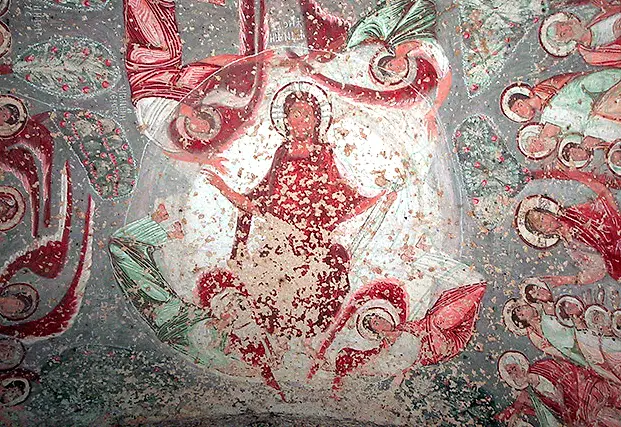
A rock-cut Byzantine church of 964–965 near Göreme, with a two-floor plan, monks' rooms below and frescoes of Emperor Nikephoros Phokas and his family.
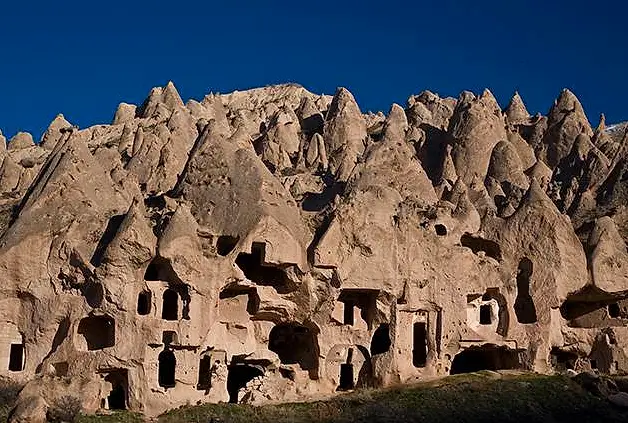
Three valleys of fairy chimneys in Cappadocia, once a Christian monastic settlement, with rock-cut churches, Saint Simeon's chapel and dovecotes.
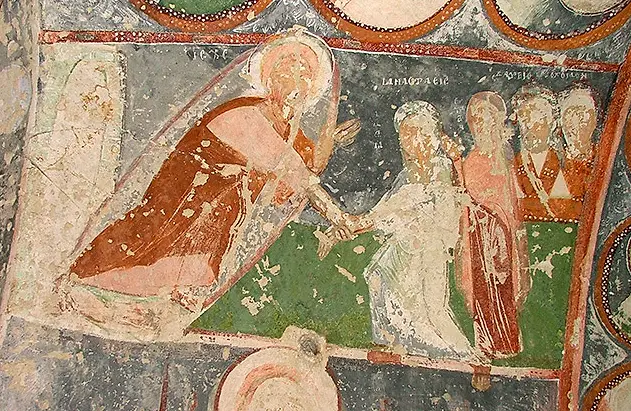
A tenth-century rock-cut church in the El Nazar valley near Göreme, painted in an archaic style with scenes from the life of Christ.
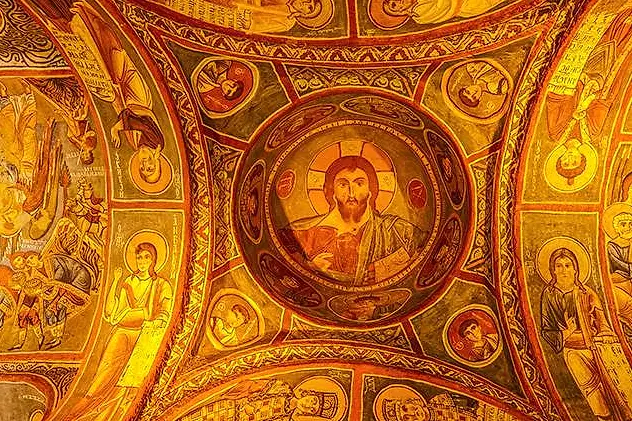
The most prized church of the Göreme Open Air Museum, a cross-plan rock church whose frescoes stayed vivid because so little light reaches them.
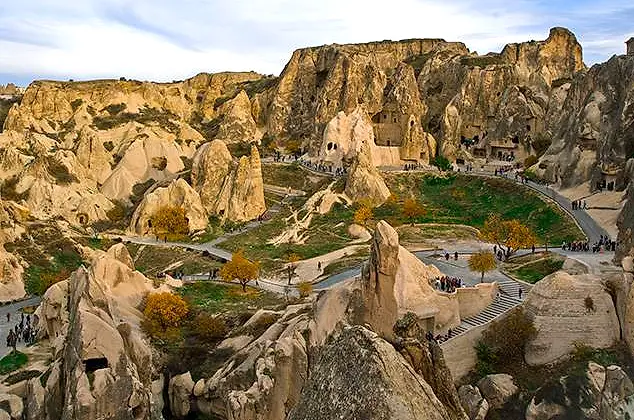
Cappadocia's best-known rock-cut monastic complex, with frescoed churches, chapels and refectories from the fourth to thirteenth centuries.
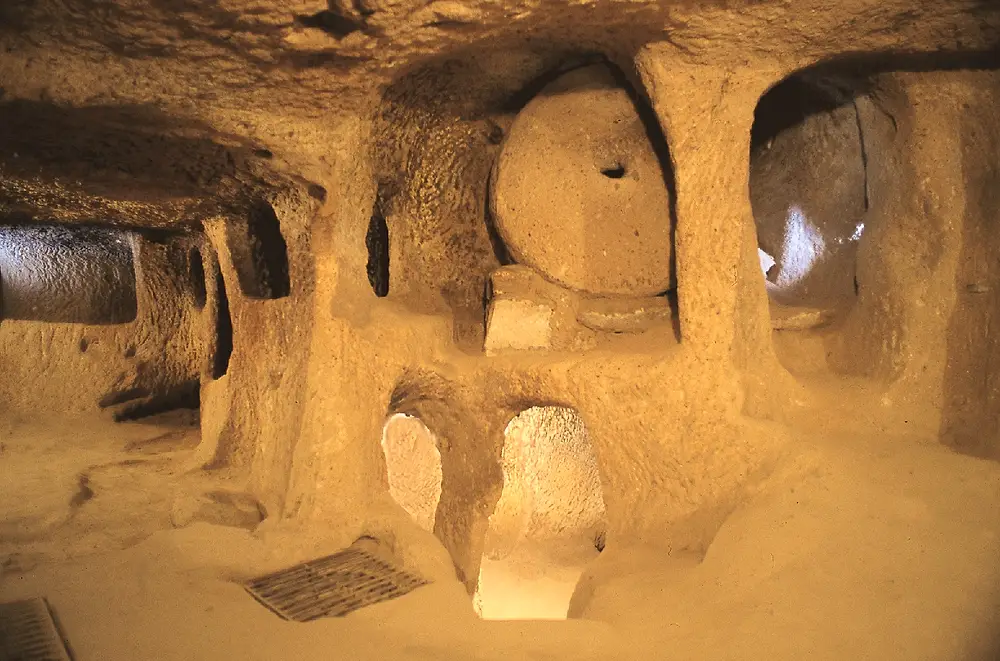
A labyrinth of tuff-carved rooms and tunnels eight levels deep at Kaymaklı, built as a refuge and still walkable on four lit levels.
Four Istanbul landmarks, each sold on its own site by the agency behind this guide — dated entry and free cancellation up to 24 hours.
The sultans’ palace on Sarayburnu: courtyards, the Imperial Council, the treasury and the terraces over the water. Dated entry, sold online on its own site.
Justinian’s great underground reservoir: 336 columns in still water and the two Medusa heads. Fast-track entry with a digital audio guide.
Justinian’s cathedral, the sultans’ mosque and a working mosque again today. The ticket admits you to the upper visitor gallery.
A nineteenth-century palace on the water’s edge: the Selamlık, the Ceremonial Hall under its chandelier, the crystal staircase and the Harem.


